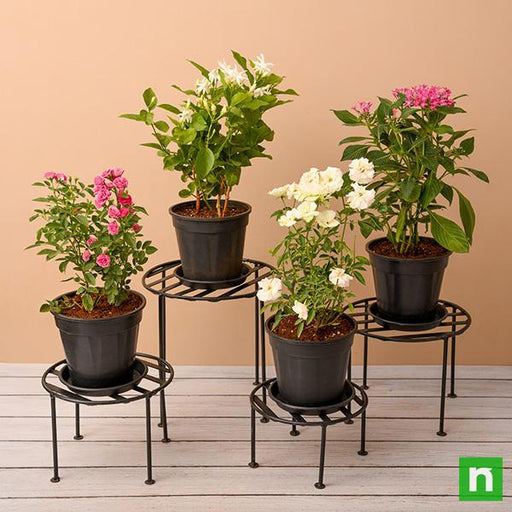
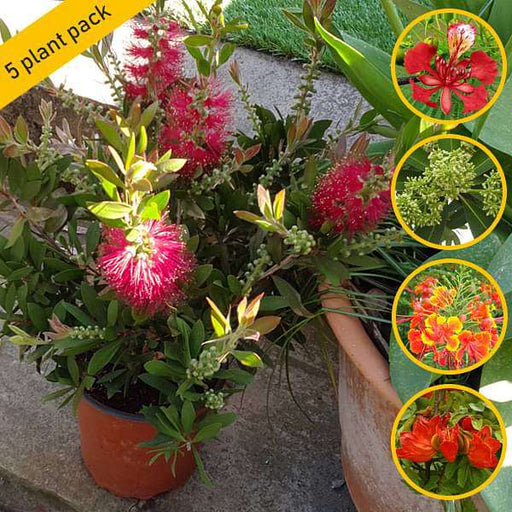
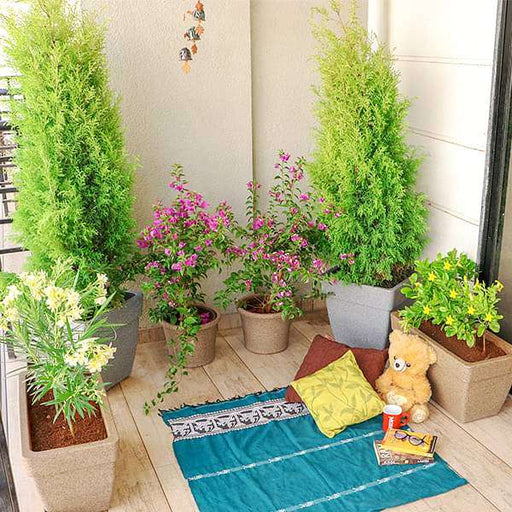
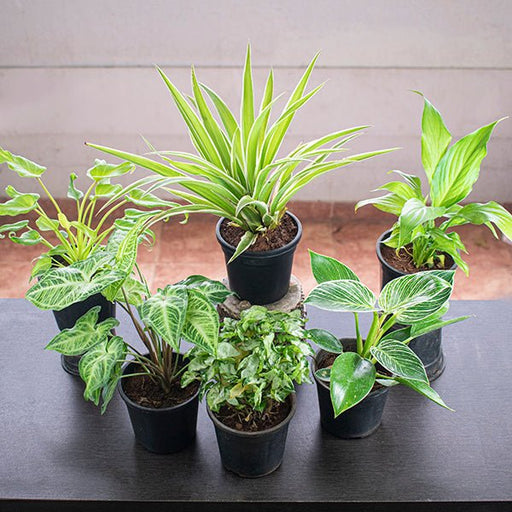
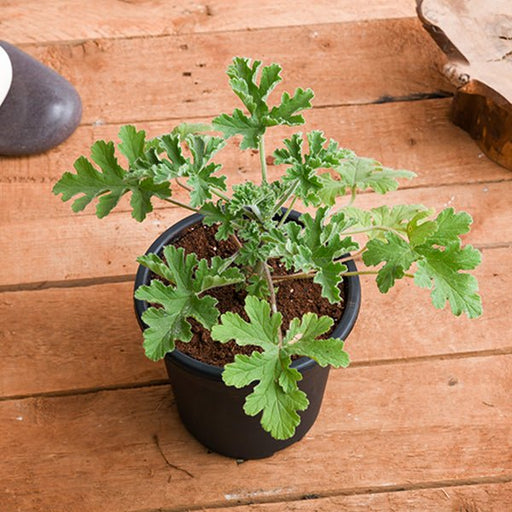
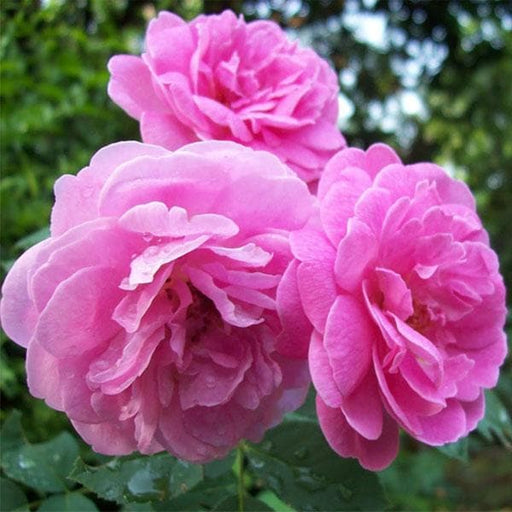
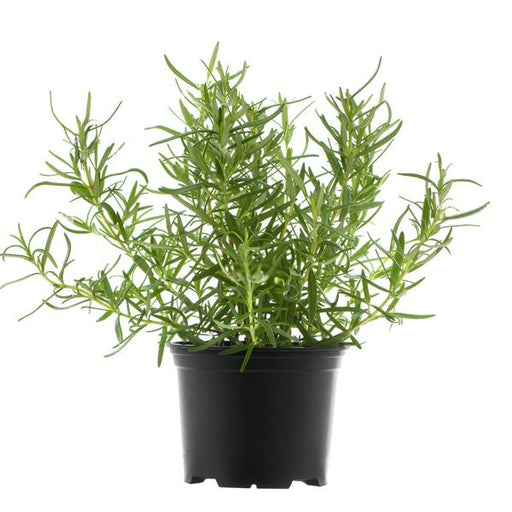
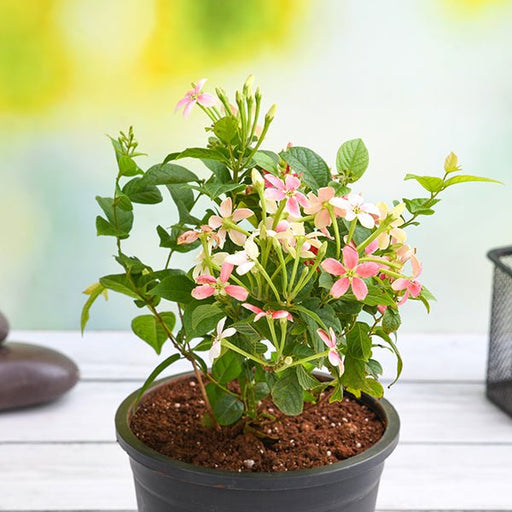
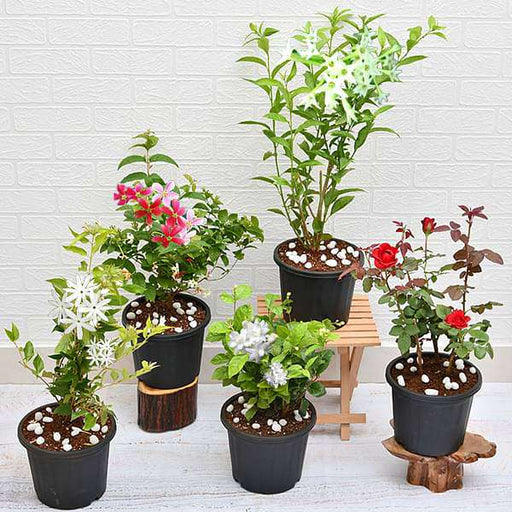
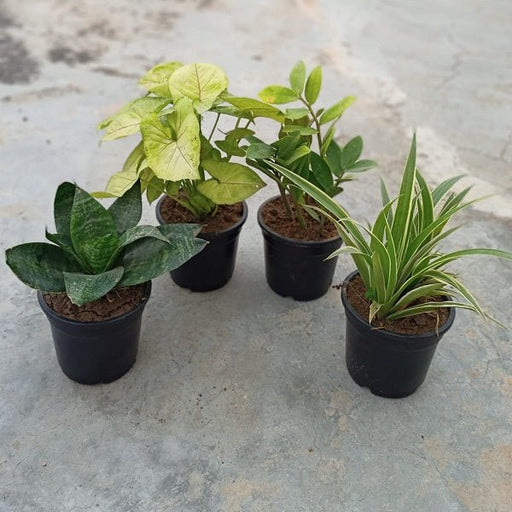
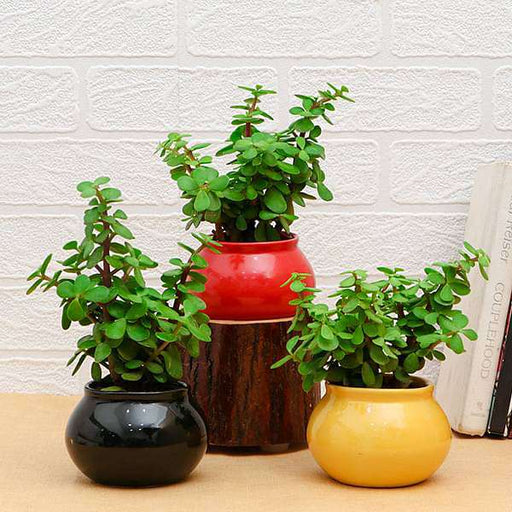
What are flowering plant packs?
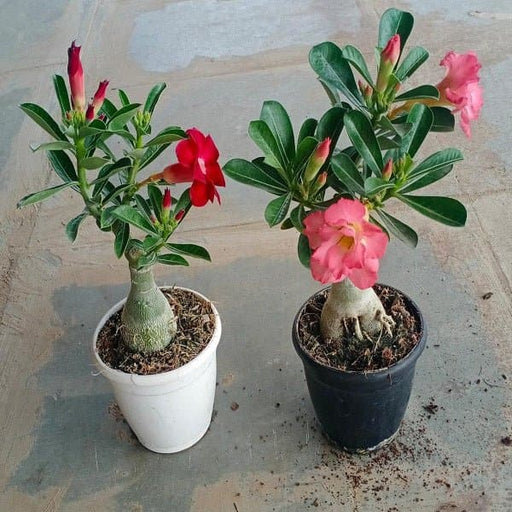
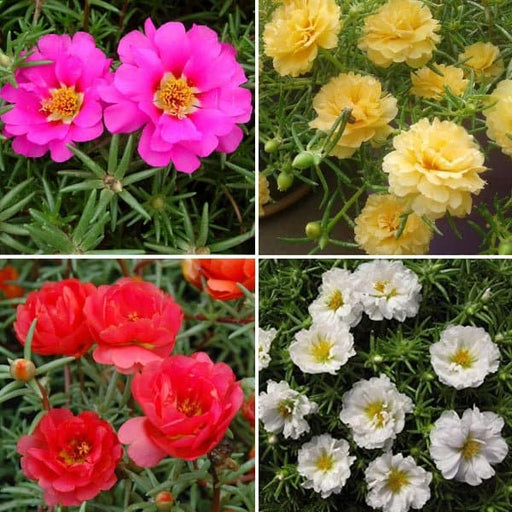
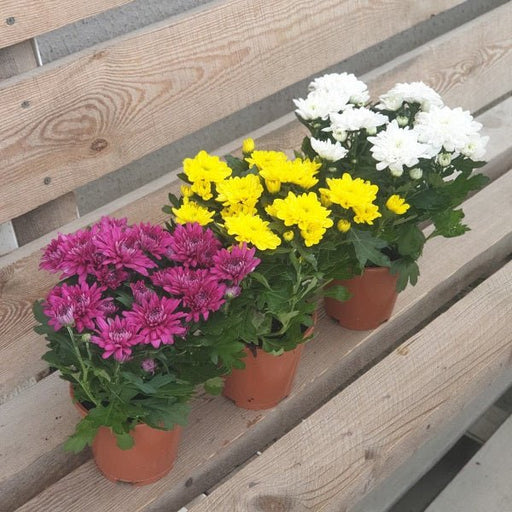
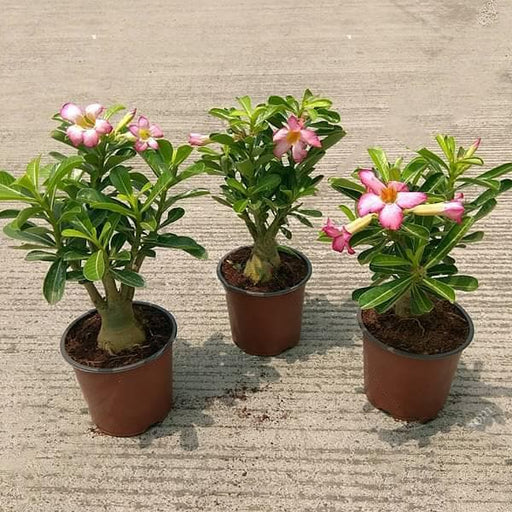
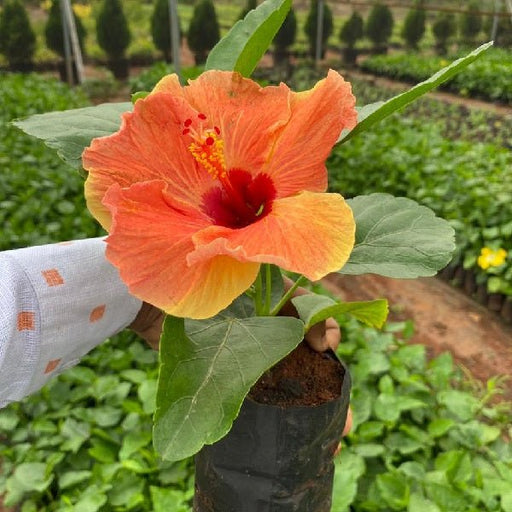
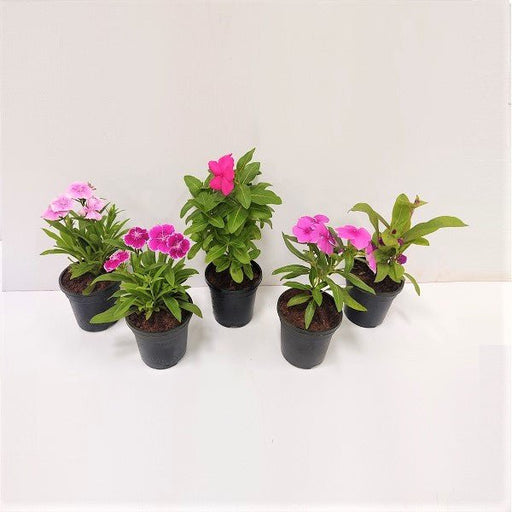
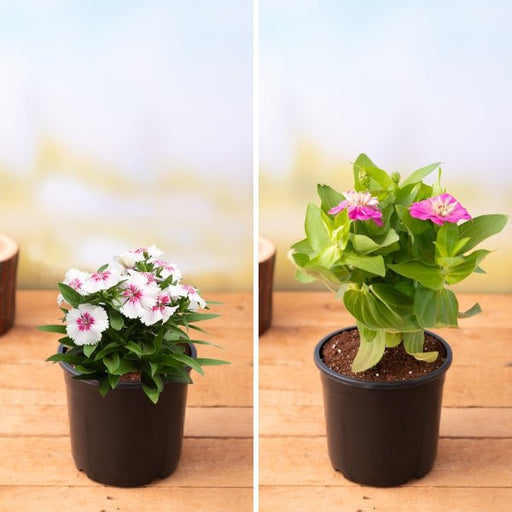
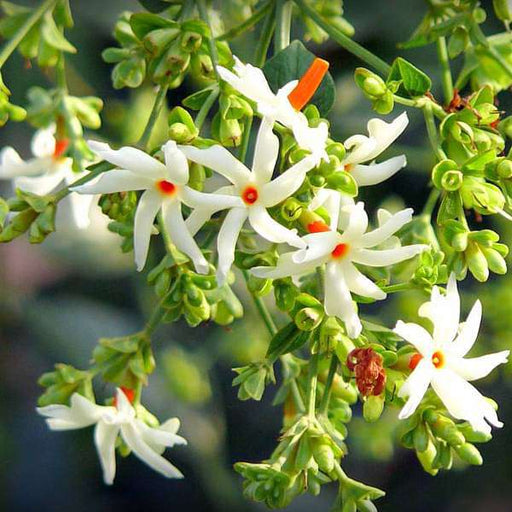
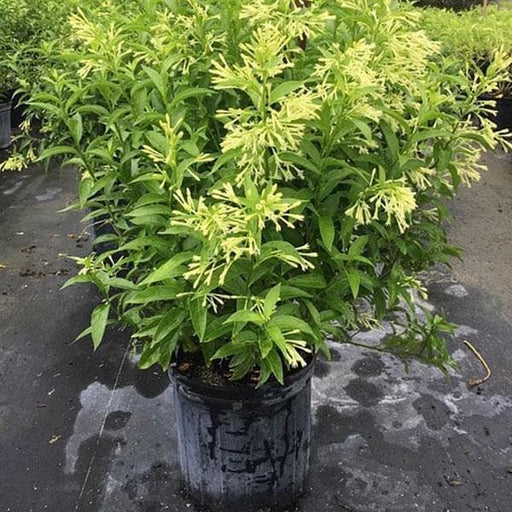
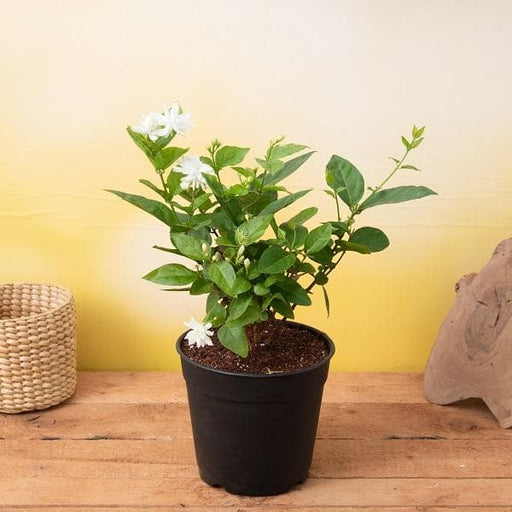
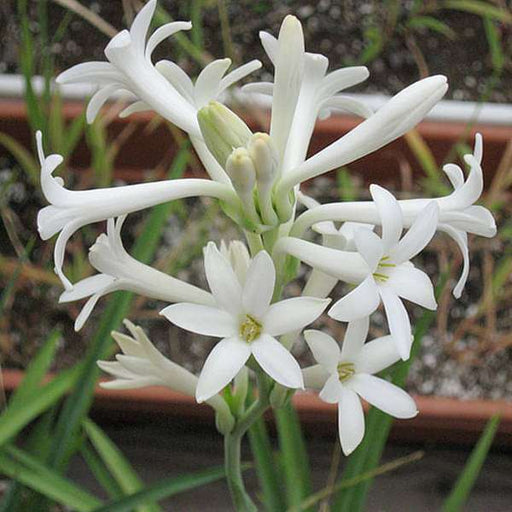
Flowering plant packs are a collection of plants that are known for their colorful blooms. They are popular for their decorative value and can be used to brighten up any space.
What types of plants are typically included in flowering plant packs?
Flowering plant packs can include a wide range of plants, such as roses, lilies, petunias, marigolds, and dahlias.
How do I care for flowering plants?
Care for flowering plants by providing them with adequate sunlight, water, and fertilizer. Deadhead the spent blooms regularly to promote new growth.
How often should I water flowering plants?
The frequency of watering flowering plants depends on the type of plant and the environment. Water them when the soil feels dry to the touch.
How do I choose the right location for my flowering plants?
Choose a location that provides the appropriate amount of sunlight and soil drainage for the plant species. Consult with a local nursery for further guidance.
How do I choose the right fertilizer for my flowering plants?
Choose a fertilizer that is appropriate for the plant species and follow the manufacturer's instructions for application.
How do I prevent pests on my flowering plants?
Keep your flowering plants clean and free of debris. Inspect them regularly for signs of pests and treat any infestations promptly.
How do I prevent disease on my flowering plants?
Signs of disease in flowering plants can include yellowing foliage, wilting, or stunted growth. Inspect the plants regularly for signs of disease and treat any issues promptly.
How do I prevent my flowering plants from becoming top-heavy?
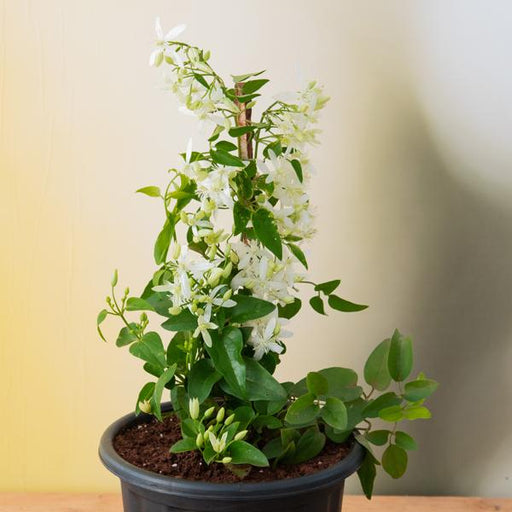
Regular pruning and training can help prevent flowering plants from becoming top-heavy. Use a support structure or trellis to train the plant to grow in a desirable shape.
How do I know if my flowering plants need to be repotted?
If the plant has outgrown its container or the roots are growing out of the drainage holes, it may need to be repotted.
How do I transplant my flowering plants?
Transplant your flowering plants by carefully removing them from their current container or location and replanting them in a new location or container.
How do I prevent my flowering plants from becoming overcrowded?
Divide flowering plants every few years to prevent overcrowding and promote healthy growth.
How do I prune my flowering plants?
Prune flowering plants regularly to promote healthy growth and maintain a desirable shape. Use sharp, clean pruning shears.
Can flowering plants be grown indoors?
Yes, many flowering plants can be grown indoors, as long as they receive adequate sunlight and care.
Can flowering plants be used for decoration or gifting?
Yes, flowering plants are suitable for decoration or gifting. They add visual interest to any space and make great gifts for plant enthusiasts.
How do I prevent my flowering plants from wilting?
Water flowering plants regularly and avoid overwatering or underwatering, which can cause wilting. Also, provide adequate sunlight and fertilizer.
How do I propagate my flowering plants?
Propagate flowering plants through methods such as stem cuttings or division. Follow specific instructions for each plant species.
How do I know if my flowering plants need more sunlight?
Signs that flowering plants need more sunlight can include elongated stems or yellowing foliage, Move the plant to a sunnier location or provide supplemental light.
How do I know if my flowering plants need less sunlight?
Signs that flowering plants need less sunlight can include scorched leaves or wilting. Move the plant to a shadier location or provide some shade.
How do I know when to deadhead my flowering plants?
Deadhead flowering plants when the blooms begin to wilt or fade. This promotes new growth and prolongs the flowering period.
Can flowering plants be used for medicinal purposes?
Yes, some flowering plants, such as chamomile and lavender, have medicinal properties and are used in traditional medicine.
Can flowering plants attract pollinators to my garden?
Yes, flowering plants are known to attract pollinators, such as bees and butterflies, to the garden. This can promote healthy plant growth and biodiversity.
How do I choose the right flowering plant for my needs?
Choose flowering plants based on your specific needs and the environment. Consider factors such as color, fragrance, and growing requirements.
How do I know when to fertilize my flowering plants?
Fertilize flowering plants according to the manufacturer's instructions or consult with a local nursery for guidance.
How do I prevent my flowering plants from becoming leggy?
Regular pruning and training can help prevent flowering plants from becoming leggy. Use a support structure or trellis to train the plant to grow in a desirable shape.
Can flowering plants be used for landscaping?
Yes, flowering plants can be used for landscaping to add color and texture to outdoor spaces.
How do I prevent my flowering plants from becoming diseased?
Keep your flowering plants clean and free of debris. Inspect them regularly for signs of disease and treat any issues promptly.
How do I prevent my flowering plants from becoming too large?
Regular pruning and training can help prevent flowering plants from becoming too large. Use a support structure or trellis to train the plant to grow in a desirable shape.
How do I know when to water my flowering plants?
Water flowering plants when the soil feels dry to the touch. Avoid overwatering, which can cause root rot.
Can flowering plants be used for culinary purposes?
Yes, some flowering plants, such as lavender and nasturtiums, are edible and can be used in cooking and baking. However, make sure to research the plant's edibility and use caution when consuming.