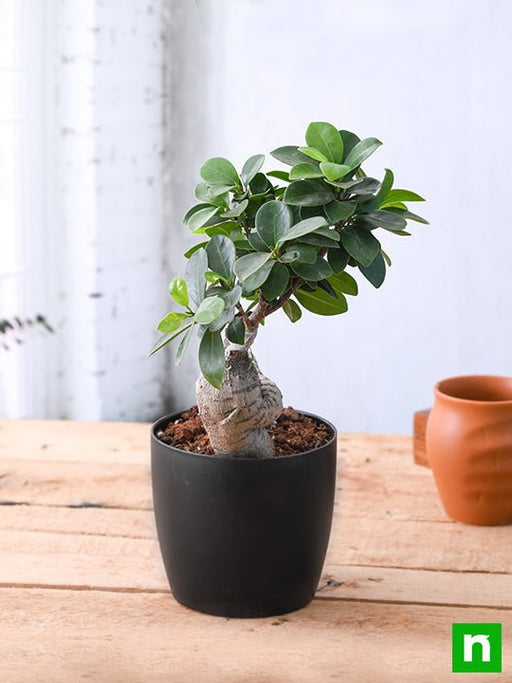
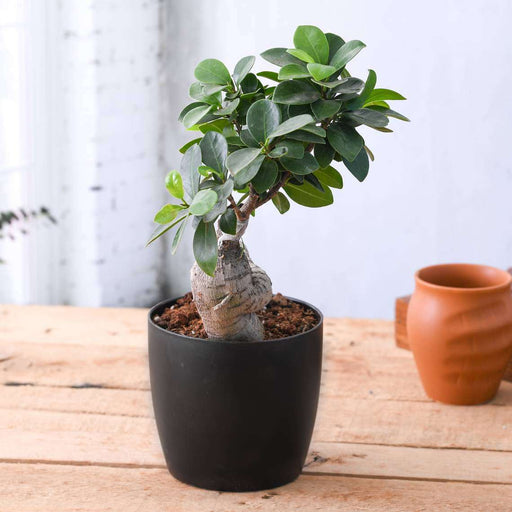
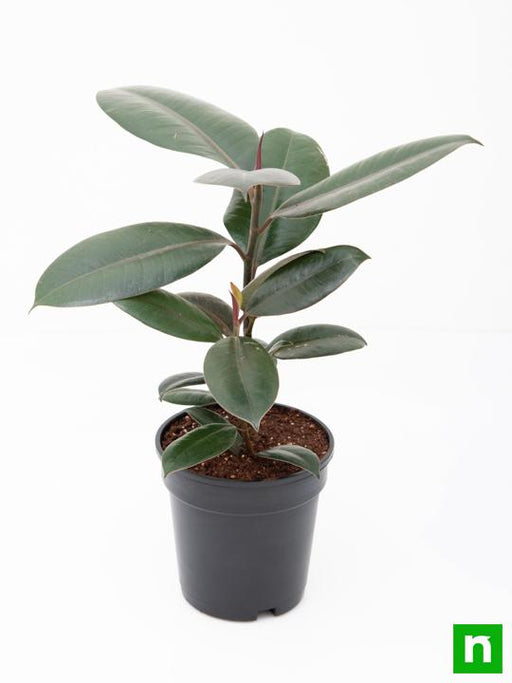
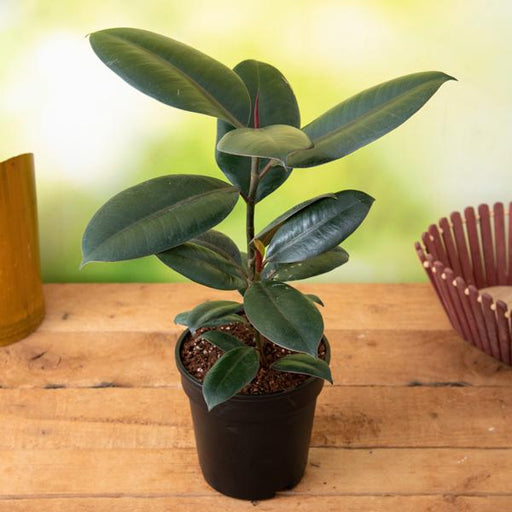
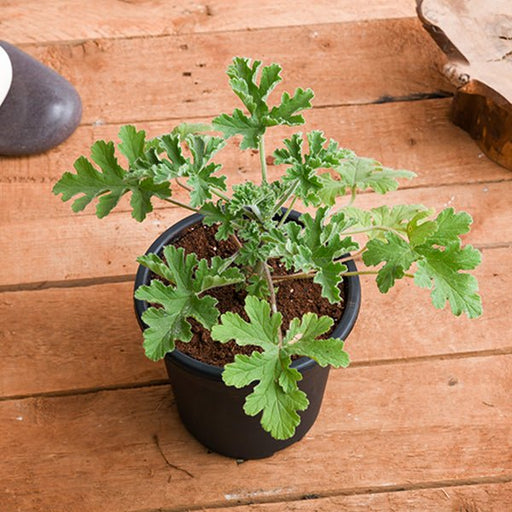
Not recd as per Picture on Website
Available 24/7
Available 24/7
Save up to 15%
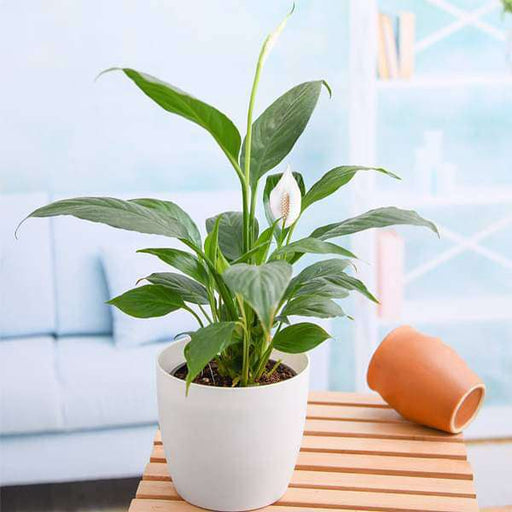
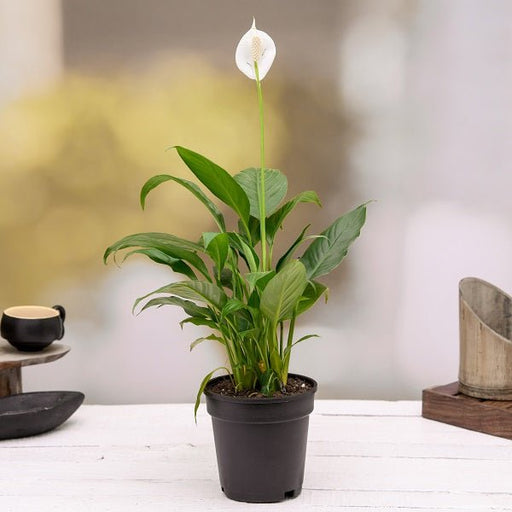
Peace Lily, Spathiphyllum - Plant The Peace Lily, scientifically known as Spathiphyllum, is a stunning houseplant celebrated for its elegant white...
View full details
Save 18%
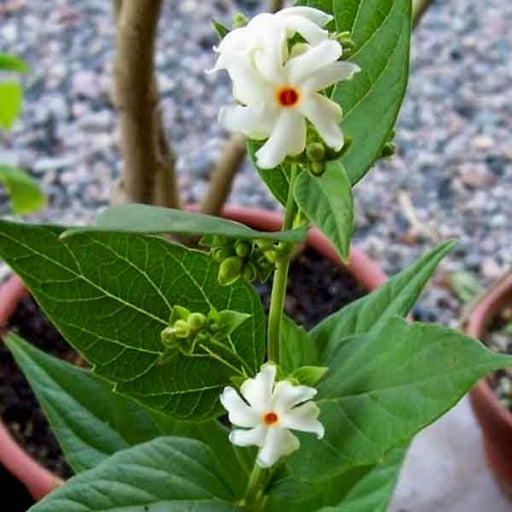
Combo Constituents Includes the Parijat Tree (Night-Flowering Jasmine), a culturally significant plant with fragrant flowers. Description The Pari...
View full details
Save 25%
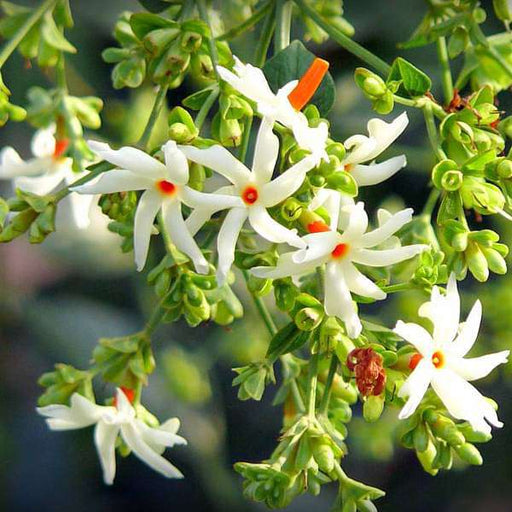
Description Raat Ki Rani (*Cestrum nocturnum*), also known as Night Blooming Jasmine, is a fragrant shrub native to the Caribbean and Central Ameri...
View full details
Save 25%
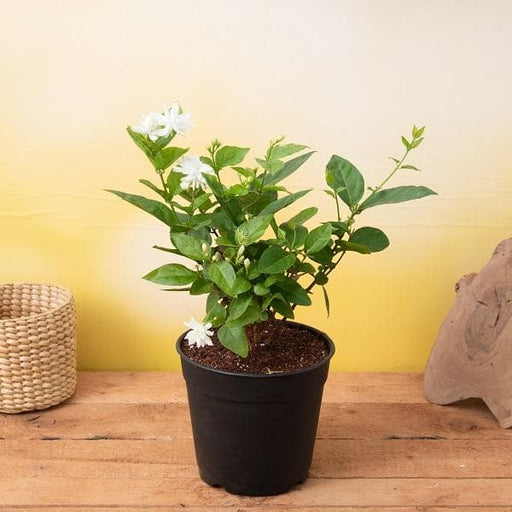
Jasminum sambac, Mogra, Arabian Jasmine - Plant Jasminum sambac, commonly known as Mogra or Arabian Jasmine, is a fragrant flowering plant...
View full details
Save 17%
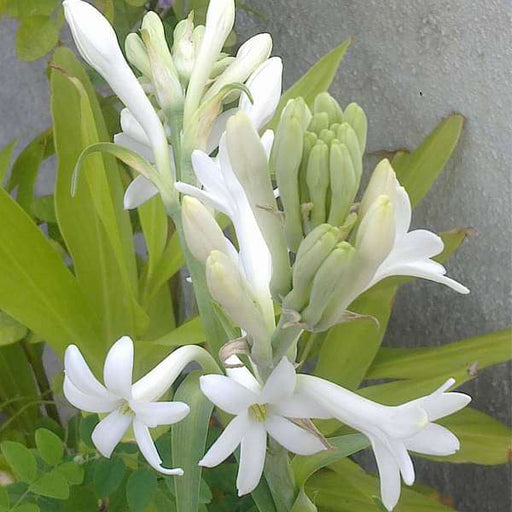
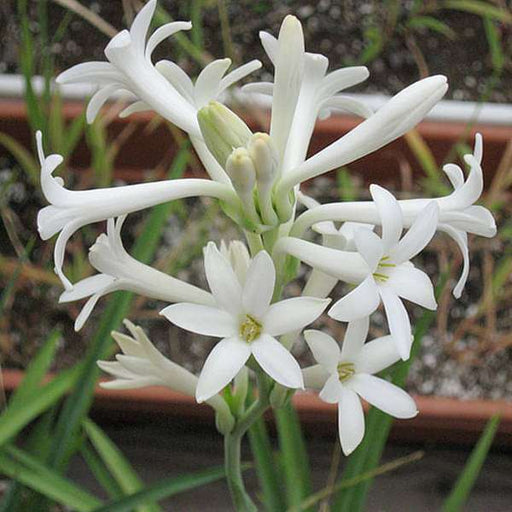
Rajnigandha, Tuberose - Plant The Rajnigandha, scientifically known as Polianthes tuberosa, is a captivating perennial plant renowned for ...
View full details
Sold out
Citronella, Odomas - Plant The Citronella plant, scientifically known as Cymbopogon nardus, is a tropical grass renowned for its aromatic ...
View full details
Save 25%
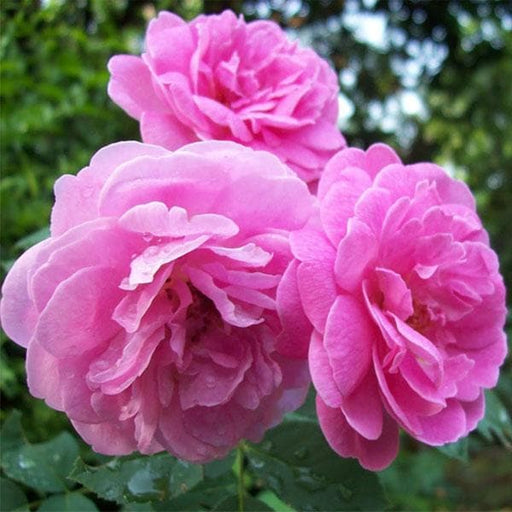
Damascus Rose, Scented Rose (Any Color) - Plant The Damascus Rose, also known as Rosa damascena, is a timeless symbol of beauty and romanc...
View full details
Save 35%
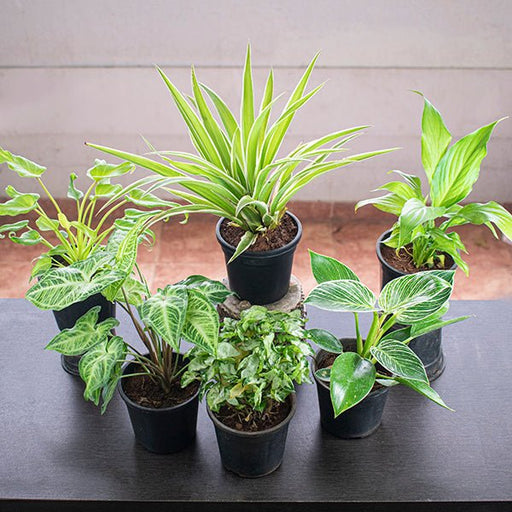
Best 6 Plants for Perfect Indoor Garden Transform your living space into a lush oasis with our curated collection of the Best 6 Plants for a...
View full details
Save up to 50%
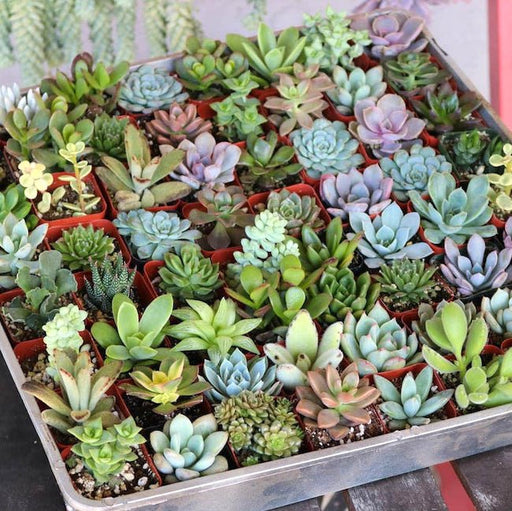
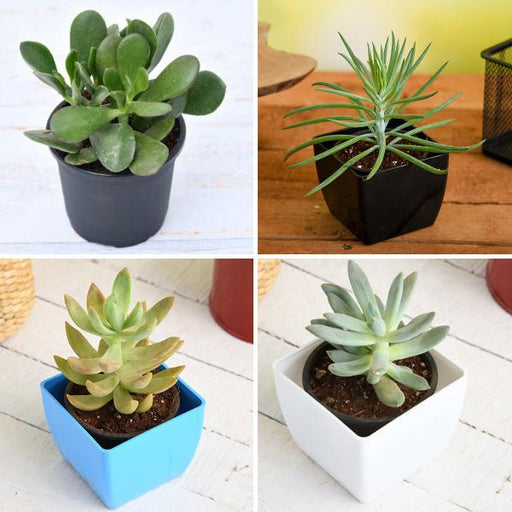
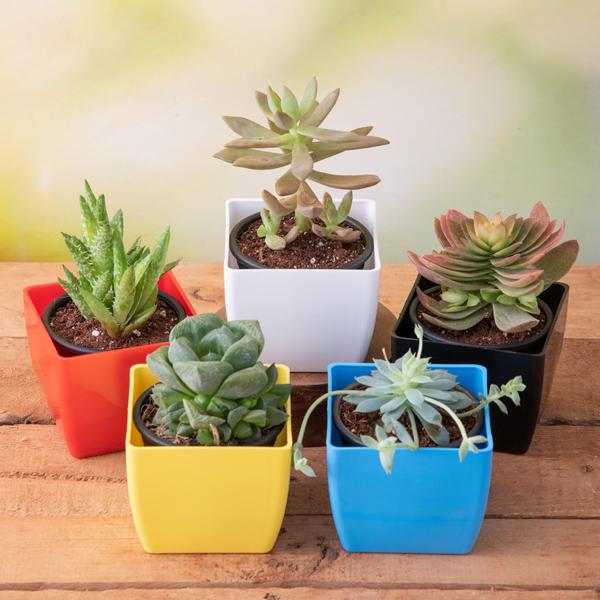
Mini Succulent Garden Pack Transform your space with our Mini Succulent Garden Pack, featuring a delightful collection of 4 any variety beautiful s...
View full details
Save 30%
5 Best Fragrant Plants Transform your garden or indoor space into a fragrant paradise with our curated selection of the 5 Best Fragrant Plants. Th...
View full details
Save 24%
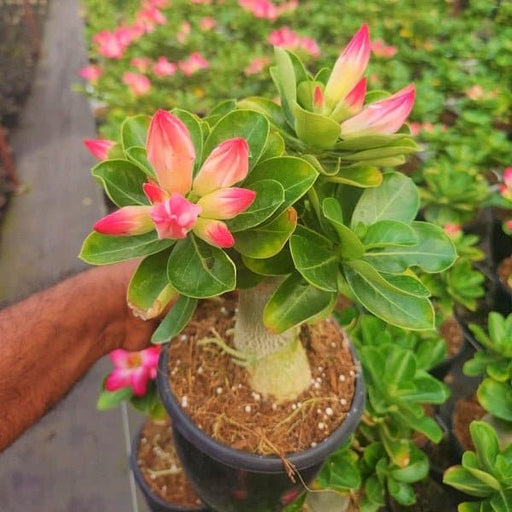
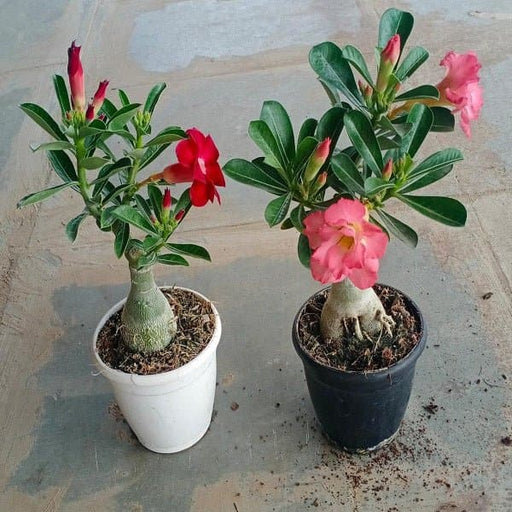
Set of 2 Bonsai Looking Grafted Adeniums Transform your indoor or outdoor space with our exquisite Set of 2 Bonsai Looking Grafted Adenium...
View full details
Save 45%
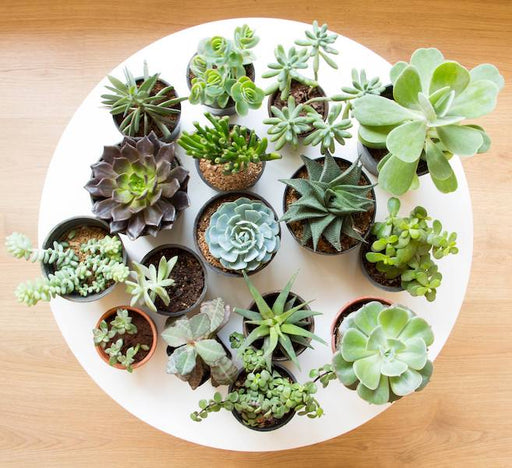
Top 4 Die Hard Succulents Pack Transform your indoor or outdoor space with our Top 4 Die Hard Succulents Pack, featuring a curated selecti...
View full details
Save 30%
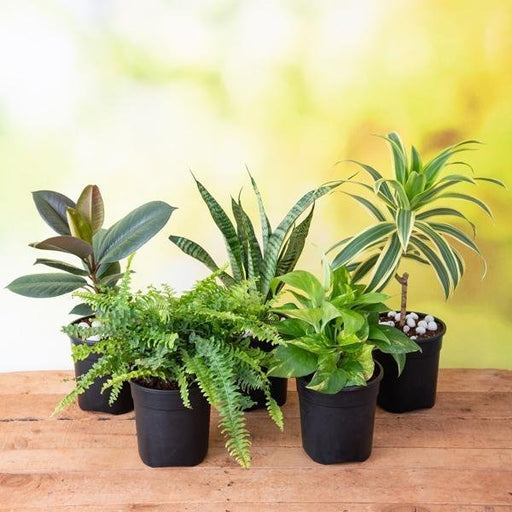
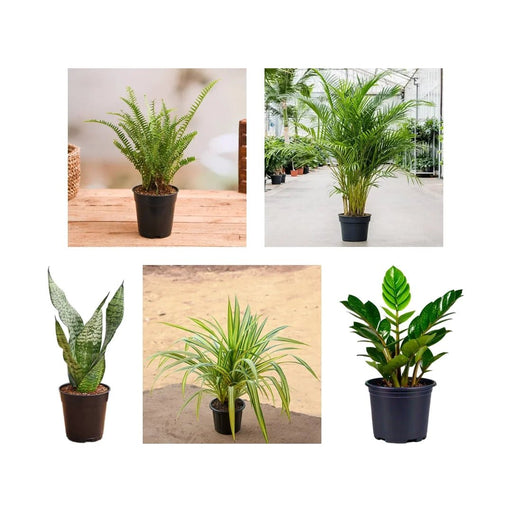
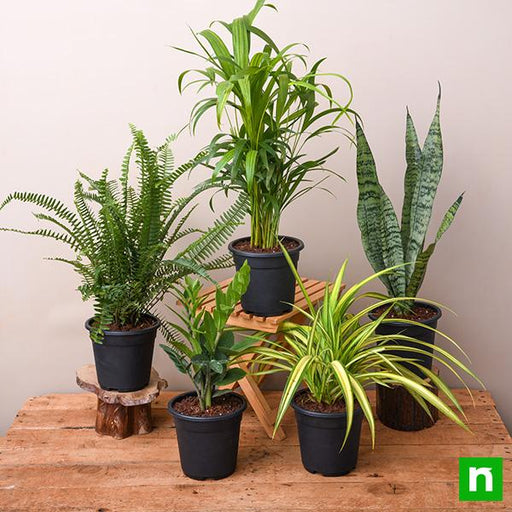
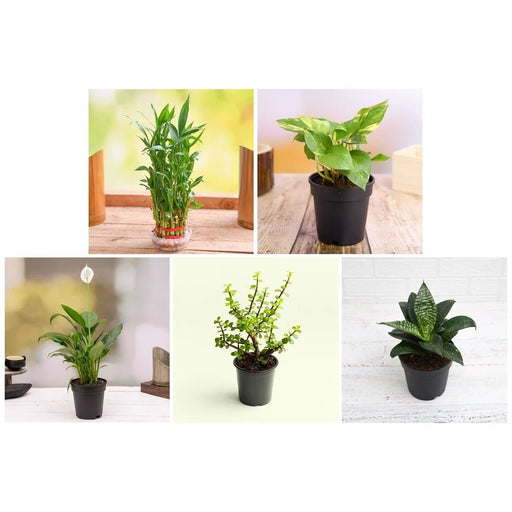
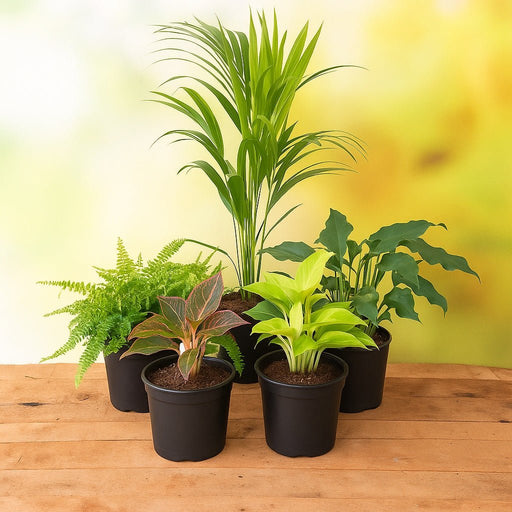
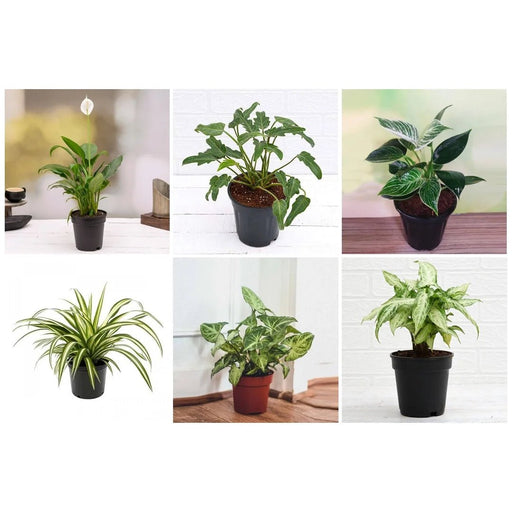
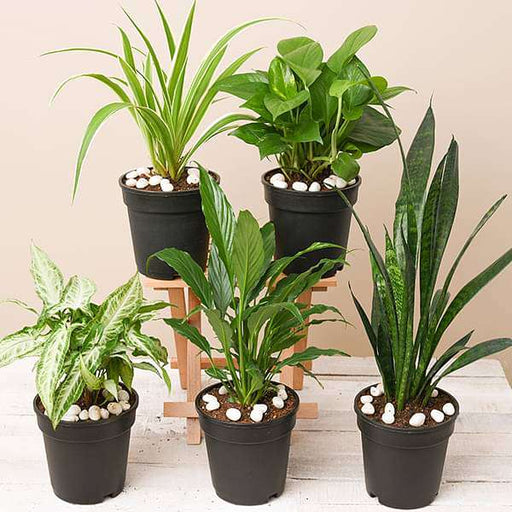
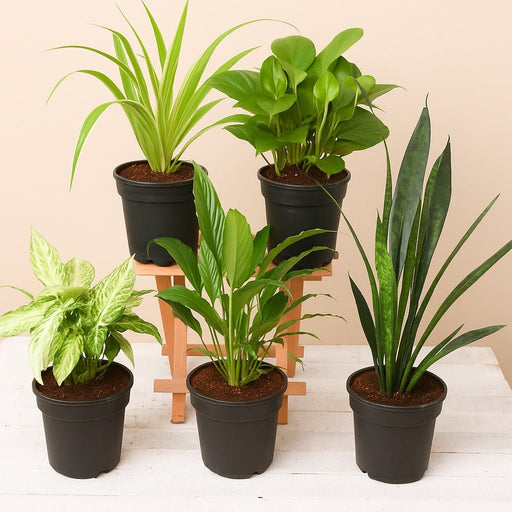
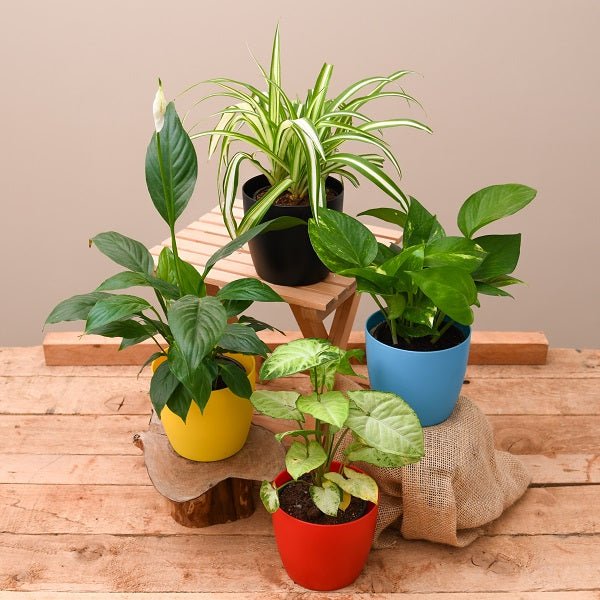
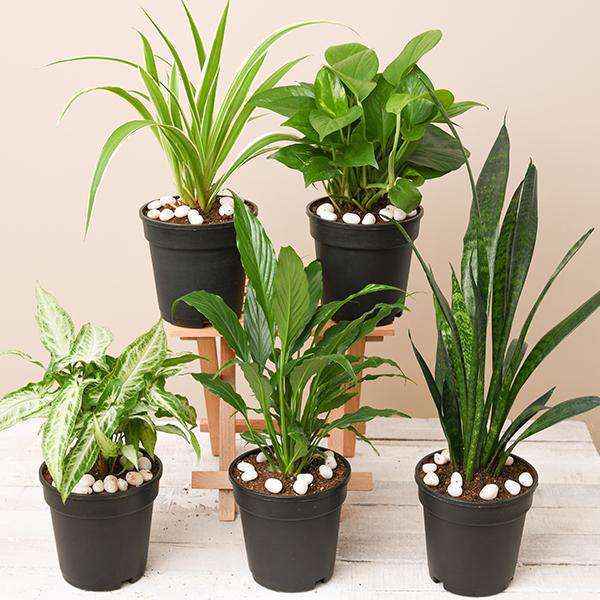
5 Best Indoor Plants Pack Transform your living space into a lush oasis with our '5 Best Indoor Plants Pack.' This carefully curated collection fe...
View full details
Save 25%
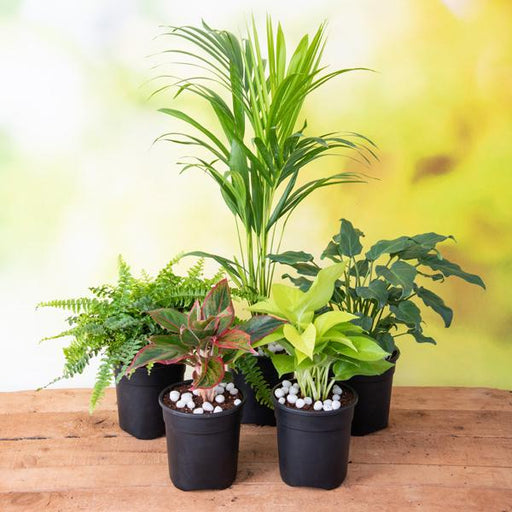
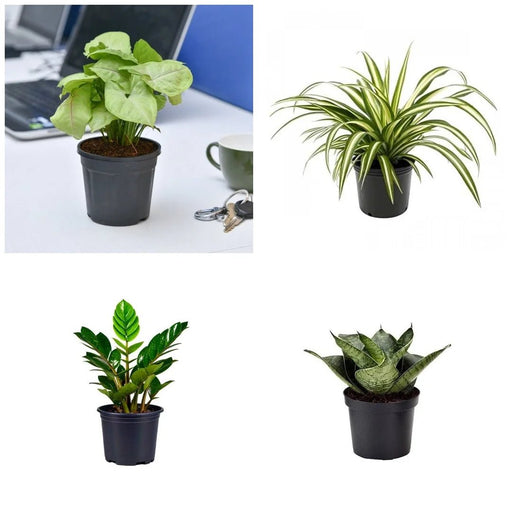
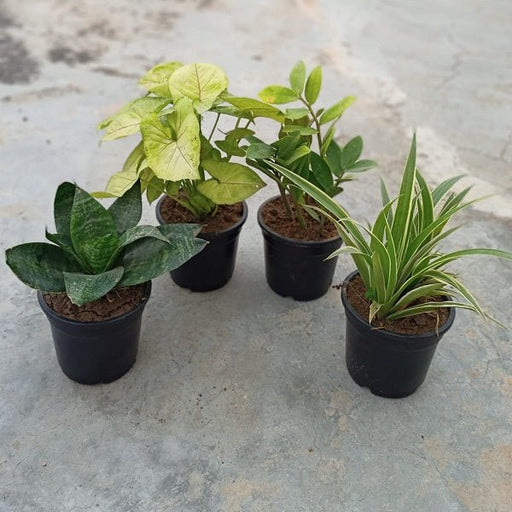
Set of 4 Evergreen Air Purifier Plant Pack Transform your indoor space into a lush, green oasis with our Set of 4 Evergreen Air Purifier Pla...
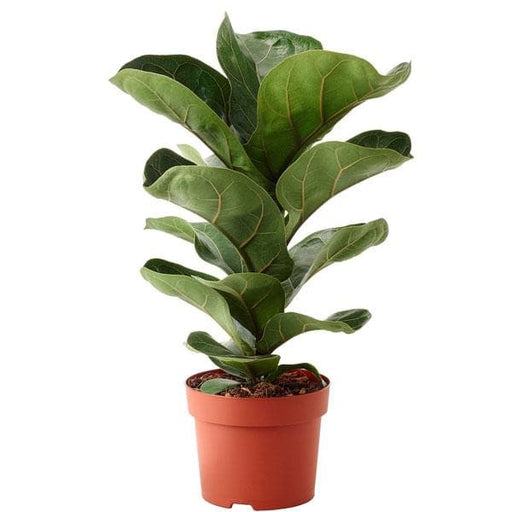
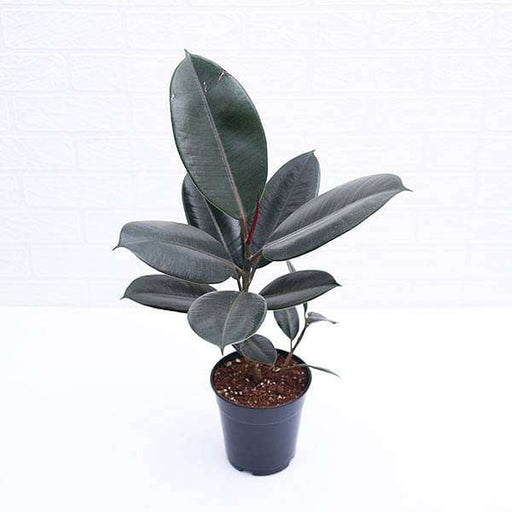
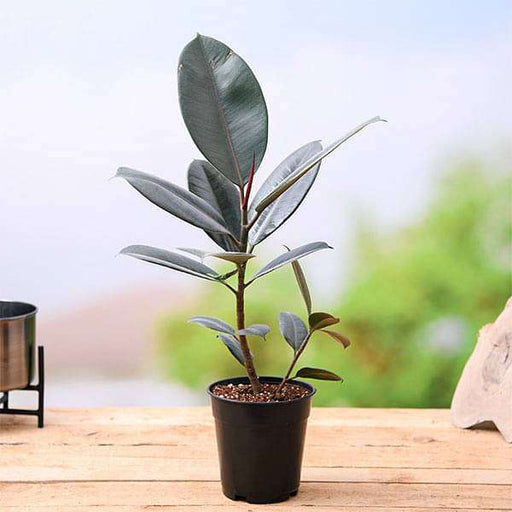
View full detailsDiscover the enchanting world of Ficus plants, a diverse collection that brings elegance and vitality to any space. Known for their lush foliage and striking appearance, Ficus plants are perfect for both indoor and outdoor settings. From the popular Ficus elastica to the charming Ficus lyrata, each variety offers unique characteristics that enhance your home or office decor.
What makes Ficus plants special is their adaptability and resilience. These evergreen beauties not only purify the air but also thrive in various lighting conditions, making them ideal for beginners and seasoned plant enthusiasts alike. With their rich history and cultural significance, Ficus plants have been cherished for centuries, symbolizing prosperity and growth.
Growing Ficus plants is a rewarding experience. They require minimal maintenance while providing maximum aesthetic appeal. Whether you're looking to create a calming indoor oasis or a vibrant outdoor garden, our Ficus collection has the perfect plant for you. Explore the beauty and benefits of Ficus plants today!
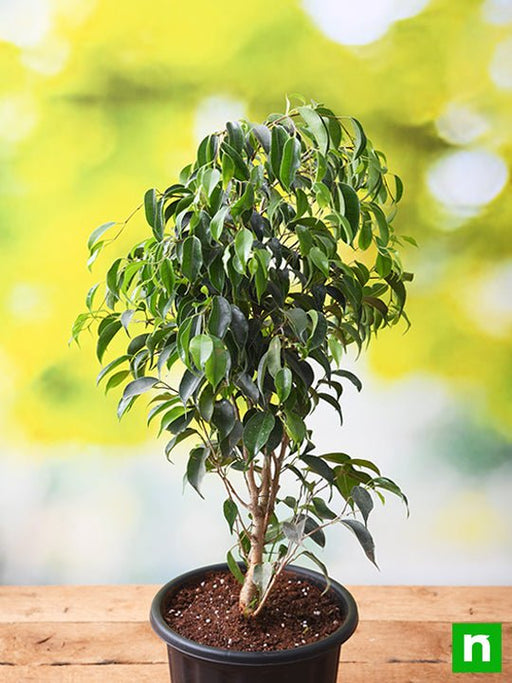
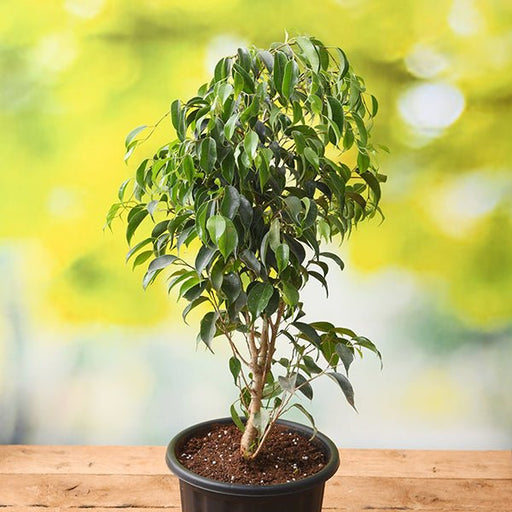
Ficus, belonging to the Moraceae family, includes over 800 species, with Ficus benjamina being one of the most recognized. These plants are native to tropical and subtropical regions, showcasing a remarkable ability to adapt to various environments. Their unique leaf structure allows them to efficiently photosynthesize, contributing to their popularity as houseplants.
Historically, Ficus trees have held significant cultural importance in many societies, often symbolizing wisdom and longevity. In addition to their aesthetic appeal, Ficus plants play a crucial role in the ecosystem by providing habitat and food for various wildlife species. Their ability to absorb carbon dioxide and release oxygen makes them vital for improving air quality, contributing positively to the environment.
Ficus plants are a diverse group of plants that come in a variety of sizes, shapes, and colors. In this article, we will explore the different types of ficus plants and their unique characteristics, including their growth habits and maintenance requirements.
Growing ficus plants can be a rewarding and relatively easy task that can add beauty and interest to your indoor or outdoor space. In this article, we will provide tips and advice on how to grow ficus plants successfully, including soil preparation, watering, and fertilization.
Proper care and maintenance of ficus plants can help them thrive and produce beautiful leaves. In this article, we will discuss the best practices for pruning, fertilizing, and pest control of ficus plants.
Ficus plants are susceptible to a variety of diseases, including fungal infections, leaf spot, and root rot. In this article, we will explore the common diseases that affect ficus plants and provide tips on how to prevent and treat them.
Ficus plants can be attacked by a variety of pests, including mealybugs, spider mites, and scale insects. In this article, we will discuss the common pests that affect ficus plants and provide tips on how to prevent and control them.
Ficus plants not only add beauty to your indoor or outdoor space but also offer a range of benefits to the environment and to humans. In this article, we will explore the many benefits of ficus plants, including their ability to purify air, prevent erosion, and provide shade.
Ficus plants are a popular choice for landscaping due to their unique texture and ability to provide shade. In this article, we will provide advice on how to choose the right ficus plants for your landscape and how to incorporate them into your overall design.
Ficus plants are a popular choice for indoor plants due to their unique texture and ability to thrive in low light conditions. In this article, we will explore the best ficus plants for indoors and provide tips on how to care for them.
Ficus plants can also be grown outdoors in warm and humid climates. In this article, we will explore the best ficus plants for outdoors and provide tips on how to care for them.
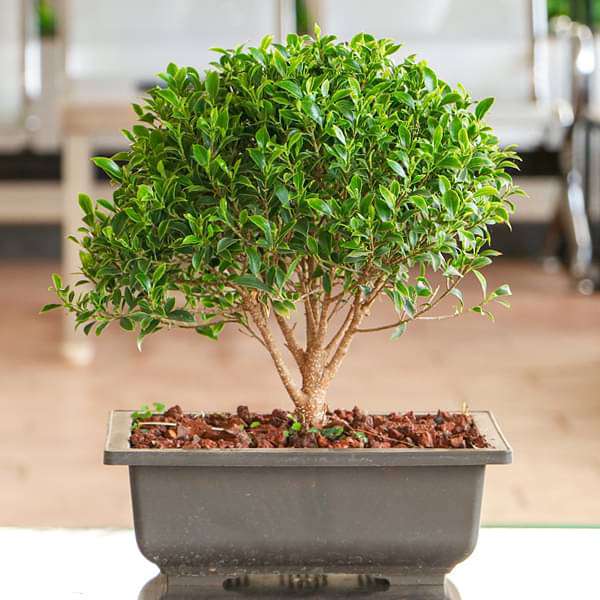
Ficus plants are a popular choice for bonsai due to their interesting shapes and textures. In this article, we will explore the best ficus plants for bonsai and provide advice on how to care for them.
Ficus plants can also be shaped into topiaries for a unique and artistic touch to your indoor or outdoor space. In this article, we will explore the best ficus plants for topiary and provide tips on how to shape them.
If you're looking for a natural and attractive way to create privacy in your outdoor space, consider planting ficus plants. In this article, we will explore the best ficus plants for privacy, including their growth habits and maintenance requirements.
Some ficus plants are edible and can be incorporated into your edible landscaping. In this article, we will explore the best ficus plants for edible landscaping and provide information on their culinary uses and
Ficus plants are known for their ability to purify the air by removing harmful toxins and pollutants. In this article, we will explore the best ficus plants for air purification and provide tips on how to care for them.
Ficus plants are a popular choice for office spaces due to their ability to purify the air and add a touch of greenery to the workspace. In this article, we will explore the best ficus plants for office spaces and provide tips on how to care for them.
Ficus plants are a popular choice for hotels and resorts due to their ability to add a touch of tropical beauty to the landscape. In this article, we will explore the best ficus plants for hotels and resorts and provide tips on how to care for them.
Ficus plants are a popular choice for wedding decor due to their unique texture and ability to add a natural and romantic touch to any venue. In this article, we will explore the best ficus plants for wedding decor and provide tips on how to incorporate them into your wedding design.
In Feng Shui, ficus plants are believed to bring prosperity and good luck to the home or office. In this article, we will explore the best ficus plants for Feng Shui and provide tips on how to care for them.
If you have limited space, you can still enjoy the beauty of ficus plants by choosing the right varieties that are well-suited for small spaces. In this article, we will explore the best ficus plants for small spaces and provide tips on how to care for them.
Although many ficus plants are tropical and not well-suited for cold climates, there are some varieties that provide winter interest with their evergreen foliage and interesting shapes. In this article, we will explore the best ficus plants for winter interest and provide tips on how to care for them.
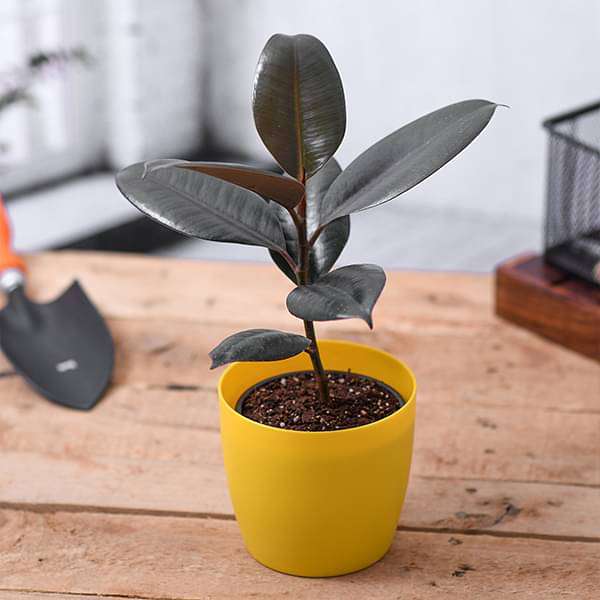
Ficus plants are a group of plants that belong to the fig family. They are known for their shiny leaves and can grow in a wide range of environments.
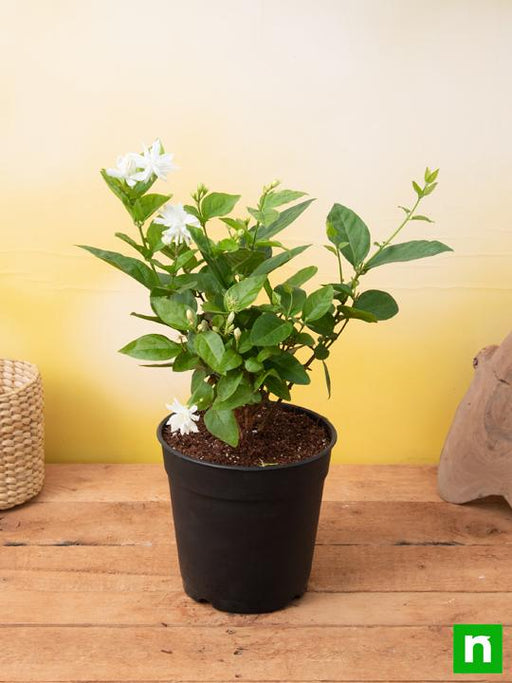
There are several Ficus plants that can be grown in India, such as Ficus microcarpa, Ficus benjamina, Ficus lyrata, and Ficus elastica.
Ficus plants should be planted in a location that receives full sun to partial shade, and the soil should be well-draining. Dig a hole twice as wide as the root ball, place the plant in the hole, backfill with soil, and water thoroughly.
Ficus plants prefer well-draining soil that is slightly acidic, with a pH level of 5.5 to 6.5.
Ficus plants require moderate watering, about once or twice a week, depending on the weather and soil conditions.
Ficus plants should be fertilized in the spring and summer, using a balanced fertilizer specifically formulated for Ficus plants.
Ficus plants require minimal pruning, but if necessary, prune during the winter months to shape the plant and remove any dead or diseased branches.
Yes, Ficus plants can grow in containers. However, make sure the container is large enough for the plant to grow, and use a well-draining potting mix.
Ficus plants can be propagated by cuttings or air layering. However, propagation by cuttings is the most common method.
Ficus plants may attract pests such as spider mites, whiteflies, and mealybugs. However, they are generally resistant to diseases.
Ficus plants can tolerate windy conditions but may require additional support during the initial stages of growth.
Ficus plants can live for several years to even decades, depending on the species and growing conditions.
Ficus plants can tolerate a wide range of temperatures, but some species may not tolerate extreme heat or cold.
Mulch around the base of the plant and wrap the plant with a frost cloth to protect it from cold winds and extreme temperatures.
Yellowing leaves on Ficus plants may be a sign of nutrient deficiency or water stress. Fertilize the plant and water regularly to resolve the issue.
Yes, Ficus plants can be grown indoors in bright, indirect light. However, make sure to keep the soil moist and provide adequate humidity.
Transplant Ficus plants during the spring or fall, when the plant is dormant. Dig a hole twice as wide as the root ball, carefully remove the plant from its container, place it in the hole, backfill with soil, and water thoroughly.
Prune any excess growth and train the plant to grow in a specific direction to prevent it from spreading too much.
Yes, Ficus plants are often used for landscaping due to their lush foliage and low maintenance requirements.
Consider the size, shape, and growth habit of the Ficus plant, as well as the climate and soil conditions in your area.
Water Ficus plants regularly during the summer months, and provide some shade if necessary to prevent the plant from drying out.
Yes, some Ficus plants can be grown in coastal areas, but they may require additional protection from salt spray and wind.
Provide adequate light and moisture to prevent Ficus plants from becoming too leggy. Prune any excess growth to maintain the plant's shape and encourage new growth.
Yes, Ficus plants are often used as hedges due to their dense foliage and easy maintenance.
Use a physical barrier or repellent spray to protect Ficus plants from animal damage, such as deer or rabbits.
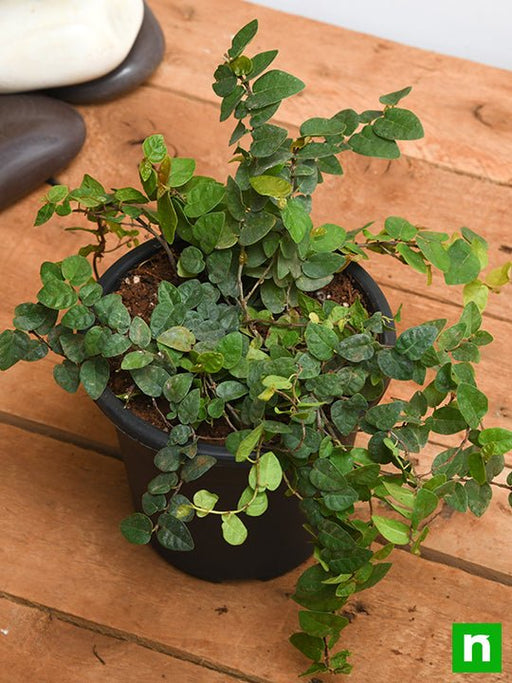
Yes, some Ficus plants are suitable for hanging baskets, such as Ficus pumila and Ficus radicans.
Water Ficus plants regularly during the winter months, and protect them from extreme temperatures and wind.
Yes, Ficus plants are known for their air-purifying properties and can help improve indoor air quality.
A healthy Ficus plant should have vibrant green leaves, and the leaves should be plump and not dry or brittle. The plant should also have a strong root system and be free of any pests or diseases.
Leaf drop on Ficus plants may be a sign of overwatering, underwatering, or environmental stress. Adjust the watering schedule and provide adequate humidity to resolve the issue.