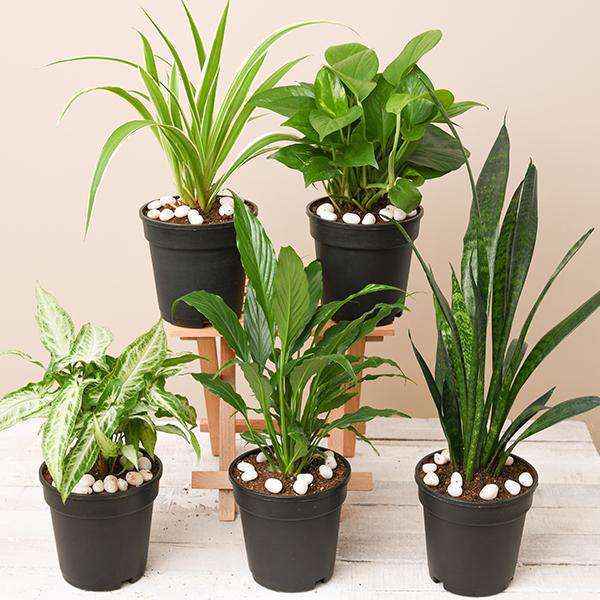
Not recd as per Picture on Website
Available 24/7
Available 24/7
Save up to 15%
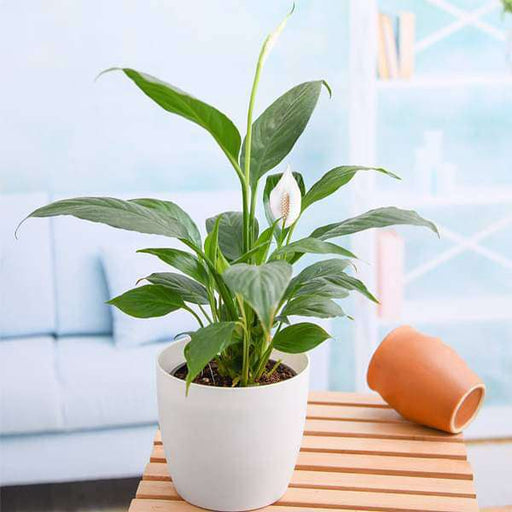
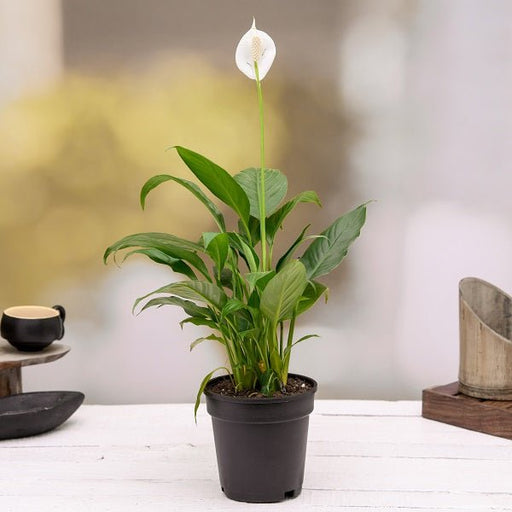
Peace Lily, Spathiphyllum - Plant The Peace Lily, scientifically known as Spathiphyllum, is a stunning houseplant celebrated for its elegant white...
View full details
Save 18%
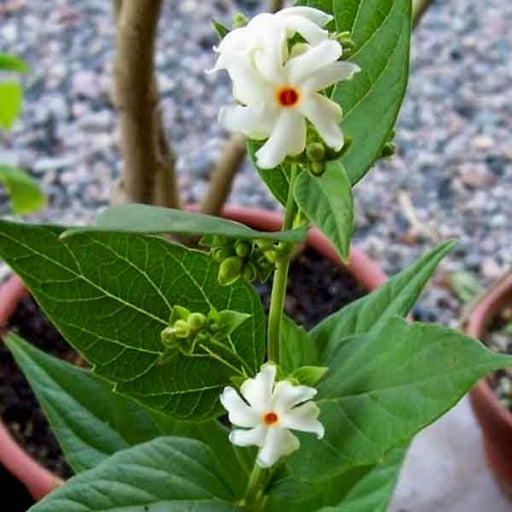
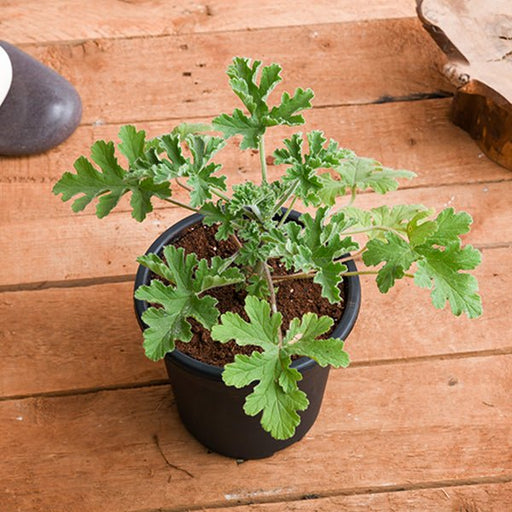
Combo Constituents Includes the Parijat Tree (Night-Flowering Jasmine), a culturally significant plant with fragrant flowers. Description The Pari...
View full details
Save 25%
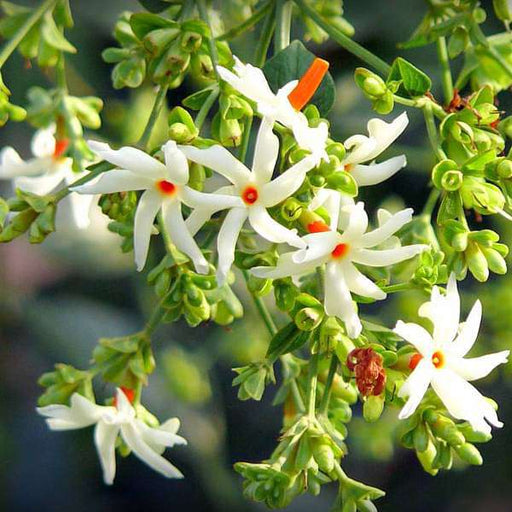
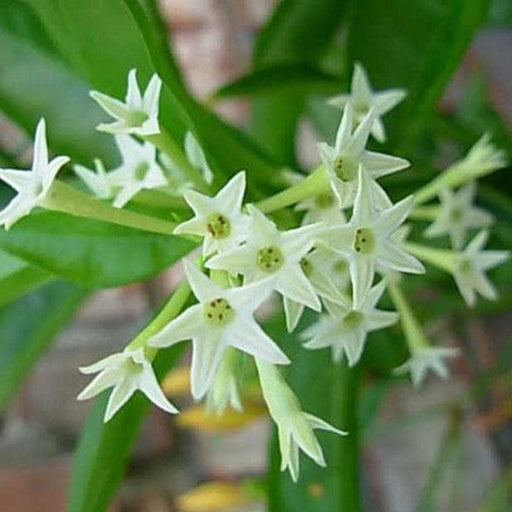
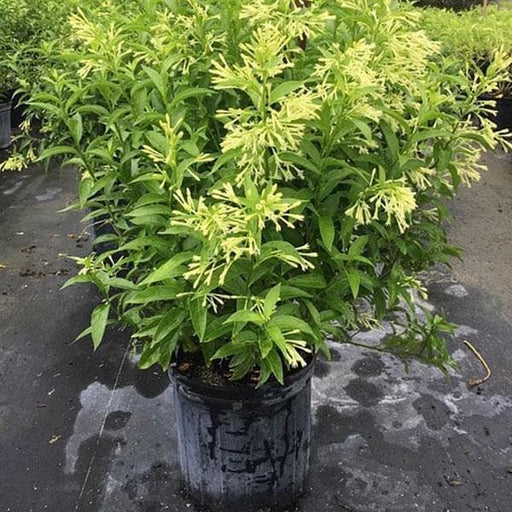
Description Raat Ki Rani (*Cestrum nocturnum*), also known as Night Blooming Jasmine, is a fragrant shrub native to the Caribbean and Central Ameri...
View full details
Save 25%
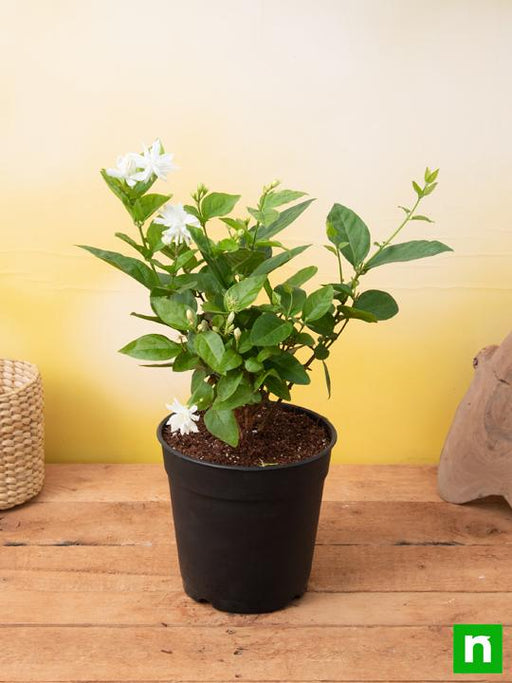
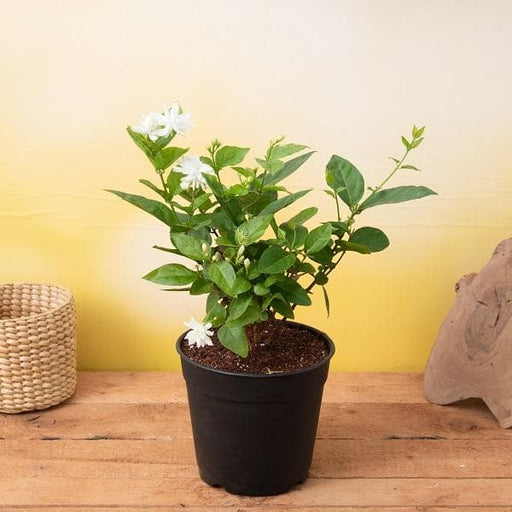
Jasminum sambac, Mogra, Arabian Jasmine - Plant Jasminum sambac, commonly known as Mogra or Arabian Jasmine, is a fragrant flowering plant...
View full details
Save 17%
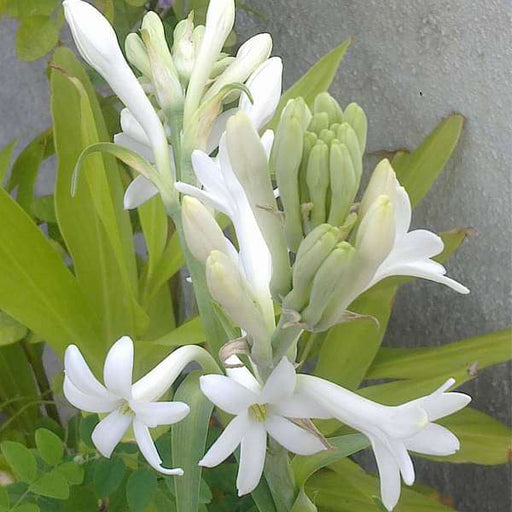
Rajnigandha, Tuberose - Plant The Rajnigandha, scientifically known as Polianthes tuberosa, is a captivating perennial plant renowned for ...
View full details
Sold out
Citronella, Odomas - Plant The Citronella plant, scientifically known as Cymbopogon nardus, is a tropical grass renowned for its aromatic ...
View full details
Save 25%
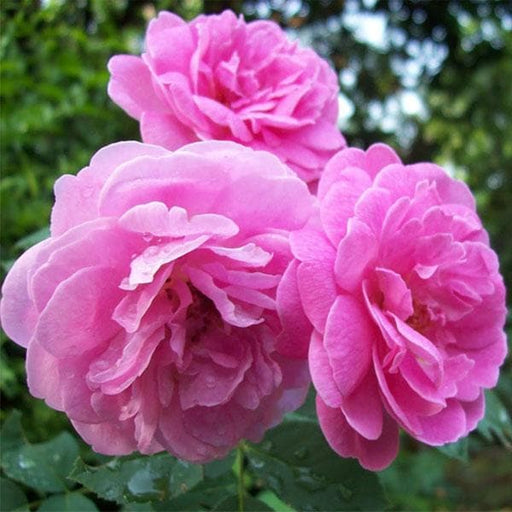
Damascus Rose, Scented Rose (Any Color) - Plant The Damascus Rose, also known as Rosa damascena, is a timeless symbol of beauty and romanc...
View full details
Save 35%
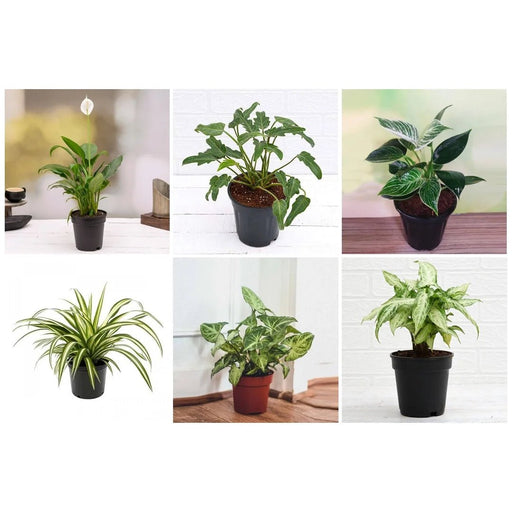
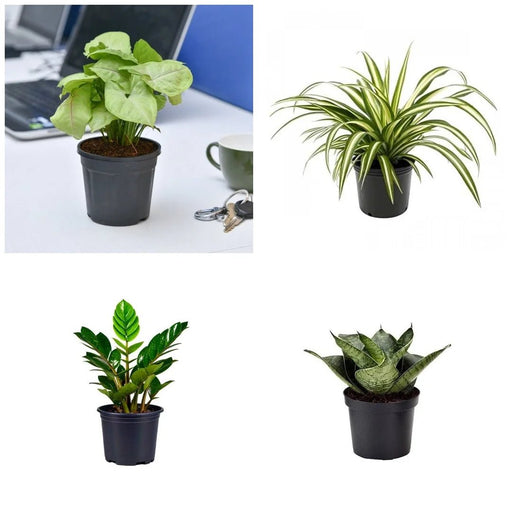
Best 6 Plants for Perfect Indoor Garden Transform your living space into a lush oasis with our curated collection of the Best 6 Plants for a...
View full details
Save up to 50%
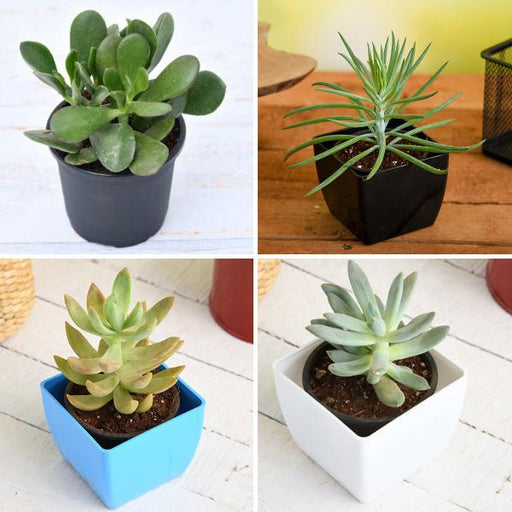
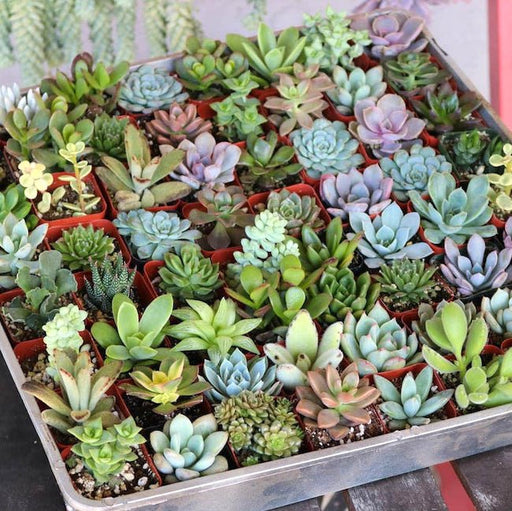
Mini Succulent Garden Pack Transform your space with our Mini Succulent Garden Pack, featuring a delightful collection of 4 any variety beautiful s...
View full details
Save 30%
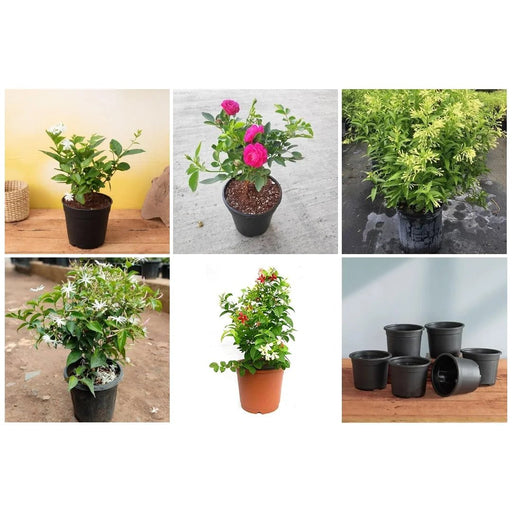
5 Best Fragrant Plants Transform your garden or indoor space into a fragrant paradise with our curated selection of the 5 Best Fragrant Plants. Th...
View full details
Save 24%
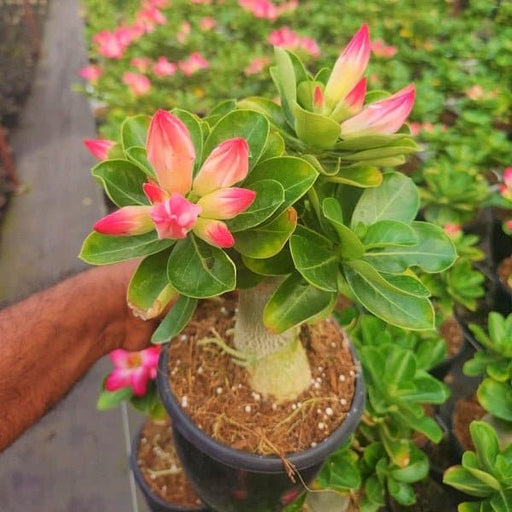
Set of 2 Bonsai Looking Grafted Adeniums Transform your indoor or outdoor space with our exquisite Set of 2 Bonsai Looking Grafted Adenium...
View full details
Save 45%
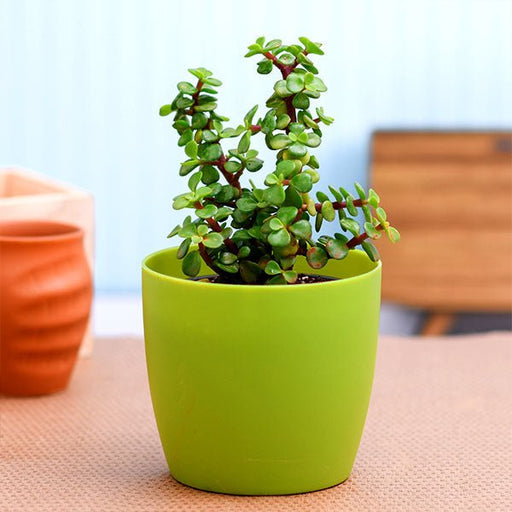
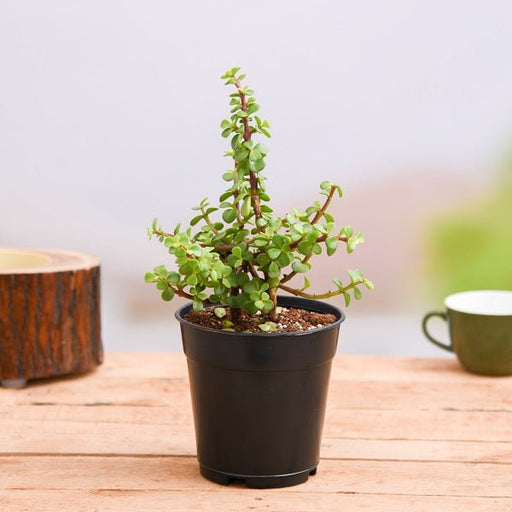
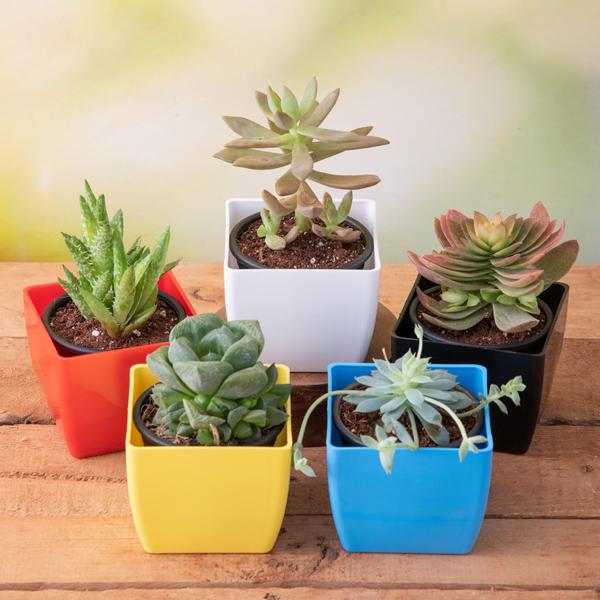
Top 4 Die Hard Succulents Pack Transform your indoor or outdoor space with our Top 4 Die Hard Succulents Pack, featuring a curated selecti...
View full details
Save 30%
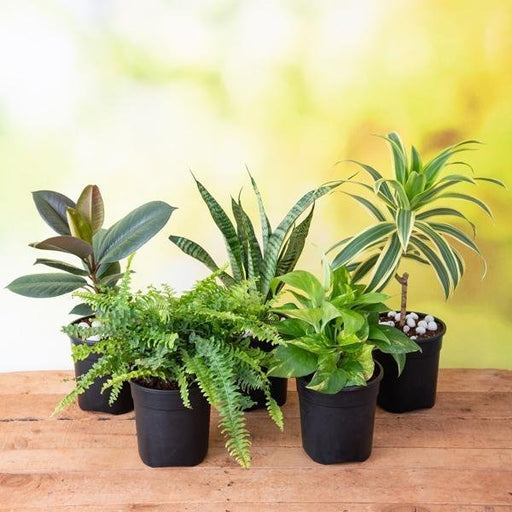
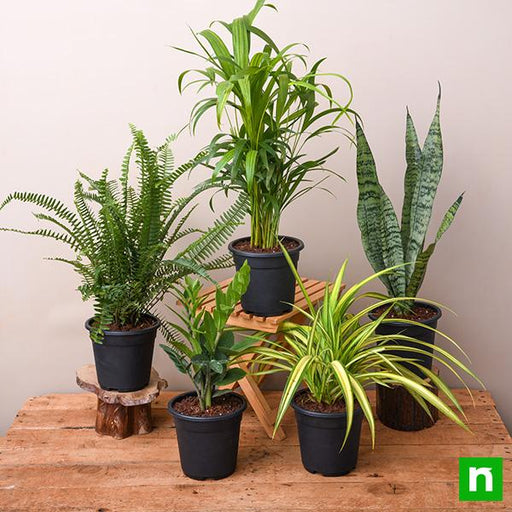
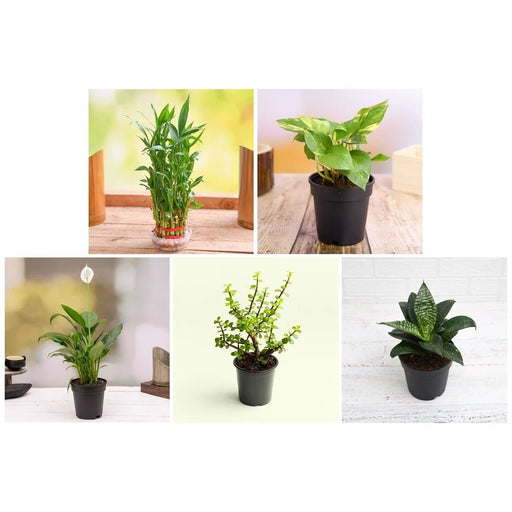
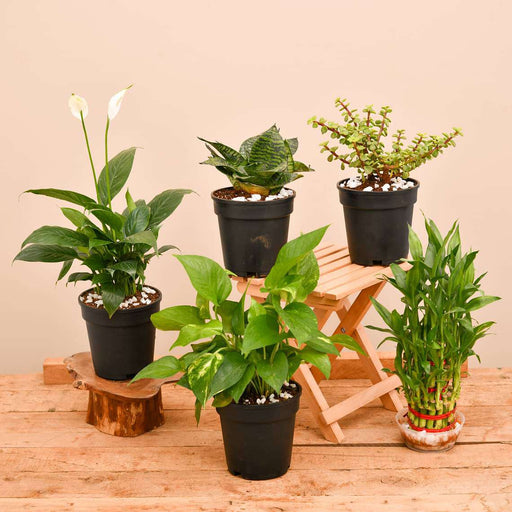
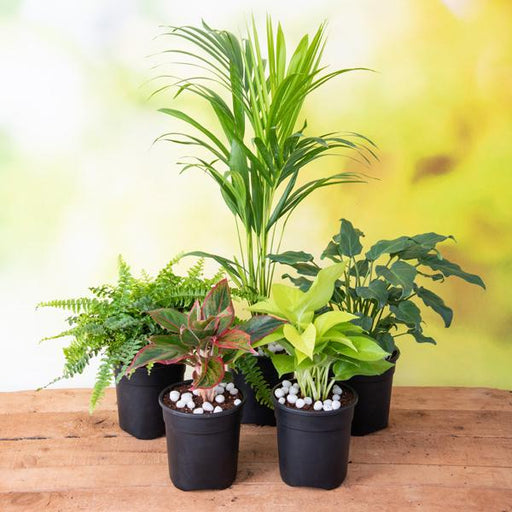
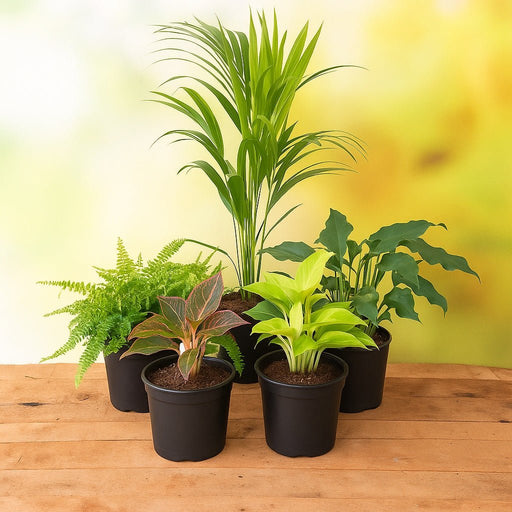
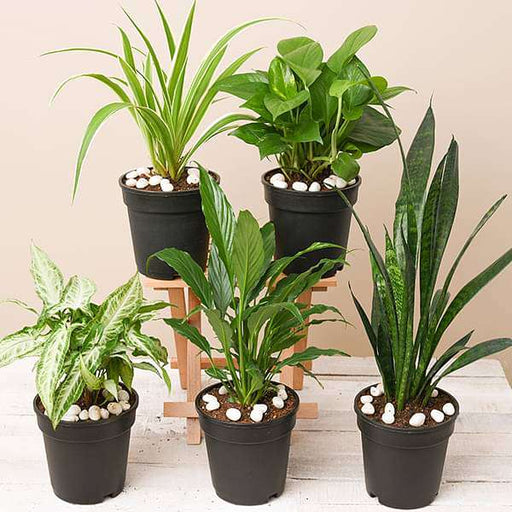
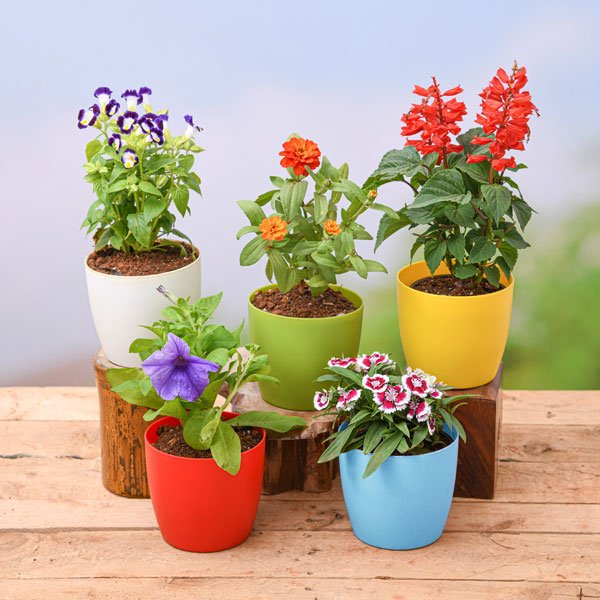
5 Best Indoor Plants Pack Transform your living space into a lush oasis with our '5 Best Indoor Plants Pack.' This carefully curated collection fe...
View full details
Save 25%
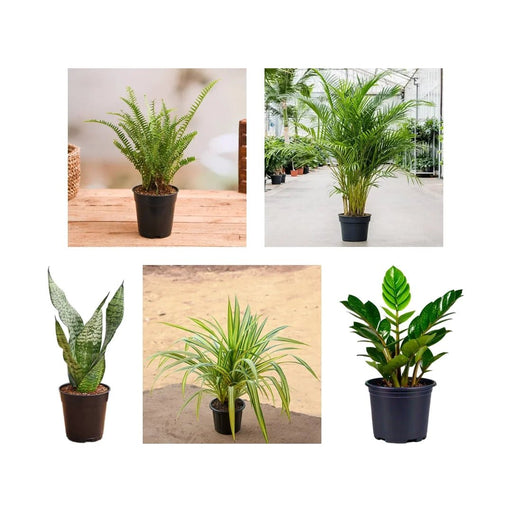
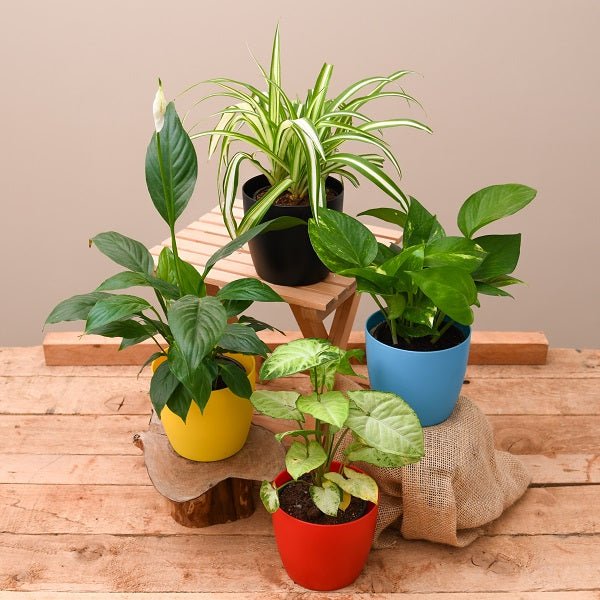
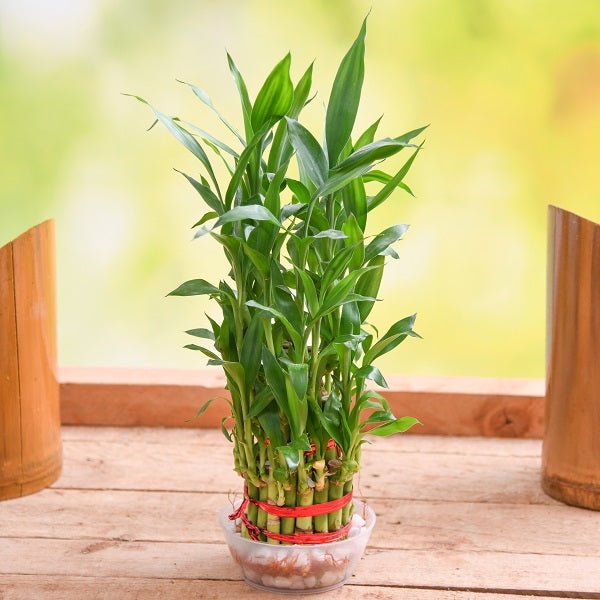
Set of 4 Evergreen Air Purifier Plant Pack Transform your indoor space into a lush, green oasis with our Set of 4 Evergreen Air Purifier Pla...
View full detailsExplore the fascinating world of desert plants, a collection that showcases nature's resilience and beauty. These hardy species have adapted to thrive in arid environments, making them perfect for low-maintenance gardens and indoor spaces. From striking succulents to vibrant cacti, our selection offers a variety of textures and colors that will enhance any landscape.
What makes desert plants special is their ability to conserve water and withstand extreme temperatures. Many of these plants have evolved unique features, such as thick, fleshy leaves and spines, to protect themselves from herbivores and harsh conditions. By incorporating desert plants into your home or garden, you not only beautify your space but also contribute to sustainable gardening practices.
Growing desert plants is a rewarding experience that requires minimal effort. These plants are not only drought-tolerant but also attract pollinators, making them an excellent choice for eco-friendly gardening. Whether you're a seasoned gardener or a beginner, our collection provides the perfect opportunity to embrace the beauty of the desert.
Desert plants belong to various families, including Cactaceae (cacti) and Crassulaceae (succulents). These plants have developed specialized adaptations, such as CAM (Crassulacean Acid Metabolism) photosynthesis, which allows them to open their stomata at night to minimize water loss. Historically, indigenous cultures have utilized these plants for food, medicine, and shelter, showcasing their importance in human survival.
From an environmental perspective, desert plants play a crucial role in their ecosystems. They help prevent soil erosion, provide habitat for wildlife, and contribute to carbon sequestration. By choosing desert plants for your garden, you support biodiversity and promote a healthier environment, making a positive impact on our planet.
Cacti are the quintessential desert plant known for their distinctive shapes, prickly spines, and bright flowers. These plants are built to withstand harsh, dry environments and can live for decades or even centuries. Cacti come in a variety of sizes and shapes, from the towering saguaro to the tiny ball-shaped mammillaria. Some popular species include the golden barrel cactus, hedgehog cactus, and Christmas cactus.
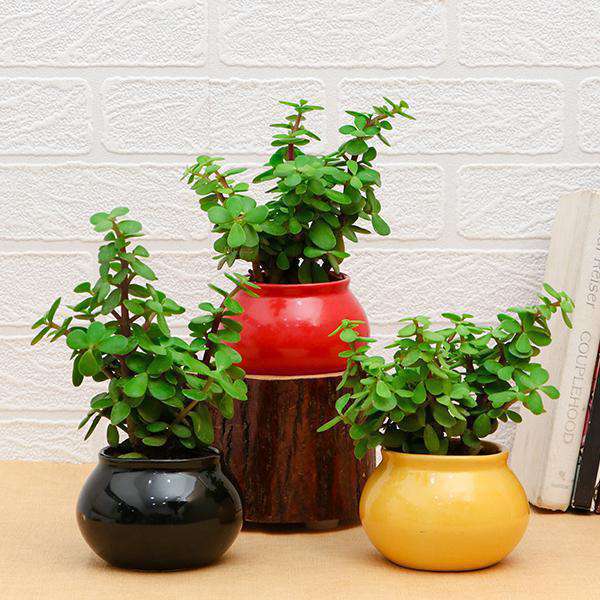
Succulents are a diverse group of plants that store water in their leaves or stems, making them perfect for dry environments. They come in a wide range of shapes and sizes, from the tiny haworthia to the massive agave. Some popular succulent species include the echeveria, sedum, and jade plant.
Agaves are large, dramatic plants that are perfect for adding a touch of the desert to your garden. They are characterized by their rosettes of spiky leaves and tall flower stalks. Agaves are drought-tolerant and require minimal care once established. Some popular species include the blue agave, century plant, and foxtail agave.
Yuccas are another group of plants known for their striking foliage and tall flower spikes. They are often mistaken for agaves due to their similar appearance. Yuccas are native to the Americas and are well-adapted to arid environments. Some popular species include the Joshua tree, Spanish bayonet, and banana yucca.
The Joshua tree is an iconic desert plant that is native to the southwestern United States. It is characterized by its spiky leaves and unique shape, which inspired its name. Joshua trees can live for centuries and are an important part of the desert ecosystem. They are often used as a symbol of the American Southwest.
Despite the harsh conditions of the desert, there are many beautiful flowers that thrive in these environments. Some popular desert flowers include the desert marigold, sand verbena, and desert bluebells. These plants are adapted to the extreme heat and dryness of the desert and can add a splash of color to your garden.
Desert shrubs are an important part of the desert ecosystem, providing food and shelter for a variety of animals. Some common desert shrubs include the creosote bush, saltbush, and cholla. These plants are often spiky and tough, making them well-adapted to their environment.
Desert trees are often characterized by their deep roots and small leaves, which help them conserve water. Some popular desert trees include the palo verde, ironwood, and mesquite. These trees are often used in landscaping to add height and shade to a garden.
Desert plants have been used for medicinal purposes for centuries. Some commonly used desert medicinal plants include the prickly pear cactus, desert lavender, and desert sage. These plants are known for their healing properties and are often used in traditional medicine.
In addition to their medicinal properties, some desert plants are also edible. Some popular desert edible plants include the jojoba, mesquite, and agave. These plants are often used in cooking and can be a sustainable source of food in arid regions.
Drought tolerant plants are able to survive in low-water environments, making them a great choice for desert landscapes. Some popular drought tolerant plants include Lavender, Sage, and Rosemary.
Xeriscaping is a landscaping technique that uses drought-tolerant plants and other water-saving strategies to create a beautiful and sustainable garden. This technique is especially popular in arid regions, where water is a precious resource. Xeriscaped gardens can be just as beautiful and colorful as traditional gardens, while requiring less water and maintenance.
Desert plants have a variety of adaptations that allow them to survive in harsh environments. Some common adaptations include succulent leaves, deep roots, and spiky foliage. These adaptations help desert plants conserve water and protect themselves from predators.
Desert landscaping is a popular trend in arid regions, where traditional landscaping techniques may not be sustainable. Desert landscaping often incorporates drought-tolerant plants, rock gardens, and other water-saving features. This type of landscaping can be both beautiful and environmentally friendly.
The desert climate is characterized by hot, dry weather with little rainfall. This climate can be challenging for plants and animals, but many species have evolved to thrive in these conditions. Understanding the unique challenges of the desert climate is important when choosing plants for a desert garden.
Drought-resistant plants are able to survive in low-water environments, making them a great choice for desert gardens. Some popular drought-resistant plants include agaves, aloes, and yuccas. These plants have adapted to the desert climate and can thrive with minimal watering.
Desert soil is often sandy or rocky and may be low in nutrients. This can make it challenging to grow plants, but there are many species that are well-adapted to these conditions. Adding organic matter and other soil amendments can help improve the quality of desert soil.
The desert is a unique and fragile ecosystem that is home to a variety of plant and animal species. Conservation efforts are important for protecting these habitats and preserving the biodiversity of the region. Using sustainable landscaping techniques, supporting conservation organizations, and reducing water usage are all ways to support desert conservation.
The desert is home to a variety of wildlife, including snakes, lizards, birds, and mammals. Many of these species rely on desert plants for food and shelter. Creating a desert garden can provide habitat for these animals and support local biodiversity.
Designing a desert garden can be a fun and rewarding project. Incorporating different plant textures and colors, using rock and gravel accents, and incorporating water-saving features are all important considerations. By carefully selecting plants and creating a sustainable design, you can create a beautiful desert garden that requires minimal maintenance.
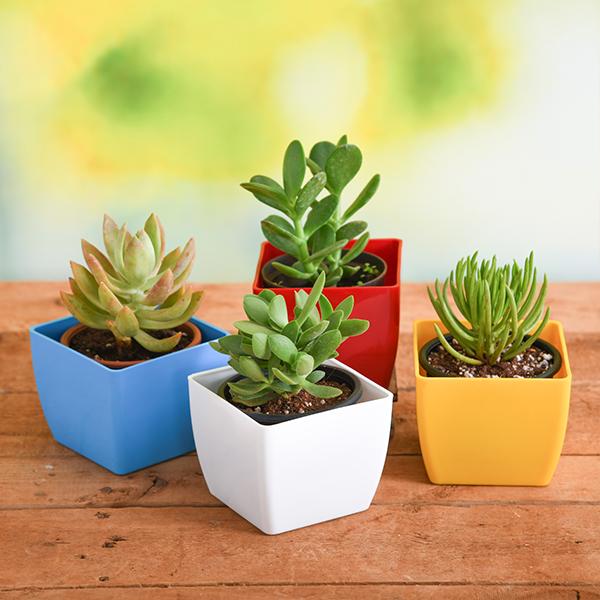
Desert plants are a group of plants that have adapted to survive in arid and hot desert environments.
Desert plants have developed specialized adaptations such as thick waxy leaves, spines, or hairy coverings that help to conserve water and protect them from extreme temperatures.
Most desert plants have long roots that reach deep underground to access the water table. Some also have the ability to store water in their stems and leaves.
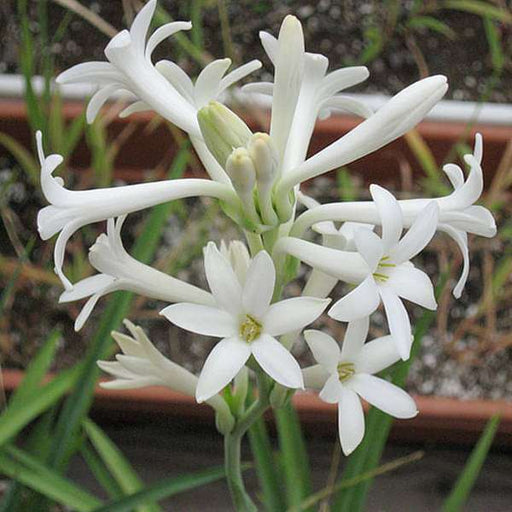
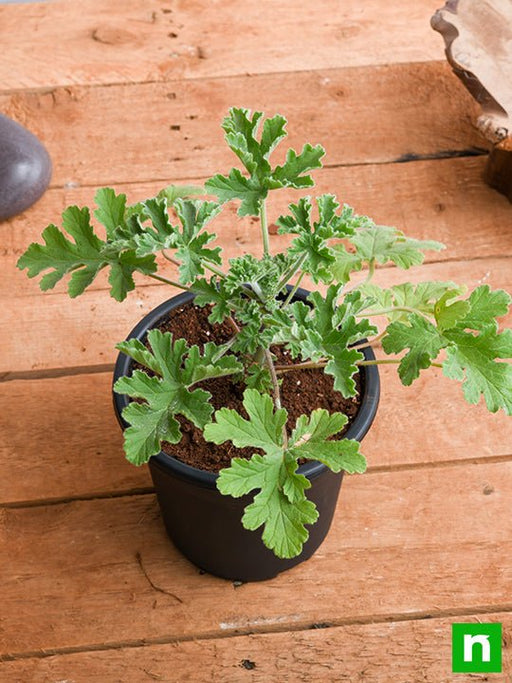
No, not all desert plants have spines. Some have thick leaves or hairy coverings instead, while others have no visible adaptations.
Yes, many desert plants can be grown indoors as long as they are provided with adequate sunlight and soil drainage.
Most desert plants do not require fertilizer as they are adapted to nutrient-poor soils. However, some may benefit from occasional feeding with a low-nitrogen fertilizer.
It's best to let the soil dry out completely before watering again. This can vary depending on the plant, but most desert plants only need to be watered every few weeks or even months.
It's best to plant desert plants in well-draining soil that mimics their natural habitat. Adding sand or gravel to regular soil can improve drainage.
Desert plants such as Aloe Vera, Jojoba, and Creosote Bush have been used for centuries for their medicinal properties. They can be used to treat skin irritations, digestive issues, and more.
Yes, many desert plants are used for landscaping due to their unique appearance and low maintenance requirements.
The Saguaro Cactus is the largest desert plant and can grow up to 60 feet tall.
The Pygmy Date Palm is one of the smallest desert plants and typically grows to about 6-10 feet tall.
Yes, some desert plants such as the Joshua Tree and the Desert Ironwood are considered endangered due to habitat loss and other factors.
Yes, some desert plants such as the Prickly Pear Cactus and the Mesquite Tree have edible parts that can be used for food and drink.
No, not all desert plants bloom. Some have no visible flowers, while others only bloom under certain conditions.
Many desert plants can be propagated through stem cuttings, seed germination, or division.
Yes, but it's important to use caution as many desert plants have sharp spines or needles. Wear protective clothing and use a sharp, clean tool.
Yes, some desert plants such as the Jimsonweed and the Desert Rose are poisonous and should be handled with care.
This can vary depending on the plant, but many desert plants can live for decades or even centuries.
Yes, many desert plants can be grown in containers as long as they are provided with adequate drainage and soil.
Common pests and diseases that affect desert plants include spider mites, mealybugs, scale insects, aphids, and whiteflies. These pests can cause stunted growth, leaf damage, and even death if left untreated.