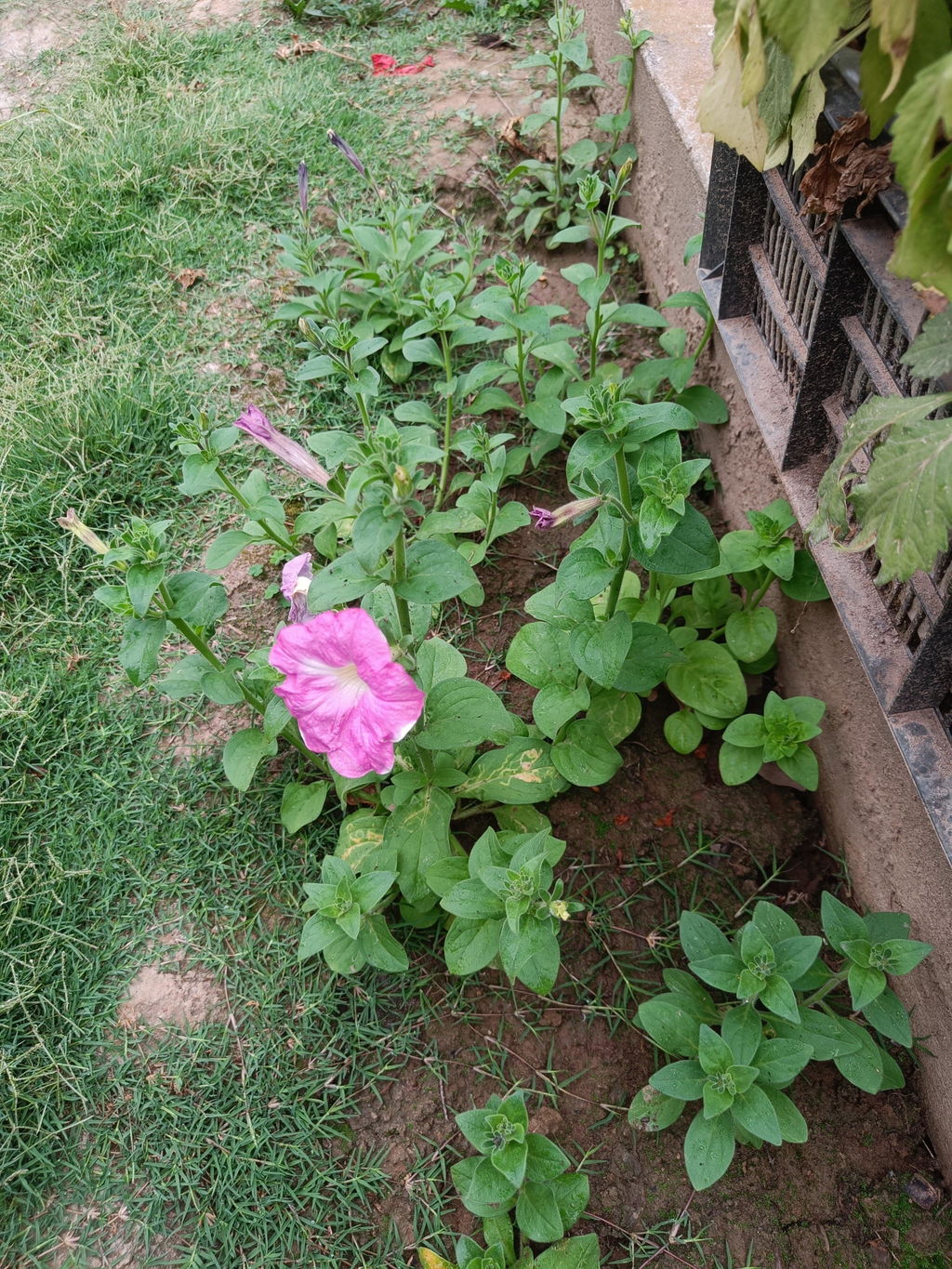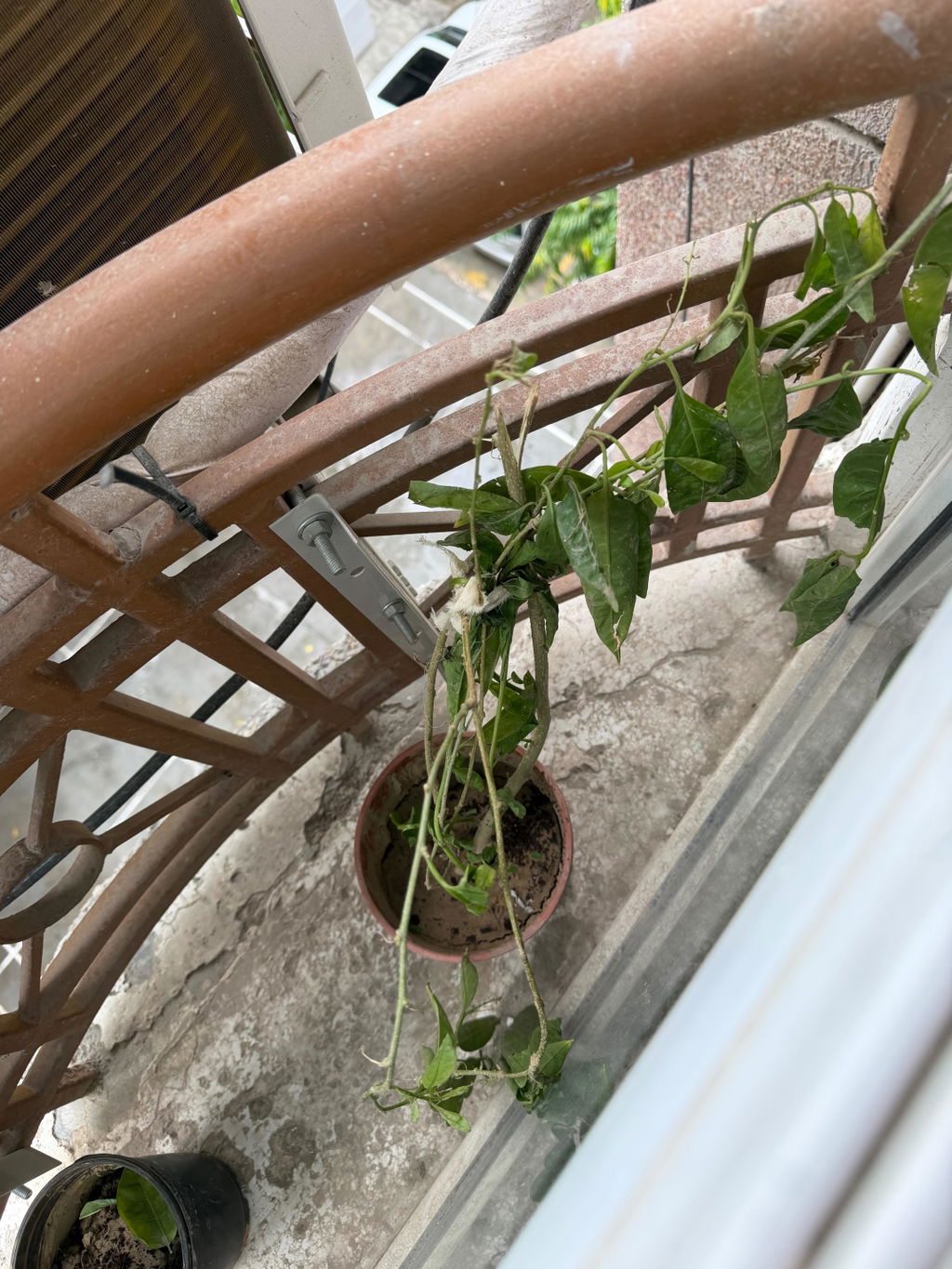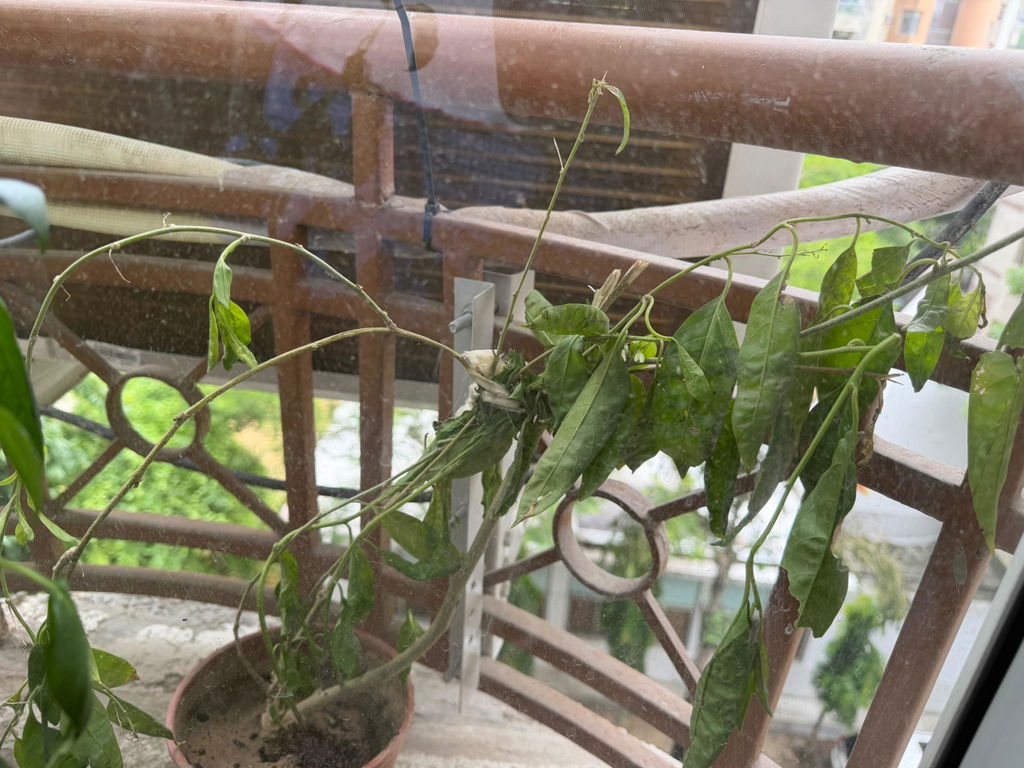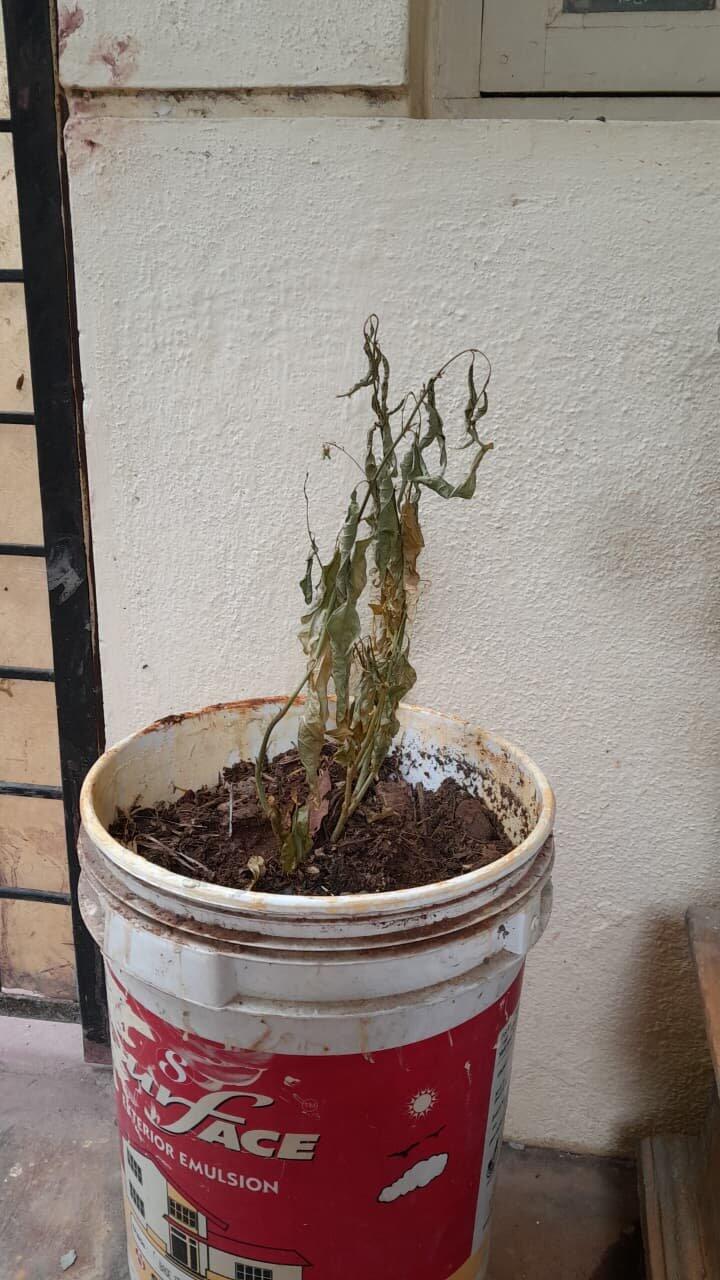

Not recd as per Picture on Website
Available 24/7
Available 24/7
Save up to 15%
Peace Lily, Spathiphyllum - Plant The Peace Lily, scientifically known as Spathiphyllum, is a stunning houseplant celebrated for its elegant white...
View full details
Save 18%
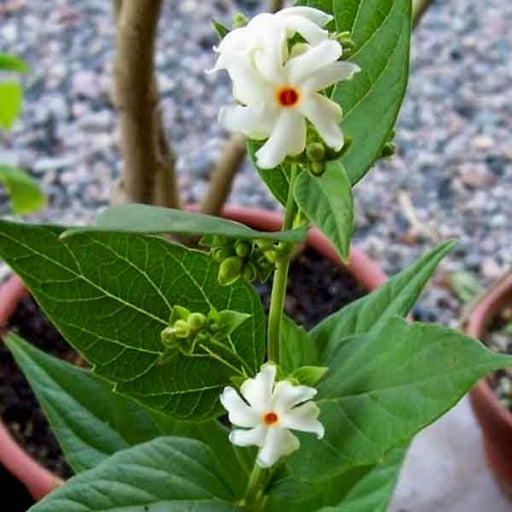
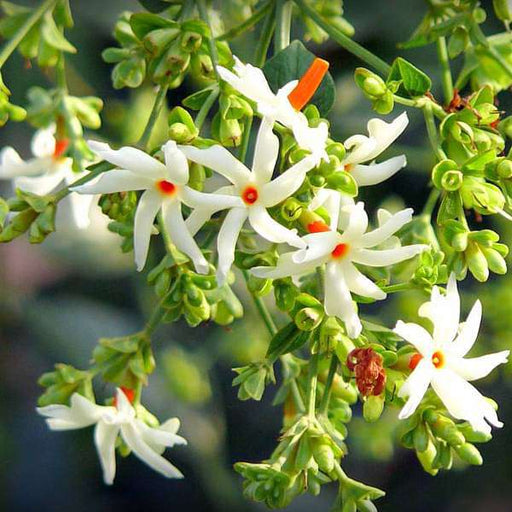
Combo Constituents Includes the Parijat Tree (Night-Flowering Jasmine), a culturally significant plant with fragrant flowers. Description The Pari...
View full details
Save 25%
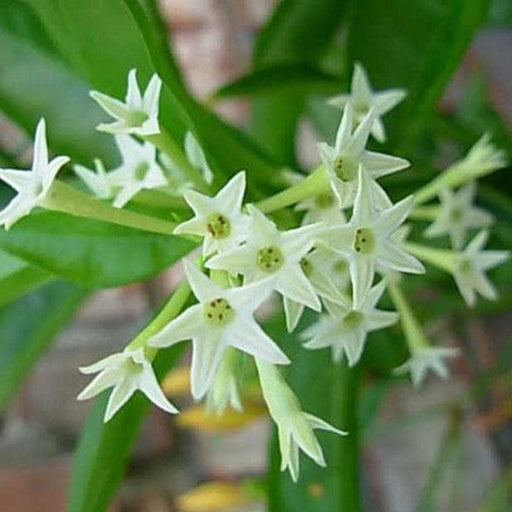
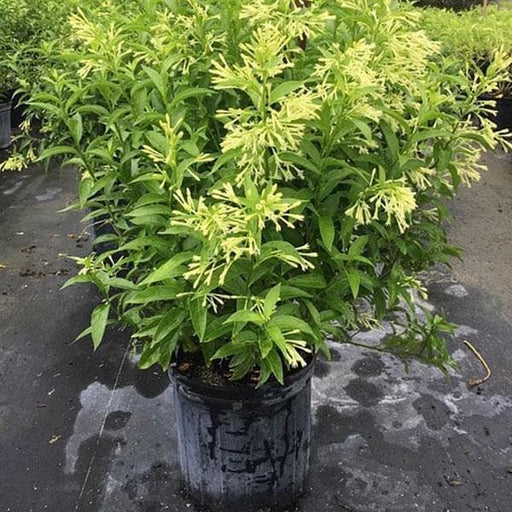
Description Raat Ki Rani (*Cestrum nocturnum*), also known as Night Blooming Jasmine, is a fragrant shrub native to the Caribbean and Central Ameri...
View full details
Save 25%
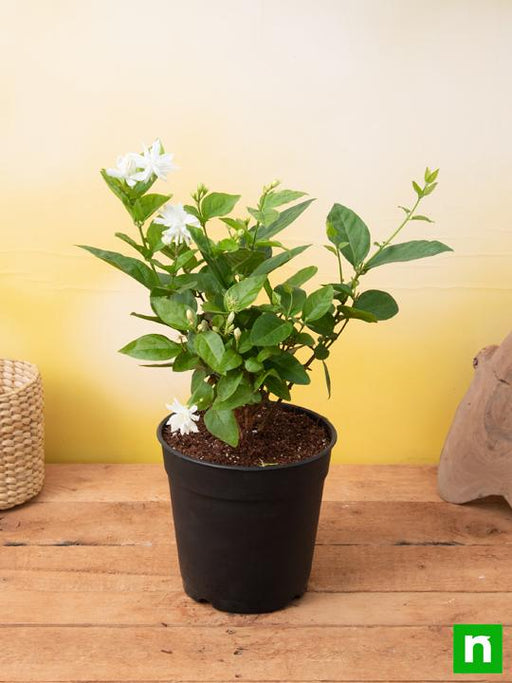
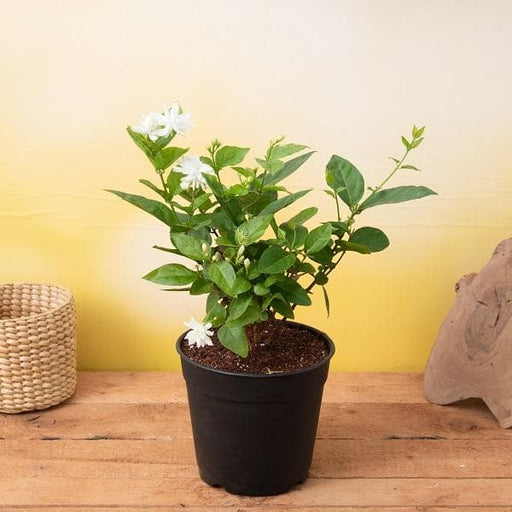
Jasminum sambac, Mogra, Arabian Jasmine - Plant Jasminum sambac, commonly known as Mogra or Arabian Jasmine, is a fragrant flowering plant...
View full details
Save 17%
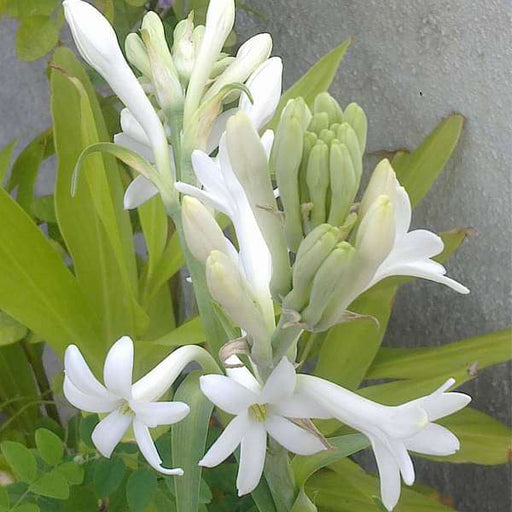
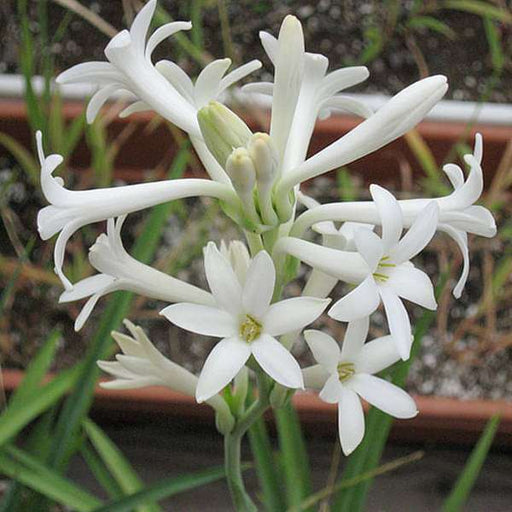
Rajnigandha, Tuberose - Plant The Rajnigandha, scientifically known as Polianthes tuberosa, is a captivating perennial plant renowned for ...
View full details
Sold out
Citronella, Odomas - Plant The Citronella plant, scientifically known as Cymbopogon nardus, is a tropical grass renowned for its aromatic ...
View full details
Save 25%
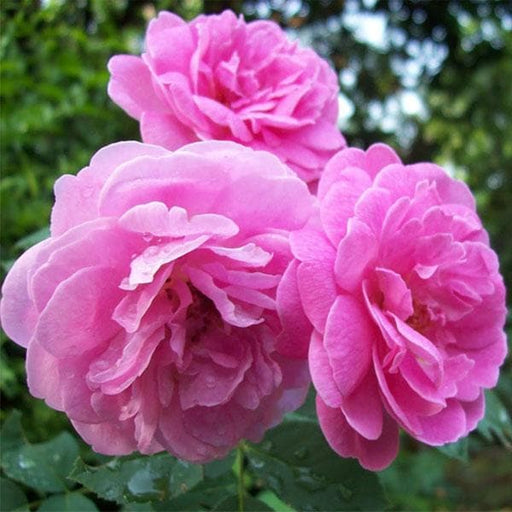
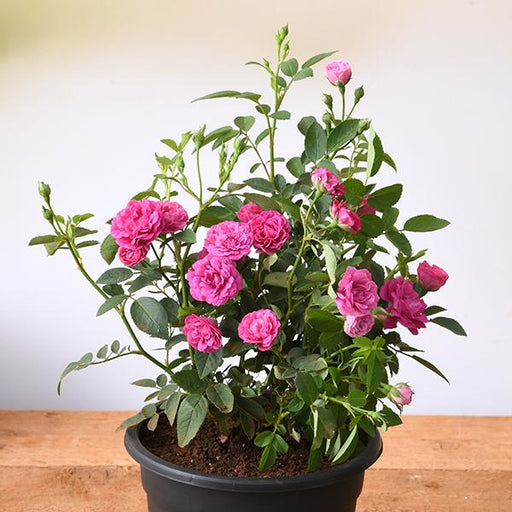
Damascus Rose, Scented Rose (Any Color) - Plant The Damascus Rose, also known as Rosa damascena, is a timeless symbol of beauty and romanc...
View full details
Save 35%
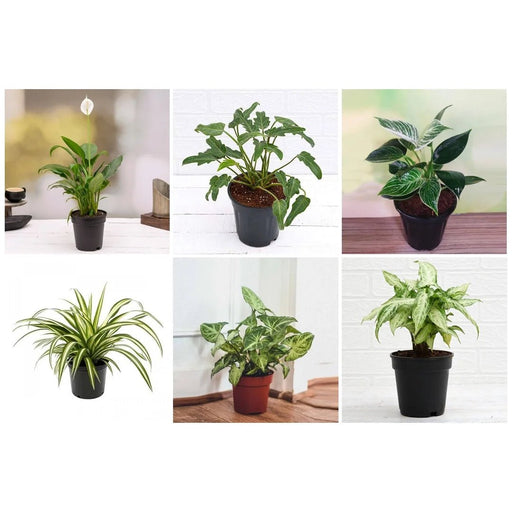
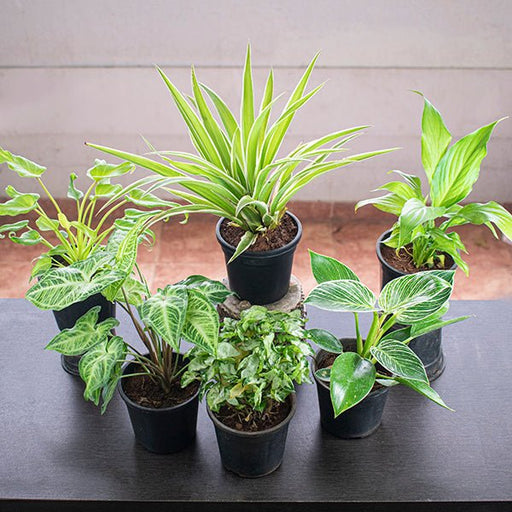
Best 6 Plants for Perfect Indoor Garden Transform your living space into a lush oasis with our curated collection of the Best 6 Plants for a...
View full details
Save up to 50%
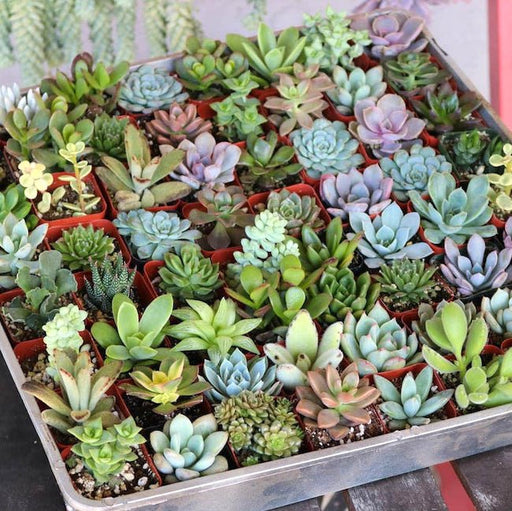
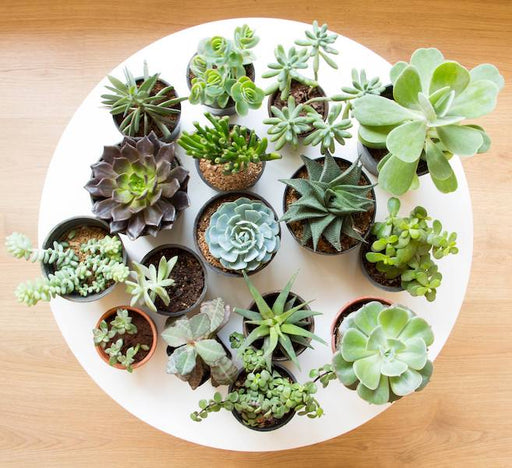
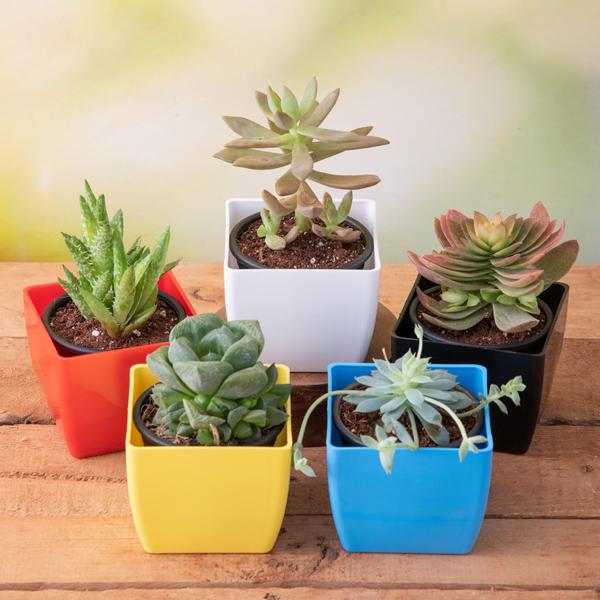
Mini Succulent Garden Pack Transform your space with our Mini Succulent Garden Pack, featuring a delightful collection of 4 any variety beautiful s...
View full details
Save 30%
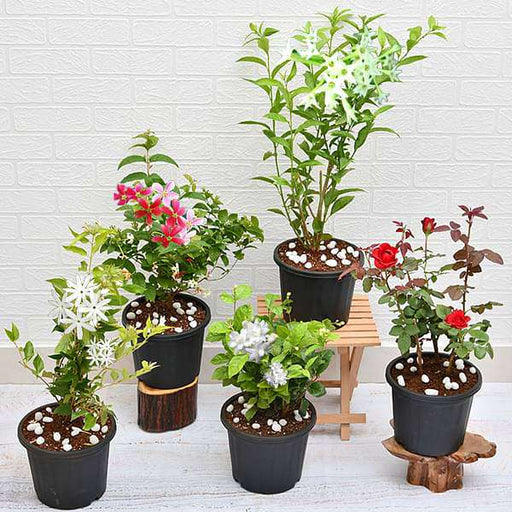
5 Best Fragrant Plants Transform your garden or indoor space into a fragrant paradise with our curated selection of the 5 Best Fragrant Plants. Th...
View full details
Save 24%
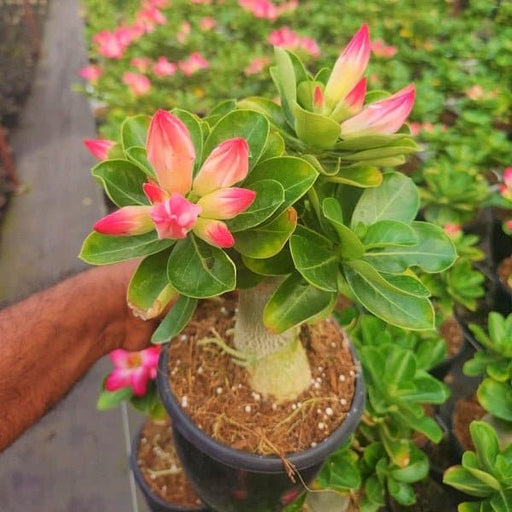
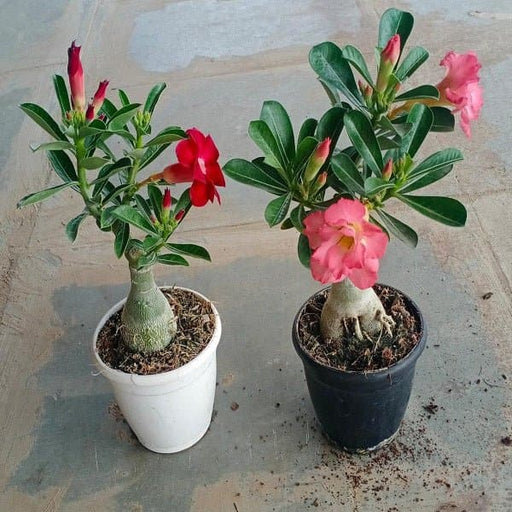
Set of 2 Bonsai Looking Grafted Adeniums Transform your indoor or outdoor space with our exquisite Set of 2 Bonsai Looking Grafted Adenium...
View full details
Save 45%
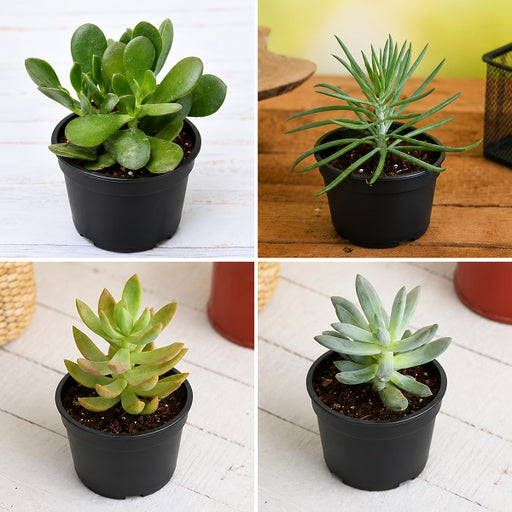
Top 4 Die Hard Succulents Pack Transform your indoor or outdoor space with our Top 4 Die Hard Succulents Pack, featuring a curated selecti...
View full details
Save 30%
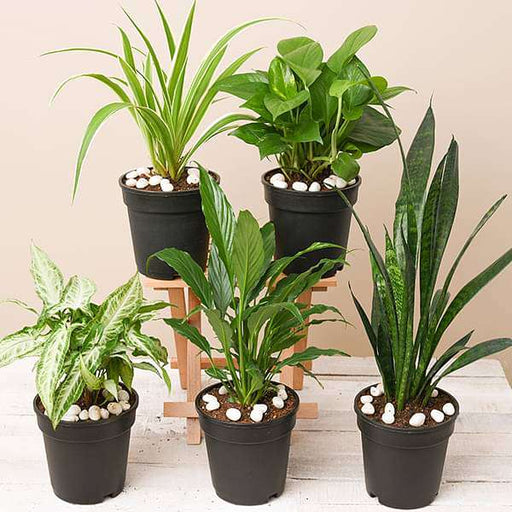
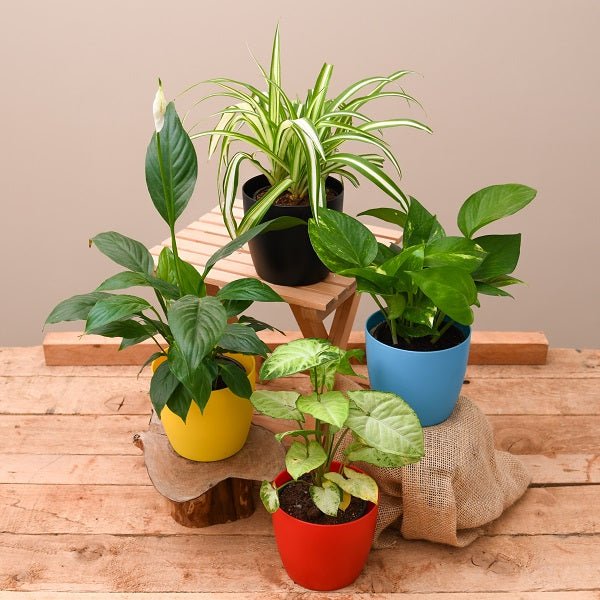
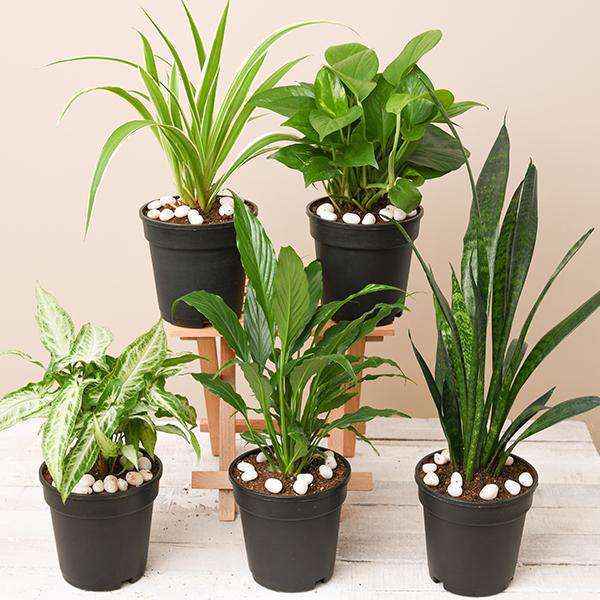
5 Best Indoor Plants Pack Transform your living space into a lush oasis with our '5 Best Indoor Plants Pack.' This carefully curated collection fe...
View full details
Save 25%
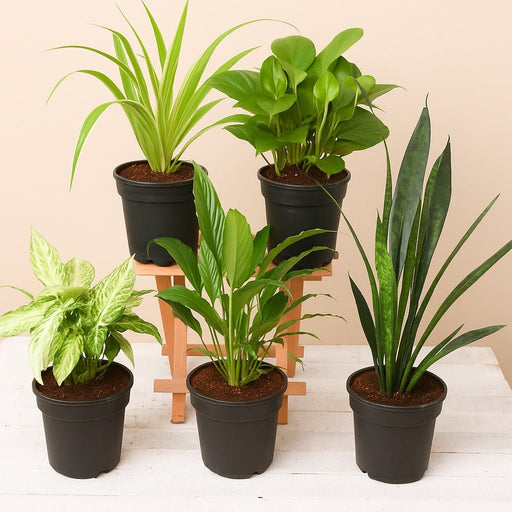
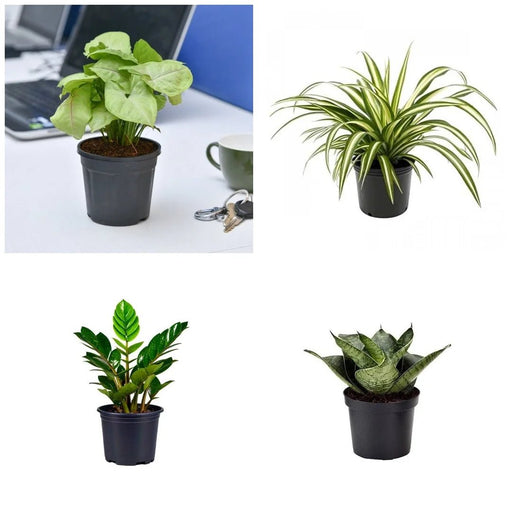
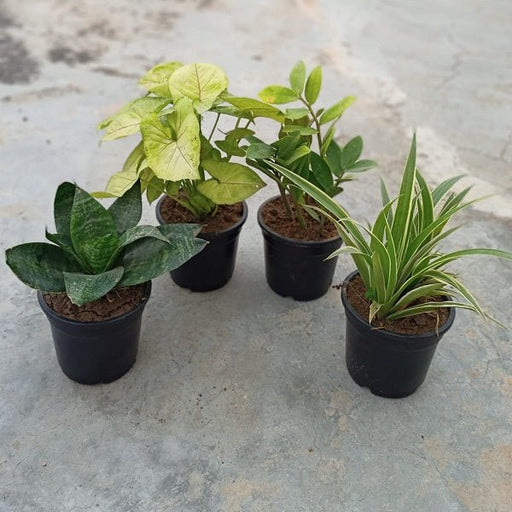
Set of 4 Evergreen Air Purifier Plant Pack Transform your indoor space into a lush, green oasis with our Set of 4 Evergreen Air Purifier Pla...
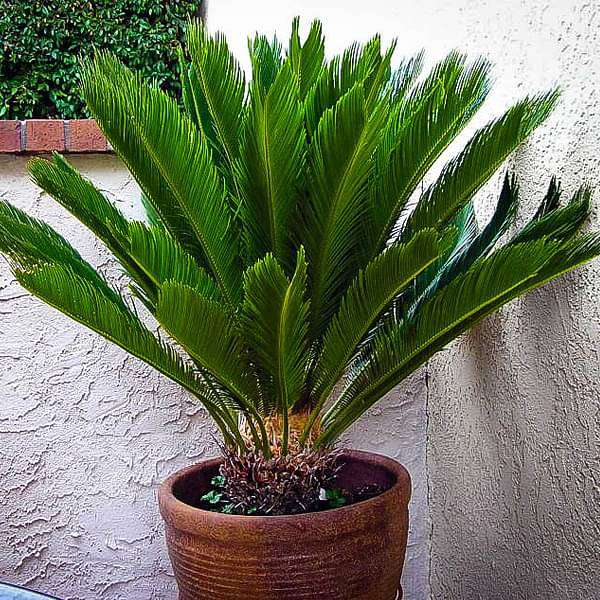
View full detailsDiscover the enchanting world of Cycad plants, a unique group of ancient seed plants that have been around for over 300 million years. Known for their striking foliage and robust structure, these plants are often mistaken for palms but belong to a distinct family. Our curated collection features a variety of Cycad species, each offering a touch of prehistoric elegance to your garden or indoor space.
What makes Cycad plants special is their resilience and adaptability. They thrive in diverse environments, from arid deserts to tropical rainforests. With their stunning fronds and unique growth patterns, they serve as a conversation starter and a focal point in any landscape. Whether you're a seasoned gardener or a beginner, Cycads are a rewarding addition to your plant collection.
Growing Cycad plants is a fulfilling experience, as they require minimal maintenance once established. Their slow growth rate means they can be enjoyed for generations, making them a sustainable choice for eco-conscious gardeners. Explore our collection and find the perfect Cycad to enhance your green space.
Cycads belong to the division Cycadophyta and are characterized by their large, compound leaves and stout trunks. They are gymnosperms, meaning they produce seeds that are not enclosed in an ovary. With around 300 species worldwide, Cycads are primarily found in tropical and subtropical regions, showcasing their adaptability to various climates.
Historically, Cycads were abundant during the Mesozoic era, often referred to as the "Age of Cycads." They coexisted with dinosaurs and were a significant part of the prehistoric landscape. Today, many Cycad species are endangered due to habitat loss and over-collection, making conservation efforts crucial for their survival.
Cycads play a vital role in their ecosystems, providing habitat and food for various wildlife species. Their ability to thrive in poor soils makes them excellent candidates for soil stabilization and erosion control. By incorporating Cycad plants into your landscape, you contribute to biodiversity and support the preservation of these ancient plants.
Cycads are fascinating plants that can live for hundreds of years, but they require special care to thrive. In this article, we will discuss everything you need to know about taking care of your cycad plants, including watering, fertilizing, and pruning.
If you're looking to add some unique and exotic plants to your collection, cycads are an excellent choice. There are many different species and varieties to choose from, and they are available for sale at nurseries and online plant stores.
With their unusual appearance and prehistoric origins, cycads are easy to identify once you know what to look for. In this article, we will discuss the characteristics of cycad plants and how to identify different species.
While cycads are beautiful and fascinating plants, they are also toxic to humans and animals if ingested. In this article, we will discuss the toxicity of cycads and how to keep yourself and your pets safe around these plants.
Cycads have been around for millions of years and have adapted to survive in a variety of environments. In this article, we will discuss the adaptations that allow cycads to thrive in their native habitats and in cultivation.
Cycads can be propagated by seeds, offsets, and division. In this article, we will discuss the different methods of propagating cycad plants and how to ensure successful growth.
Cycads have been used for various purposes throughout history, including as food, medicine, and ornamental plants. In this article, we will discuss the different uses of cycad plants and their cultural significance.
There are over 300 species of cycad plants, each with its unique characteristics and growing requirements. In this article, we will discuss some of the most popular and interesting species of cycads.
Cycads have a unique anatomy that sets them apart from other plants. In this article, we will discuss the anatomy of cycad plants and how it contributes to their growth and survival.
Cycads have a long evolutionary history, dating back to the time of the dinosaurs. In this article, we will discuss the evolution of cycad plants and how they have adapted to changes in their environment over time.
Cycads reproduce through pollination, with male and female plants producing different types of cones. In this article, we will discuss the reproductive process of cycad plants and how it contributes to their genetic diversity.
Cycads have left behind a rich fossil record, providing insights into their evolutionary history and the ecosystems they inhabited. In this article, we will discuss some of the most important cycad fossils and what they tell us about these plants.
Cycad plants can be susceptible to various diseases, including fungal infections and insect infestations. In this article, we will discuss some of the most common diseases that affect cycad plants and how to prevent and treat them.
Cycads are an important component of biodiversity, providing habitats for a variety of insects and animals. In this article, we will discuss the role of cycad plants in maintaining biodiversity and how to promote their conservation.
Cycads are found in a variety of habitats, from rainforests to deserts. In this article, we will discuss the different types of habitats where cycad plants grow and how to recreate these conditions in cultivation.
Cycads can be grown in cultivation, but they require special care and attention to thrive. In this article, we will discuss the best practices for cultivating cycad plants, including soil requirements, watering, and fertilizing.
Cycads have been used as symbols of strength, longevity, and resilience in various cultures around the world. In this article, we will discuss the symbolism of cycad plants and their cultural significance.
Cycads can be used to add a unique and exotic touch to your landscape design. In this article, we will discuss how to incorporate cycad plants into your garden design and the best ways to showcase their beauty.
Cycads have unique anatomy and physiology, including specialized leaves and reproductive structures. In this article, we will discuss the anatomy and physiology of cycad plants and how they contribute to their survival.
Many species of cycads are endangered or threatened due to habitat loss and over-harvesting. In this article, we will discuss the importance of cycad plant conservation and how to support conservation efforts.
Cycad plants are a group of ancient, primitive plants that are known for their unique appearance and long lifespan. They have large, compound leaves and grow in a variety of habitats around the world.
Some species of cycad plants contain toxins that can be harmful to humans and animals if ingested. It is important to handle cycad plants with care and keep them away from children and pets.
Cycad plants require well-draining soil, regular watering, and occasional fertilization. They also benefit from regular pruning to remove dead or damaged leaves.
Cycad plants can be grown indoors, but they require bright, indirect light and a humid environment to thrive. They should also be kept away from drafts and cold temperatures.
Cycad plants are known for their long lifespan and can live for several decades or even centuries under the right conditions.
Cycad plants produce male and female cones that contain their reproductive structures. These cones can be quite large and add to the plant's unique appearance.
There are many different species of cycad plants, including the popular Sago Palm (Cycas revoluta) and the Zamia plant (Zamia furfuracea).
Cycad plants can be propagated through seed or by division of established plants. Seed propagation can take several years, while division is a quicker process.
Cycad plants require regular watering, but overwatering can lead to root rot. It is best to allow the soil to dry out slightly between waterings.
Cycad plants can tolerate full sun, but they prefer partial shade and protection from hot, direct sunlight.
Many species of cycad plants are endangered due to habitat loss and over-harvesting. It is important to support conservation efforts to protect these unique plants.
Cycad plants are beautiful and unique additions to any garden or indoor space. They also have a long lifespan and require minimal maintenance.
Cycad plants should be pruned to remove dead or damaged leaves. It is best to use sharp, clean tools and avoid pruning during the plant's active growing season.
Cycad plants can be grown in containers, but they require well-draining soil and regular fertilization. They should also be repotted every few years to ensure proper growth.
Cycad plants benefit from regular fertilization with a balanced, slow-release fertilizer. It is important not to over-fertilize, as this can lead to nutrient burn.
Cycad plants require well-draining soil that is rich in organic matter. It is important to avoid soil that is too compact or retains too much moisture.
Cycad plants can be affected by a variety of pests and diseases, including scale insects, mealybugs, and fungal infections. Regular monitoring and treatment can help prevent and control these issues.
Cycad plants are native to tropical and subtropical regions and prefer warm temperatures. They can be grown in colder climates, but they require protection from frost and freezing temperatures.
Regular monitoring and treatment with insecticides and fungicides can help prevent and control pests and diseases that affect cycad plants. It is also important to maintain proper growing conditions and avoid overwatering.
Healthy cycad plants have bright green foliage, firm stems, and no signs of pests or disease. They should also be growing steadily and producing new leaves regularly. If you notice any changes or issues with your plant, it is important to address them promptly to ensure its continued health and vitality.