Not recd as per Picture on Website
Available 24/7
Available 24/7
Save up to 15%
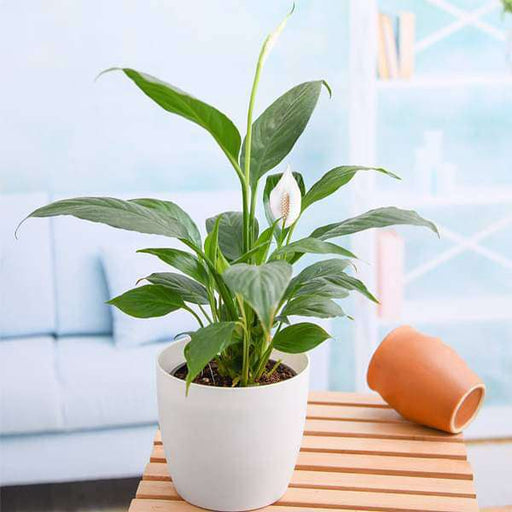
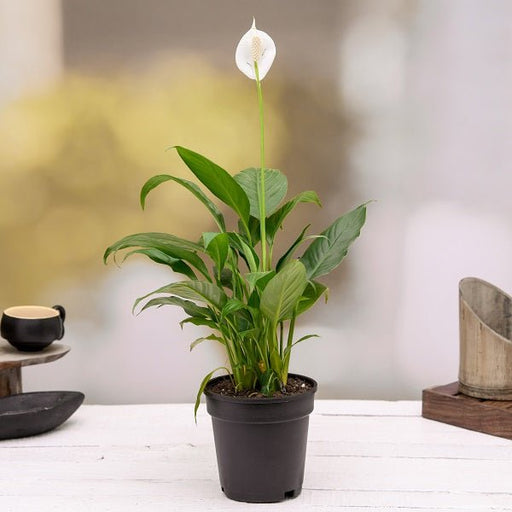
Peace Lily, Spathiphyllum - Plant The Peace Lily, scientifically known as Spathiphyllum, is a stunning houseplant celebrated for its elegant white...
View full details
Save 18%
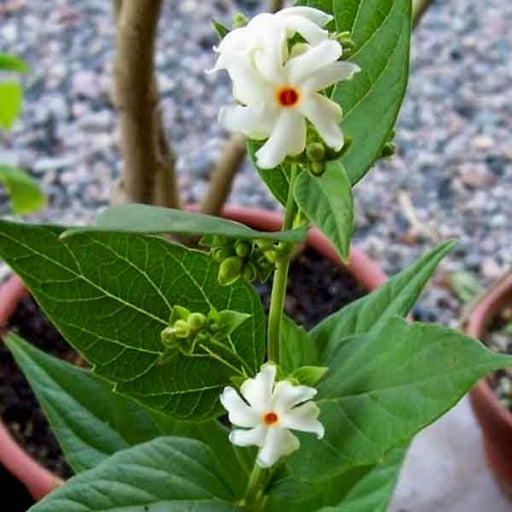
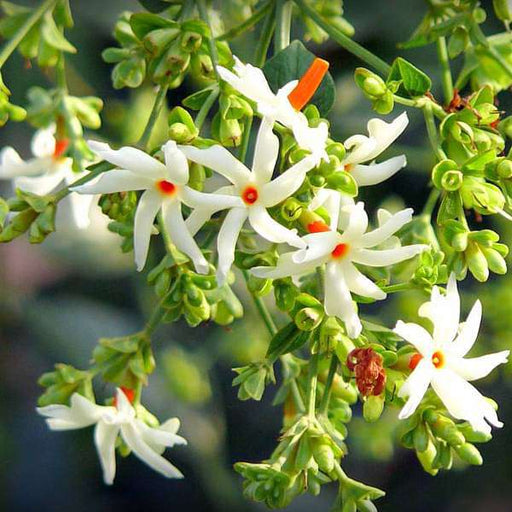
Combo Constituents Includes the Parijat Tree (Night-Flowering Jasmine), a culturally significant plant with fragrant flowers. Description The Pari...
View full details
Save 25%
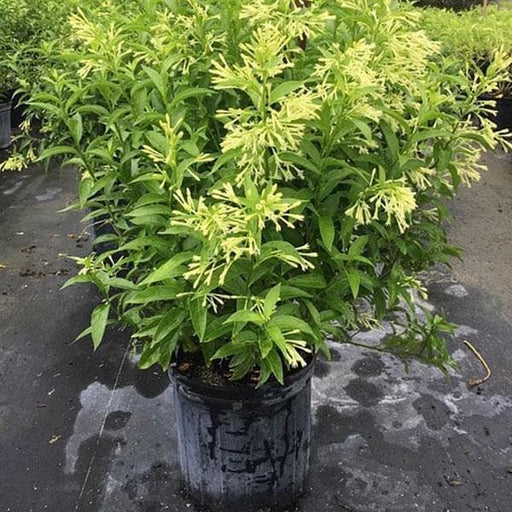
Description Raat Ki Rani (*Cestrum nocturnum*), also known as Night Blooming Jasmine, is a fragrant shrub native to the Caribbean and Central Ameri...
View full details
Save 25%
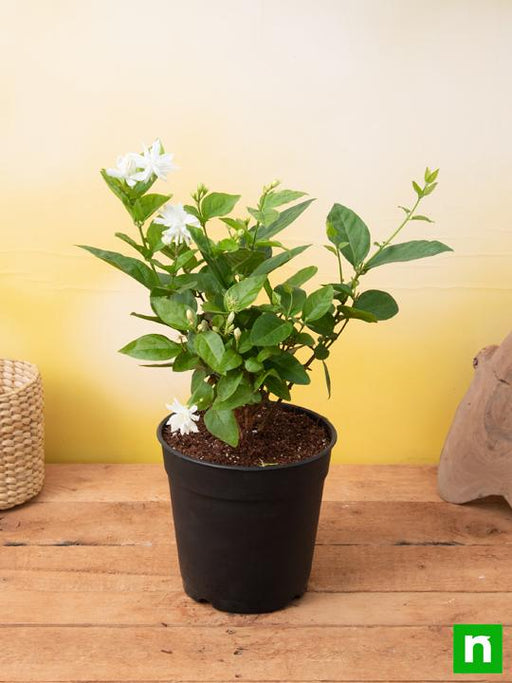
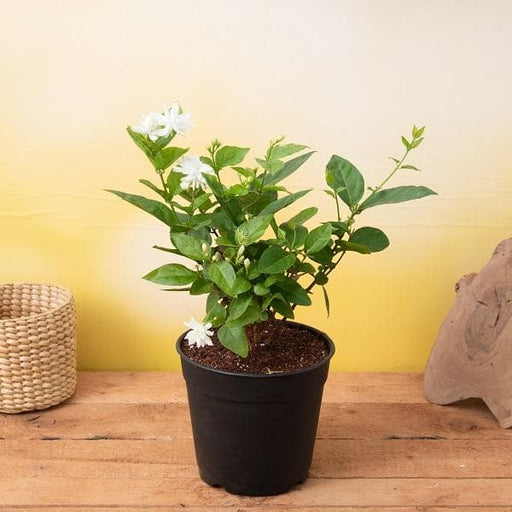
Jasminum sambac, Mogra, Arabian Jasmine - Plant Jasminum sambac, commonly known as Mogra or Arabian Jasmine, is a fragrant flowering plant...
View full details
Save 17%
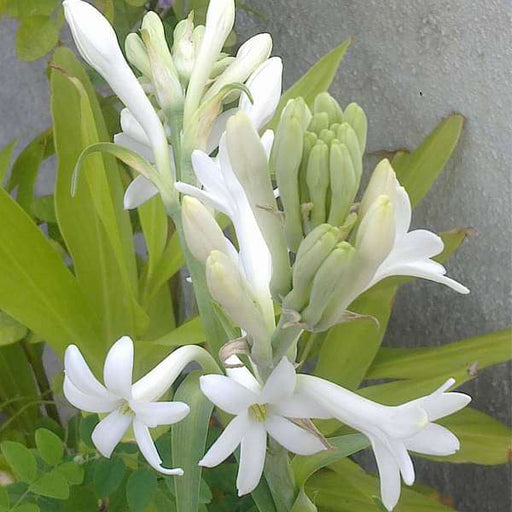
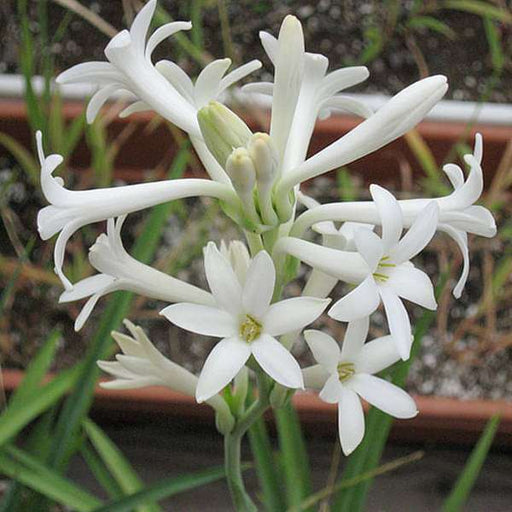
Rajnigandha, Tuberose - Plant The Rajnigandha, scientifically known as Polianthes tuberosa, is a captivating perennial plant renowned for ...
View full details
Sold out
Citronella, Odomas - Plant The Citronella plant, scientifically known as Cymbopogon nardus, is a tropical grass renowned for its aromatic ...
View full details
Save 25%
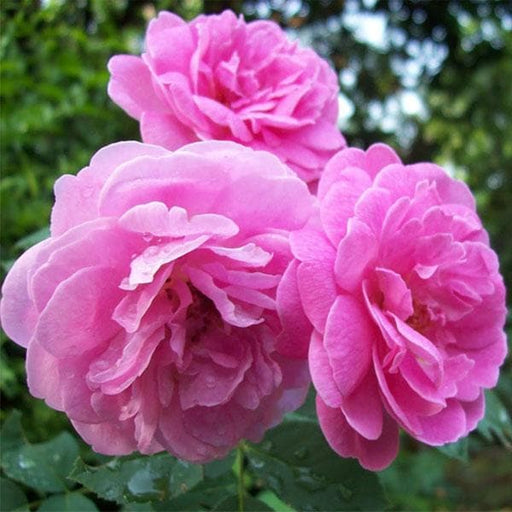
Damascus Rose, Scented Rose (Any Color) - Plant The Damascus Rose, also known as Rosa damascena, is a timeless symbol of beauty and romanc...
View full details
Save 35%
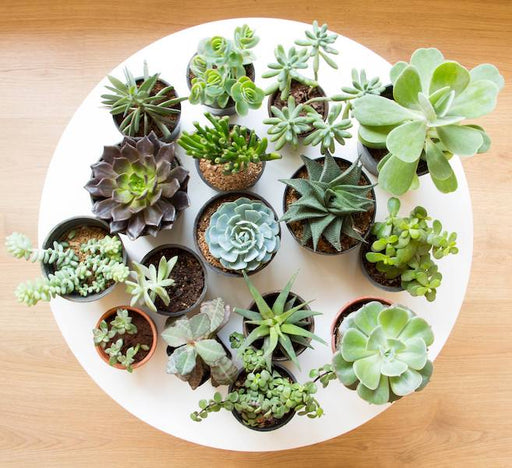
Best 6 Plants for Perfect Indoor Garden Transform your living space into a lush oasis with our curated collection of the Best 6 Plants for a...
View full details
Save up to 50%
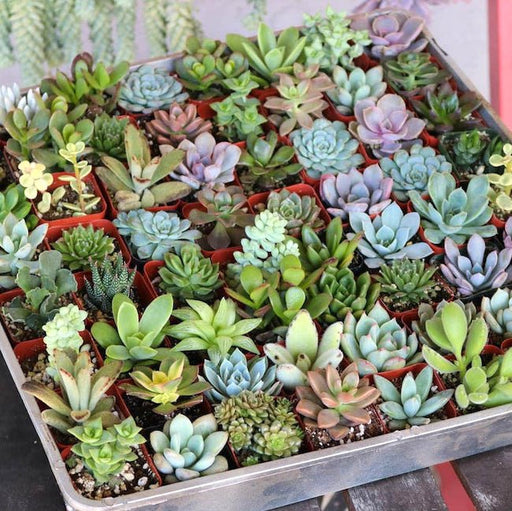
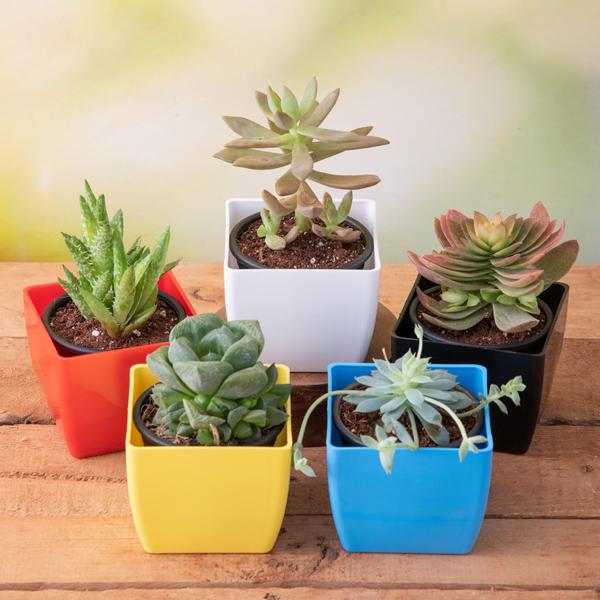
Mini Succulent Garden Pack Transform your space with our Mini Succulent Garden Pack, featuring a delightful collection of 4 any variety beautiful s...
View full details
Save 30%
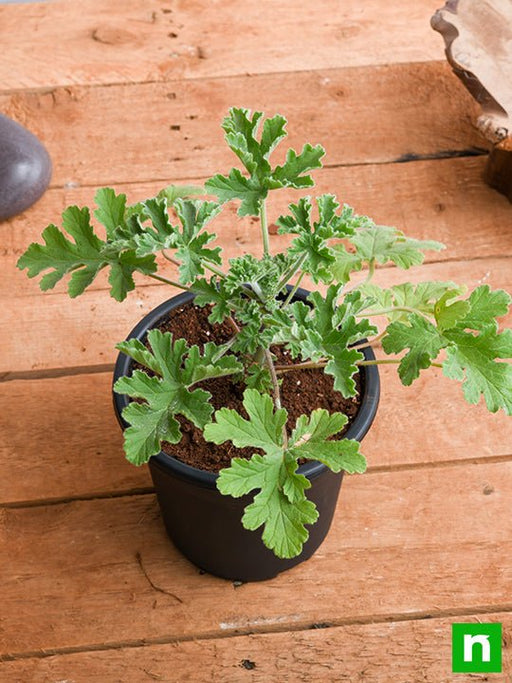
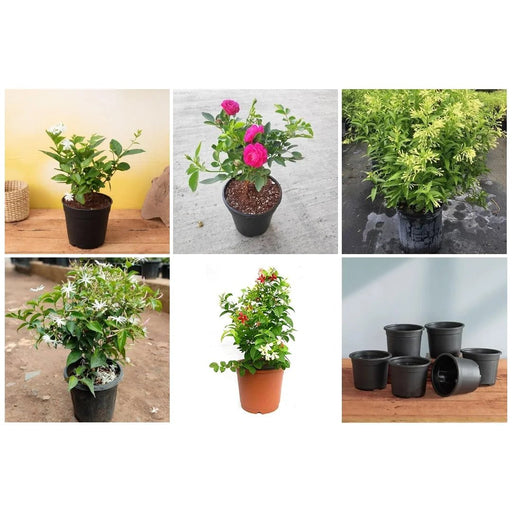
5 Best Fragrant Plants Transform your garden or indoor space into a fragrant paradise with our curated selection of the 5 Best Fragrant Plants. Th...
View full details
Save 24%
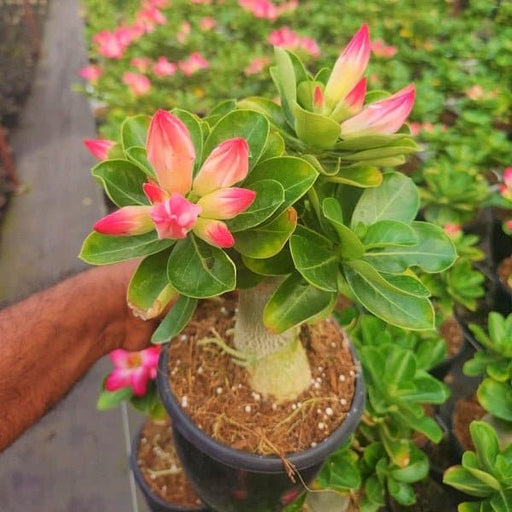
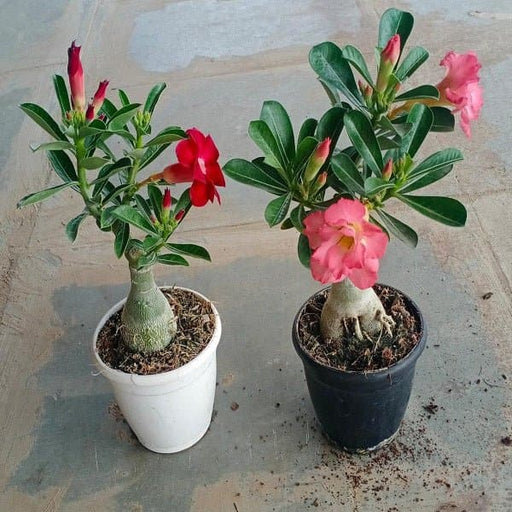
Set of 2 Bonsai Looking Grafted Adeniums Transform your indoor or outdoor space with our exquisite Set of 2 Bonsai Looking Grafted Adenium...
View full details
Save 45%
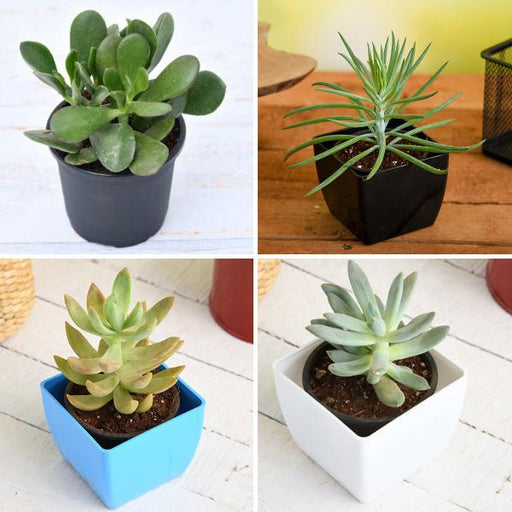
Top 4 Die Hard Succulents Pack Transform your indoor or outdoor space with our Top 4 Die Hard Succulents Pack, featuring a curated selecti...
View full details
Save 30%
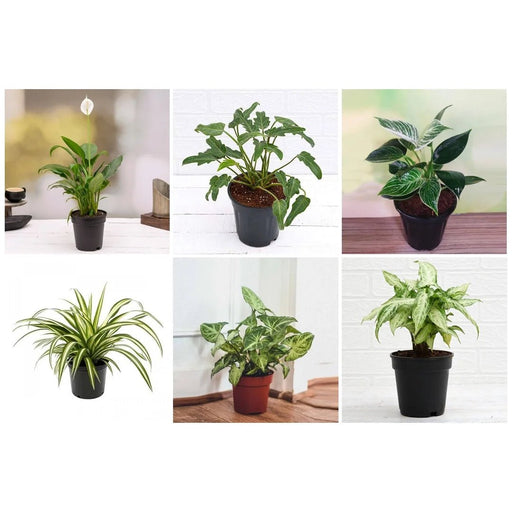
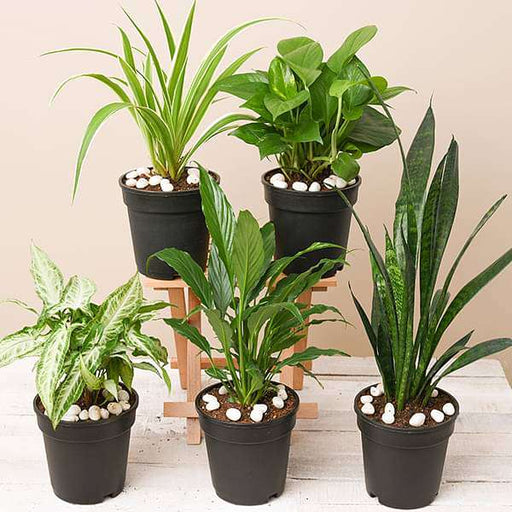
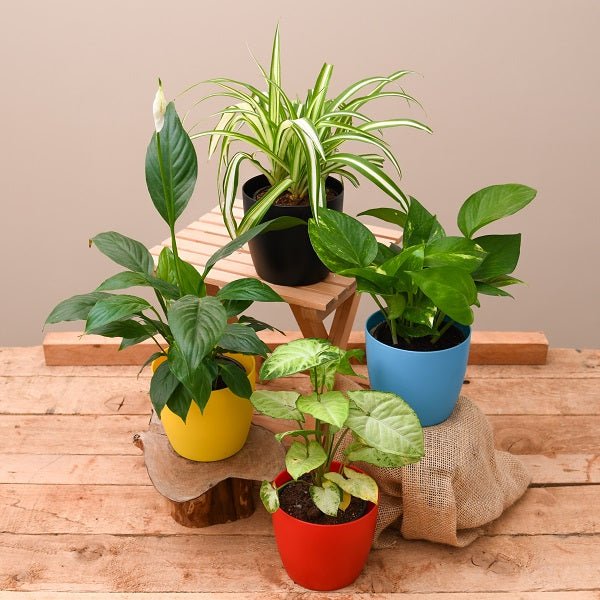
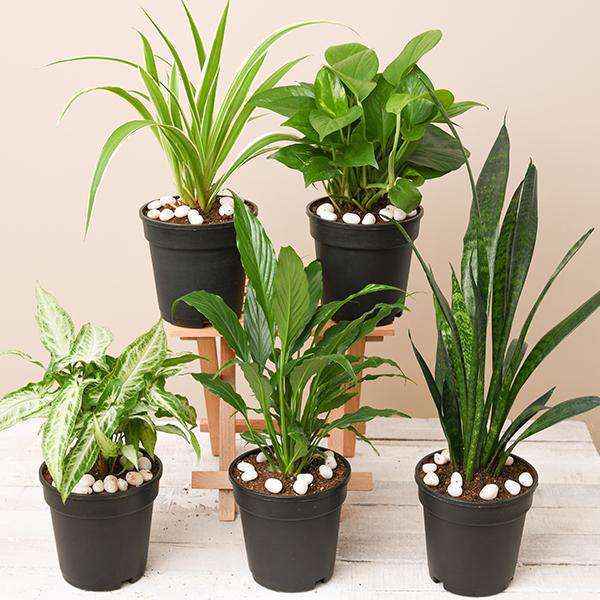
5 Best Indoor Plants Pack Transform your living space into a lush oasis with our '5 Best Indoor Plants Pack.' This carefully curated collection fe...
View full details
Save 25%
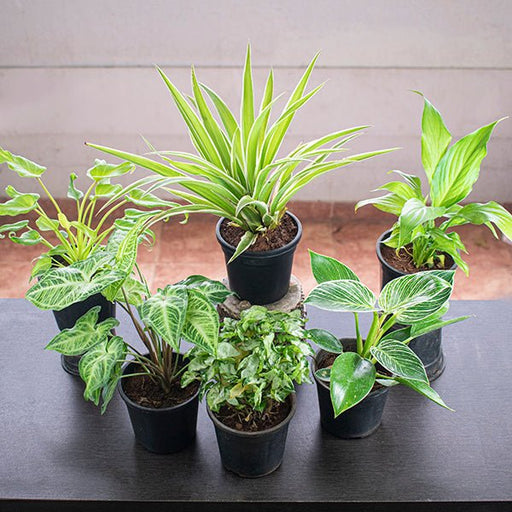
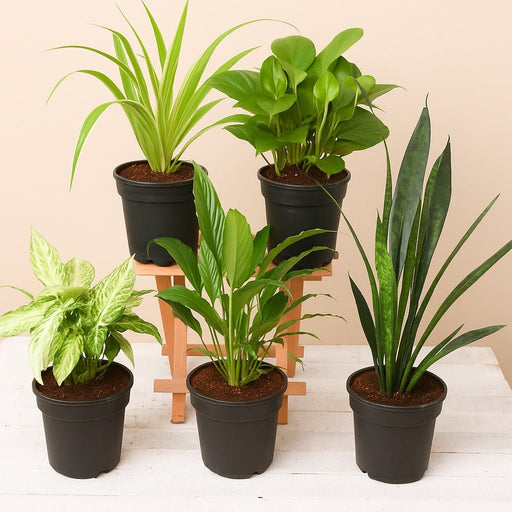
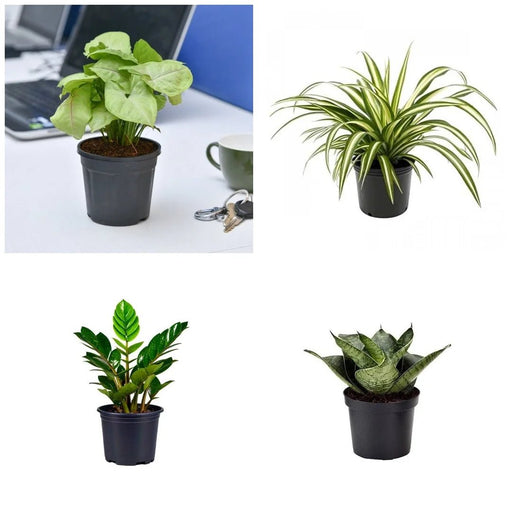
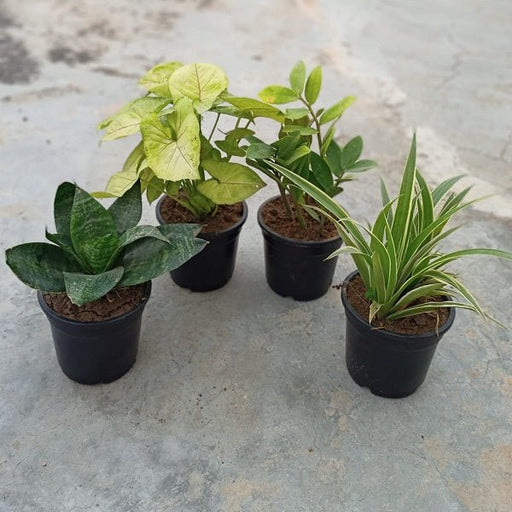
Set of 4 Evergreen Air Purifier Plant Pack Transform your indoor space into a lush, green oasis with our Set of 4 Evergreen Air Purifier Pla...
View full detailsWelcome to our captivating collection of carnivorous plants! These fascinating flora are not just visually stunning; they are also remarkable predators that thrive in nutrient-poor environments. From the iconic Venus Flytrap to the exotic Pitcher Plant, each species has evolved unique adaptations to capture and digest prey, primarily insects. Explore our curated list of carnivorous plants and discover the wonders of nature's most intriguing botanical marvels.
What makes carnivorous plants special is their ability to survive in challenging conditions where traditional plants struggle. They have developed specialized mechanisms to lure, trap, and digest their prey, allowing them to obtain essential nutrients like nitrogen and phosphorus. This collection not only showcases their beauty but also highlights their ecological importance in maintaining balanced ecosystems.
Growing and caring for carnivorous plants can be a rewarding experience. With the right conditions, these plants can thrive indoors or outdoors. Whether you're a seasoned gardener or a curious beginner, our collection provides essential information to help you cultivate these unique species successfully.
Carnivorous plants belong to various families, including Droseraceae and Sarraceniaceae, showcasing a diverse range of species. Historically, these plants have fascinated botanists and nature enthusiasts alike, with their unique adaptations sparking curiosity and research. The study of these plants has led to significant insights into plant evolution and ecology, revealing how life can adapt to extreme conditions.
From an environmental perspective, carnivorous plants play a crucial role in their ecosystems. They help control insect populations, contributing to the balance of local biodiversity. Additionally, many species are threatened due to habitat loss and climate change, making conservation efforts essential. By cultivating and appreciating these plants, we can contribute to their preservation and raise awareness about the importance of protecting our planet's unique flora.
Venus flytraps are one of the most well-known types of carnivorous plants. These plants are native to the United States and are famous for their unique trapping mechanism that uses modified leaves to capture insects.
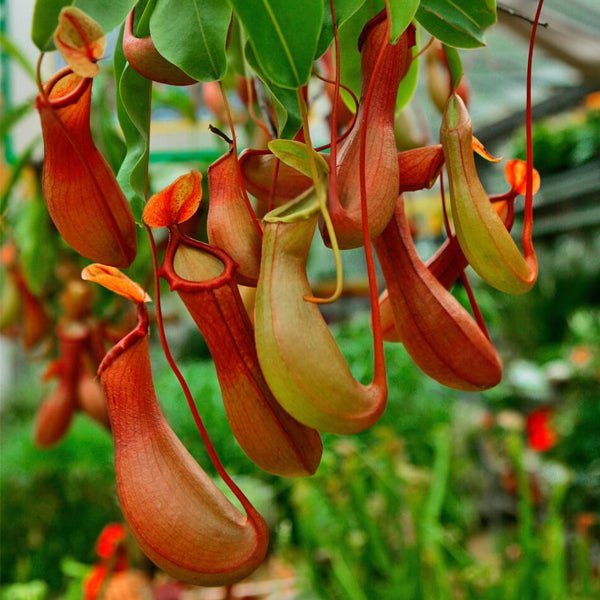
Pitcher plants are another type of carnivorous plant that are known for their unique trap-like leaves. These plants are found all over the world, and some species can grow quite large.
Sundew plants are carnivorous plants that are known for their sticky leaves. When an insect lands on a sundew leaf, the leaf folds up around the insect, trapping it and allowing the plant to digest it.
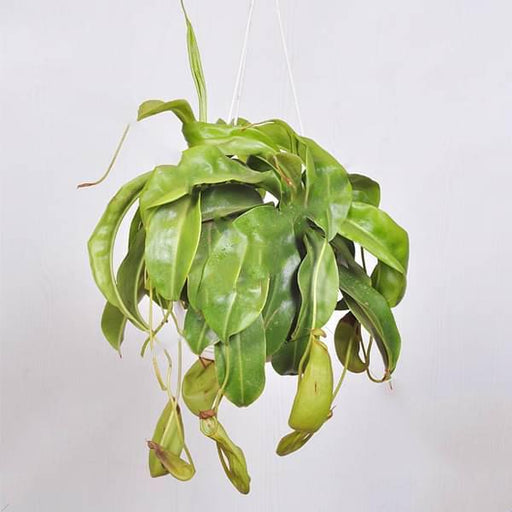
Nepenthes plants are also known as tropical pitcher plants, and they are found in parts of Asia and Australia. These plants have a unique, tube-like structure that captures insects, and they are often grown as houseplants.
Sarracenia plants are native to North America and are known for their unique, trumpet-shaped leaves that trap insects. These plants can grow quite large and are popular among carnivorous plant enthusiasts.
Drosera plants, also known as sundews, are a diverse group of carnivorous plants that are found all over the world. These plants are known for their sticky leaves, which capture and digest insects.
Bladderwort plants are aquatic carnivorous plants that are found in ponds and other bodies of water. These plants have tiny bladders on their leaves that trap and digest small aquatic animals.
Cobra plants are native to North America and are known for their unique, hooded leaves that trap insects. These plants are popular among carnivorous plant enthusiasts and are often grown as houseplants.
Waterwheel plants, also known as Aldrovanda, are aquatic carnivorous plants that are found in ponds and other bodies of water. These plants have small, trap-like leaves that capture and digest small aquatic animals.
Butterwort plants are native to Europe and North America and are known for their sticky leaves, which capture and digest insects. These plants are popular among carnivorous plant enthusiasts and are often grown as houseplants.
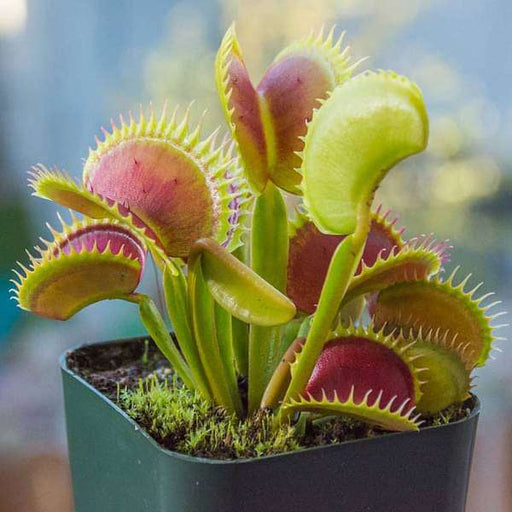
Carnivorous plants are plants that are capable of trapping and digesting insects and other small prey. They have adapted to grow in nutrient-poor soils by supplementing their diet with the nutrients they obtain from their prey. Different types of carnivorous plants use different mechanisms to trap their prey such as sticky mucilage, snap traps, and pitfall traps.
Yes, many carnivorous plants can be grown indoors as long as they receive sufficient light and moisture. Some popular indoor carnivorous plants include the Venus flytrap, pitcher plants, and sundews.
Carnivorous plants require special care and attention to thrive. They need to be planted in a well-draining soil mix with a low nutrient content, and they should be watered with distilled water or rainwater. They also require bright, direct sunlight for several hours each day.
No, it is not recommended to fertilize carnivorous plants with regular plant fertilizer. They have adapted to grow in nutrient-poor soils, and the high levels of nutrients in regular plant fertilizers can actually harm or kill them.
Carnivorous plants can trap a variety of small insects, including flies, mosquitoes, ants, and spiders. Some larger species of carnivorous plants have been known to trap small frogs and lizards as well.
Yes, carnivorous plants can be an effective natural pest control method for small insects. However, they are not practical for large-scale pest control and should not be relied upon as the sole method of pest control.
The lifespan of a carnivorous plant varies depending on the species and growing conditions. Some species, like the Venus flytrap, have a lifespan of several years, while others may only live for a few months.

Many species of carnivorous plants are endangered due to habitat loss and poaching. It is important to only purchase carnivorous plants from reputable nurseries and to never collect them from the wild.
Some popular species of carnivorous plants include the Venus flytrap, pitcher plants, sundews, and bladderworts.
Yes, many species of carnivorous plants can be grown in a terrarium as long as they receive adequate light and moisture. A terrarium can help to create a humid environment that many carnivorous plants prefer.
While carnivorous plants can obtain some nutrients from the soil, they rely on the nutrients they obtain from their prey to survive and thrive. It is important to feed them insects regularly, especially if they are not catching enough prey on their own.
Carnivorous plants require some specialized care, but they can be relatively easy to grow with the right conditions. As long as they receive bright, direct sunlight, well-draining soil, and the right amount of moisture, they can be a unique and fascinating addition to any plant collection.