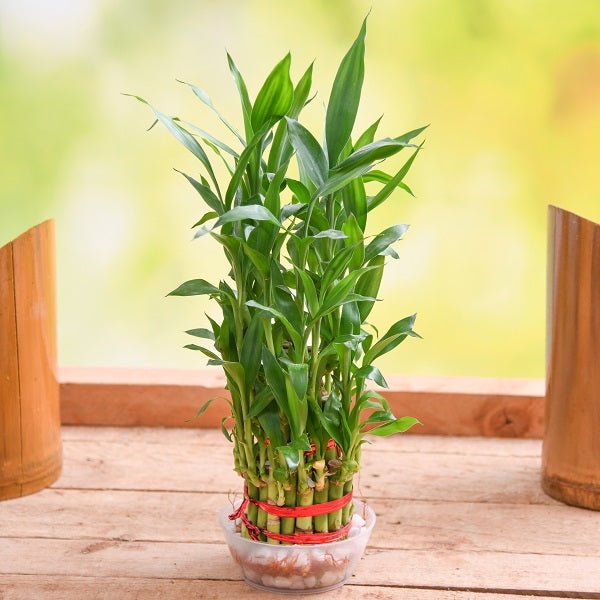
Not recd as per Picture on Website
Available 24/7
Available 24/7
Save up to 15%
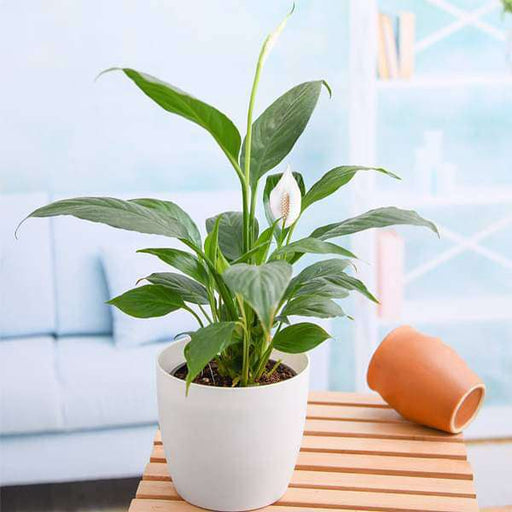
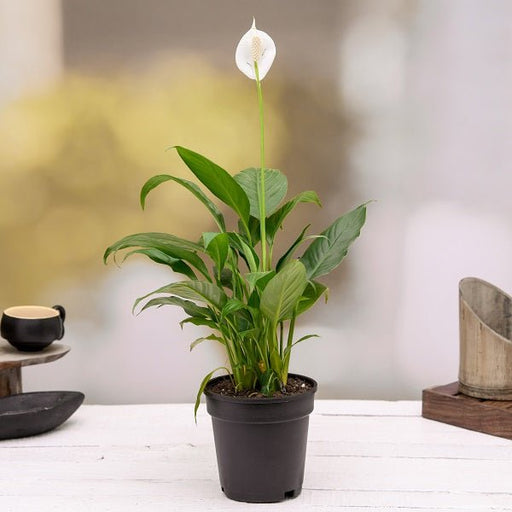
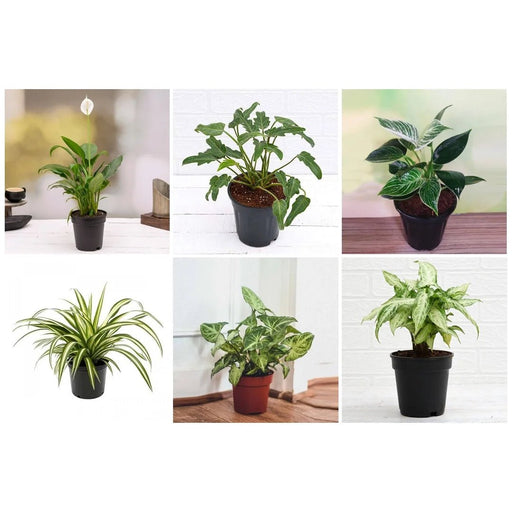
Peace Lily, Spathiphyllum - Plant The Peace Lily, scientifically known as Spathiphyllum, is a stunning houseplant celebrated for its elegant white...
View full details
Save 18%
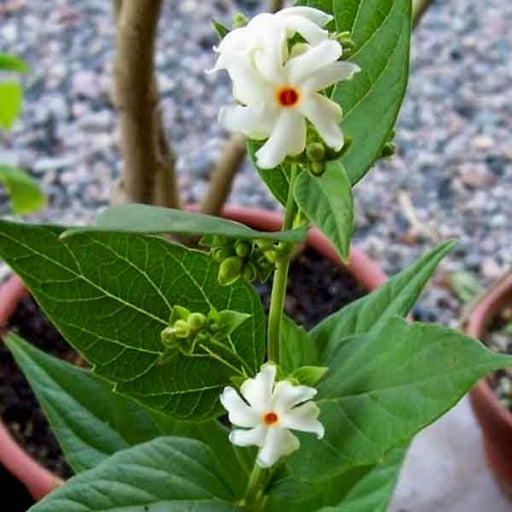
Combo Constituents Includes the Parijat Tree (Night-Flowering Jasmine), a culturally significant plant with fragrant flowers. Description The Pari...
View full details
Save 25%
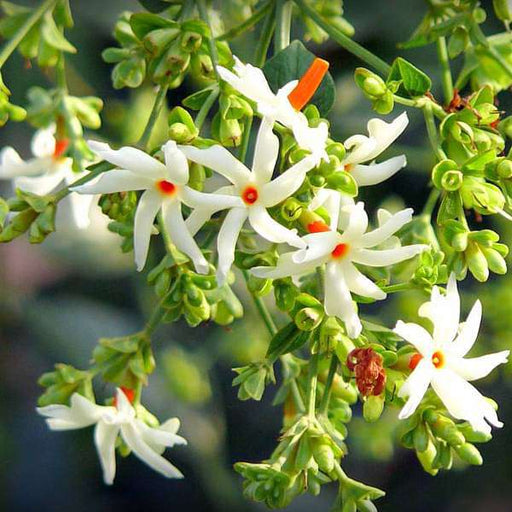
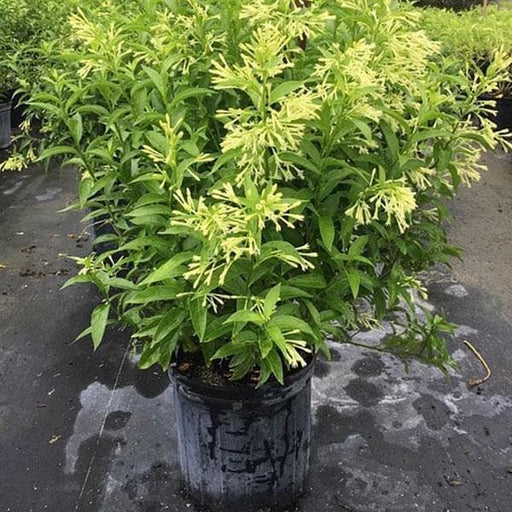
Description Raat Ki Rani (*Cestrum nocturnum*), also known as Night Blooming Jasmine, is a fragrant shrub native to the Caribbean and Central Ameri...
View full details
Save 25%
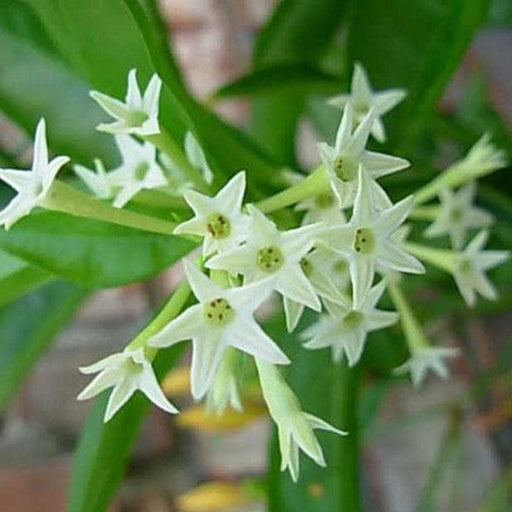
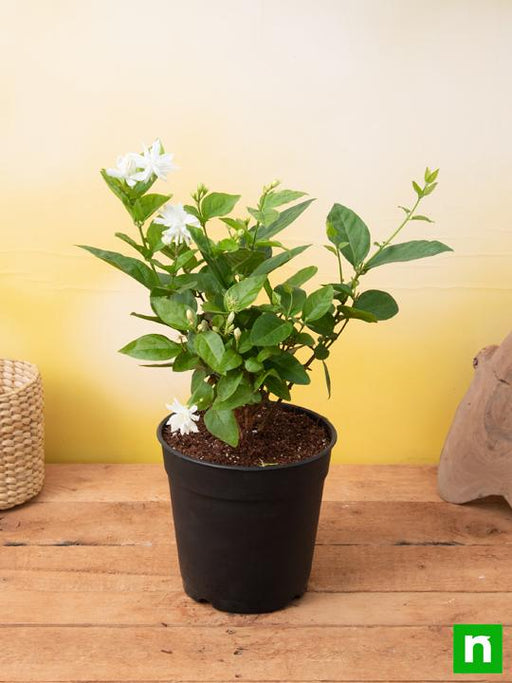
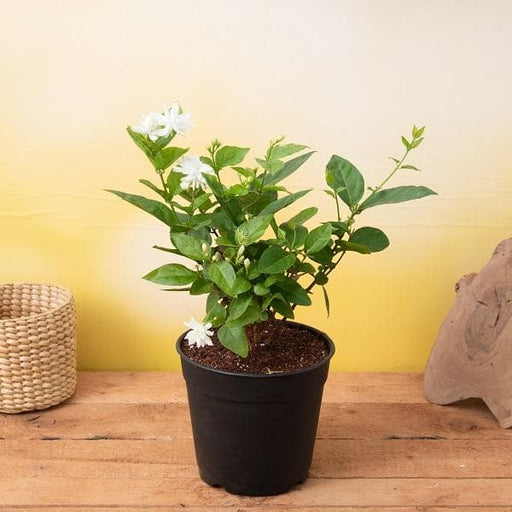
Jasminum sambac, Mogra, Arabian Jasmine - Plant Jasminum sambac, commonly known as Mogra or Arabian Jasmine, is a fragrant flowering plant...
View full details
Save 17%
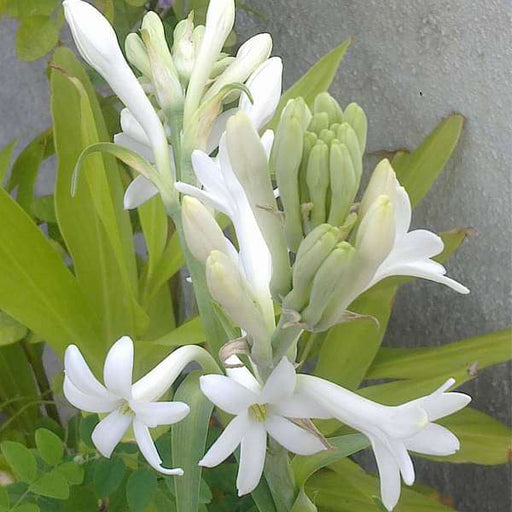
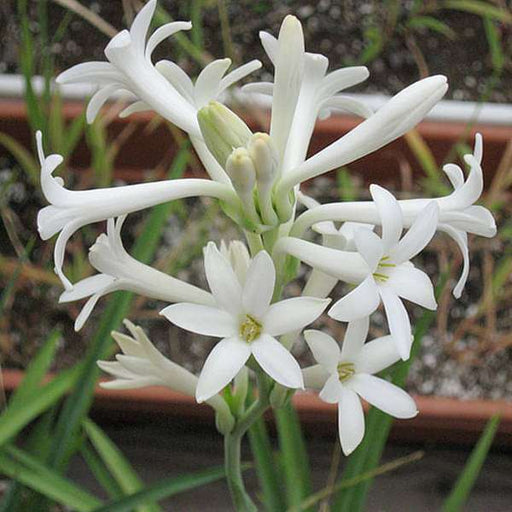
Rajnigandha, Tuberose - Plant The Rajnigandha, scientifically known as Polianthes tuberosa, is a captivating perennial plant renowned for ...
View full details
Sold out
Citronella, Odomas - Plant The Citronella plant, scientifically known as Cymbopogon nardus, is a tropical grass renowned for its aromatic ...
View full details
Save 25%
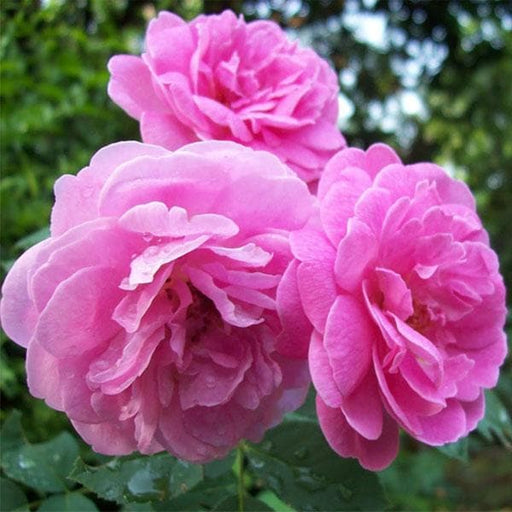
Damascus Rose, Scented Rose (Any Color) - Plant The Damascus Rose, also known as Rosa damascena, is a timeless symbol of beauty and romanc...
View full details
Save 35%
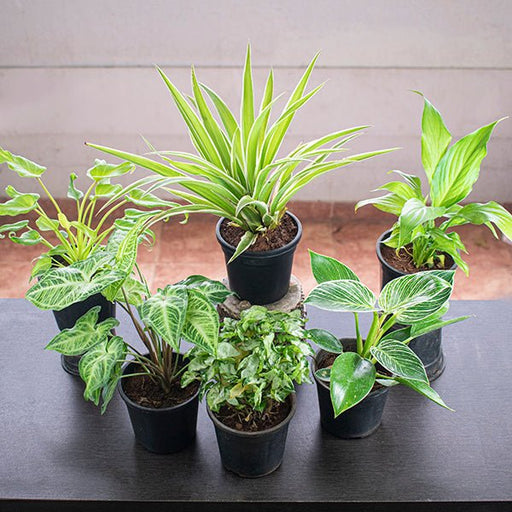
Best 6 Plants for Perfect Indoor Garden Transform your living space into a lush oasis with our curated collection of the Best 6 Plants for a...
View full details
Save up to 50%
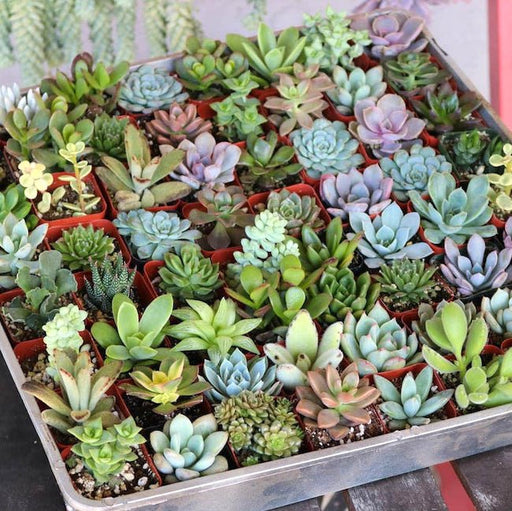
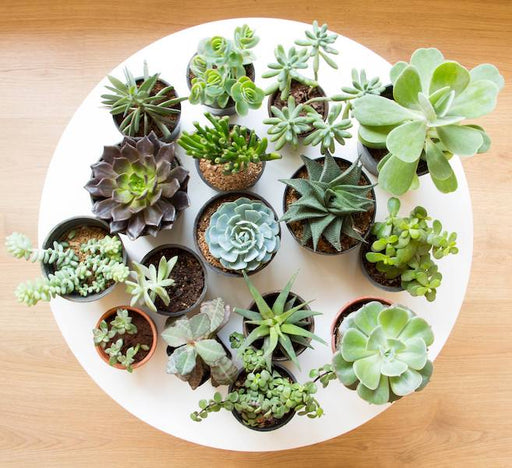
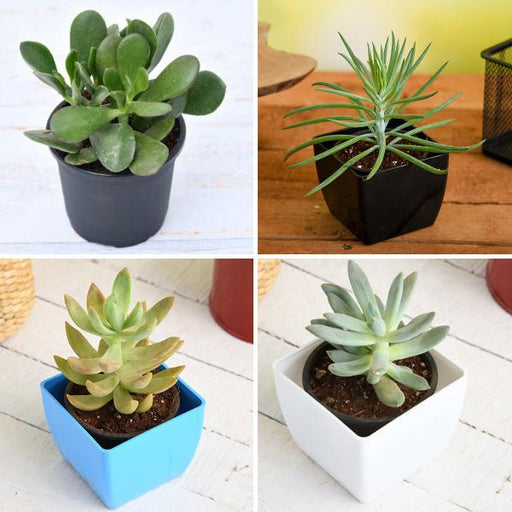
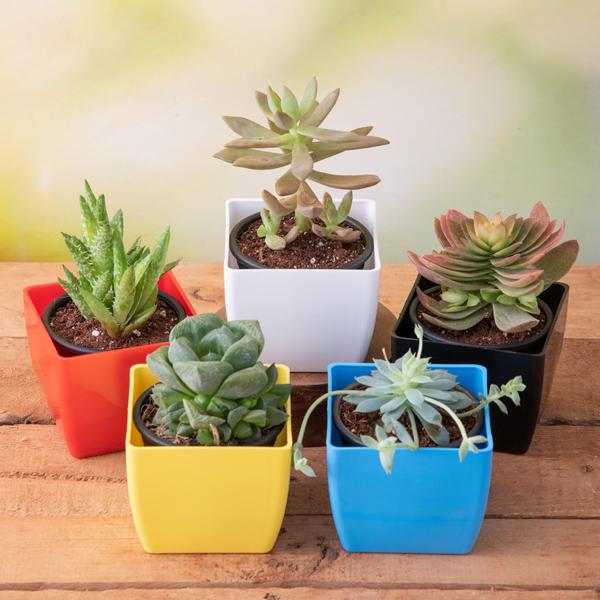
Mini Succulent Garden Pack Transform your space with our Mini Succulent Garden Pack, featuring a delightful collection of 4 any variety beautiful s...
View full details
Save 30%
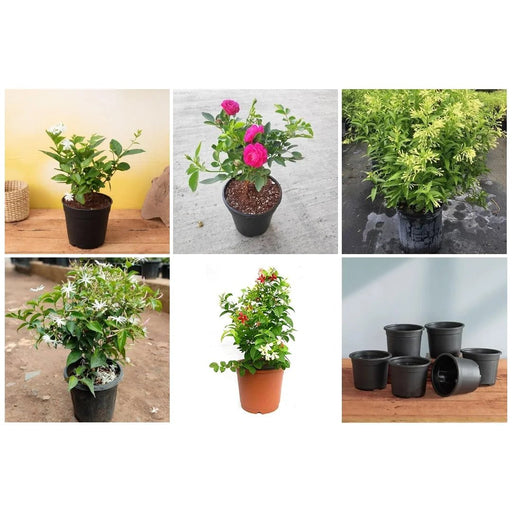
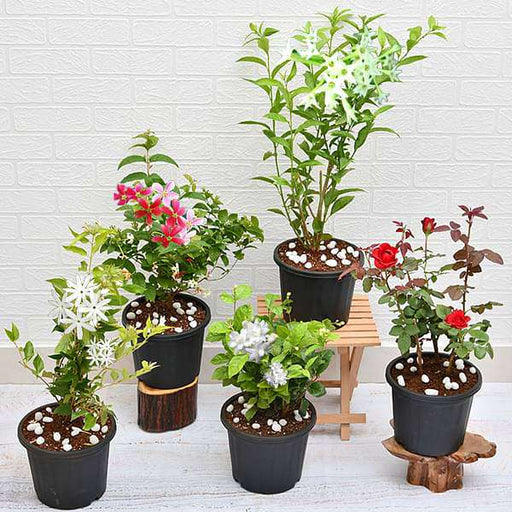
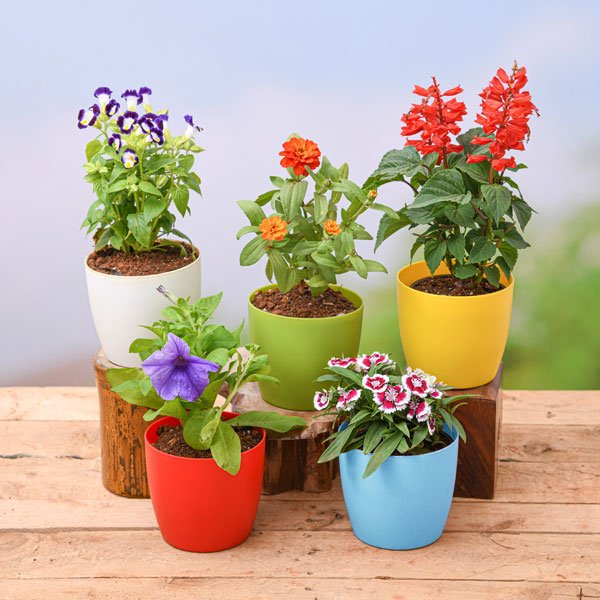
5 Best Fragrant Plants Transform your garden or indoor space into a fragrant paradise with our curated selection of the 5 Best Fragrant Plants. Th...
View full details
Save 24%
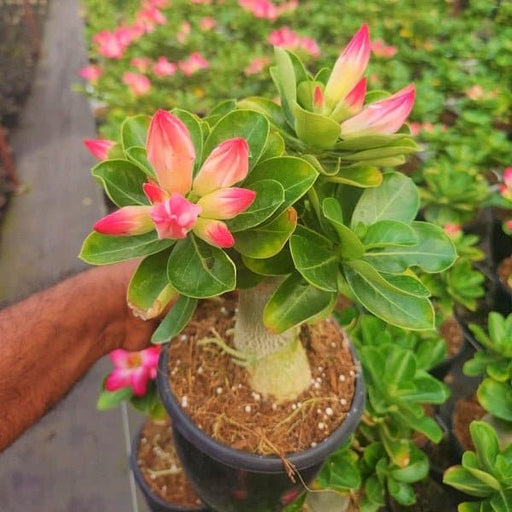
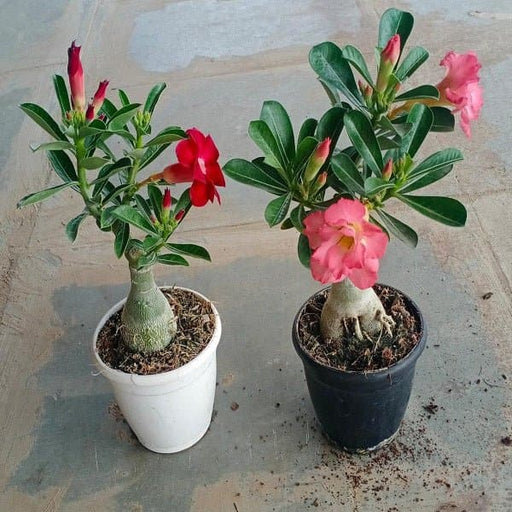
Set of 2 Bonsai Looking Grafted Adeniums Transform your indoor or outdoor space with our exquisite Set of 2 Bonsai Looking Grafted Adenium...
View full details
Save 45%
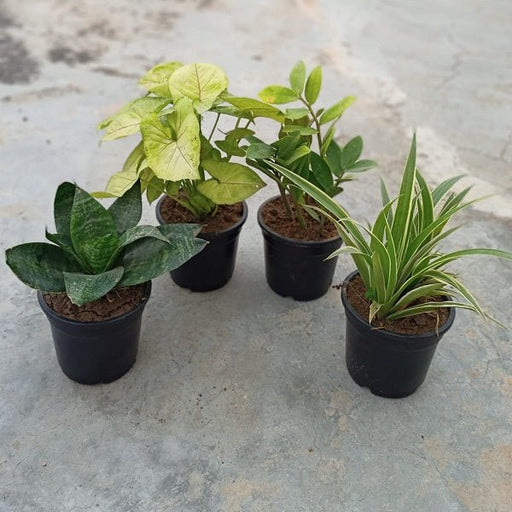
Top 4 Die Hard Succulents Pack Transform your indoor or outdoor space with our Top 4 Die Hard Succulents Pack, featuring a curated selecti...
View full details
Save 30%
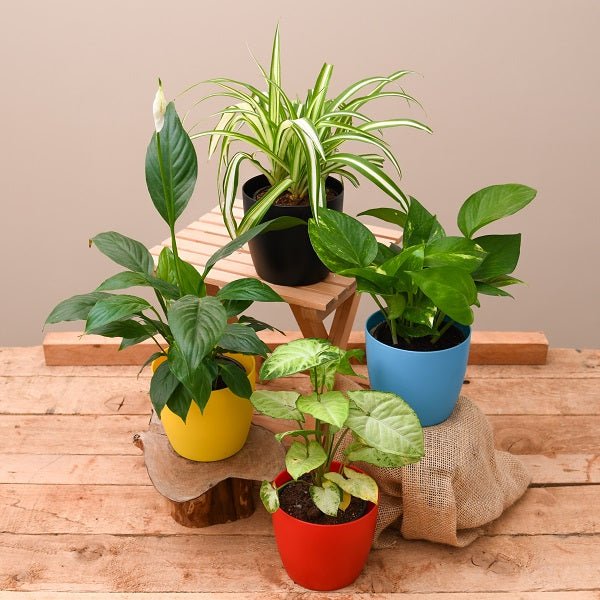
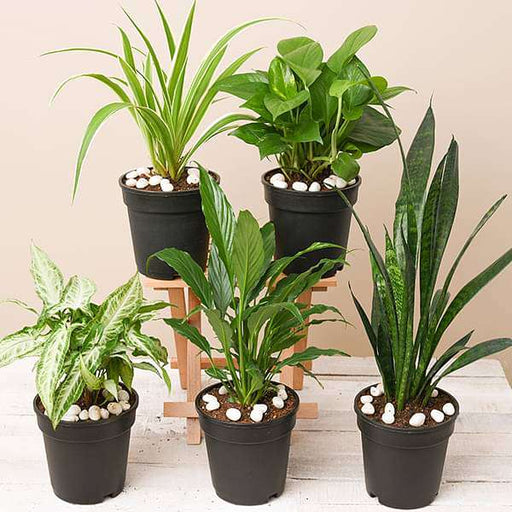
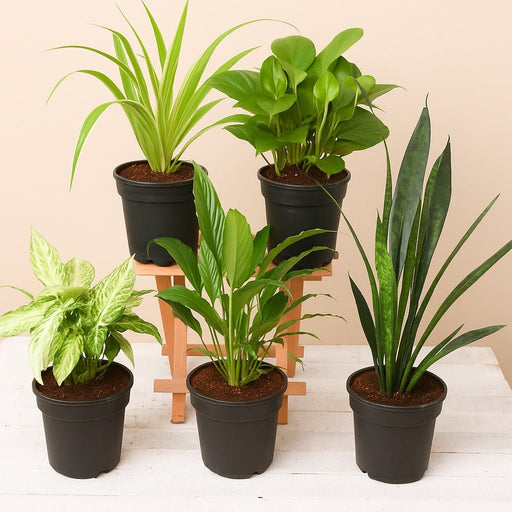
5 Best Indoor Plants Pack Transform your living space into a lush oasis with our '5 Best Indoor Plants Pack.' This carefully curated collection fe...
View full details
Save 25%
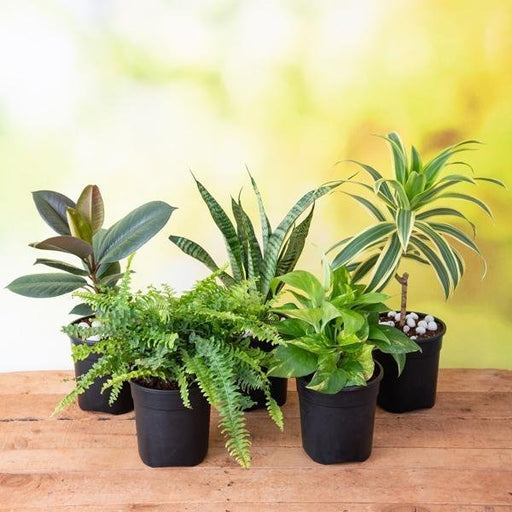
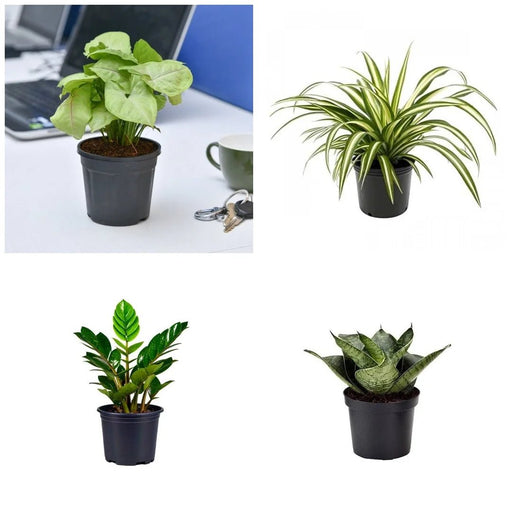
Set of 4 Evergreen Air Purifier Plant Pack Transform your indoor space into a lush, green oasis with our Set of 4 Evergreen Air Purifier Pla...
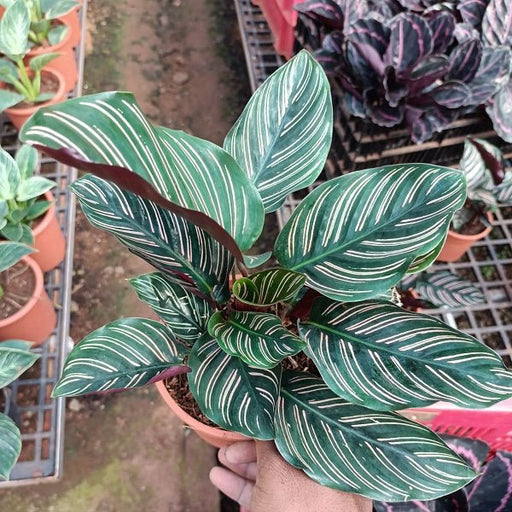
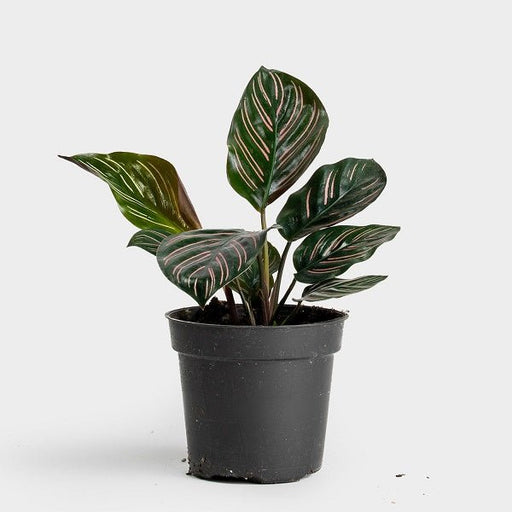
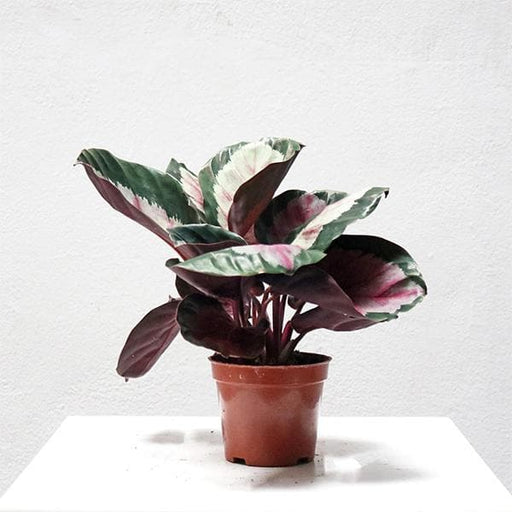
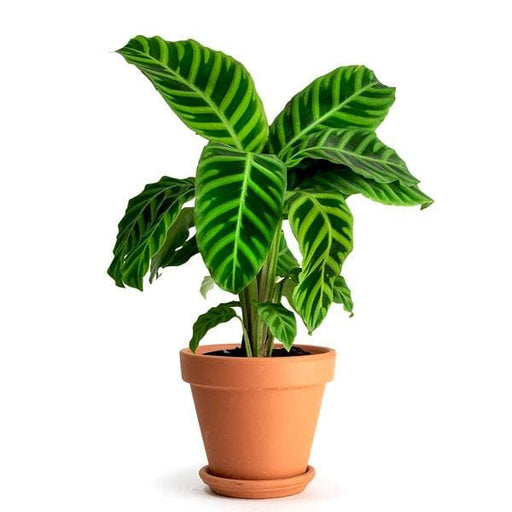
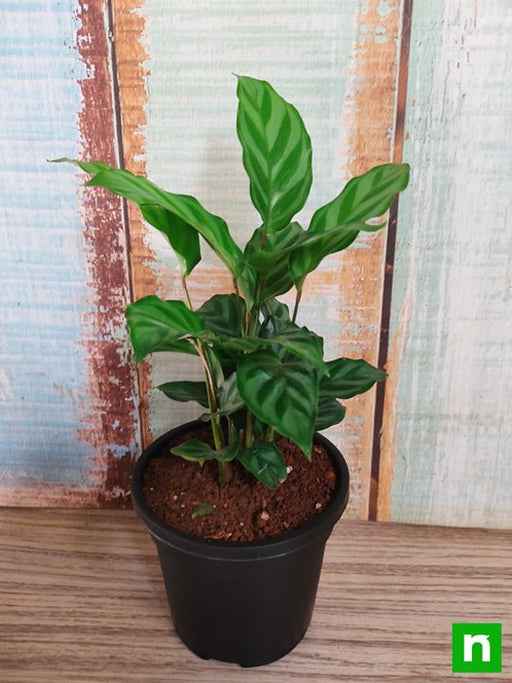
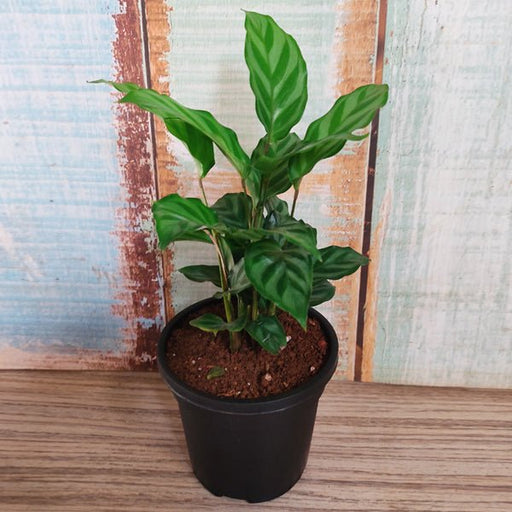
View full detailsDiscover the enchanting world of Calathea plants, known for their stunning foliage and unique patterns. These tropical beauties are perfect for adding a touch of elegance to any indoor space. With their vibrant colors and intricate leaf designs, Calatheas are not just plants; they are living art pieces that can transform your home or office into a lush oasis.
What makes Calathea plants special is their ability to thrive in low-light conditions while purifying the air around them. Their leaves exhibit fascinating movements, opening during the day and closing at night, a phenomenon known as nyctinasty. This captivating behavior, combined with their diverse varieties, makes them a favorite among plant enthusiasts and interior decorators alike.
Growing Calathea plants is a rewarding experience, as they are relatively easy to care for with the right conditions. They prefer high humidity and consistent moisture, making them ideal for bathrooms or kitchens. Whether you're a seasoned plant parent or a beginner, our Calathea collection offers a variety of options to suit your style and space.
Scientifically classified under the Marantaceae family, Calathea plants are known for their unique leaf structures and patterns, which serve as a form of adaptation to their native habitats. These plants have evolved to thrive in the understory of tropical rainforests, where they receive filtered light and high humidity. Their ability to adapt to low-light conditions makes them ideal for indoor environments, contributing to their popularity among houseplant lovers.
Historically, Calathea plants have been used in traditional medicine by indigenous communities in South America. The leaves are believed to have anti-inflammatory properties and have been utilized in various herbal remedies. Additionally, their environmental impact is significant, as they play a role in maintaining humidity levels in their ecosystems and providing habitat for various species. By choosing Calathea plants for your home, you are not only enhancing your living space but also supporting sustainable practices.
Calathea plants require special care to keep them healthy and vibrant. This includes providing the right amount of water, sunlight, and nutrients, as well as monitoring for pests and diseases. With the right care, calathea plants can thrive and produce stunning displays of lush and colorful foliage.
There are many varieties of calathea plants, each with its own unique patterns and colors. Some popular varieties include the rattlesnake plant, the peacock plant, and the prayer plant. With so many options to choose from, there is a calathea variety to suit any taste and style.
Calathea plants can be propagated through division or stem cuttings. Division involves separating the plant into smaller sections, while stem cuttings involve cutting a section of stem and rooting it in water or soil. With the right propagation techniques, calathea plants can produce healthy and vibrant new growth.
Calathea plants require well-draining soil that is rich in nutrients. A mix of potting soil and perlite is a popular choice for calathea plants, as it provides the right balance of moisture retention and drainage. With the right soil, calathea plants can grow strong and healthy.
Calathea plants require frequent watering to keep the soil moist, but not waterlogged. Water should be allowed to fully drain from the soil before watering again. With the right watering schedule, calathea plants can produce stunning displays of lush and colorful foliage.
Calathea plants require indirect sunlight for optimal growth and health. Too much direct sun can cause the leaves to burn, while too little light can cause the plant to become leggy and weak. With the right amount of sunlight, calathea plants can thrive and produce stunning displays of lush and colorful foliage.
Calathea plants are susceptible to a variety of pests and diseases, including spider mites, mealybugs, and fungal infections. Proper care and monitoring can prevent these issues from becoming a problem. With the right pest and disease control measures, calathea plants can thrive and produce stunning displays of lush and colorful foliage.
Calathea plants have air-purifying properties, making them a popular choice for indoor spaces. They can help to remove harmful toxins from the air and improve indoor air quality. With their natural and organic beauty, calathea plants are a practical and charming addition to any indoor space.
Calathea plants require warm temperatures to thrive and grow. They should be kept in a warm and humid environment, with temperatures between 65-80°F (18-26°C). With the right temperature, calathea plants can produce stunning displays of lush and colorful foliage.
The calathea prayer plant is a popular variety of calathea plants, thanks to its unique and striking foliage patterns. It gets its name from its leaves, which fold upward at night, resembling hands in prayer. With its natural and organic beauty, the calathea prayer plant is a charming and whimsical addition to any indoor space.
The calathea rattlesnake plant is another popular variety of calathea plants, known for its striking green and purple foliage patterns. Its leaves have a wavy and undulating texture, resembling the skin of a rattlesnake. With its unique and eye-catching appearance, the calathea rattlesnake plant is a perfect choice for any plant lover.
The calathea peacock plant is a stunning variety of calathea plants, known for its vibrant and colorful foliage patterns. Its leaves have shades of green, purple, and pink, resembling the feathers of a peacock. With its bold and dramatic appearance, the calathea peacock plant is a showstopper in any indoor space.
Calathea plants require regular fertilizer to grow strong and healthy. A balanced fertilizer that is high in nitrogen is a popular choice for calathea plants, as it promotes healthy leaf growth. With the right fertilizer, calathea plants can produce stunning displays of lush and colorful foliage.
Calathea plants require high humidity to thrive and grow. They should be kept in a humid environment, with humidity levels between 50-60%. A humidifier or regular misting can help to maintain the right humidity levels. With the right humidity, calathea plants can produce stunning displays of lush and colorful foliage.
Calathea plants can experience brown leaves due to a variety of factors, including overwatering, underwatering, low humidity, or exposure to direct sunlight. Proper care and monitoring can prevent these issues from becoming a problem. With the right care, calathea plants can produce stunning displays of lush and colorful foliage.
Calathea plants can thrive in low light conditions, making them a popular choice for indoor spaces with limited natural light. They should be kept in a well-lit room with indirect sunlight, or near a bright window with filtered light. With the right lighting conditions, calathea plants can produce stunning displays of lush and colorful foliage.
Calathea plants are not toxic to humans or pets, making them a safe choice for indoor spaces. With their natural and organic beauty, calathea plants are a practical and charming addition to any indoor space.
Calathea plants should be repotted every 1-2 years to keep them healthy and thriving. Repotting involves removing the plant from its current container and replanting it in a larger pot with fresh soil. With the right repotting techniques, calathea plants can produce healthy and vibrant new growth.
The calathea prayer plant requires special care to keep it healthy and vibrant. This includes providing the right amount of water, sunlight, and humidity, as well as monitoring for pests and diseases. With the right care, the calathea prayer plant can produce stunning displays of lush and colorful foliage.
The calathea medallion plant is a stunning variety of calathea plants, known for its large and round leaves with bold and intricate patterns. With its natural and organic beauty, the calathea medallion plant is a charming and inspiring choice for any plant lover.
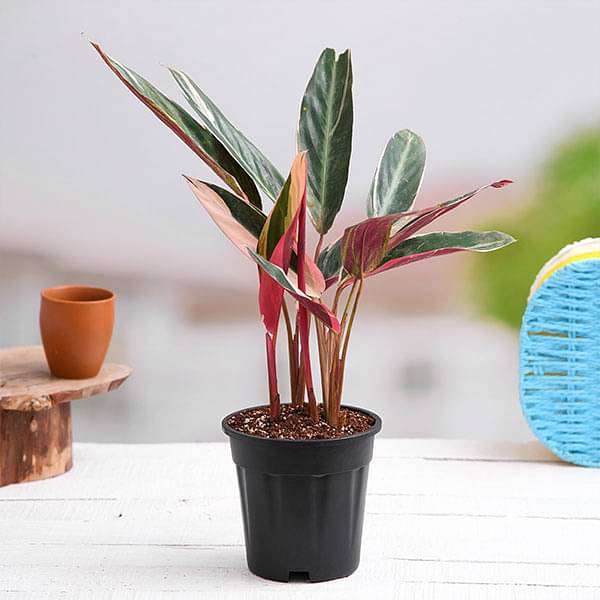
Calathea plants are tropical plants that are known for their beautiful foliage with unique patterns and colors.
Calathea plants prefer well-draining soil that is rich in organic matter. A soil pH between 6.0 to 7.0 is ideal.
Calathea plants prefer bright, indirect sunlight and should be kept out of direct sunlight.
Water Calathea plants regularly to keep the soil moist, but not waterlogged.
Calathea plants can grow up to 2-3 feet tall, depending on the variety.
Calathea plants can be propagated by division of the plant or by stem cuttings.
Yes, Calathea plants are popular indoor plants due to their unique foliage and easy care requirements.
Fertilize Calathea plants with a balanced fertilizer once a month during the growing season.
To control pests and diseases on Calathea plants, use an organic insecticide or fungicide.
Yes, Calathea plants can be grown in containers as long as they have enough space to grow and well-draining soil.
Shallow pots with drainage holes are suitable for Calathea plants.
Transplant Calathea plants when they outgrow their current container.
Calathea plants do not produce flowers, but their foliage is attractive enough to make them popular indoor plants.
During the summer months, water Calathea plants regularly and provide them with bright, indirect sunlight.
During the winter months, reduce watering and protect Calathea plants from cold drafts and freezing temperatures.
Calathea plants do not produce seeds.
Yes, Calathea plants can be used in landscaping to create a tropical and exotic garden.
To prevent Calathea plants from becoming too dry, mist the leaves regularly and ensure that the soil is moist.
To prevent Calathea plants from becoming too leggy, provide them with bright, indirect sunlight and avoid overwatering.
Some common varieties of Calathea plants include Calathea orbifolia, Calathea zebrina, and Calathea medallion.
Yellow leaves on Calathea plants can be caused by overwatering, underwatering, or exposure to direct sunlight. Adjust care accordingly to prevent further damage.
Brown leaves on Calathea plants can be caused by a variety of factors, including overwatering, underwatering, or exposure to direct sunlight. Adjust care accordingly to prevent further damage.
Wilted leaves on Calathea plants can be caused by underwatering. Ensure that the plant is getting adequate water and humidity.
Yes, Calathea plants are known for their air-purifying properties and can help improve indoor air quality.
To prevent Calathea plants from getting too tall, prune the stems back regularly.
Curling leaves on Calathea plants can be caused by exposure to low humidity or cold drafts. Increase humidity levels and protect the plant from cold drafts.
Drooping leaves on Calathea plants can be caused by overwatering or underwatering. Adjust watering accordingly and ensure that the plant is not in direct sunlight.
Damaged leaves on Calathea plants can be caused by pests or disease. Use an organic insecticide or fungicide to control the problem.
To prevent Calathea plants from becoming too crowded, divide the plant every two to three years.
Calathea plants may not produce new growth if they are not receiving enough light or nutrients. Ensure that the plant is getting adequate care and adjust accordingly.