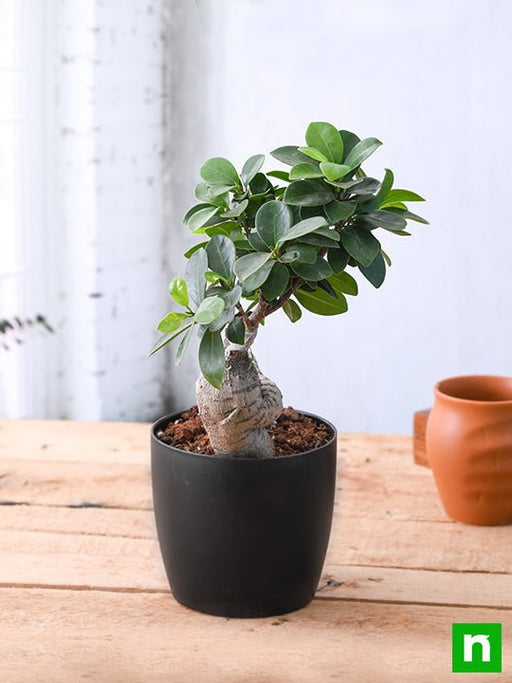
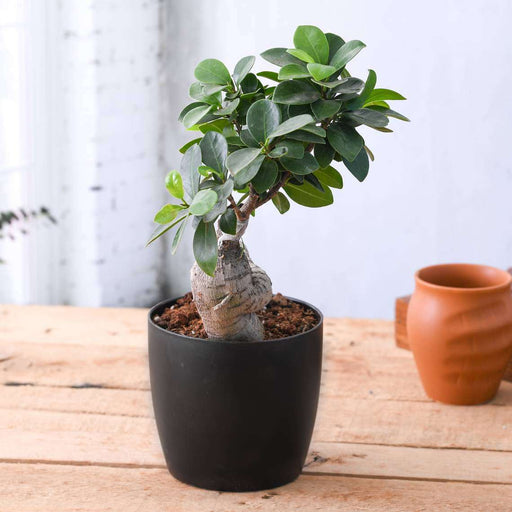
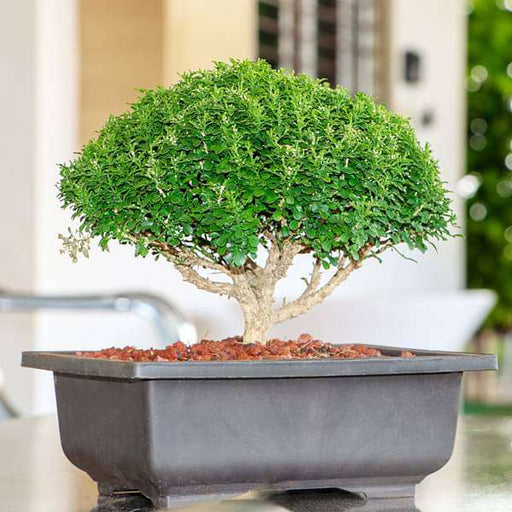
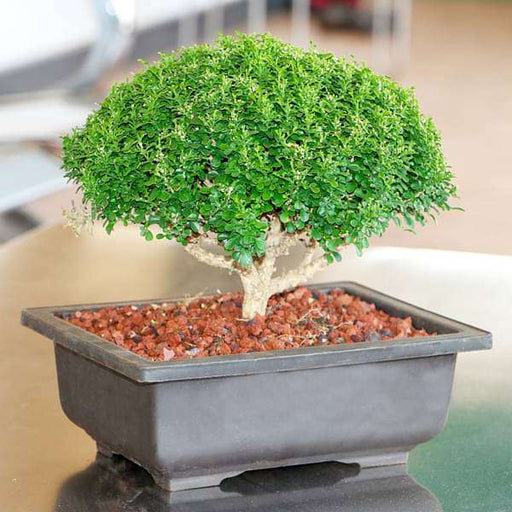
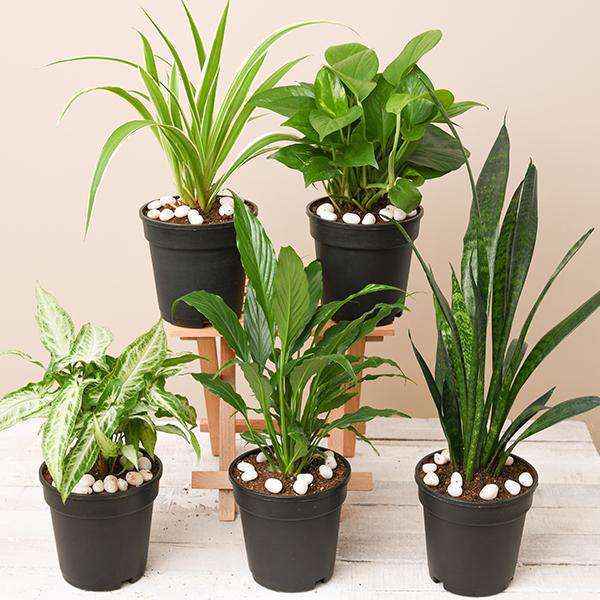
Not recd as per Picture on Website
Available 24/7
Available 24/7
Save up to 15%
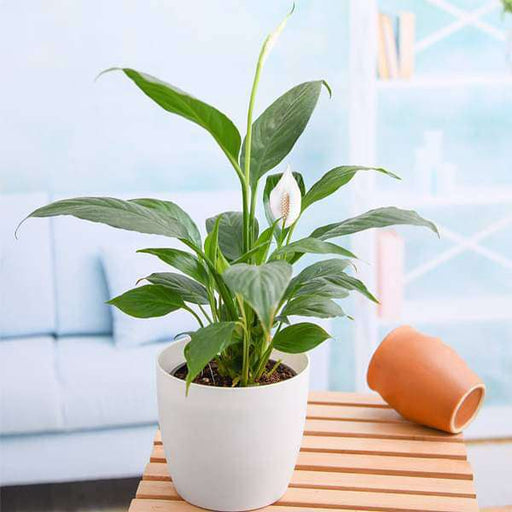
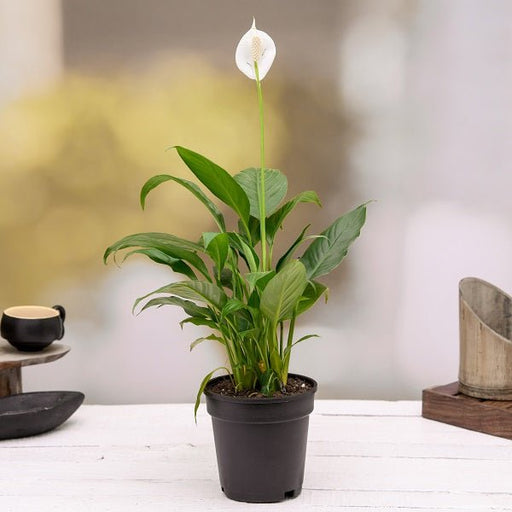
Peace Lily, Spathiphyllum - Plant The Peace Lily, scientifically known as Spathiphyllum, is a stunning houseplant celebrated for its elegant white...
View full details
Save 18%
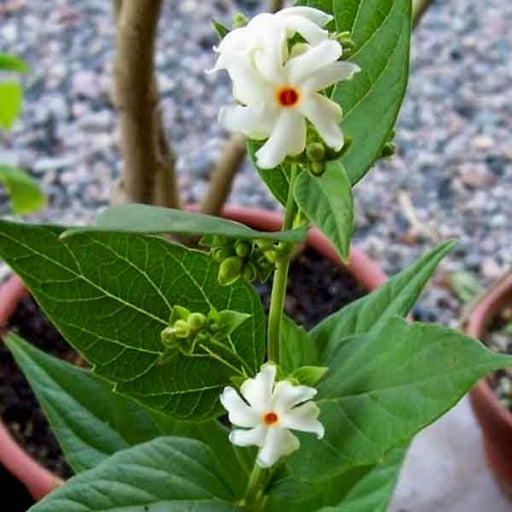
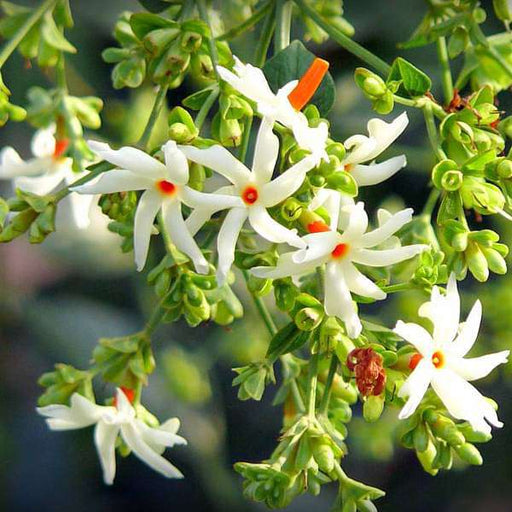
Combo Constituents Includes the Parijat Tree (Night-Flowering Jasmine), a culturally significant plant with fragrant flowers. Description The Pari...
View full details
Save 25%
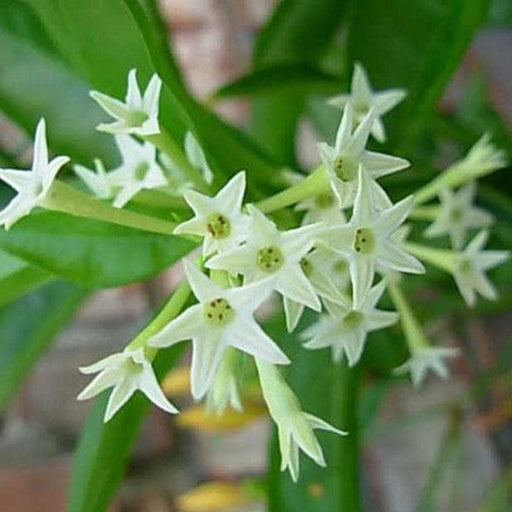
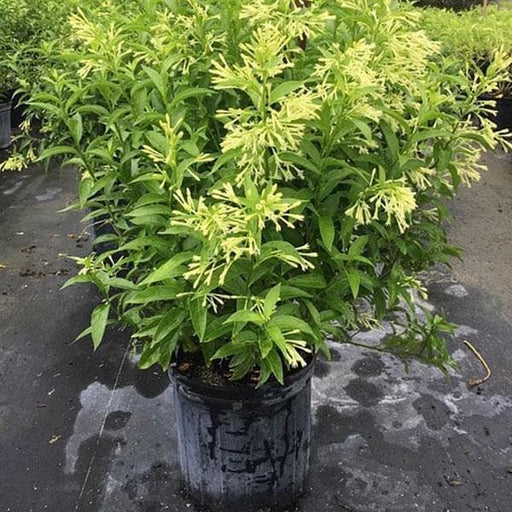
Description Raat Ki Rani (*Cestrum nocturnum*), also known as Night Blooming Jasmine, is a fragrant shrub native to the Caribbean and Central Ameri...
View full details
Save 25%
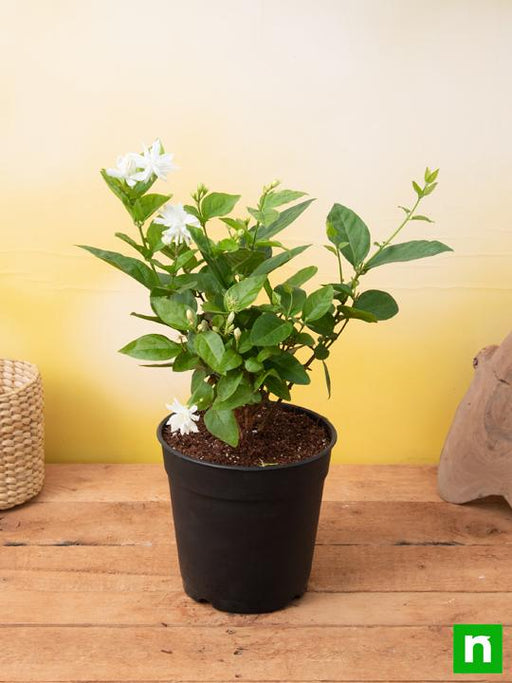
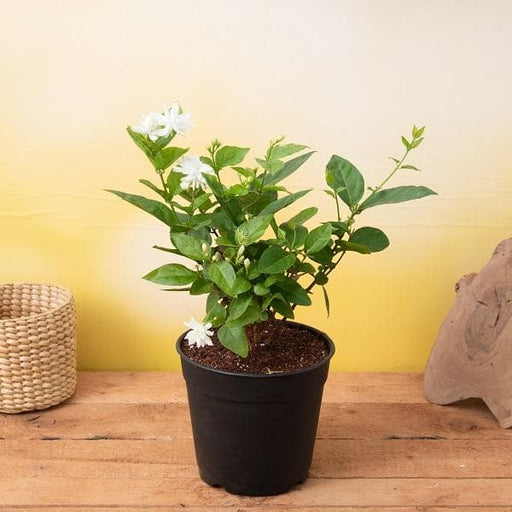
Jasminum sambac, Mogra, Arabian Jasmine - Plant Jasminum sambac, commonly known as Mogra or Arabian Jasmine, is a fragrant flowering plant...
View full details
Save 17%
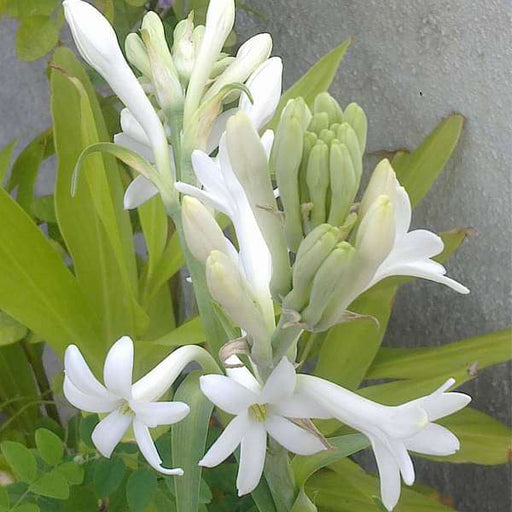
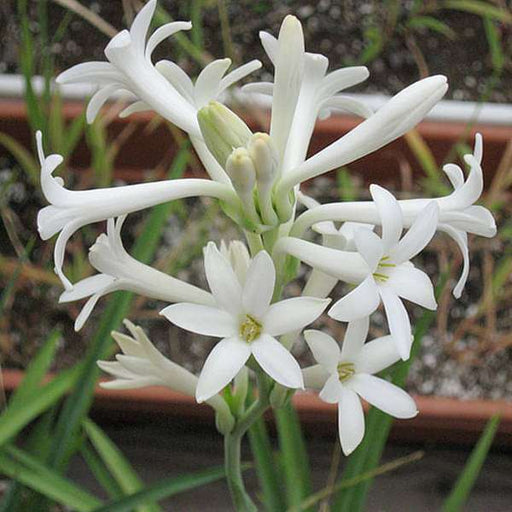
Rajnigandha, Tuberose - Plant The Rajnigandha, scientifically known as Polianthes tuberosa, is a captivating perennial plant renowned for ...
View full details
Sold out
Citronella, Odomas - Plant The Citronella plant, scientifically known as Cymbopogon nardus, is a tropical grass renowned for its aromatic ...
View full details
Save 25%
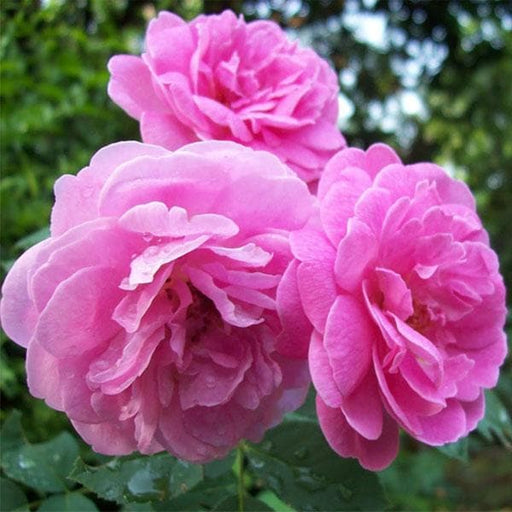
Damascus Rose, Scented Rose (Any Color) - Plant The Damascus Rose, also known as Rosa damascena, is a timeless symbol of beauty and romanc...
View full details
Save 35%
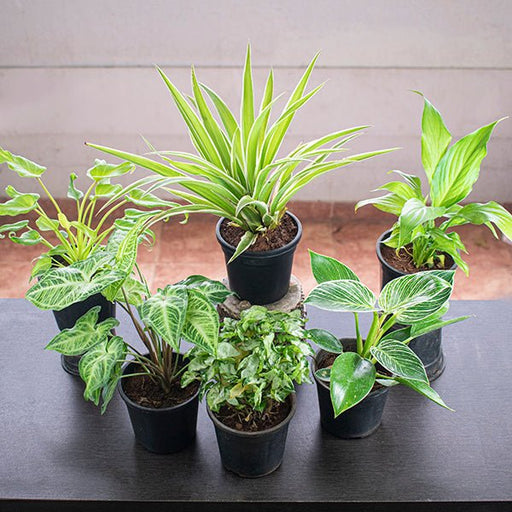
Best 6 Plants for Perfect Indoor Garden Transform your living space into a lush oasis with our curated collection of the Best 6 Plants for a...
View full details
Save up to 50%
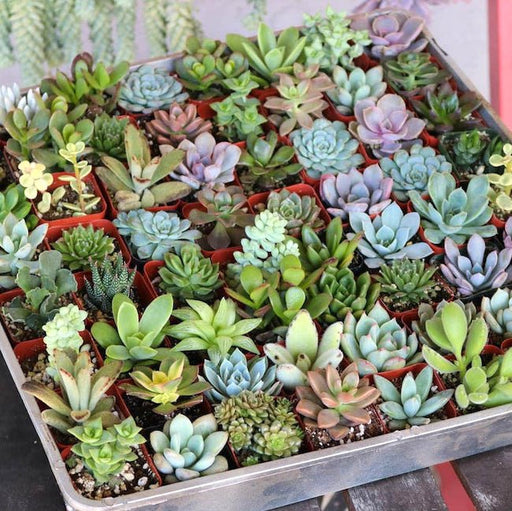
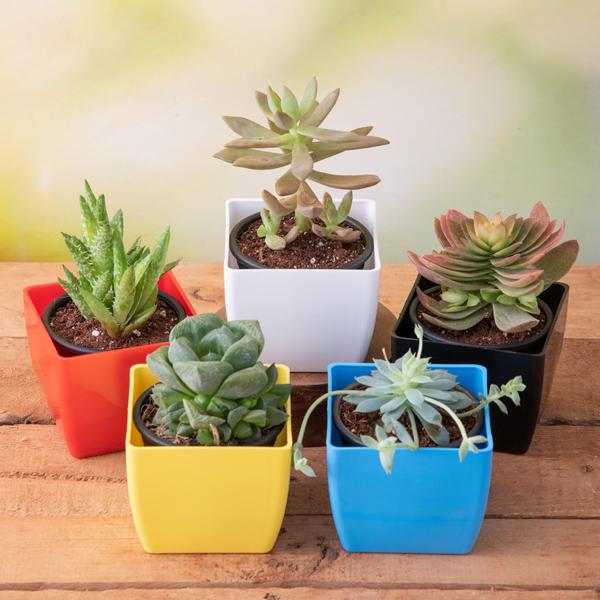
Mini Succulent Garden Pack Transform your space with our Mini Succulent Garden Pack, featuring a delightful collection of 4 any variety beautiful s...
View full details
Save 30%
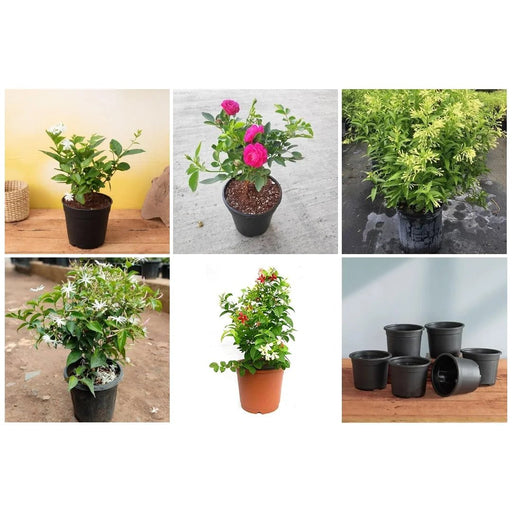
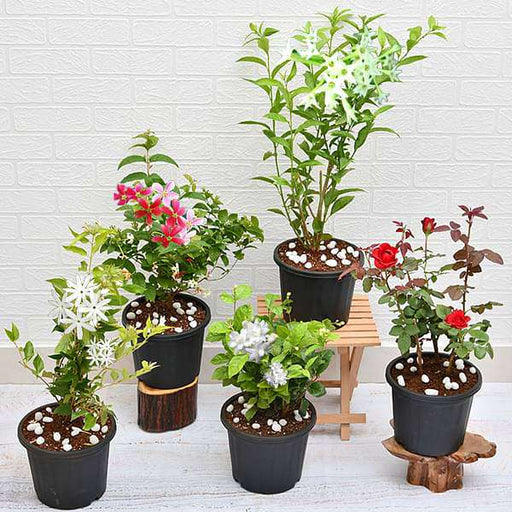
5 Best Fragrant Plants Transform your garden or indoor space into a fragrant paradise with our curated selection of the 5 Best Fragrant Plants. Th...
View full details
Save 24%
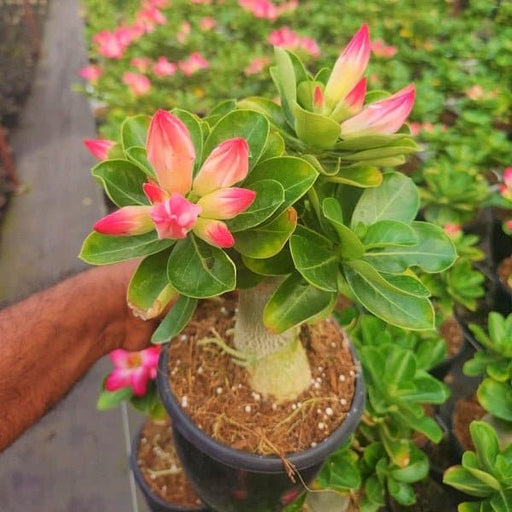
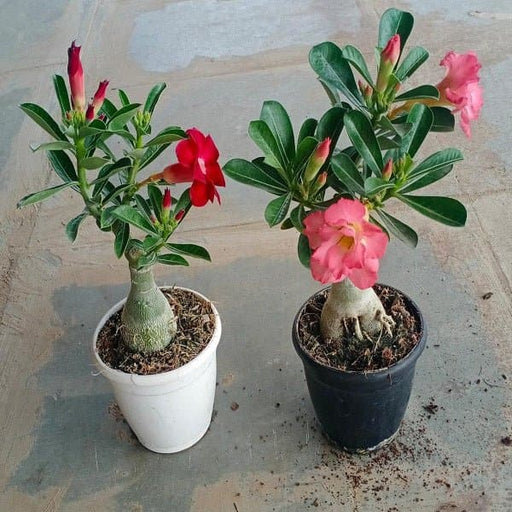
Set of 2 Bonsai Looking Grafted Adeniums Transform your indoor or outdoor space with our exquisite Set of 2 Bonsai Looking Grafted Adenium...
View full details
Save 45%
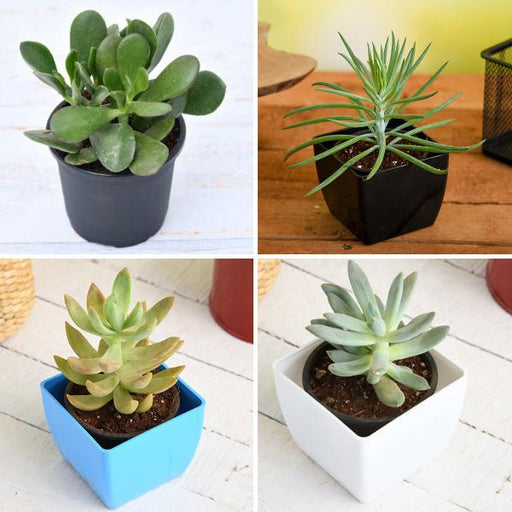
Top 4 Die Hard Succulents Pack Transform your indoor or outdoor space with our Top 4 Die Hard Succulents Pack, featuring a curated selecti...
View full details
Save 30%
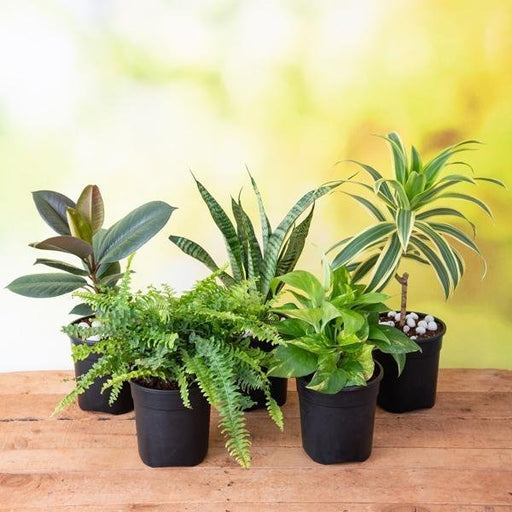
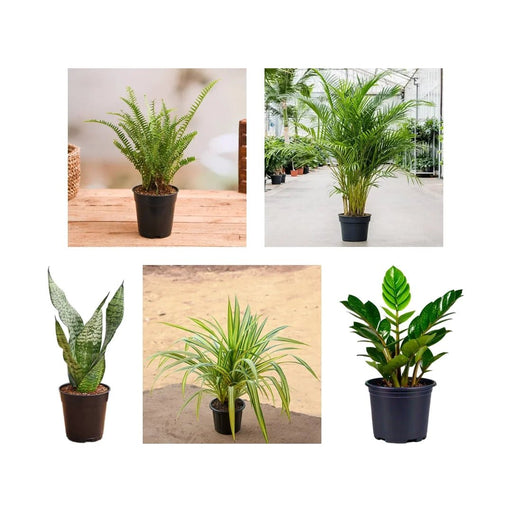
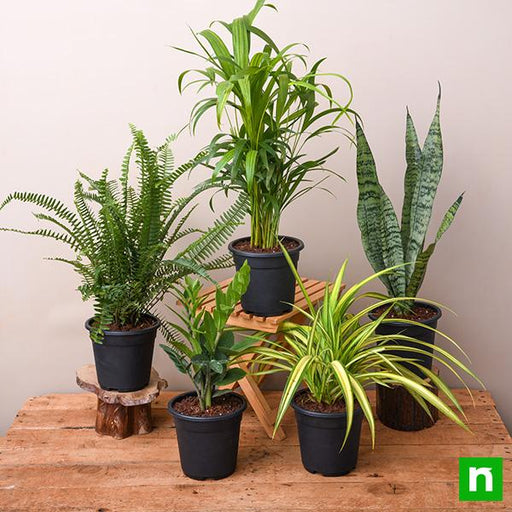
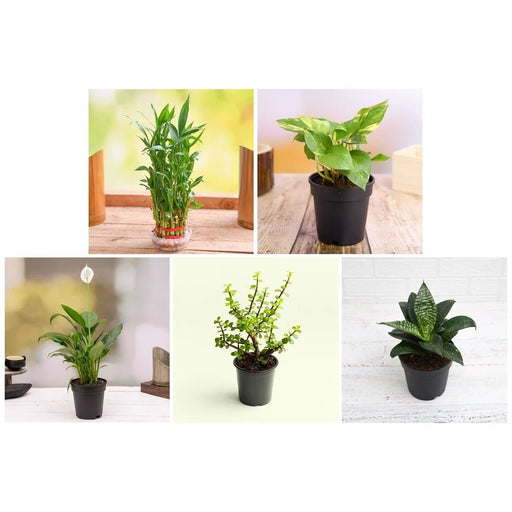
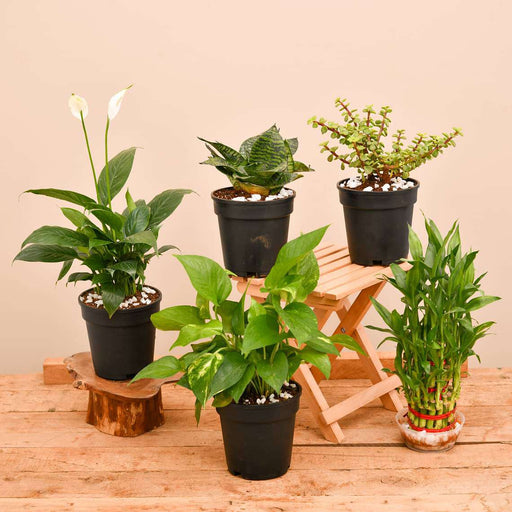
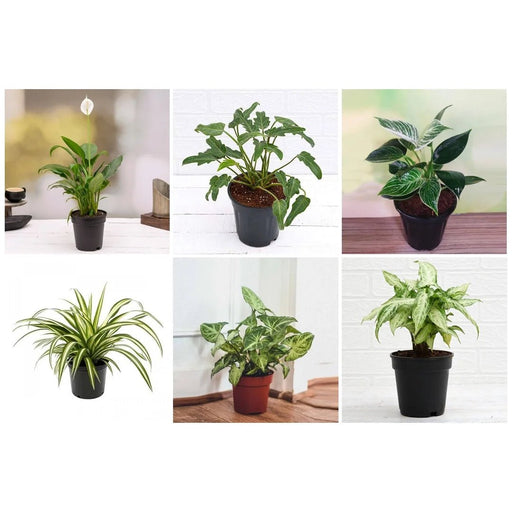
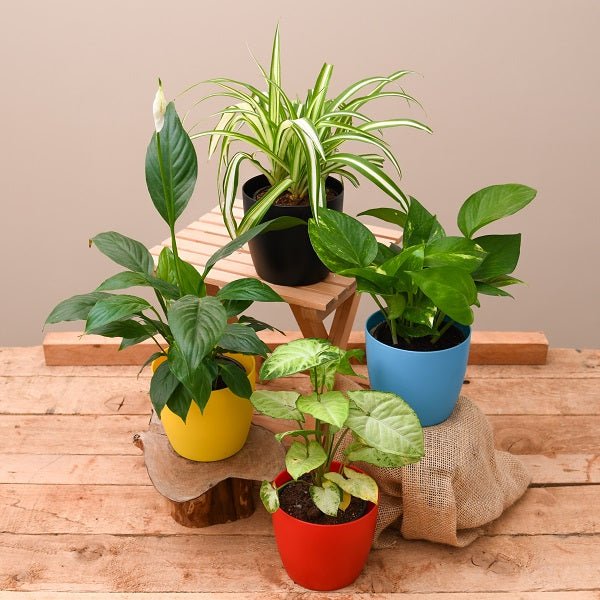
5 Best Indoor Plants Pack Transform your living space into a lush oasis with our '5 Best Indoor Plants Pack.' This carefully curated collection fe...
View full details
Save 25%
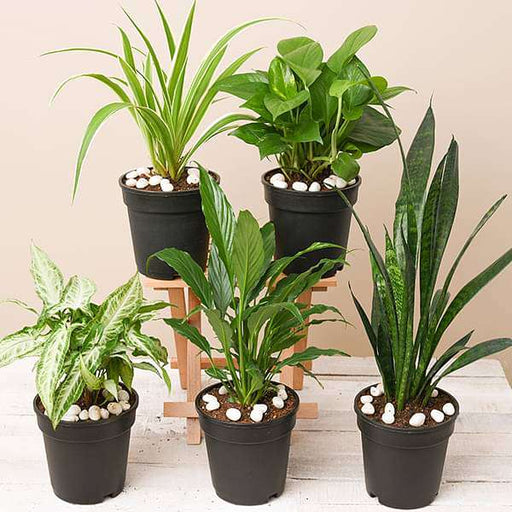
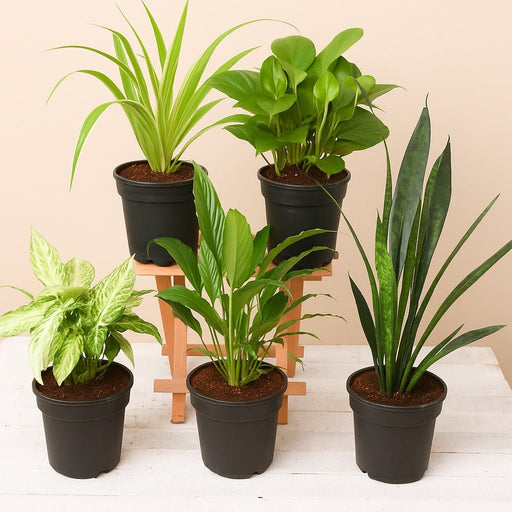
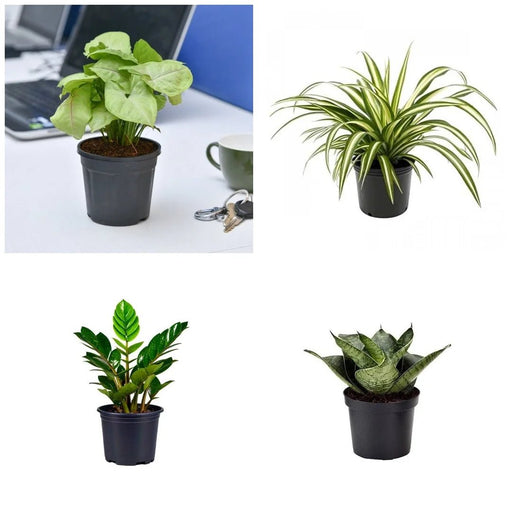
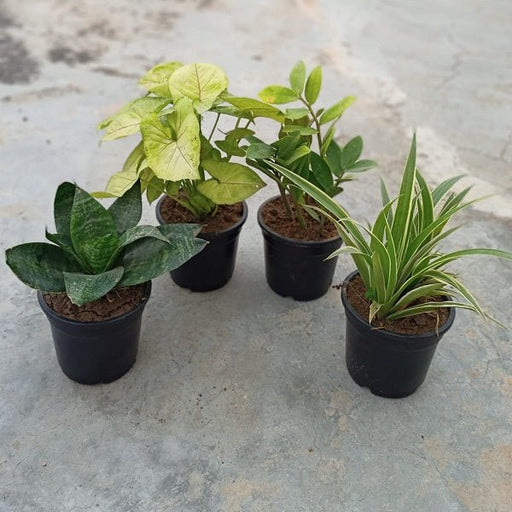
Set of 4 Evergreen Air Purifier Plant Pack Transform your indoor space into a lush, green oasis with our Set of 4 Evergreen Air Purifier Pla...
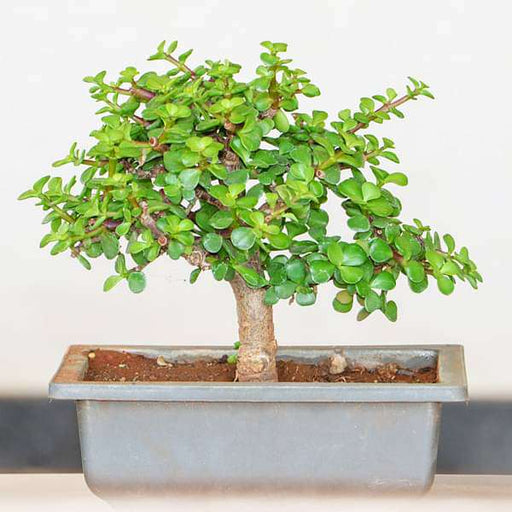
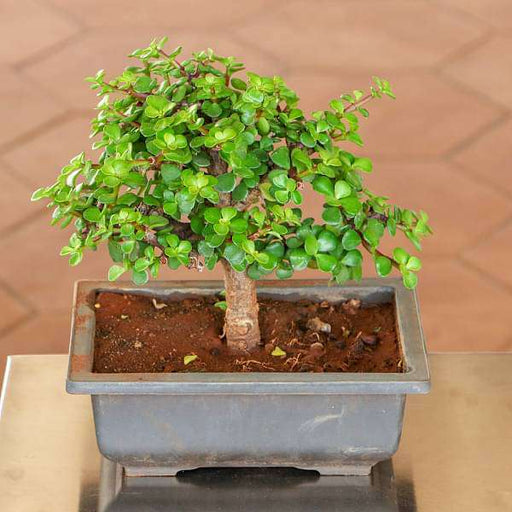
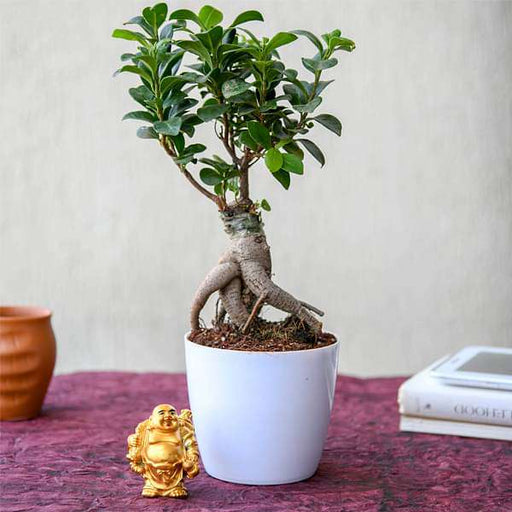
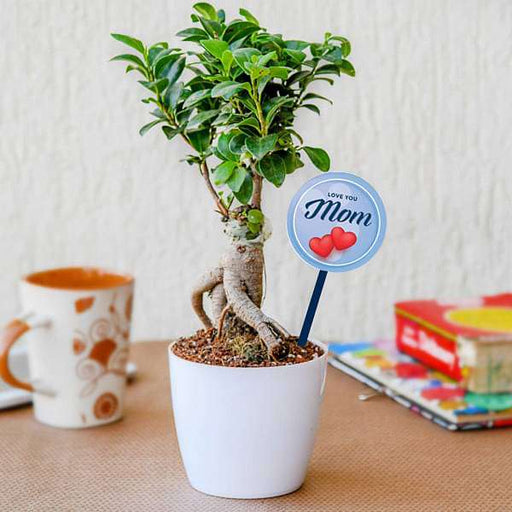
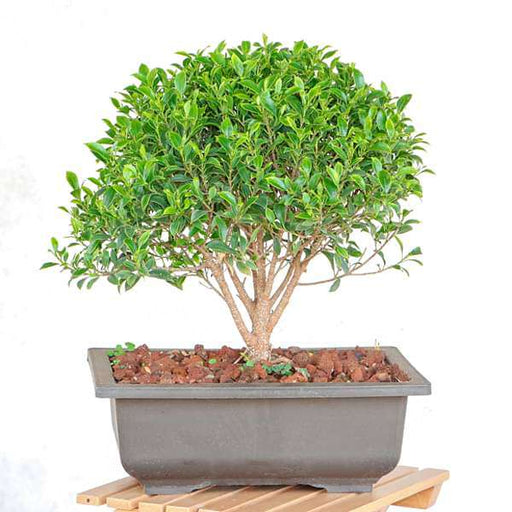
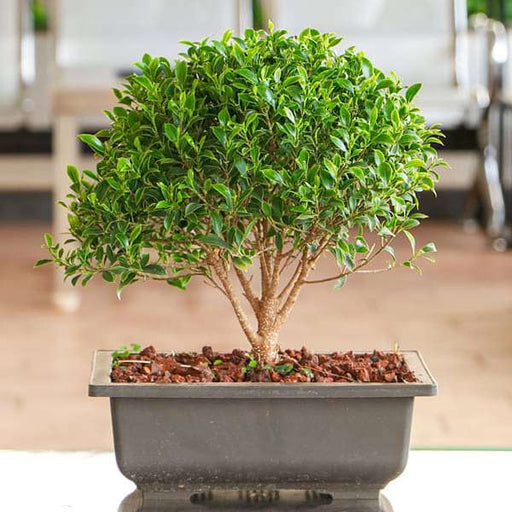
View full detailsDiscover the enchanting world of Bonsai Plants, where nature's beauty is artfully miniaturized. Each plant in our collection is a testament to the ancient practice of Bonsai, which originated in China over a thousand years ago and was refined in Japan. These living sculptures not only enhance your home decor but also promote mindfulness and tranquility, making them perfect companions for any space.
What makes our Bonsai Plants special is their unique ability to thrive in small containers while maintaining their intricate shapes and forms. Each species offers a different aesthetic, from the elegant curves of the Ficus to the rugged charm of the Juniper. With proper care, these plants can live for decades, becoming cherished heirlooms that tell a story of patience and dedication.
Growing Bonsai is a rewarding journey that requires attention and love. Our collection includes a variety of species, each with its own growing instructions and care needs. Whether you're a seasoned gardener or a beginner, our Bonsai Plants will inspire you to cultivate your green thumb and create a serene oasis in your home.
Bonsai plants are not just beautiful; they also have a rich scientific and historical significance. The art of Bonsai is rooted in the principles of horticulture and aesthetics, emphasizing the balance between nature and human creativity. Studies have shown that caring for plants can reduce stress and improve mental well-being, making Bonsai a therapeutic hobby.
Historically, Bonsai has been associated with Zen Buddhism, symbolizing harmony and peace. The environmental impact of cultivating Bonsai is also noteworthy; these plants contribute to air purification and biodiversity. By choosing a Bonsai, you are not only enhancing your living space but also supporting sustainable practices that benefit our planet.
There are many different types of bonsai plants, including evergreens, deciduous trees, and flowering trees. Consider choosing a variety that is well-suited to your climate and growing conditions.
Bonsai plants require regular care and attention to ensure their health and appearance. This includes proper watering, fertilization, pruning, and repotting. Consider consulting with a professional bonsai expert for tips on bonsai care.
Pruning is an important part of bonsai care and can help maintain the tree's shape and health. It's important to use proper pruning techniques and to prune at the right time of year.
Wiring is another technique used to shape and train bonsai plants. It's important to use proper wiring techniques and to monitor the tree for signs of wire damage.
Choosing the right soil for your bonsai plant is important for its health and growth. Consider using a well-draining soil mixture that is specifically designed for bonsai trees.
Bonsai plants are typically grown in small pots that are designed to limit their growth and maintain their shape. Consider choosing a pot that is well-suited to your bonsai plant and its growing needs.
There are many different bonsai styles, including formal upright, informal upright, and slanting. Consider exploring different bonsai styles to find one that suits your preferences.
Proper bonsai care requires the use of specialized tools, including shears, wire cutters, and concave cutters. Consider investing in high-quality bonsai tools for best results.
Bonsai plants are susceptible to a number of diseases, including fungal infections and insect infestations. It's important to monitor your bonsai plant for signs of disease and to take prompt action if necessary.
Bonsai plants can also be affected by pests, including spider mites and scale insects. Consider using natural pest control methods or consulting with a professional bonsai expert for help with pest management.
Displaying your bonsai plant can be an important part of bonsai cultivation. Consider using a display stand or incorporating your bonsai into a larger landscape or indoor decor.
Bonsai workshops and classes can be a great way to learn about bonsai care and cultivation. Consider attending a local bonsai workshop or class to improve your skills.
Bonsai has a long and fascinating history that dates back thousands of years. Consider learning more about the history of bonsai and its cultural significance.
Bonsai is considered an art form in many cultures, and creating a beautiful and well-cultivated bonsai tree can be a deeply rewarding experience. Consider exploring the artistic aspects of bonsai cultivation.
Finding inspiration for your bonsai plant can be a fun and creative process. Consider exploring different bonsai styles, researching different bonsai species, or taking a walk in nature for inspiration.
There are many different accessories available for bonsai cultivation, including watering cans, humidity trays, and fertilizer applicators. Consider investing in high-quality bonsai accessories for best results.
Bonsai is often associated with symbols of peace, harmony, and tranquility. Consider incorporating bonsai plants to your home or workspace as a way to promote these positive qualities.
Bonsai plants can make great gifts for friends and loved ones who appreciate gardening and nature. Consider gifting a bonsai plant to someone special for a unique and thoughtful present.
If you're new to bonsai cultivation, it's important to start with a beginner-friendly plant and to get guidance from a bonsai expert. Consider researching bonsai for beginners or consulting with a professional for advice.
Bonsai cultivation is often associated with Zen practices and principles, including mindfulness, simplicity, and focus. Consider incorporating bonsai cultivation into your personal Zen practice for a deeper sense of connection with nature and the world around you.
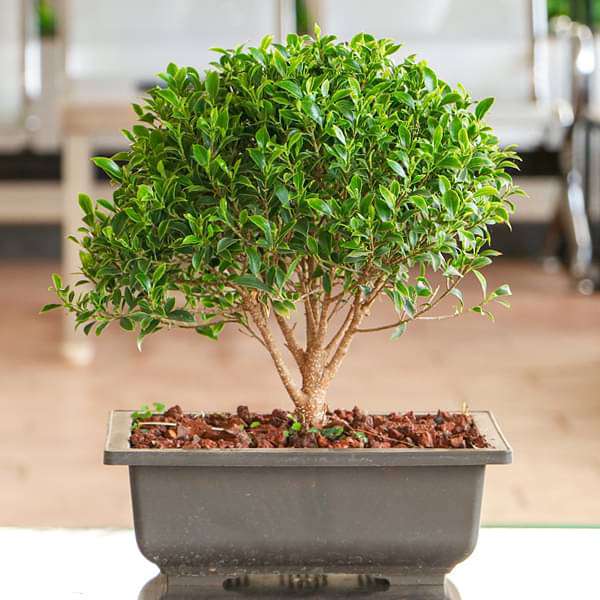
A bonsai plant is a miniature tree grown in a small container and trained to take on a specific shape or form through careful pruning, wiring, and other techniques.
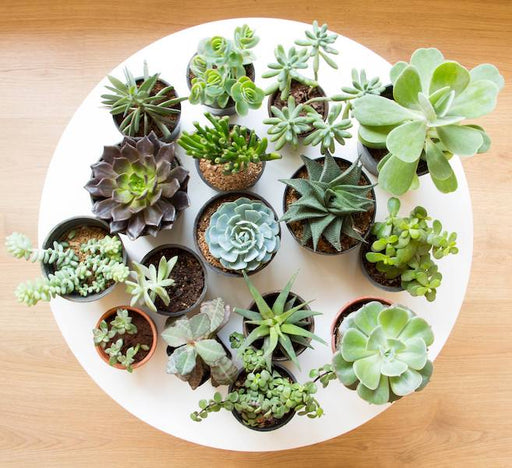
Yes, many bonsai plants can be grown indoors as long as they are placed near a window with bright, indirect light and kept at a consistent temperature.
The frequency of watering your bonsai plant depends on factors such as the species of tree, the size of the container, and the soil type. Generally, bonsai plants should be watered when the top inch of soil is dry to the touch.
Fertilize your bonsai plant with a balanced fertilizer during the growing season, and use a slow-release fertilizer for long-term feeding.
The best soil for bonsai plants is a well-draining, fast-drying soil mixture that is rich in organic matter and inorganic materials such as sand, pumice, or perlite.
Prune your bonsai plant regularly to maintain its shape and promote healthy growth. Use sharp pruning shears and cut just above a leaf node or bud to encourage new growth.
You will need a range of tools for bonsai gardening, including pruning shears, wire cutters, concave cutters, root hooks, and bonsai scissors.
Bonsai plants should be repotted every 1-3 years, depending on the size of the container and the growth rate of the plant.
Yes, bonsai plants can be propagated from cuttings, seeds, or layering techniques.
Some common bonsai plant species in India include Ficus, Juniper, Chinese Elm, and Maple.
Wiring your bonsai plant involves wrapping copper or aluminum wire around the branches and trunk to shape them into the desired form. Wire should be removed after a few months to prevent it from cutting into the bark.
Prevent pests and diseases in your bonsai plant by keeping it healthy and free of debris, using a well-draining soil mix, and treating any issues promptly with organic or chemical solutions.
Yes, many fruit trees can be grown as bonsai plants, including citrus, apple, and pomegranate.
Display your bonsai plant in a well-lit area with a simple backdrop to highlight its beauty. You can also use stands or accent pieces to add visual interest.
Shape your bonsai plant through careful pruning, wiring, and other techniques such as defoliation or clip and grow.
Yes, bonsai plants can be grown from cuttings taken from the mother plant and planted in well-draining soil with rooting hormone.
Protect your bonsai plant from extreme temperatures by placing it in a location with consistent temperatures and providing extra insulation during cold snaps.
Yes, bonsai plants can be grown from seed, but it may take several years to see the desired results.
Choose a bonsai plant based on your personal preferences, the available space, and the amount of time you are willing to dedicate to its care. Consider the species, shape, and size of the tree, as well as the style of the container.
Prune your bonsai plant when it is actively growing and has reached the desired shape or size. Avoid pruning during periods of dormancy or stress.
Yes, bonsai plants can be grown in terrariums as long as the container is large enough to accommodate their root system and they receive adequate light and ventilation.
The best time of year to repot your bonsai plant is in the spring or early summer, when the tree is actively growing and can recover quickly from the shock of repotting.
Train your bonsai plant to grow in a certain direction by using wire to gently bend the branches and trunk into the desired shape. Be careful not to damage the bark or leaves.
Indoor bonsai plants are typically species that thrive in low light and moderate temperatures, while outdoor bonsai plants are more cold-hardy and require full sun and seasonal changes in temperature.
Yes, succulent species such as Crassula, Sedum, and Echeveria can be grown as bonsai plants.
Choose a container that is proportional to the size and style of your bonsai plant and has adequate drainage holes. Consider the material of the container and its color and texture as well.
Create a bonsai landscape by selecting a variety of species with complementary colors, shapes, and sizes, and arranging them in a container with soil and accent pieces such as rocks or figurines.
Reduce the frequency of fertilizer application during the winter months, and use a lower nitrogen formula to promote root growth and winter hardiness.
Common mistakes to avoid when growing bonsai plants include overwatering, underwatering, improper pruning, using the wrong soil mix, and neglecting to repot the plant when necessary.
Growing a mature bonsai plant can take anywhere from 3-10 years or more, depending on the species, growth rate, and desired size and shape of the tree. Patience and dedication are key to success in bonsai gardening.