Not recd as per Picture on Website
Available 24/7
Available 24/7
Save up to 15%
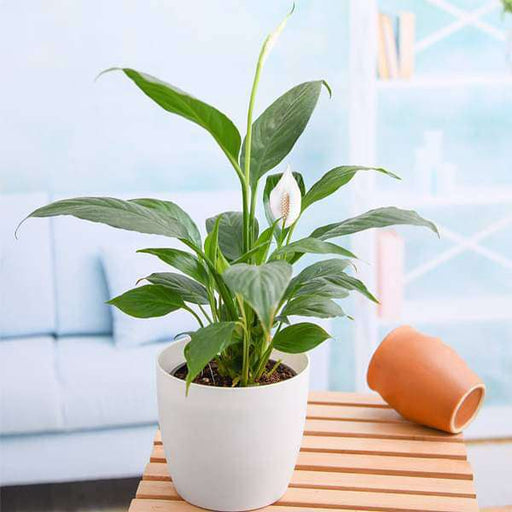
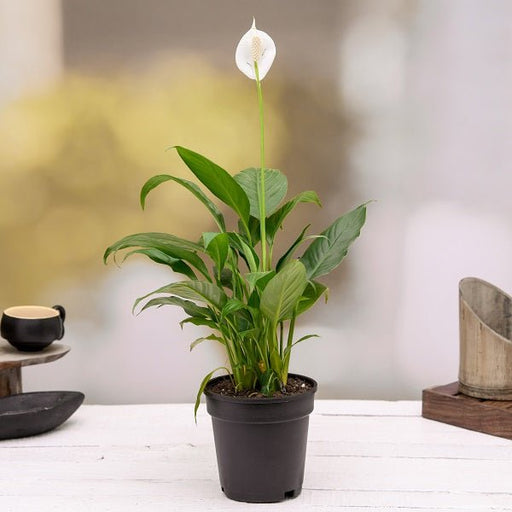
Peace Lily, Spathiphyllum - Plant The Peace Lily, scientifically known as Spathiphyllum, is a stunning houseplant celebrated for its elegant white...
View full details
Save 18%
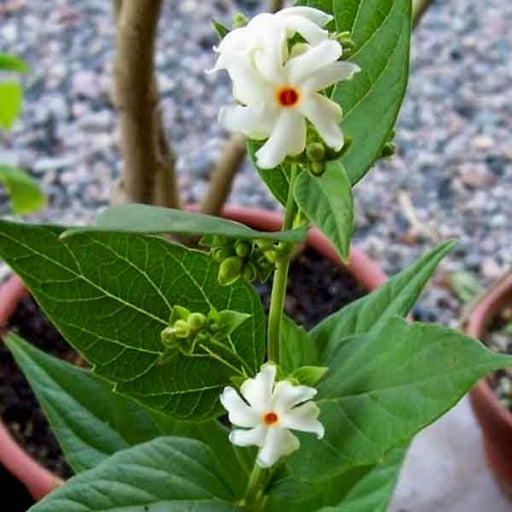
Combo Constituents Includes the Parijat Tree (Night-Flowering Jasmine), a culturally significant plant with fragrant flowers. Description The Pari...
View full details
Save 25%
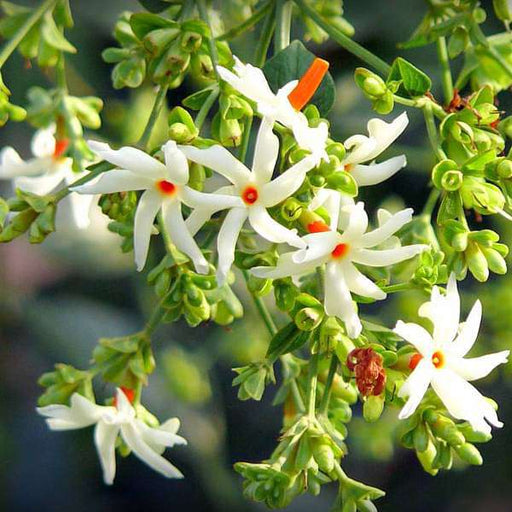
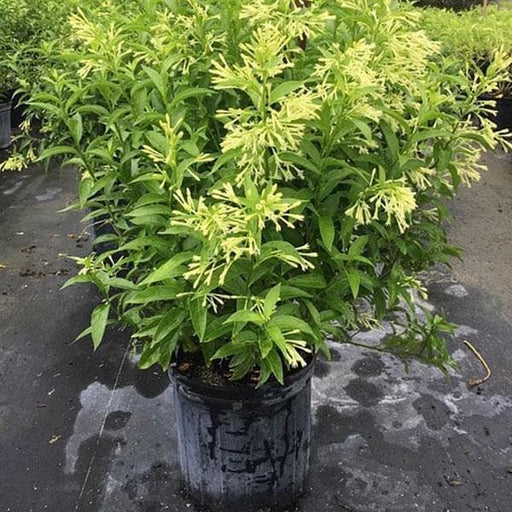
Description Raat Ki Rani (*Cestrum nocturnum*), also known as Night Blooming Jasmine, is a fragrant shrub native to the Caribbean and Central Ameri...
View full details
Save 25%
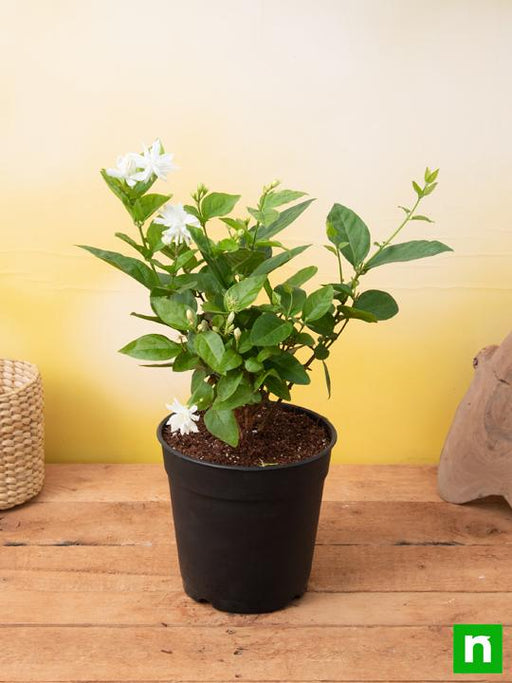
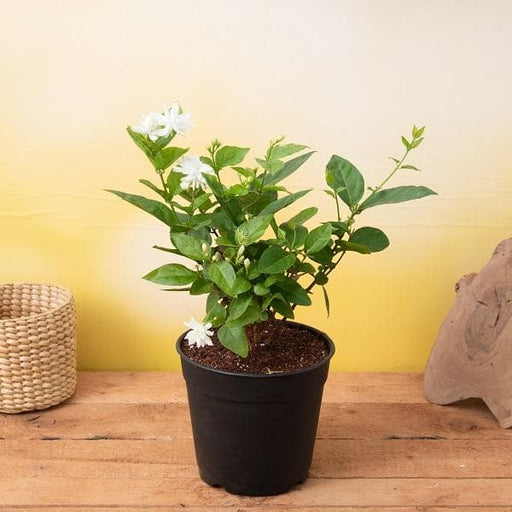
Jasminum sambac, Mogra, Arabian Jasmine - Plant Jasminum sambac, commonly known as Mogra or Arabian Jasmine, is a fragrant flowering plant...
View full details
Save 17%
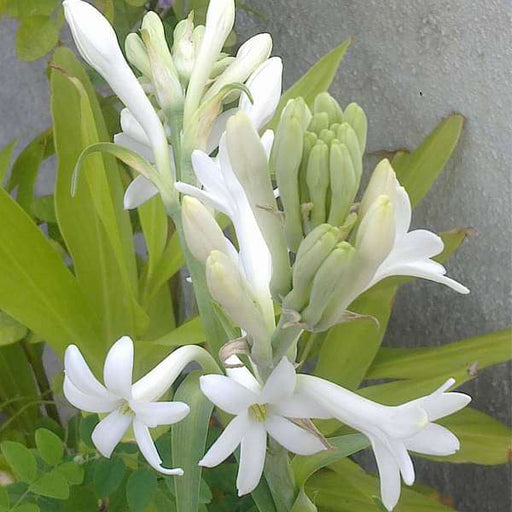
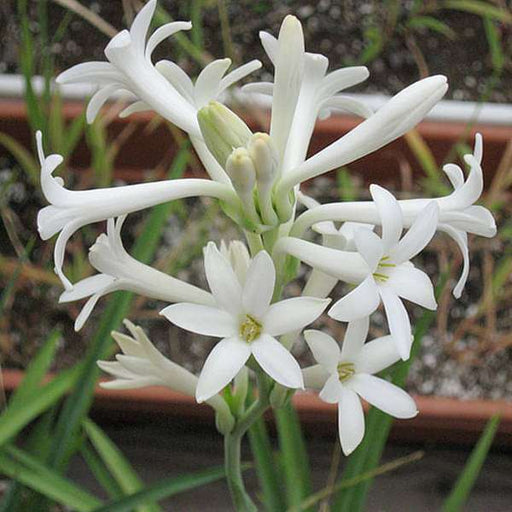
Rajnigandha, Tuberose - Plant The Rajnigandha, scientifically known as Polianthes tuberosa, is a captivating perennial plant renowned for ...
View full details
Sold out
Citronella, Odomas - Plant The Citronella plant, scientifically known as Cymbopogon nardus, is a tropical grass renowned for its aromatic ...
View full details
Save 25%
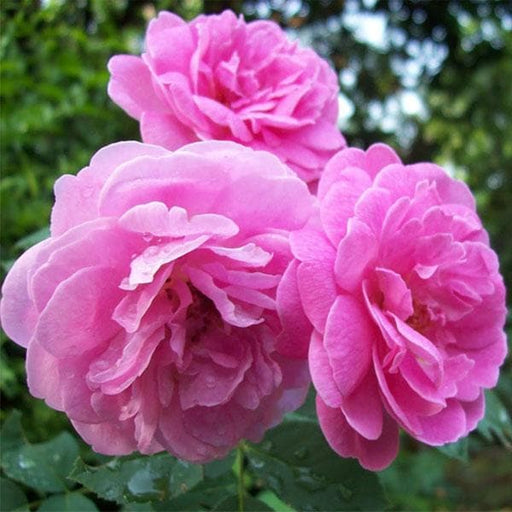
Damascus Rose, Scented Rose (Any Color) - Plant The Damascus Rose, also known as Rosa damascena, is a timeless symbol of beauty and romanc...
View full details
Save 35%
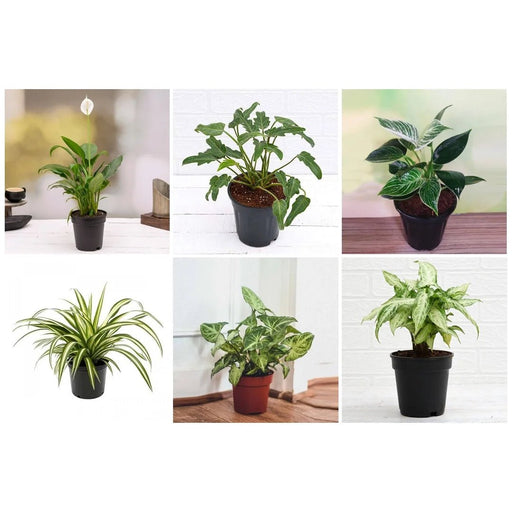
Best 6 Plants for Perfect Indoor Garden Transform your living space into a lush oasis with our curated collection of the Best 6 Plants for a...
View full details
Save up to 50%
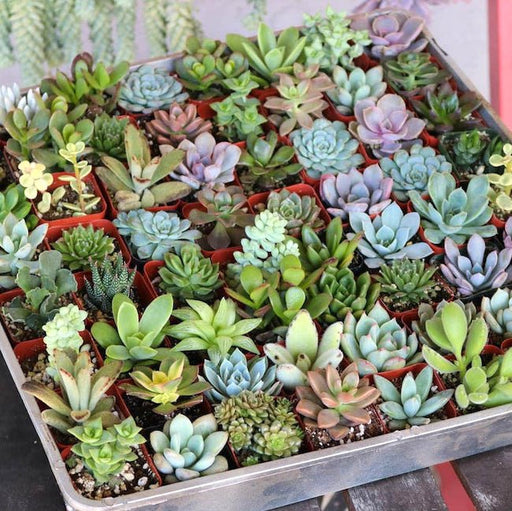
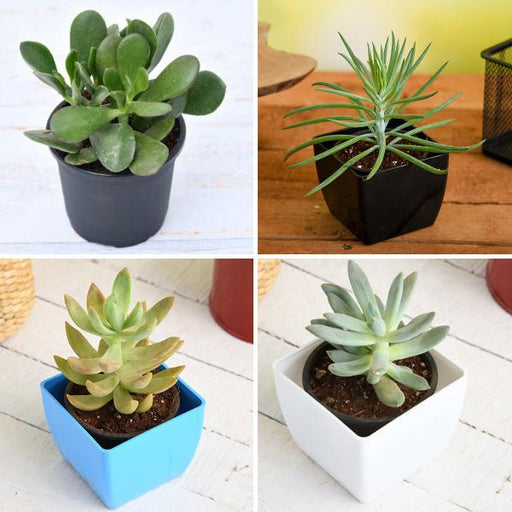
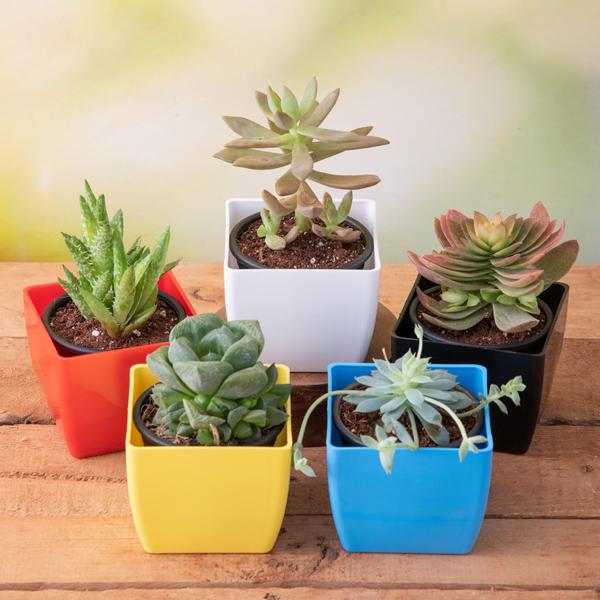
Mini Succulent Garden Pack Transform your space with our Mini Succulent Garden Pack, featuring a delightful collection of 4 any variety beautiful s...
View full details
Save 30%
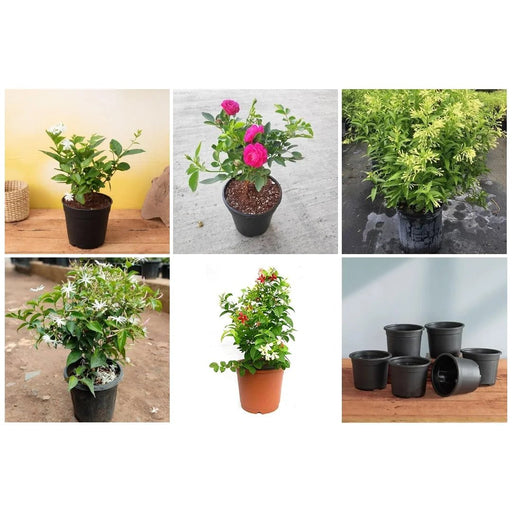
5 Best Fragrant Plants Transform your garden or indoor space into a fragrant paradise with our curated selection of the 5 Best Fragrant Plants. Th...
View full details
Save 24%
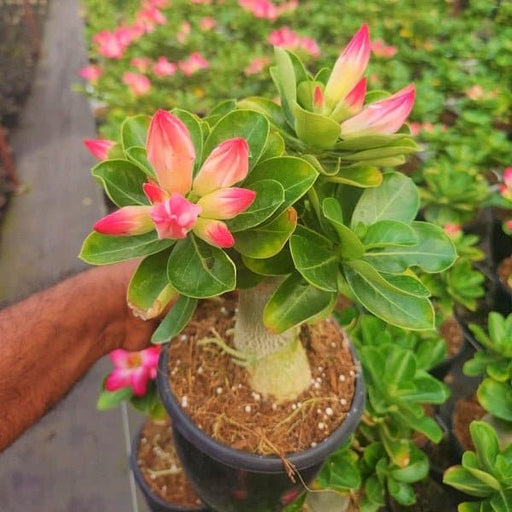
Set of 2 Bonsai Looking Grafted Adeniums Transform your indoor or outdoor space with our exquisite Set of 2 Bonsai Looking Grafted Adenium...
View full details
Save 45%
Top 4 Die Hard Succulents Pack Transform your indoor or outdoor space with our Top 4 Die Hard Succulents Pack, featuring a curated selecti...
View full details
Save 30%
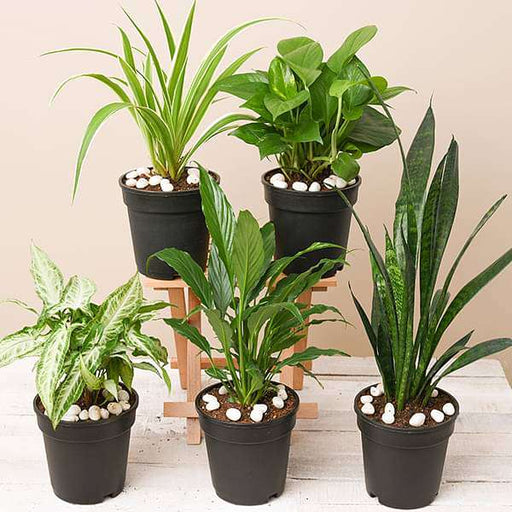
5 Best Indoor Plants Pack Transform your living space into a lush oasis with our '5 Best Indoor Plants Pack.' This carefully curated collection fe...
View full details
Save 25%
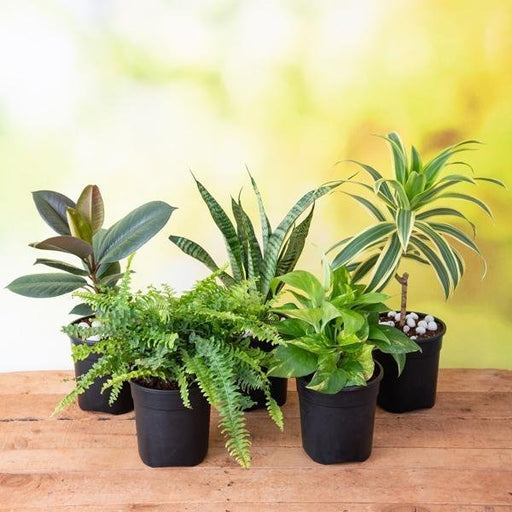
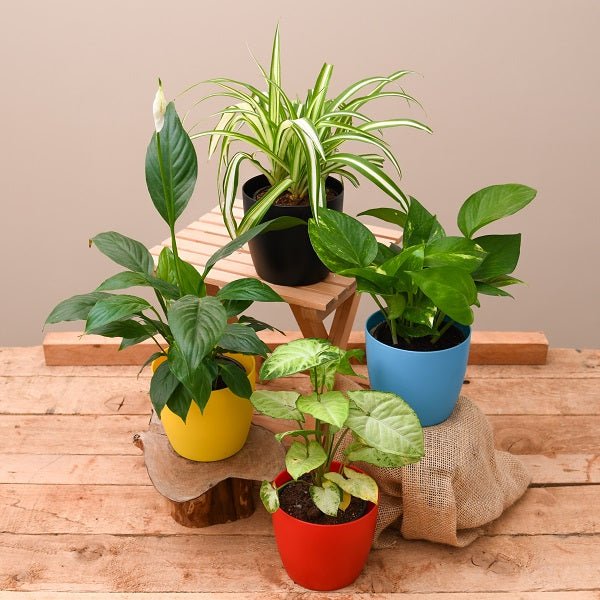
Set of 4 Evergreen Air Purifier Plant Pack Transform your indoor space into a lush, green oasis with our Set of 4 Evergreen Air Purifier Pla...
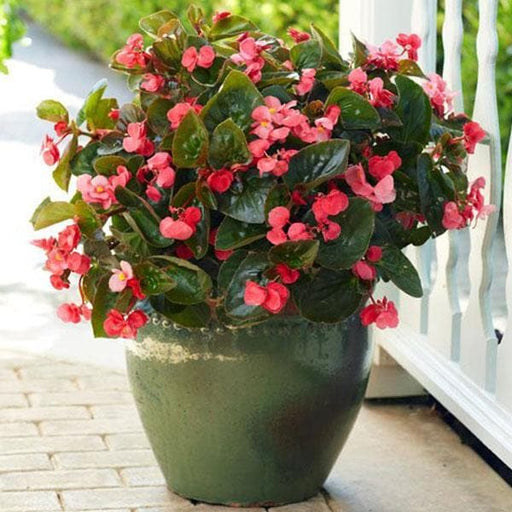
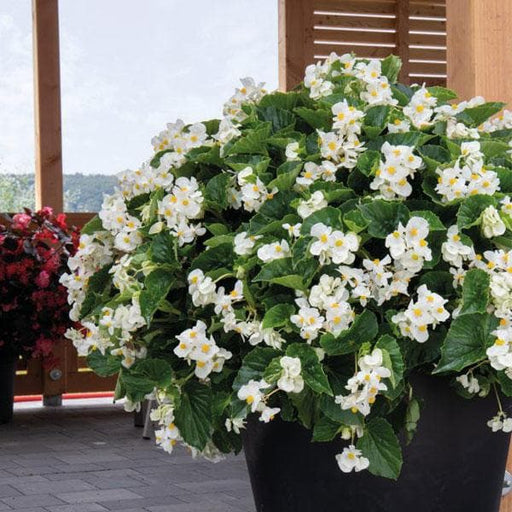
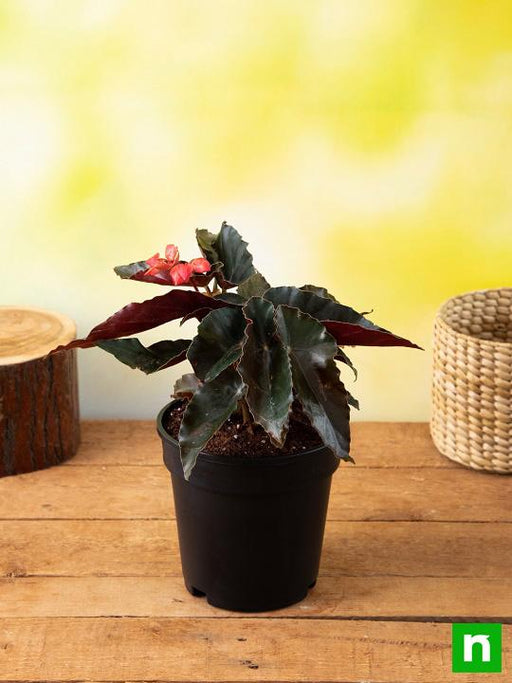
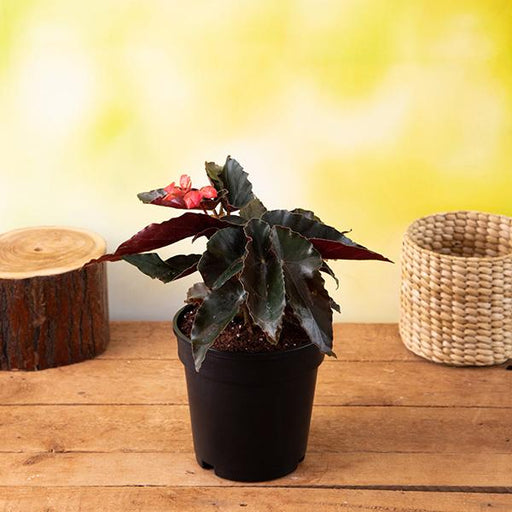
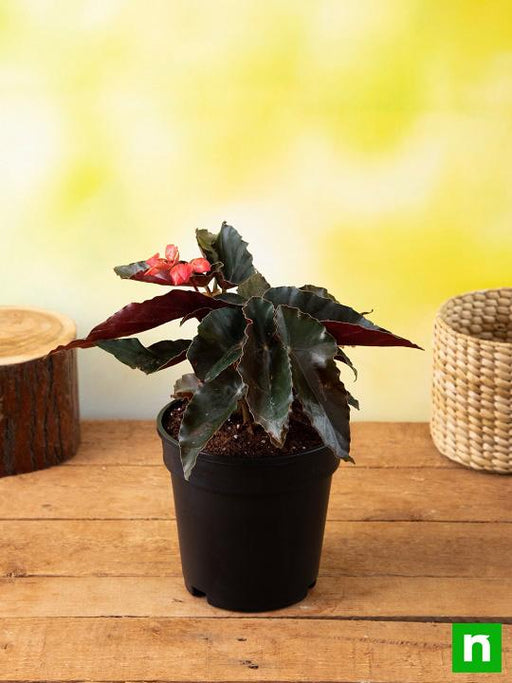
View full detailsWelcome to our exquisite Begonia Plants Collection, where vibrant colors and unique leaf patterns come together to create a stunning display for any indoor or outdoor space. Known for their ornamental beauty, begonias are a favorite among plant enthusiasts and are perfect for adding a touch of elegance to your home or garden. With a variety of species available, each begonia offers its own distinct charm, making them a delightful addition to your plant collection.
What makes begonias truly special is their versatility. They thrive in various environments, from shaded gardens to bright indoor spaces, and their lush foliage can brighten up any corner. Additionally, begonias are relatively easy to care for, making them an ideal choice for both novice and experienced gardeners. With their ability to bloom year-round, these plants provide continuous beauty and joy.
Growing begonias is a rewarding experience, as they not only enhance your living space but also contribute to improved air quality. These plants are known to filter toxins from the air, making them a healthy choice for your home. Explore our collection today and discover the perfect begonia to elevate your plant game!
Scientifically, begonias belong to the family Begoniaceae and are native to tropical and subtropical regions. They are known for their unique asymmetrical leaves and beautiful flowers, which can be single or double. The most popular species include Begonia rex, known for its striking foliage, and Begonia semperflorens, which is celebrated for its continuous blooms. These plants play a significant role in biodiversity, providing habitats for various insects and contributing to the ecosystem.
Historically, begonias have been cultivated since the 17th century, with their popularity soaring in Victorian gardens. They have been used in traditional medicine for their anti-inflammatory properties and are often featured in botanical gardens worldwide. Environmentally, begonias help improve air quality and can be grown in urban settings, promoting green spaces and enhancing urban biodiversity.
Begonia plants are easy to care for, but still need some attention to thrive. This article will guide you on how to care for your Begonia plant, including watering, fertilizing, and pruning tips.
Begonia plants produce stunning flowers in a range of colors, from white to pink, red, and yellow. This article will delve into the anatomy of the Begonia flower and the symbolism behind its colors.
There are over 1,500 Begonia species, each with unique characteristics. This article will introduce you to some of the most popular Begonia varieties, including the angel wing Begonia, Rex Begonia, and tuberous Begonia.
Choosing the right pot and soil for your Begonia plant is crucial to its growth and health. This article will provide tips on how to pot your Begonia plant, including selecting the right pot size, soil type, and drainage.
Begonia plants prefer bright, indirect light but can tolerate some shade. This article will discuss the light requirements of Begonia plants and how to ensure they get the right amount of light.
Overwatering and underwatering are common mistakes in Begonia care. This article will teach you how to water your Begonia plant properly, including how often to water and how to tell when your plant needs water.
Fertilizing your Begonia plant is essential for promoting growth and flowering. This article will cover the different types of fertilizer you can use for Begonia plants and how to apply them.
Propagating Begonia plants can be done through division, cuttings, or seeds. This article will guide you through each method and provide tips on how to propagate your Begonia plant successfully.
Begonia plants can be susceptible to various diseases, including powdery mildew and stem rot. This article will discuss the common diseases that affect Begonia plants and how to prevent and treat them.
Pests like spider mites and mealybugs can infest Begonia plants and cause damage. This article will introduce you to the common pests that affect Begonia plants and how to control and prevent them.
Begonia plants prefer well-draining soil that is rich in organic matter. This article will cover the ideal soil requirements for Begonia plants and how to prepare the soil for planting.
Begonia leaves come in different shapes and sizes, from glossy to matte, and can provide clues to the plant's health. This article will discuss the different types of Begonia leaves and what they indicate about the plant's condition.
Healthy roots are essential for the growth and survival of Begonia plants. This article will cover the anatomy of Begonia roots and how to ensure they stay healthy and strong.
Begonia plants prefer warm, humid conditions but can tolerate cooler temperatures. This article will discuss the ideal temperature range for Begonia plants and how to protect them from extreme temperatures.
Begonia plants thrive in moderate to high humidity environments. This article will cover the ideal humidity requirements for Begonia plants and how to maintain a proper humidity level.
Begonia plants are known for their showy blooms that can last for weeks or even months. This article will discuss the factors that influence Begonia blooming and how to encourage your plant to produce more flowers.
Begonia plants are non-toxic to humans and pets, making them safe to have around. This article will cover some of the health benefits of Begonia plants and how they can be used in natural medicine.
Begonia plants make excellent houseplants and can add a touch of color to any space. This article will provide tips on how to incorporate Begonia plants into your home decor.
Begonia plants make thoughtful and long-lasting gifts for any occasion, from birthdays to housewarmings. This article will discuss the benefits of giving Begonia plants as gifts and how to care for them after gifting.
Begonia plants have inspired many artists and designers, and their unique shapes and colors make them popular subjects for art and decor. This article will showcase some of the creative ways that Begonia plants have been incorporated into art and design.
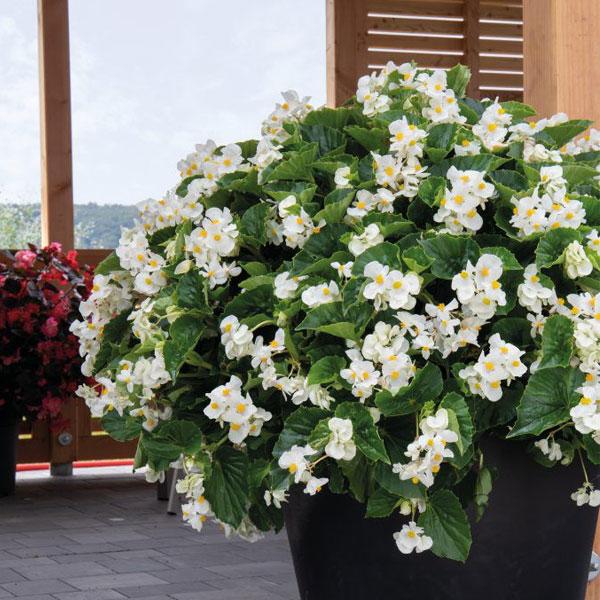
Begonia plants are a genus of flowering plants that are known for their showy flowers and attractive foliage. They are native to tropical and subtropical regions of the world, and are popular for use in indoor and outdoor gardens.
Begonia plants require bright, indirect sunlight and well-draining soil. They should be watered regularly, but the soil should be allowed to dry out slightly between waterings. Fertilizer can be applied every 2-3 weeks during the growing season.

There are over 1,000 species of Begonia plants, as well as numerous cultivars and hybrids. Common types include Tuberous Begonias, Rex Begonias, and Angel Wing Begonias.
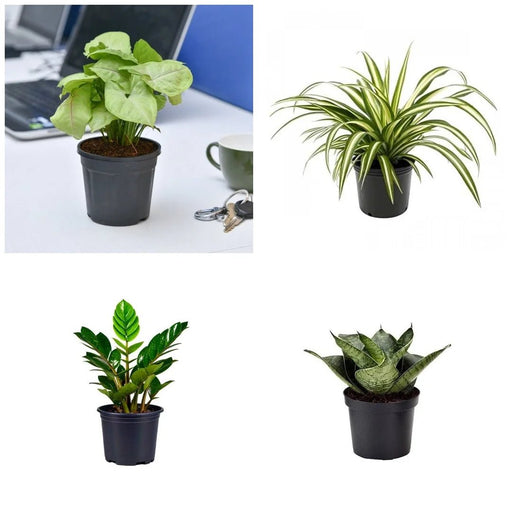
Begonia plants can be propagated through stem cuttings or leaf cuttings. It is important to use clean, sharp scissors and to plant the cuttings in well-draining soil.
To prevent legginess in Begonia plants, it is important to provide them with adequate sunlight and to pinch back the stems regularly.
Yes, Begonia plants can be grown indoors as long as they are given adequate sunlight and moisture. They can be used to add color and interest to any room.
Begonia plants are not considered toxic to pets or children, but ingestion may cause mild gastrointestinal upset. It is still important to keep them out of reach of children and pets.
Yes, Begonia plants can be grown in hanging baskets as long as they are given adequate support and moisture. They can be used to add color and interest to any space.
If the soil around the Begonia plant is dry to the touch, it may need more water. However, it is important not to overwater, as this can lead to root rot.
If the Begonia plant is not blooming or is growing slowly, it may need more light. It is important to provide it with bright, indirect sunlight.
To repot a Begonia plant, gently remove it from its current pot and place it in a larger container with fresh, well-draining soil. Water it thoroughly and allow it to settle in its new pot before moving it to its final location.
Yes, Begonia plants can be grown outdoors in areas with mild climates. They prefer partial shade and well-draining soil.
Begonia plants make beautiful additions to bouquets and floral arrangements. To display them, cut the stems at an angle and place them in a vase with fresh water. Keep the vase out of direct sunlight and change the water every few days.
While some species of Begonia plants have been used in traditional medicine for their anti-inflammatory and pain-relieving properties, it is important to consult with a healthcare professional before using any plant for medicinal purposes.
Begonia plants are susceptible to pests such as aphids, spider mites and mealybugs, as well as diseases such as powdery mildew and botrytis. Regular monitoring and proper care can help prevent these issues.
Begonia plants can be fertilized every 2-3 weeks during the growing season using a balanced fertilizer.
If the Begonia plant's leaves are turning yellow or brown, it may be getting too much sunlight. Move it to a shadier location and monitor its progress.
If the Begonia plant is not blooming or is growing slowly, it may be getting too little sunlight. Move it to a brighter location and monitor its progress.
Yes, Begonia plants can be grown from seed, but it can be difficult and time-consuming. It is often easier to propagate them through stem or leaf cuttings.
Yes, Begonia plants can be grown in terrariums as long as they are given adequate moisture and ventilation. They can add a beautiful touch of greenery to any enclosed space.
While Begonia plants can be propagated in water, they cannot be grown in water long-term as they require well-draining soil for proper growth.
Begonia plants prefer temperatures between 60-75°F (15-24°C) and should be protected from temperatures below 50°F (10°C).
Regular monitoring and proper care can help prevent pests and diseases on Begonia plants. If an issue arises, it can often be treated with organic methods such as insecticidal soap or neem oil.
Yes, Begonia plants can be grown in hydroponic systems as long as they are given proper nutrients and support.
Begonia plants can live for several years with proper care and maintenance.
Yes, Begonia plants can be grown in shade gardens as they prefer partial shade.
Begonia plants are not typically recommended for arid climates as they require moderate to high humidity for proper growth.
To prune a Begonia plant, use clean, sharp scissors to remove any dead or diseased stems or leaves. Pinching back the stems can also help promote bushier growth.
Begonia plants can be planted year-round in areas with mild climates, but it is typically recommended to plant them in the spring or summer.
Yes, Begonia plants can be used in container gardens and can add a beautiful touch of color and texture to any space.