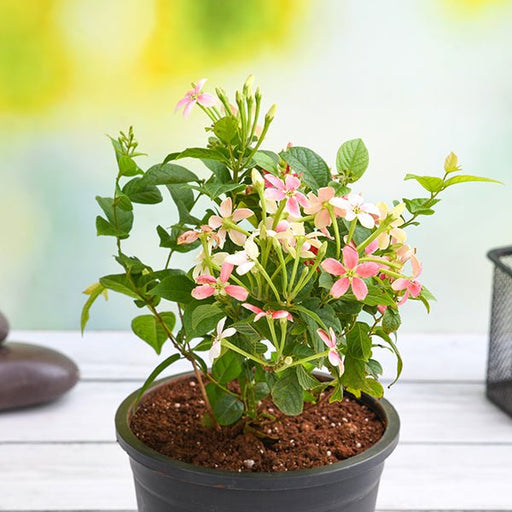
What is Allamanda Creeper, Pentalinon luteum (Yellow)?
Allamanda Creeper, also known as Pentalinon luteum, is a vibrant yellow flowering plant that loves to climb. With its glossy leaves and trumpet-shaped blooms, it’s like the diva of the garden, demanding attention and admiration. Perfect for trellises or fences, it adds a splash of sunshine wherever it goes!
How do I care for Allamanda Creeper?
Caring for Allamanda Creeper is like nurturing a celebrity—give it plenty of sunlight, well-drained soil, and regular watering. It thrives in warm climates, so don’t let it get chilly! Prune it occasionally to keep it looking fabulous and to encourage more blooms. Remember, a happy plant is a blooming plant!
Is Allamanda Creeper invasive?
While Allamanda Creeper can be a bit of a show-off, it’s not typically classified as invasive. However, it can spread quickly if left unchecked, so keep an eye on its ambitions. A little pruning goes a long way in keeping this climber in check and your garden looking pristine!
Can Allamanda Creeper grow in pots?
Absolutely! Allamanda Creeper can thrive in pots, making it a perfect choice for patios or balconies. Just ensure the pot has good drainage and provide a sturdy support for it to climb. With the right care, your potted Allamanda will be the talk of the town—or at least your neighborhood!
What are the ideal growing conditions for Allamanda Creeper?
Allamanda Creeper loves basking in full sun, so think of it as a sunbather! It prefers warm temperatures and well-drained soil. A little humidity won’t hurt either. Just remember, it’s not a fan of frost, so bring it indoors if the weather gets chilly. Happy growing!
How often should I water Allamanda Creeper?
Water your Allamanda Creeper regularly, but don’t drown it! Aim for once a week, allowing the soil to dry out slightly between waterings. In hotter months, it might need a little extra love. Just remember, too much water can lead to root rot—definitely not the kind of drama you want!
Does Allamanda Creeper attract pollinators?
Yes, indeed! Allamanda Creeper is like a magnet for pollinators, especially butterflies and bees. Its bright yellow flowers are irresistible to these little winged friends. Plant it in your garden, and you’ll have a buzzing party of pollinators, making your garden a lively and vibrant place!
Is Allamanda Creeper toxic to pets?
Yes, Allamanda Creeper is toxic to pets, so keep your furry friends at a safe distance. Ingesting any part of the plant can lead to unpleasant symptoms. If your pet has a taste for the dramatic, it’s best to choose pet-friendly plants instead. Safety first, garden glamour second!
When does Allamanda Creeper bloom?
Allamanda Creeper typically blooms from late spring to early fall, showering your garden with its sunny yellow flowers. It’s like a floral fireworks show, brightening up your outdoor space. With the right care, you can enjoy its blooms for months, making your garden the envy of the neighborhood!
Can I propagate Allamanda Creeper?
Absolutely! Propagating Allamanda Creeper is as easy as pie. You can take stem cuttings in spring or summer, dip them in rooting hormone, and plant them in well-draining soil. With a little patience and care, you’ll have new plants climbing and blooming in no time. Gardeners, start your propagation engines!
What pests should I watch for on Allamanda Creeper?
Keep an eye out for aphids, spider mites, and whiteflies—they can be the uninvited guests at your garden party. Regularly inspect your Allamanda Creeper and treat any infestations promptly. A little neem oil or insecticidal soap can help keep these pests at bay, ensuring your plant stays fabulous!


 White Marble Pebbles (1 kg)
₹199
White Marble Pebbles (1 kg)
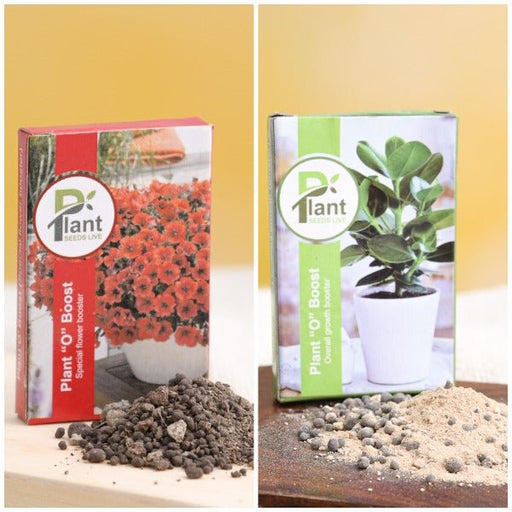
₹199 Plant O Boost — Growth Booster
₹239
Plant O Boost — Growth Booster
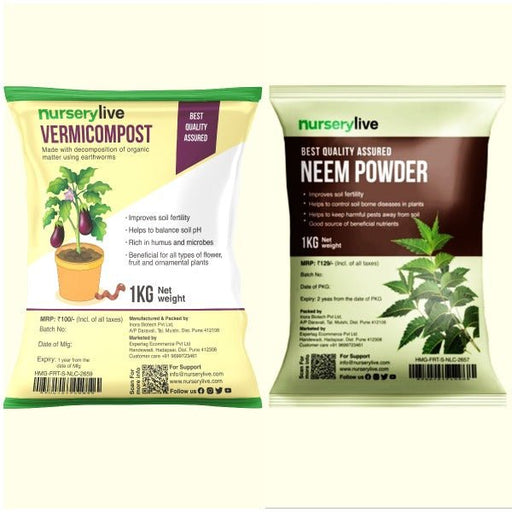
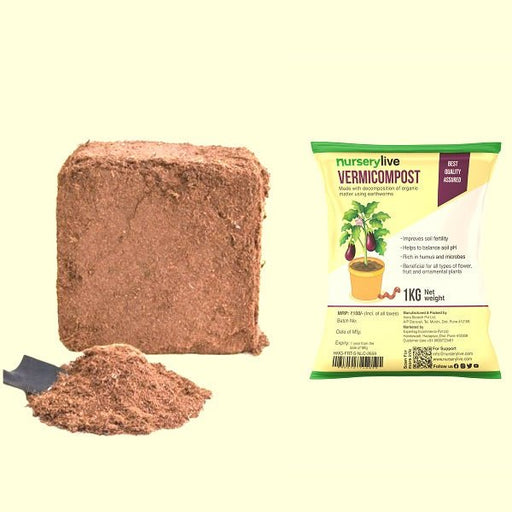
₹239 Garden Essential Plant Care Kit
₹599
Garden Essential Plant Care Kit
₹599