















Product not delivered but marked as delivered
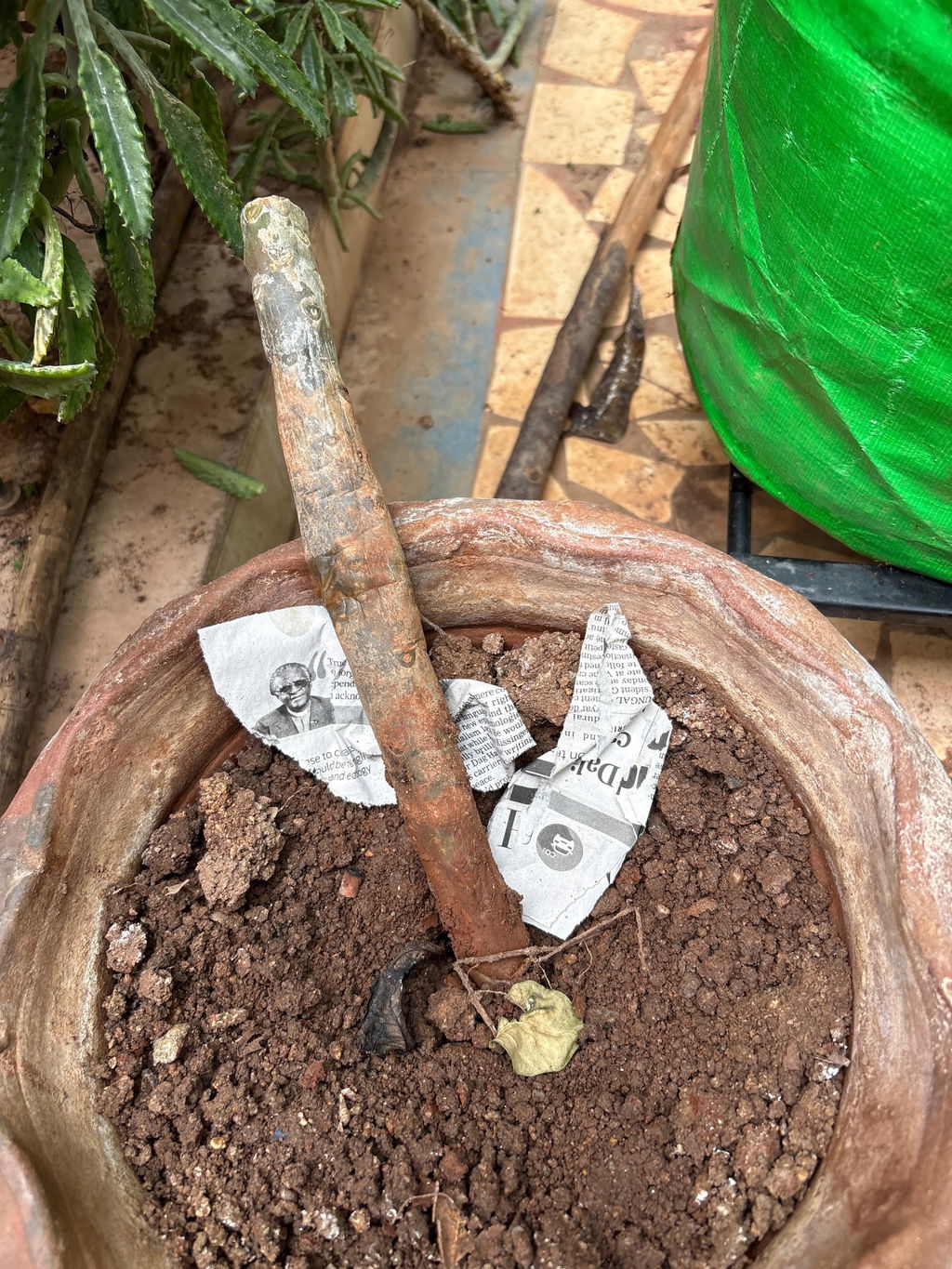
The plumeria had no roots it was just an unrooted stump. This rotted. Poor poor quality and expensive waste of money . Will you replace with a rooted plant?
Instead of Red bunny cactus, I received Roadkill cactus.
Plant was delivered in a plastic bag and seemed transferred recently into the pot. Mud was rough and plant was half dead and next day almost dead. Terrible waste of money. Need a refund.
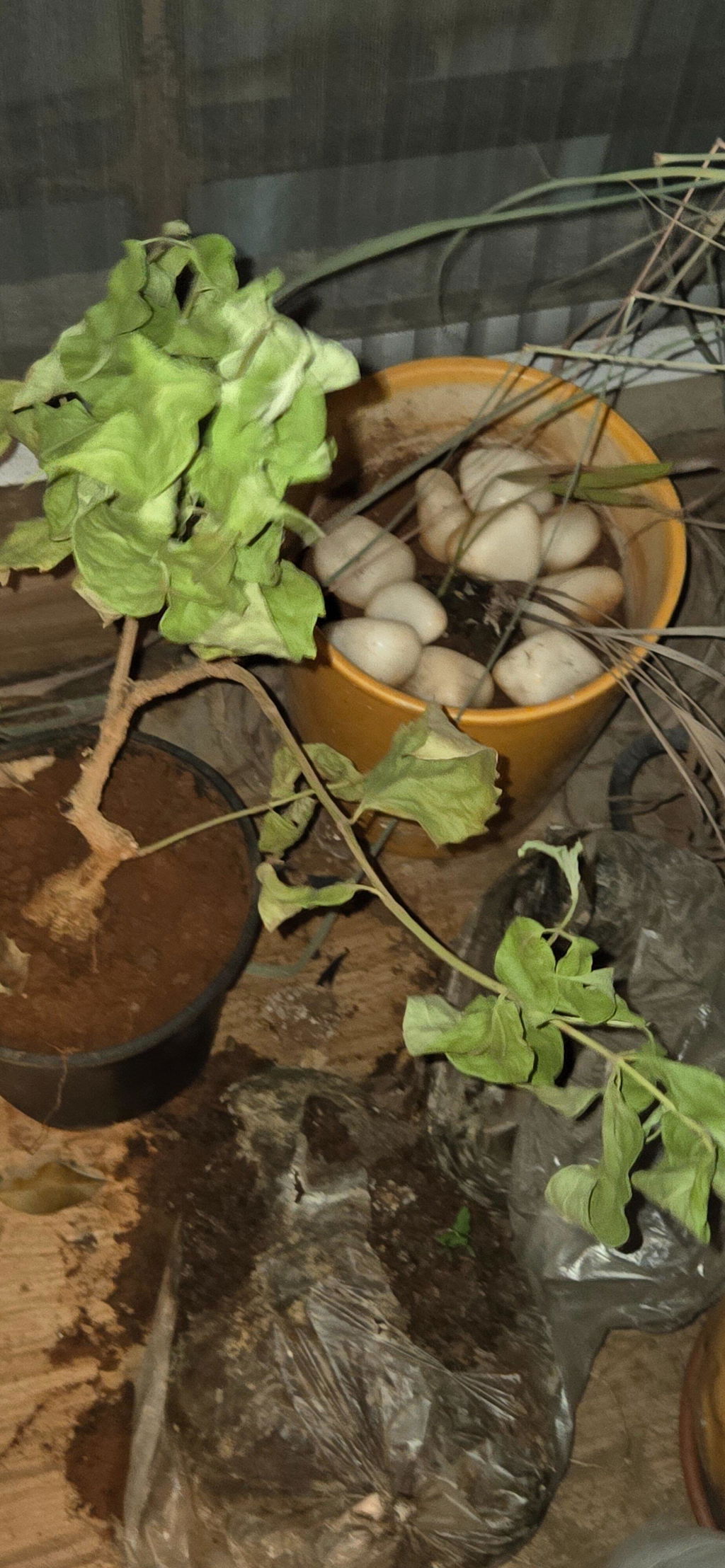
Plant dried and stopped growing . Not a single flower bloomed
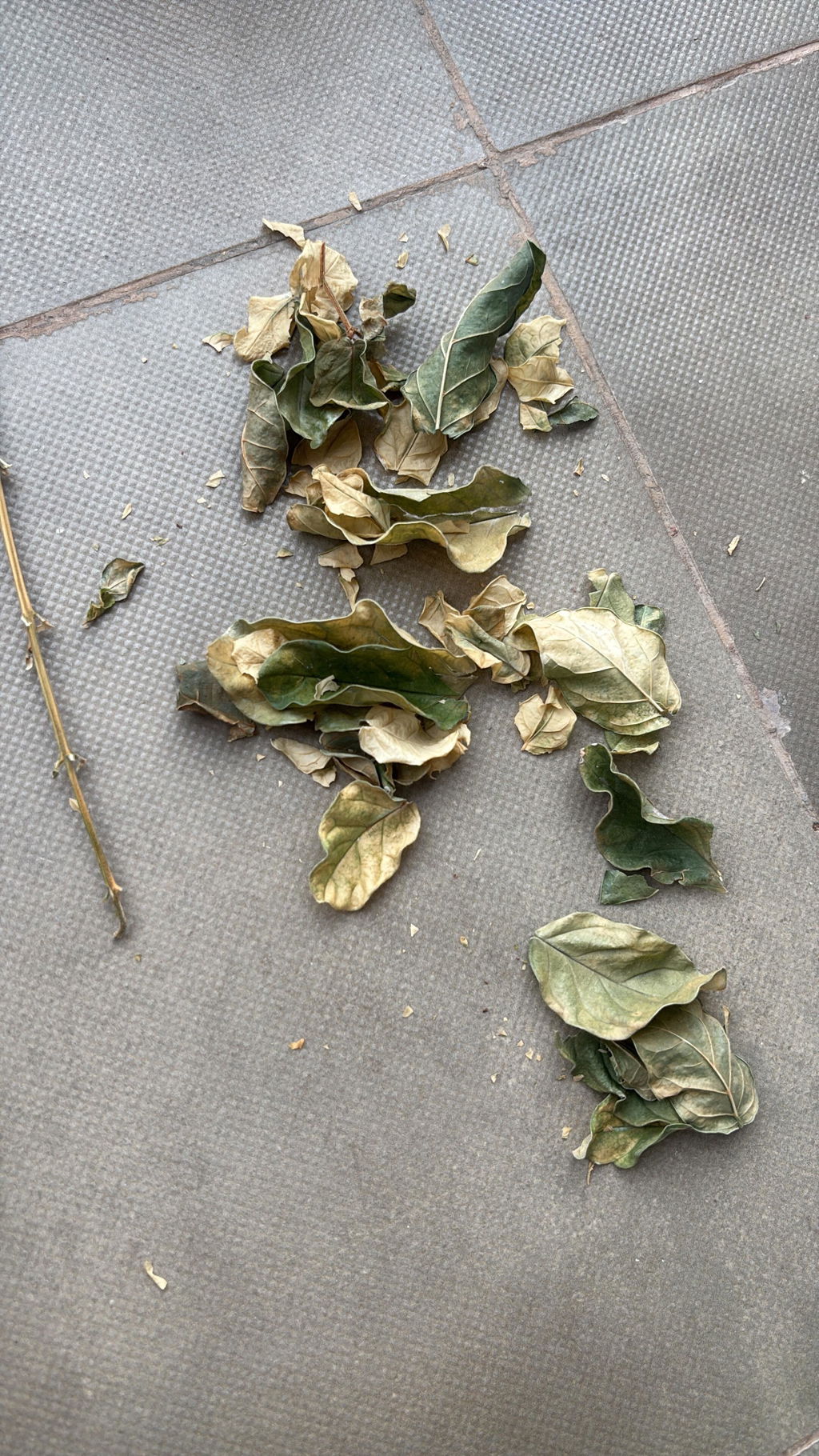
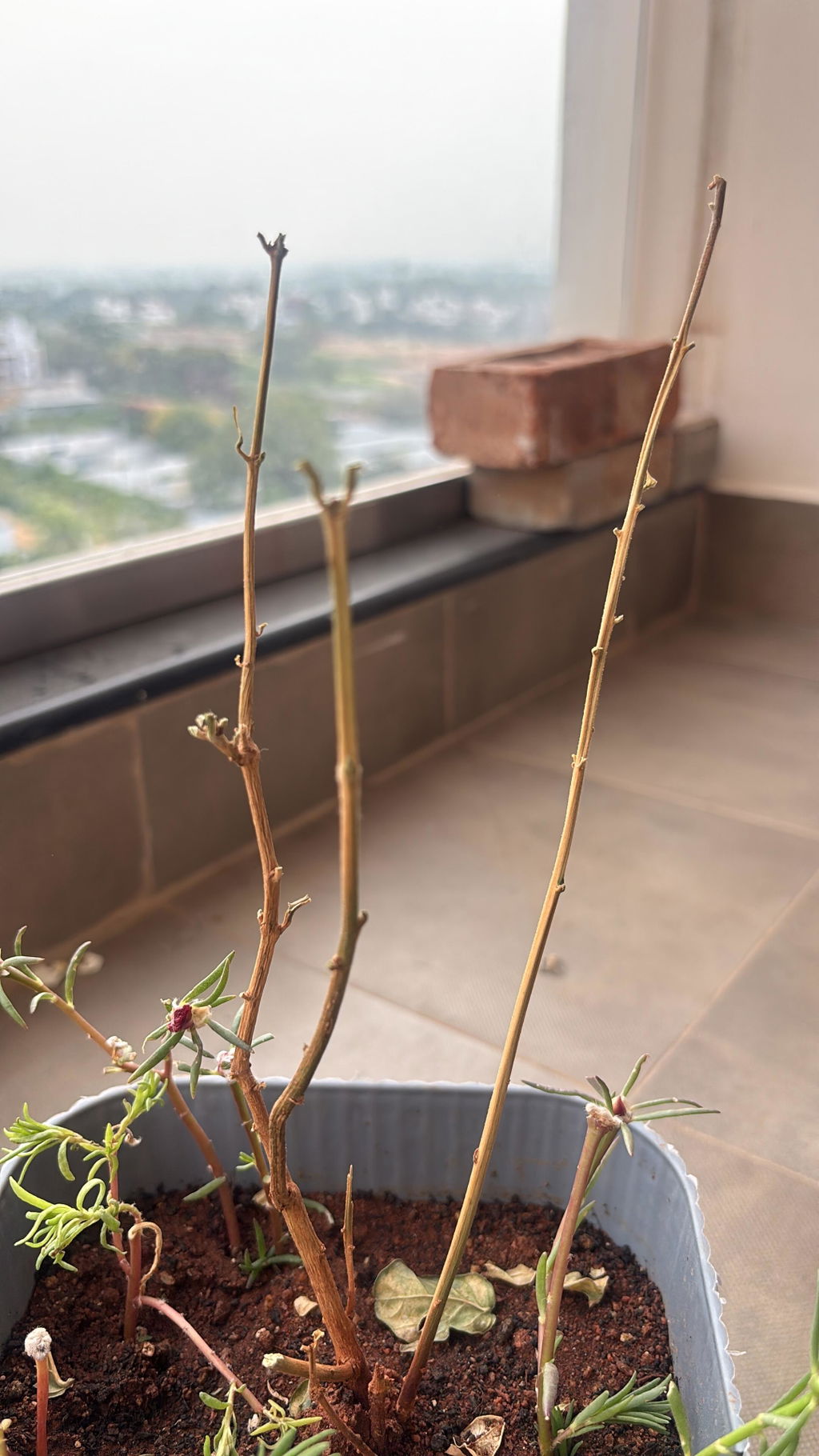
Tree stopped flowering
I bought Mango Tree (Alphonso, Grafted) and
Mango Tree (Amrapali, Grafted)
- there was no tag identifying which mango tree is which. I reported by email the company, they
ignored my message and have not replied. One of the tree is infected also. Pictures were previously submitted. Very bad customer service. Not a company worth trusting.
Dahlia seeds supplied by you is of poor quality and failed to germinate. I tried to contact you through whats app, but you never attended and insists on mentioning problem repeatedly and I was fed up.
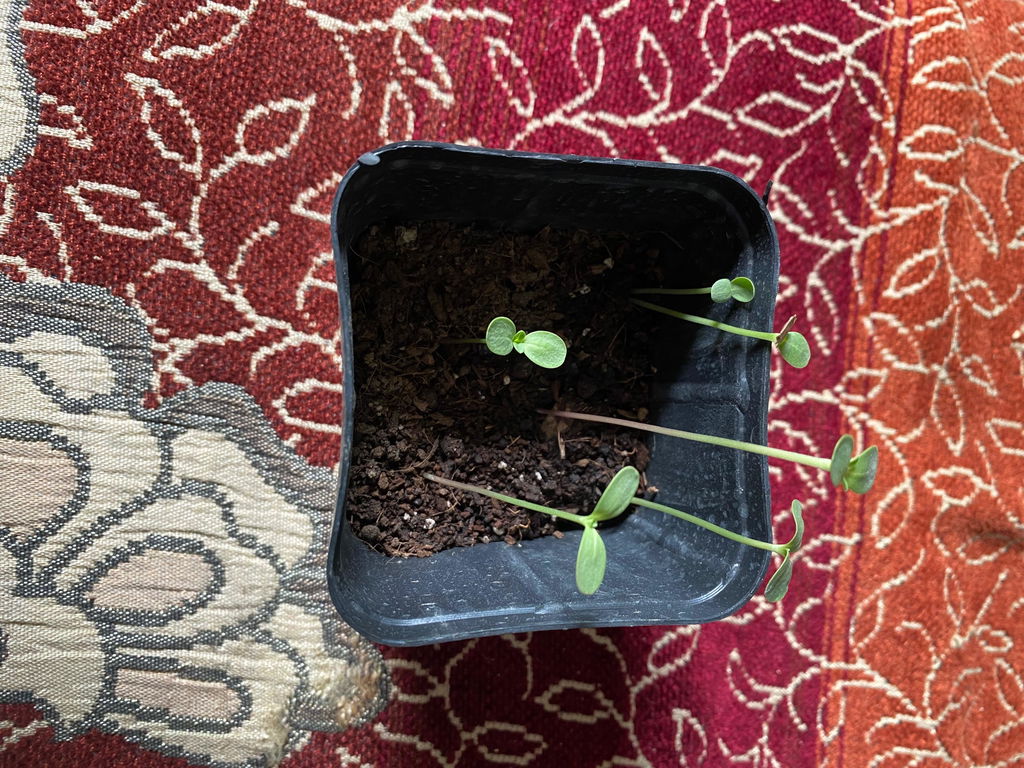
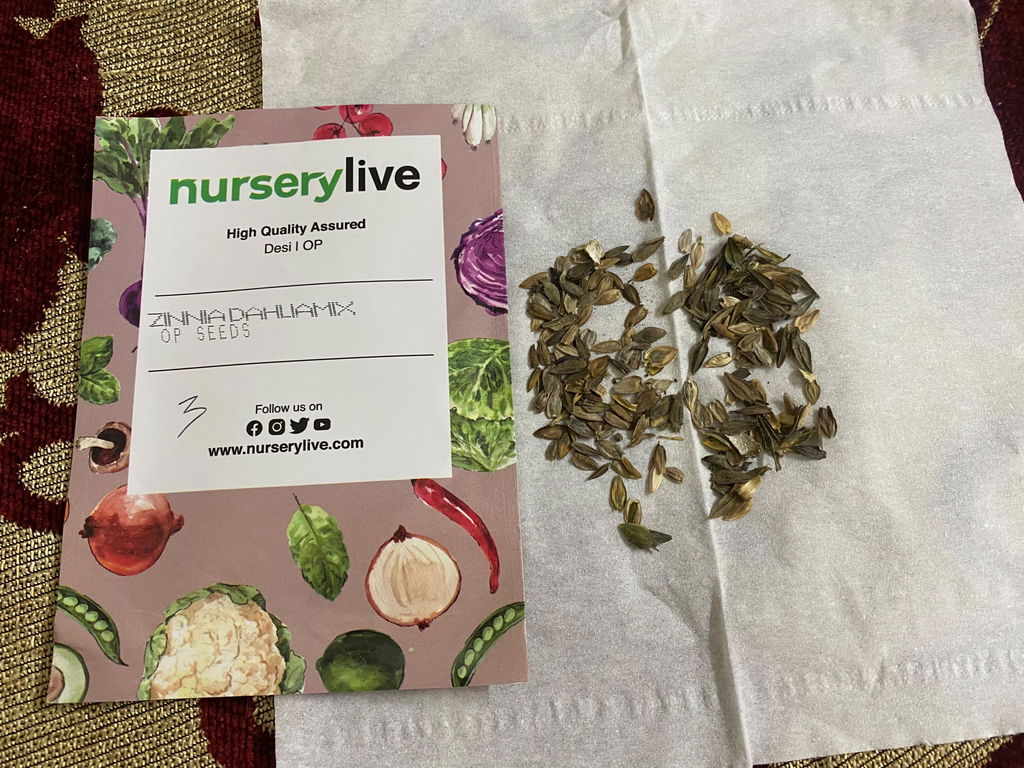
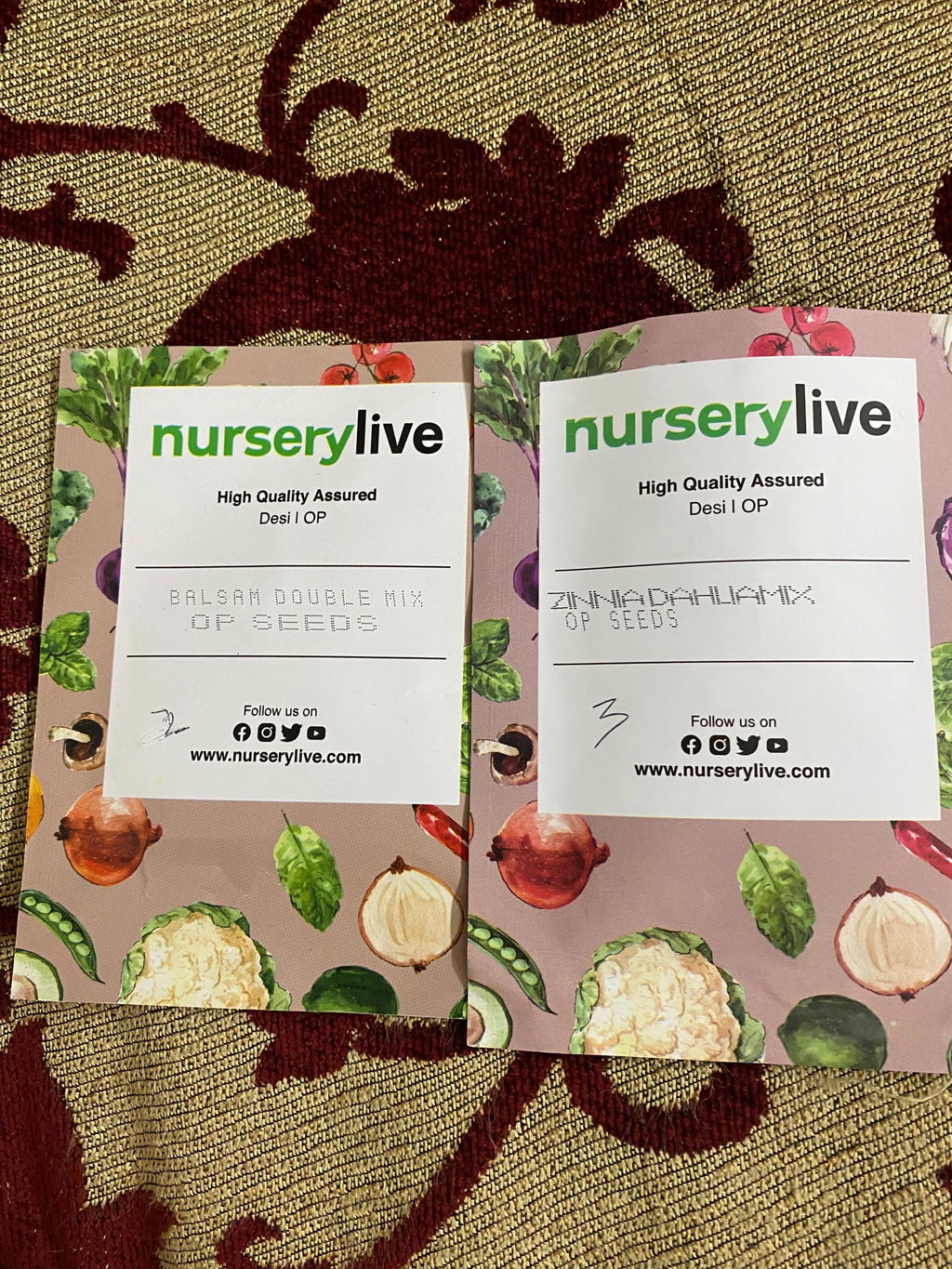
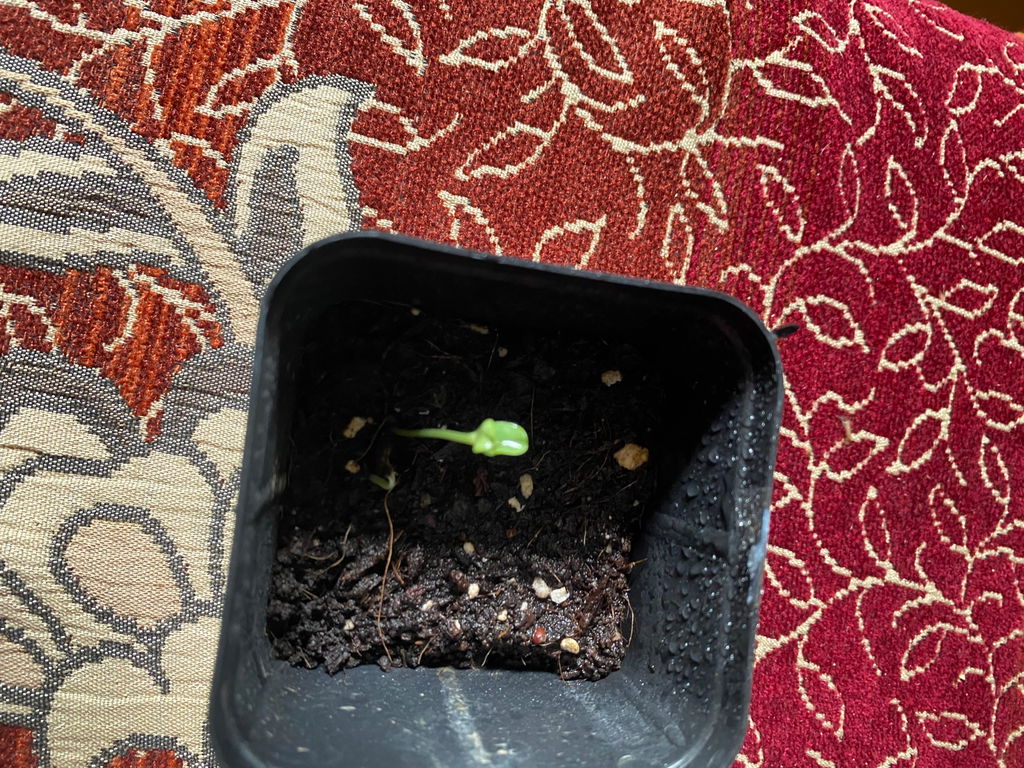
When I received the plant it was dried and dead. I reported the matter along with photograph on the very next day itself. But there were no response from them. As and when I followed up the matter they were closing my requests without consulting me or find a solution.Really irresponsible and fraudulant practice.
The plant is not healthy, it was delivered with leaves infested.
The plant was not in a healthy condition

Healthy plant delivered, but it's not blue. I got white Aparajita.
I tried germinating the tomato heirloom seeds 3 different ways. Direct sowing, sowing in a damp tissue method and sowing in vermi vompost. None germinated. Unhappy with the seeds I have received.
Got a dead plant. Send so many whatsapp messages . But did not get any reply
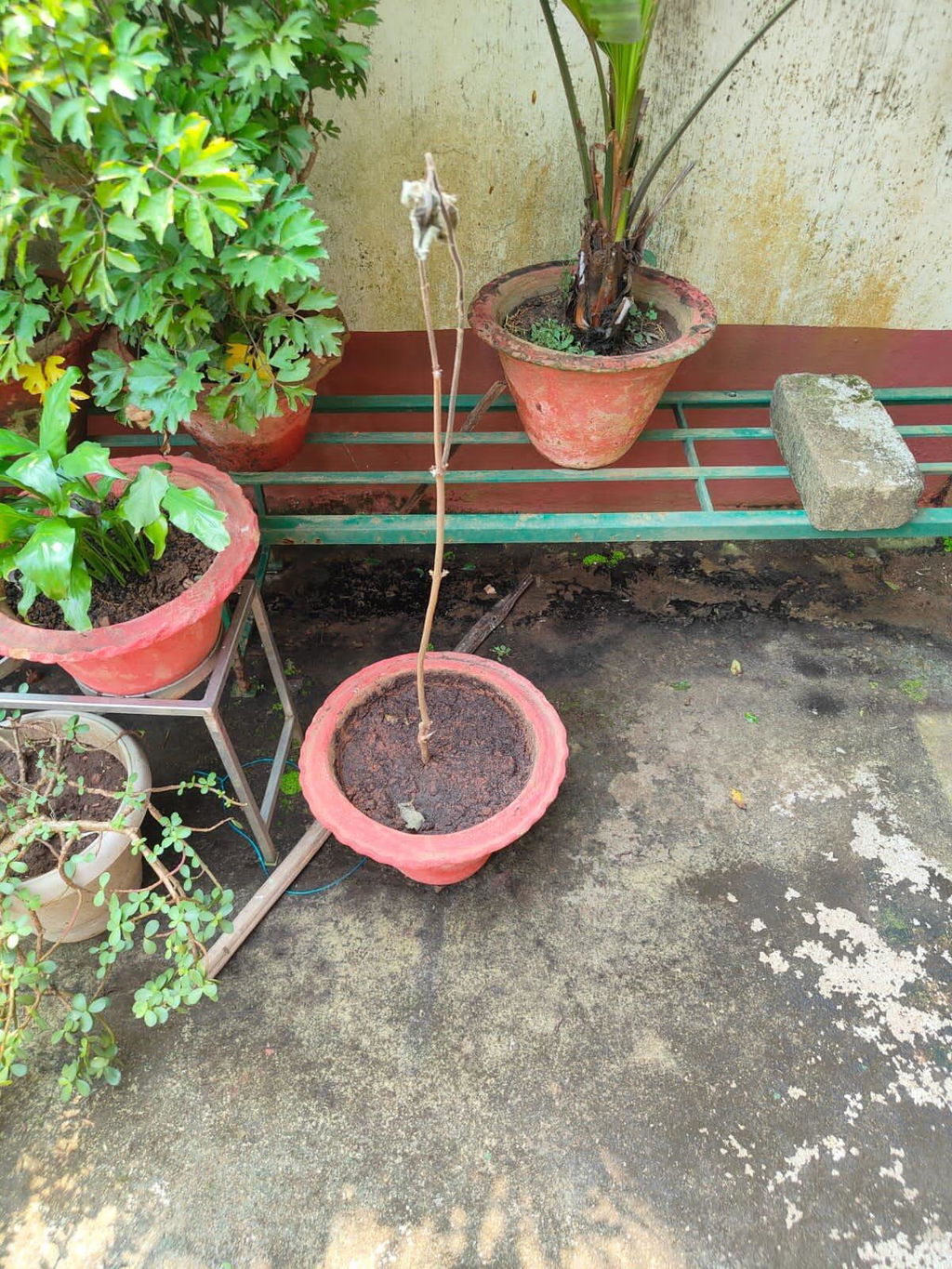
I had endless delivery problems.
I have received single petal however I have ordered double petal rajanigandha. Or else I am happy with the plant. But you guys broke my trust.
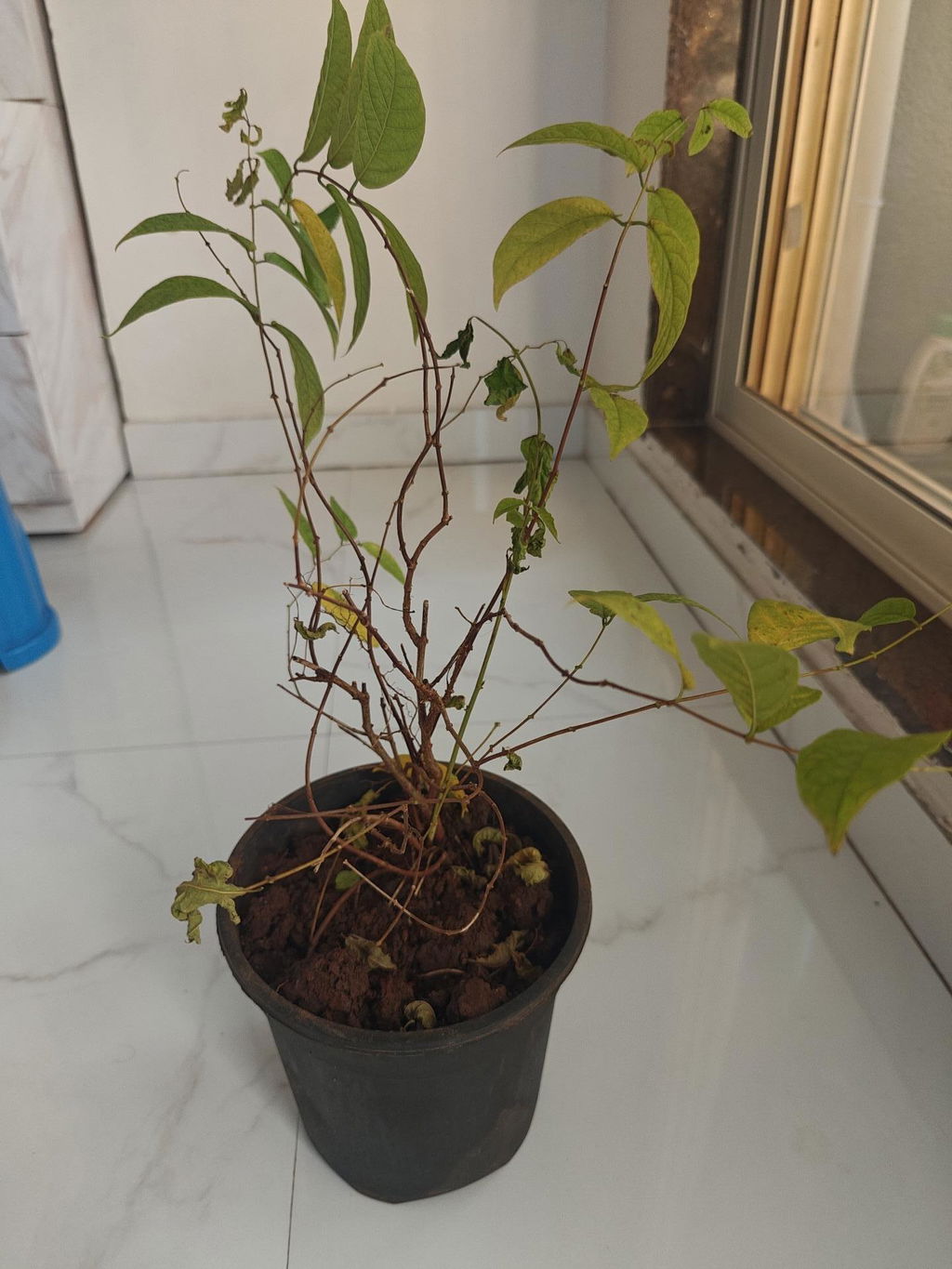
Absolutely fresh and robust plant sent... have been buying from nurserylive since 6 years and the experience had always been handsdown great... they have a wide range of common to the rarest plants... you name it they have it... Thanks a ton!!!
Both the plants died after 3 days after receiving. The packaging was very poor quality and plants were in bad condition.
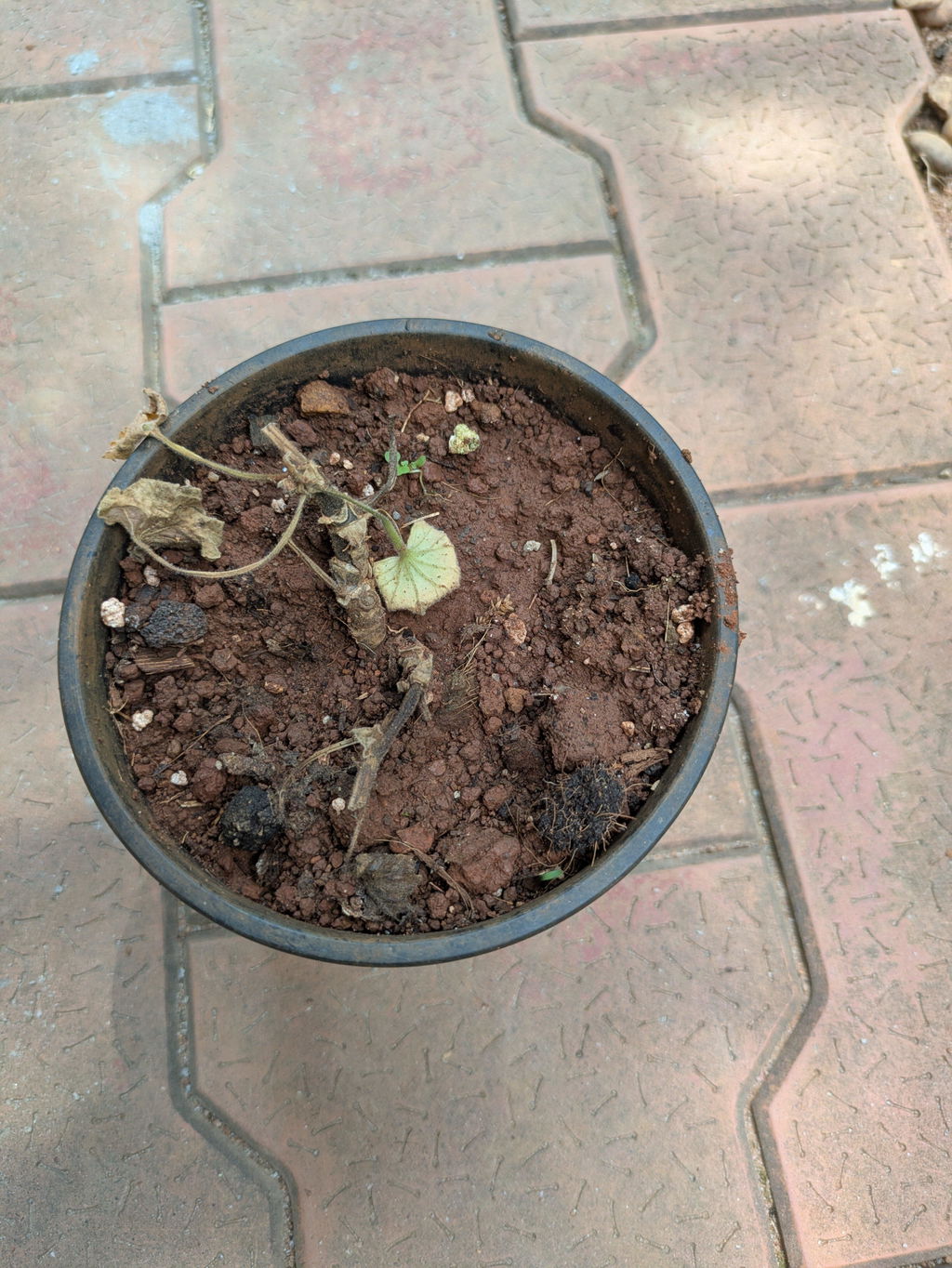
They were smaller than expected - for the price - but seemed healthy enough. They've settled down well since. Hope they'll grow into a healthy bush with pretty flowers
I have actually ordered Stretlitzia, instead you have delivered Heliconia. Despite my repeated requests, you have not taken any action
Rajesh Kumar
The seeds just did not germinate. Waste of money