What makes Cherry Tomato Honey different from regular tomato varieties?
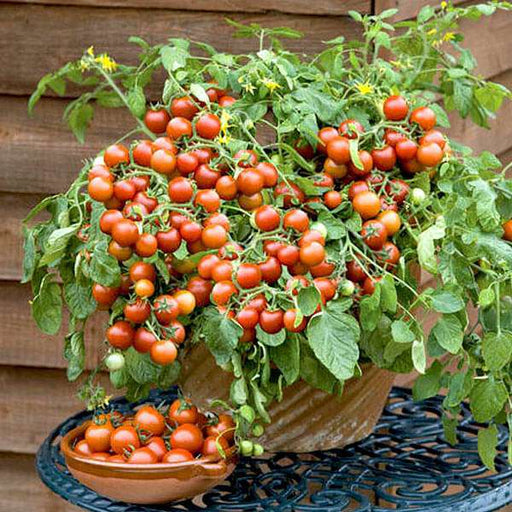
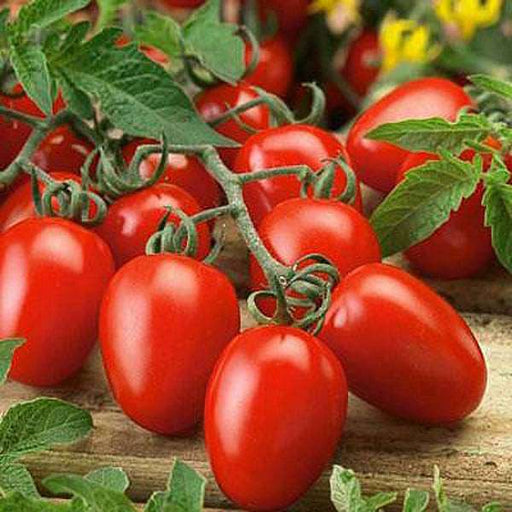
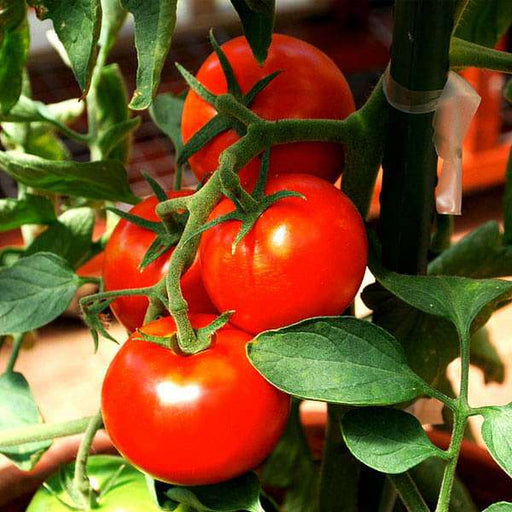
It is a hybrid imported variety selected for exceptionally sweet, honey-like bite-sized fruit rather than the larger, more acidic standard tomato. The plants are prolific and keep bearing over a long season, and the fruit is prized for fresh snacking and salads. Being a cherry type, it also crops earlier and more continuously than most big slicing tomatoes.
Can Cherry Tomato Honey really be grown in a hanging pot?
Yes, this variety is specifically noted as hanging-pot friendly, with a trailing, cascading habit that spills attractively over the sides. Use a hanging basket at least 25 to 30 cm wide with good drainage and rich potting mix. The fruit hangs down within easy reach for picking, making it ideal for balconies and small terraces.
When is the best season to sow Cherry Tomato Honey seeds in India?
It is suited to year-round sowing across much of India, but the most reliable main crops come from sowing in June to July (rainy) and October to November (winter). Avoid setting out seedlings during the peak of extreme summer heat, as temperatures above 35 C hamper fruit set. In hot regions, provide afternoon shade during the warmest months.
How deep should I sow the seeds and how long do they take to germinate?
Sow the seeds about 0.5 to 1 cm deep in a light seed-starting mix and keep them warm and moist. Germination typically takes 6 to 12 days at soil temperatures of 22 to 28 C. Start them in seedling trays or small pots and transplant once they have 4 to 6 true leaves and are around 10 to 15 cm tall.
How much sunlight does this cherry tomato need to fruit well?
Give it a minimum of 6 hours of direct sunlight daily, and more is better for sweet, abundant fruit. Insufficient light leads to leggy plants, few flowers and poor fruit set. A sunny south-facing balcony, terrace or windowsill is ideal, especially through the cooler growing months.
What size pot and soil does Cherry Tomato Honey need in a container?
Use a pot of at least 10 to 12 litres (around 30 cm deep and wide) for a single plant, or a large hanging basket for the trailing habit. Fill it with a rich, well-draining mix of garden soil, compost or vermicompost and a little cocopeat. Good drainage is essential, as tomatoes dislike waterlogged roots.
How often should I water my cherry tomato plants?
Water deeply and consistently, keeping the soil evenly moist but not soggy, which usually means daily in summer and every 2 to 3 days in cooler or rainy weather. Irregular watering is the main cause of fruit cracking and blossom-end rot. Water at the base early in the day and avoid wetting the foliage to reduce disease.
Do Cherry Tomato Honey plants need staking or support?
In upright pots and ground beds yes, they benefit from a stake, cage or trellis as the prolific plants get heavy with fruit. In a hanging basket you can let them cascade freely without support. Tie the main stems loosely as they grow, and pinch out side shoots if you want a tidier, more manageable plant.
How many days until Cherry Tomato Honey is ready to harvest?
Expect ripe fruit roughly 60 to 75 days after transplanting, depending on season and conditions. Pick the tomatoes when they are fully coloured and give slightly to a gentle squeeze. Because it is a prolific, continuous bearer, regular harvesting encourages the plant to keep setting new fruit for weeks.
What kind of yield can I expect from one plant?
A healthy, well-fed plant is a heavy bearer and can produce many dozens to a few hundred small fruits over its season, spread across multiple pickings. Yield depends on pot size, sunlight, feeding and regular harvesting. Bigger containers, full sun and steady fertilising all push the numbers higher.
How and when should I fertilise Cherry Tomato Honey?
Mix compost or vermicompost into the soil at planting, then feed every 10 to 15 days once flowering starts. Use a fertiliser higher in phosphorus and potassium (such as bone meal or a tomato feed) rather than heavy nitrogen, which grows leaves at the expense of fruit. Consistent light feeding supports the plant's prolific bearing.
Which pests and diseases affect cherry tomatoes and how do I manage them?
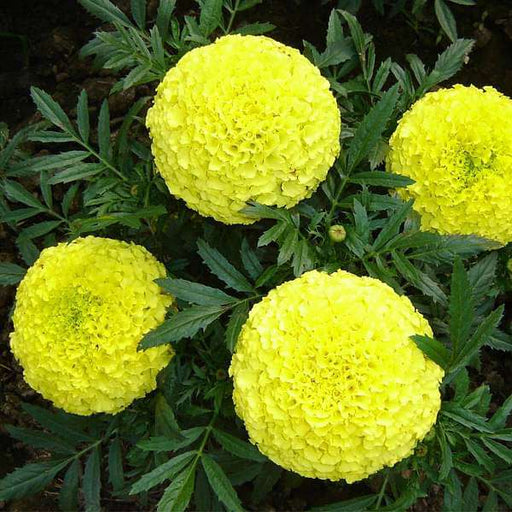
Common problems include aphids, whiteflies, fruit borers, spider mites and fungal issues like early blight and powdery mildew. Manage them with regular inspection, neem oil sprays, good airflow between plants and by avoiding wet foliage. Marigold or basil planted nearby also helps deter some pests naturally.
Why are my tomato flowers dropping without setting fruit?
Flower drop is usually caused by temperature extremes (above about 35 C or cold nights), inconsistent watering, poor pollination or too much nitrogen. Improve set by growing in the right season, watering evenly and gently shaking the plant or flowers to aid pollination. On a still balcony, hand-pollination with a soft brush noticeably improves fruiting.
What dishes are Cherry Tomato Honey best used for?
Its sweet, honeyed flavour shines raw in salads, as fresh snacking, or skewered as appetisers, and it suits Italian, Mexican, Continental, Chinese, Thai and Indian dishes alike. Roasting concentrates the sweetness for pasta and bruschetta, and the fruit works well in salsas and pizza toppings. The small size and low acidity make it a favourite straight off the vine.
Since these are hybrid seeds, can I save seed from the fruit?
You can, but because Cherry Tomato Honey is an F1 hybrid, saved seed will not reliably reproduce the same sweet, uniform fruit and may give varied or inferior plants. For consistent results, it is best to sow fresh purchased seed each season. If you experiment with saved seed, treat it as a fun trial rather than a dependable crop.


 Garden Potting Soil Mix (5 kg)
₹299
Garden Potting Soil Mix (5 kg)
₹299 Vermicompost (1 kg, set of 2)
₹179
Vermicompost (1 kg, set of 2)
₹179 Garden Essential Plant Care Kit
₹599
Garden Essential Plant Care Kit
₹599