What is Peperomia Magnoliifolia?
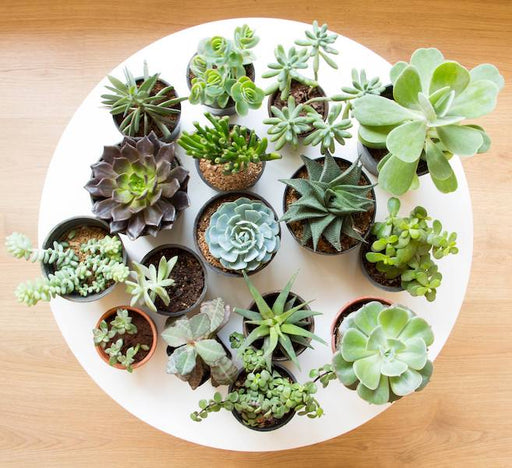
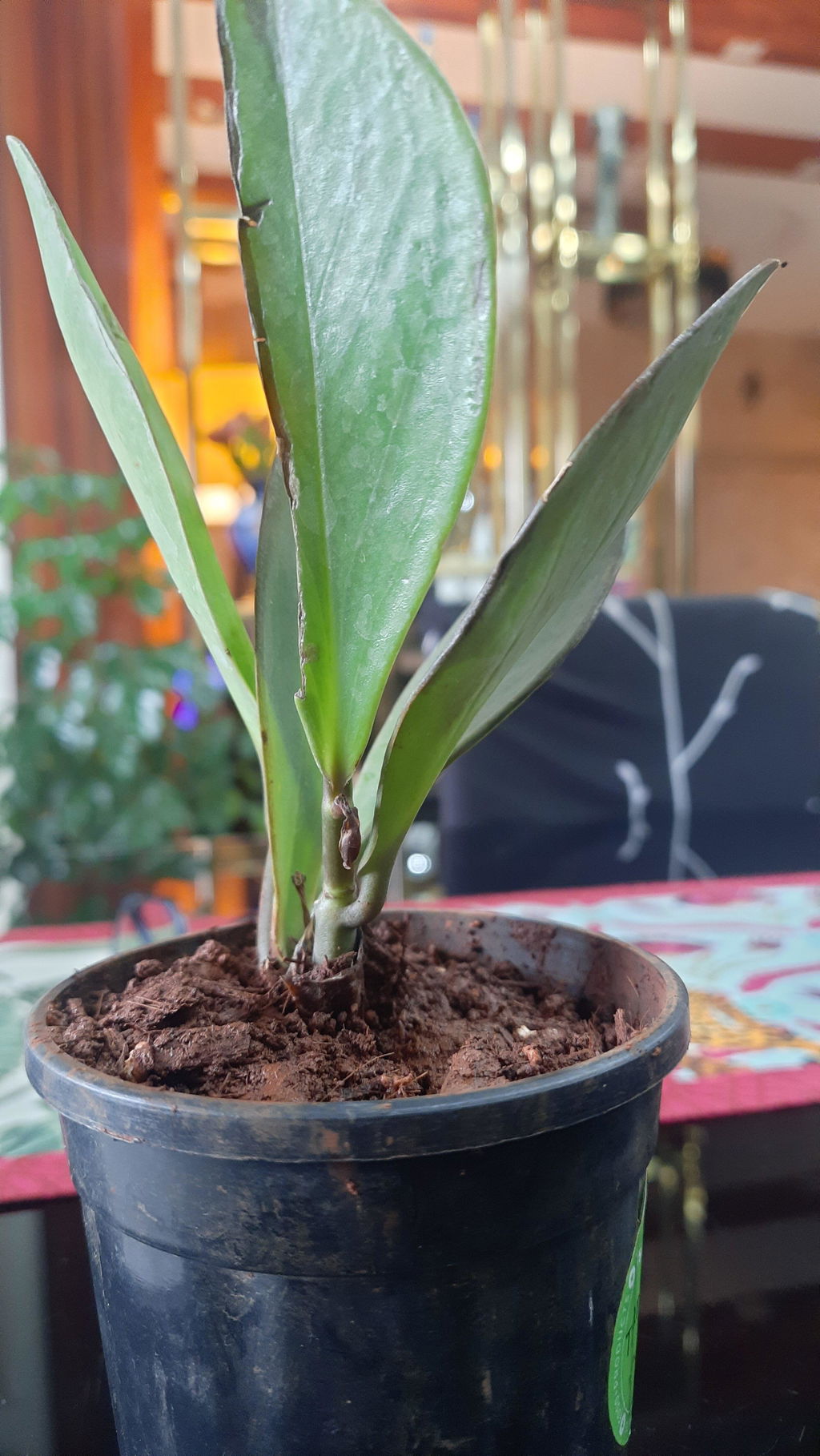
Peperomia Magnoliifolia, also known as the magnolia-leafed peperomia, is a charming succulent plant with glossy, oval leaves that resemble miniature magnolia leaves. This delightful green companion thrives in indirect light and adds a touch of elegance to any space. It's like having a tiny forest in your home, minus the bugs and dirt!
How do I care for Peperomia Magnoliifolia?
Caring for Peperomia Magnoliifolia is a breeze! Just give it bright, indirect light, water it when the top inch of soil is dry, and let it bask in humidity. Avoid soggy soil, as this succulent prefers to keep its roots dry. Think of it as a low-maintenance friend who only needs a little love now and then!
Is Peperomia Magnoliifolia a true succulent?
Yes, Peperomia Magnoliifolia is indeed a true succulent! It stores water in its thick, fleshy leaves, making it a drought-tolerant superstar. While it may not be as spiky as your typical cactus, it’s just as charming. So, if you’re looking for a succulent that’s more about style than prickles, this is your plant!
How often should I water Peperomia Magnoliifolia?
Water your Peperomia Magnoliifolia every 1-2 weeks, depending on the humidity and temperature. Always check the soil first; if it’s dry an inch down, it’s time for a drink. Remember, this plant prefers to be a little thirsty rather than drowning in water. Think of it as a diva who only wants the finest!
What type of soil is best for Peperomia Magnoliifolia?
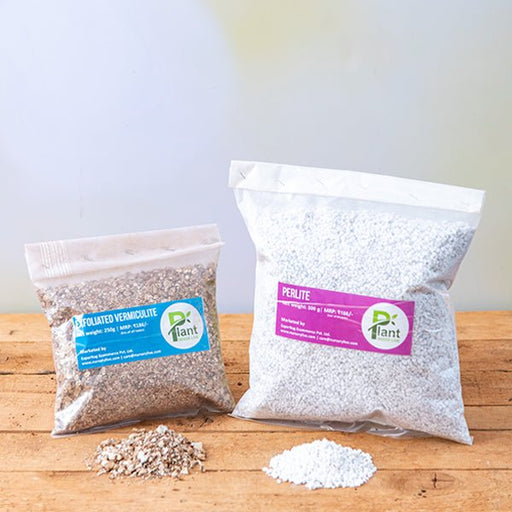
Peperomia Magnoliifolia loves well-draining soil that allows its roots to breathe. A cactus or succulent mix works wonders, or you can create your own by mixing potting soil with perlite or sand. It’s like giving your plant a luxurious spa treatment for its roots—because even plants deserve a little pampering!
Can Peperomia Magnoliifolia grow indoors?
Absolutely! Peperomia Magnoliifolia is an indoor superstar. It thrives in low to bright indirect light, making it perfect for your cozy corners or sunny windowsills. Just keep it away from harsh direct sunlight, which can scorch those lovely leaves. It’s like the perfect roommate—easy-going and always looking fabulous!
Does Peperomia Magnoliifolia need fertilizer?
Peperomia Magnoliifolia isn’t a high-maintenance diva when it comes to food. Fertilize it with a balanced, diluted fertilizer every 4-6 weeks during the growing season (spring and summer). In fall and winter, let it fast—plants need their beauty sleep too! Just remember, a little goes a long way in the plant world!
What pests affect Peperomia Magnoliifolia?
Peperomia Magnoliifolia is generally pest-resistant, but watch out for mealybugs and spider mites. If they crash the party, simply wipe the leaves with a damp cloth or use insecticidal soap. Think of it as a plant bouncer—keeping unwanted guests at bay while ensuring your succulent stays healthy and happy!
Can Peperomia Magnoliifolia be propagated?
Yes, Peperomia Magnoliifolia is a propagation pro! You can easily propagate it through leaf cuttings or stem cuttings. Just let the cuttings dry for a day, then plant them in soil. With a little patience and love, you’ll have new little friends sprouting in no time. It’s like creating your own succulent army!
How big does Peperomia Magnoliifolia get?
Peperomia Magnoliifolia is a compact plant, typically reaching heights of 6-12 inches. It’s the perfect size for tabletops, shelves, or even your desk at work. Think of it as the ideal plant for small spaces—cute, compact, and always ready to brighten your day without taking up too much room!
Is Peperomia Magnoliifolia toxic to pets?
Good news for pet parents! Peperomia Magnoliifolia is considered non-toxic to cats and dogs. So, if your furry friend decides to take a nibble, you won’t have to panic. However, it’s always best to discourage plant munching—after all, we wouldn’t want them to think they’re in a salad bar!
What are the common problems with Peperomia Magnoliifolia?
Common issues with Peperomia Magnoliifolia include overwatering, which can lead to root rot, and leaf drop due to low light. If your plant starts looking sad, check its watering schedule and light conditions. Remember, a happy plant is a healthy plant, so keep an eye on your leafy friend to avoid any drama!


 White Marble Pebbles (1 kg)
₹199
White Marble Pebbles (1 kg)
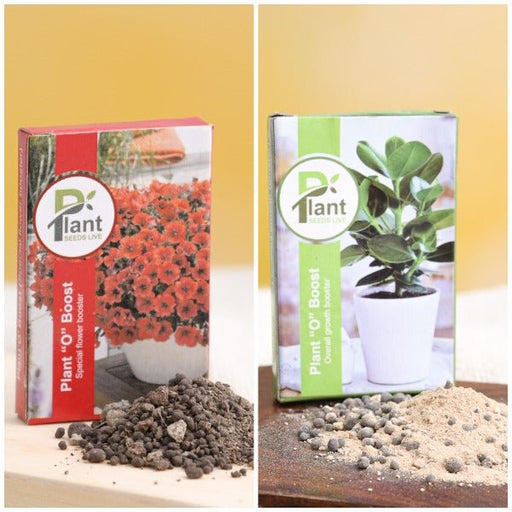
₹199 Plant O Boost — Growth Booster
₹239
Plant O Boost — Growth Booster
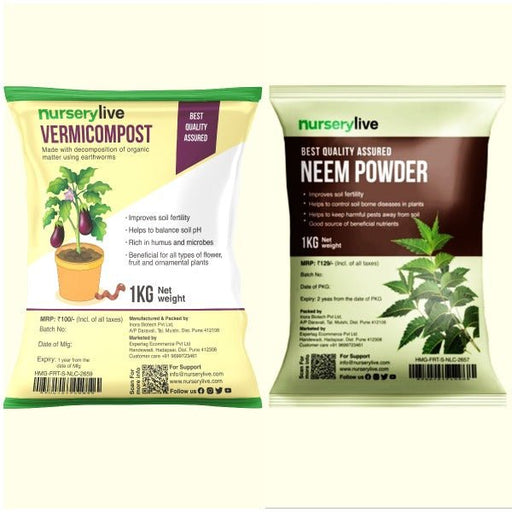
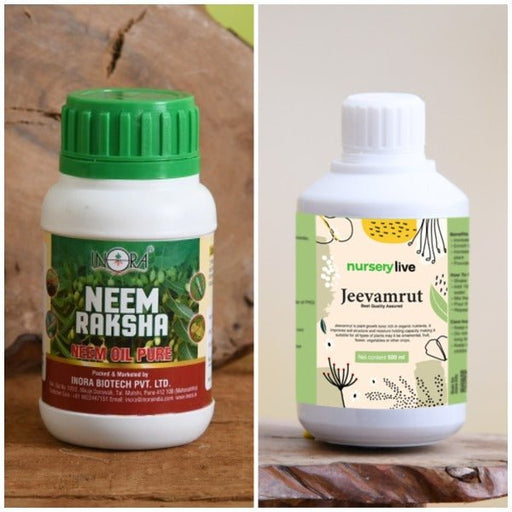
₹239 Garden Essential Plant Care Kit
₹599
Garden Essential Plant Care Kit
₹599