Skip to content

Coriander Green Aroma - Desi Vegetable Seeds

Save 25% Save 25%
Original price ₹ 59
Original price ₹ 59 - Original price ₹ 59
Original price ₹ 59
Current price ₹ 44
₹ 44 - ₹ 44
Current price ₹ 44

(MRP Inclusive of all taxes)

Availability:
39 in stock, ready to be shipped

Why it’s special?

  • Authentic Indian coriander
  • Year-round sowing possible
  • Grows in small pots
  • Fresh culinary leaves
  • Versatile cooking herb

Complete your sowing kit

  • Garden Potting Soil Mix (5 kg) ₹299
  • Vermicompost (1 kg, set of 2) ₹179
  • Garden Essential Plant Care Kit ₹599

Shipping : ₹79 for the entire order

Country of origin: India

Frequently bought together

Total for 0 selected

Coriander Green Aroma - Desi Vegetable Seeds

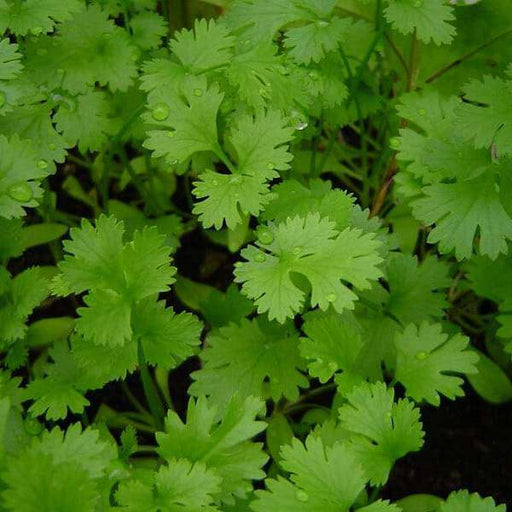
Coriander Green Aroma seeds are your gateway to cultivating fresh, aromatic coriander right in your backyard. Known for its vibrant green leaves and distinct flavor, this herb is a staple in various cuisines worldwide. With its rich history dating back to ancient Egypt, coriander has been cherished not only for its culinary uses but also for its medicinal properties.

These seeds are specially selected for their high germination rate and robust growth, ensuring a bountiful harvest. Whether you're a seasoned gardener or a beginner, Coriander Green Aroma is easy to grow and maintain, making it a perfect addition to your home garden.

Why It's Special

Coriander Green Aroma stands out due to its exceptional flavor profile and versatility in the kitchen. This herb is not only a culinary delight but also packed with essential nutrients, including vitamins A, C, and K, as well as antioxidants that promote overall health. Its unique aroma enhances dishes, making it a favorite among chefs and home cooks alike.

Special Features

  • High germination rate for reliable growth.
  • Rich in essential vitamins and antioxidants.
  • Adaptable to various soil types and climates.

Growing Instructions

  • Sow seeds 1/4 inch deep in well-drained soil.
  • Space seeds 6-8 inches apart for optimal growth.
  • Water regularly, keeping the soil moist but not soggy.
  • Provide full sun exposure for at least 6 hours a day.

Care Instructions

  • Fertilize with a balanced organic fertilizer every 4-6 weeks.
  • Remove weeds to prevent competition for nutrients.
  • Monitor for pests like aphids and treat organically if necessary.

Uses

  • Add fresh leaves to salads, salsas, and curries for a burst of flavor.
  • Use dried seeds as a spice in various dishes.
  • Infuse oils or vinegars with coriander for unique dressings.

Fun Facts

  • Coriander is one of the oldest spices known to humanity, used in ancient Egyptian tombs.
  • Both the leaves and seeds of the coriander plant are edible, offering different flavors.
  • Coriander is known to have anti-inflammatory and digestive benefits, making it a popular choice in traditional medicine.

Environmental Impact

Growing your own coriander not only enhances your culinary experience but also contributes positively to the environment. Home gardening reduces carbon footprints, promotes biodiversity, and encourages sustainable practices. By choosing Coriander Green Aroma seeds, you are supporting eco-friendly gardening while enjoying the freshest herbs possible.

Trending Collections

Coriander Seeds

These tiny powerhouses pack a punch of flavor and aroma, making them the secret weapon in your culinary arsenal. Whether you're whipping up a spicy curry or a refreshing salsa, coriander seeds are the unsung heroes that elevate your dishes from mundane to magnificent. Plus, they’re like the cool kids of the spice rack—everyone wants to hang out with them!

Herb Garden Essentials

If you’re dreaming of a lush herb garden, coriander is the VIP guest you can’t afford to miss. It’s the life of the party, attracting butterflies and bees while adding a splash of green to your garden. With its delightful aroma wafting through the air, your garden will be the talk of the neighborhood. Who knew gardening could be this glamorous?

Culinary Uses of Coriander

From garnishing your favorite dishes to being the star ingredient in chutneys, coriander is the versatile diva of the kitchen. It struts its stuff in cuisines worldwide, proving that it’s not just a pretty leaf. Whether you’re a novice cook or a seasoned chef, coriander will have you feeling like a culinary rockstar in no time.

Health Benefits of Coriander

Move over, kale! Coriander is here to steal the health spotlight. Packed with antioxidants and essential oils, it’s like a spa day for your insides. Not only does it add flavor, but it also aids digestion and can help lower cholesterol. Who knew that a sprinkle of green could be so good for you?

Growing Coriander Indoors

Want to bring the garden indoors? Coriander is your go-to green! It thrives in pots and doesn’t require a PhD in botany to grow. Just a sunny windowsill and a little love, and you’ll have fresh coriander at your fingertips. It’s like having a mini herb farm right in your kitchen—talk about convenience!

Coriander vs. Cilantro

The age-old debate: is it coriander or cilantro? Spoiler alert: they’re the same plant! In the U.S., the leaves are called cilantro, while the seeds are coriander. It’s like having a split personality—one minute it’s fresh and zesty, the next it’s earthy and warm. Either way, you can’t go wrong with this aromatic wonder.

Coriander in Traditional Medicine

For centuries, coriander has been the go-to remedy for various ailments. From soothing digestive woes to combating anxiety, this herb has been a trusted ally in traditional medicine. It’s like your grandma’s secret potion, but with a fresher twist. Who knew that a sprinkle of coriander could be so healing?

Coriander Recipes

Looking for inspiration? Coriander is the muse you didn’t know you needed. From zesty salads to aromatic curries, the possibilities are endless. Dive into the world of coriander-infused recipes and unleash your inner chef. Your taste buds will thank you, and your dinner guests will be begging for your secret ingredient!

Sustainable Gardening

Embrace your inner eco-warrior with coriander! This hardy herb is not just easy to grow; it’s also a champion of sustainable gardening. By cultivating your own coriander, you’re reducing your carbon footprint and enjoying fresh produce without the plastic packaging. It’s a win-win for you and Mother Earth!

Coriander in Global Cuisine

Travel the world without leaving your kitchen! Coriander is a staple in cuisines from India to Mexico, adding a unique flair to every dish. It’s like a passport for your taste buds, taking you on a flavorful journey. So, pack your bags (or spice rack) and get ready for a culinary adventure!

Coriander Seed Storage

Don’t let your precious coriander seeds go stale! Proper storage is key to keeping their flavor intact. Store them in a cool, dark place, and they’ll be ready to rock your dishes for months. Think of it as giving your seeds a cozy little home—because every spice deserves a good living situation!

Save 40% with Gardening Solutions

You may also need

View All

Frequently asked questions

When is the best time to sow Coriander Green Aroma seeds in India?
Being a desi OP variety, it can be sown year-round in most of India, though it germinates and leafs best in the cooler winter months from October to February. In hot summers it tends to bolt (flower) quickly, so provide afternoon shade if sowing April to June. Monsoon sowing works too but keep drainage sharp to avoid seed rot.
Should I crush the round coriander seeds before sowing?
Yes. Each round 'seed' is actually two joined seeds, so gently crushing it into two halves speeds up and improves germination. Rub the seeds lightly between your palms or under a rolling pin until they split, then soak them in water for 6 to 8 hours before sowing.
How deep and how far apart should Coriander Green Aroma seeds be sown?
Sow the split seeds about 1 to 1.5 cm deep and space rows 15 to 20 cm apart. For leafy cut-and-come-again harvests you can broadcast them more densely, roughly 2 to 3 cm apart, rather than spacing for large single plants. Cover lightly with soil and keep the surface consistently moist until sprouts appear.
How long do these coriander seeds take to germinate?
Expect germination in about 7 to 15 days, which is slower than many herbs, so patience is key. Splitting and pre-soaking the seeds shortens this, and warm soil around 20 to 25 C gives the most even sprouting. Keep the bed evenly moist throughout, as drying out mid-germination is the most common cause of failure.
Can I grow Coriander Green Aroma in a small pot on my balcony?
Absolutely, this variety is well suited to small pots and containers, which is one of its highlighted features. Use a pot at least 15 to 20 cm deep with drainage holes, filled with a light mix of garden soil, compost and a little sand. A sunny balcony or windowsill getting 4 to 6 hours of light will keep the leaves lush.
How much sunlight does coriander need to grow well?
It prefers 4 to 6 hours of sunlight, ideally gentle morning sun with some shade during harsh afternoon heat. In peak Indian summer, full-day direct sun causes it to bolt and turn bitter quickly, so filtered light or partial shade extends your leafy harvest. Indoors, a bright south or east-facing windowsill works well.
How often should I water my coriander plants?
Keep the soil consistently moist but never waterlogged, which usually means watering once a day in summer and every 2 to 3 days in cooler weather. Coriander has shallow roots and wilts fast if the topsoil dries out, yet soggy soil causes root rot. Water at the base rather than over the leaves to reduce fungal problems.
How many days until I can harvest leaves from Coriander Green Aroma?
You can begin cutting fresh leaves roughly 30 to 45 days after sowing, once plants are 10 to 15 cm tall. Snip the outer stems about 2 to 3 cm above the soil and the plant will regrow for a second or third cut. Harvesting regularly and before flowering keeps the flavour at its aromatic best.
Why is my coriander flowering and going to seed so fast?
Early flowering, called bolting, is usually triggered by heat, long day length or stress from irregular watering, and is common in Indian summers. Once it bolts the leaf flavour fades, so sow in cooler months, provide afternoon shade and keep watering steady to delay it. If it does bolt, let it flower and you can harvest the aromatic seeds for the kitchen.
Can I let the plants set seed to use as dhania spice?
Yes, this is a true dual-purpose desi coriander, so the same plant gives you both leaves (hara dhania) and the dried round seeds used as whole or ground dhania spice. Let some plants flower and form seed heads, then harvest once the seeds turn brown and dry. Store the dried seeds and you can also re-sow them next season.
What soil or potting mix suits Coriander Green Aroma best?
It thrives in loose, well-draining, fertile soil rich in organic matter with a near-neutral pH. A mix of two parts garden soil, one part compost or vermicompost and a little sand or cocopeat works well in pots. Good drainage is essential, as heavy or compacted soil holds water and rots the delicate roots.
Does coriander need fertiliser, and what kind?
It is a light feeder, so mixing compost or vermicompost into the soil at sowing is usually enough for a leafy crop. If growth looks pale or slow, feed a diluted liquid organic fertiliser or seaweed tonic every 2 to 3 weeks. Avoid heavy nitrogen doses, which push soft weak growth that is more prone to pests.
What Indian dishes and cuisines is this coriander suited for?
As an authentic desi variety, its fresh aromatic leaves are ideal for Indian cooking, garnishing dals, curries, chaats and chutneys, and it also fits Thai, Lebanese and other Asian cuisines noted for the product. The leaves are best added fresh at the end of cooking to preserve the aroma. The dried seeds serve as a core spice in masalas and tempering.
How should I store leftover Coriander Green Aroma seeds for next season?
Keep them in an airtight container in a cool, dark, dry place away from humidity, and they will stay viable for 2 to 3 years. Adding a small silica sachet or a little dry rice helps absorb moisture, which is important in humid Indian conditions. Well-stored seed also doubles as usable dhania spice in the kitchen.
What are the common problems when growing coriander and how do I prevent them?
The main issues are patchy germination from dry soil, sudden bolting in heat, damping-off of seedlings, and aphids or powdery mildew. Prevent these by splitting and soaking seed, keeping soil evenly moist, sowing in cooler weather with good airflow, and not overcrowding plants. For aphids, a spray of neem oil or mild soap solution usually clears them.
Fully-Grown Plants

Nursery-mature, not 4-inch saplings

Next-Day Delivery

At your door tomorrow — not a 4–7 day wait

Nursery-Fresh

Ready to flourish, no growing-in

Lowest Prices

Straight from local growers