What are the best indoor plants for a vertical garden?
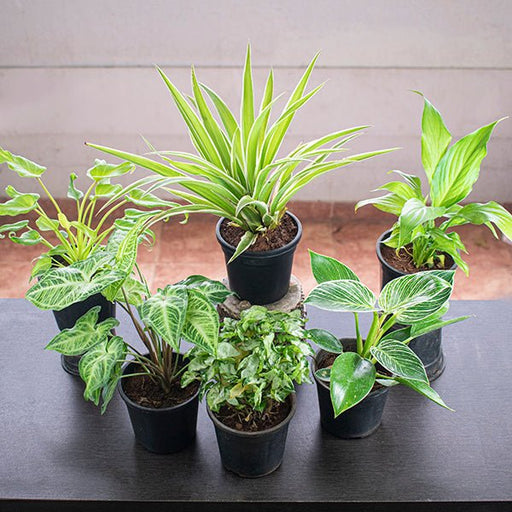
The best indoor plants for a vertical garden include pothos, ferns, and spider plants. These green wonders thrive in limited light and add a splash of life to your walls. Plus, they’re low-maintenance, so you can spend more time admiring your vertical masterpiece than worrying about plant drama.
How much light do indoor vertical gardens need?
Indoor vertical gardens love bright, indirect light, but they can also tolerate low-light conditions. Think of them as the introverts of the plant world—happy in the shadows but thriving with a little sunshine. Just avoid direct sunlight, or you might end up with crispy leaves instead of lush greenery.
Can I use any wall for a vertical garden?
You can use almost any wall for a vertical garden, but make sure it’s sturdy and can handle the weight of your plant party. Avoid walls with moisture issues or those that might get too much direct sunlight. Your plants will thank you for choosing a cozy, safe spot to hang out.
What type of soil is best for vertical gardens?
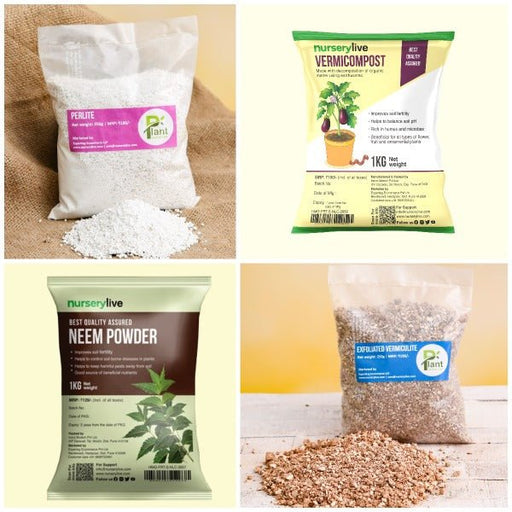
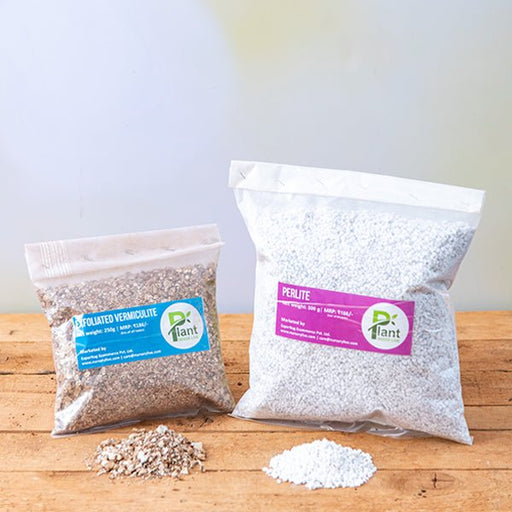
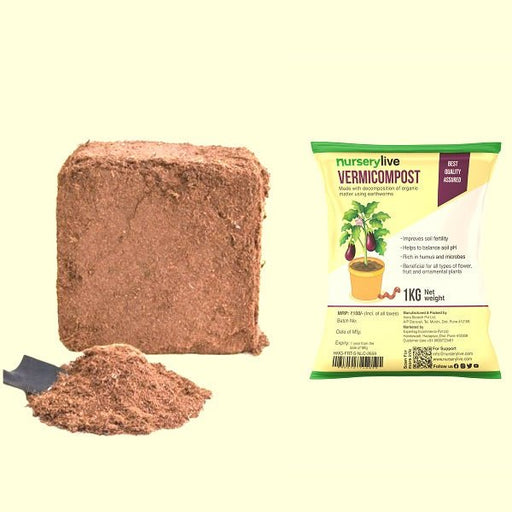
A lightweight, well-draining potting mix is your best bet for vertical gardens. Look for soil that retains moisture without turning into a swamp. You want your plants to feel like they’re on a spa retreat, not a mud wrestling match. Bonus points if it’s organic—your plants will appreciate the extra love!
How often should I water my vertical garden?
Watering frequency depends on your plants and their environment, but a good rule of thumb is to check the soil moisture weekly. If it’s dry an inch down, it’s time for a drink. Just remember, overwatering is the enemy—your plants don’t want to swim, they want to thrive!
Can I grow herbs in a vertical garden indoors?
Absolutely! Herbs like basil, mint, and parsley are perfect for indoor vertical gardens. They’ll not only beautify your space but also spice up your culinary adventures. Just ensure they get enough light and a little love, and you’ll have a mini herb paradise right in your kitchen.
What are the benefits of a vertical garden indoors?
Vertical gardens save space, improve air quality, and add a touch of nature to your home. They’re like a breath of fresh air in your living room, literally! Plus, they can reduce stress and boost your mood—who knew plants could be such great therapists?
How do I maintain a vertical garden?
Maintaining a vertical garden is like keeping a pet—regular care is key! Water your plants, check for pests, and prune as needed. Rotate plants for even light exposure and give them a little fertilizer love every now and then. With a bit of attention, your vertical garden will flourish like a superstar!
Can I use recycled materials for a vertical garden?
Absolutely! Recycled materials like pallets, old shoe organizers, or even tin cans can make fabulous vertical garden structures. It’s eco-friendly and adds a unique flair to your green space. Just ensure they’re clean and safe for your plants—no one wants a toxic garden party!
What are the best vertical garden systems for indoors?
The best vertical garden systems for indoors include pocket planters, wall-mounted grids, and hydroponic setups. Each has its charm and functionality, so choose one that fits your style and space. With the right system, you’ll be the proud parent of a thriving indoor jungle!
How do I choose the right plants for my vertical garden?
Choosing the right plants for your vertical garden is like picking the perfect party guests—consider their light, water, and space needs. Opt for a mix of trailing and upright plants for visual interest. And remember, compatibility is key; you don’t want your plants fighting over resources like siblings!
Can vertical gardens help with indoor air quality?
Yes, vertical gardens can significantly improve indoor air quality! Plants like peace lilies and snake plants are natural air purifiers, filtering out toxins and releasing oxygen. It’s like having a mini air-cleaning squad right on your wall, making your home healthier and happier—who wouldn’t want that?


 White Marble Pebbles (1 kg)
₹199
White Marble Pebbles (1 kg)
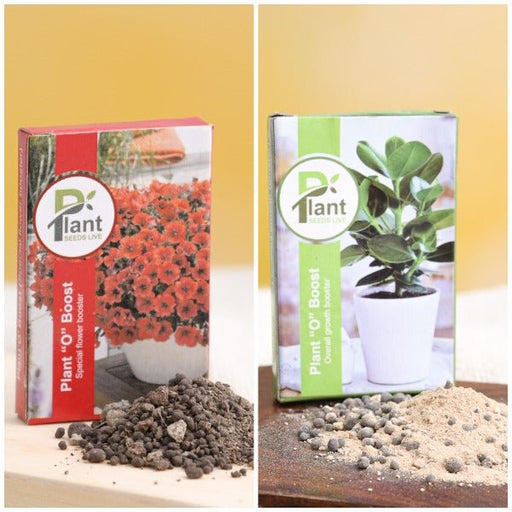
₹199 Plant O Boost — Growth Booster
₹239
Plant O Boost — Growth Booster
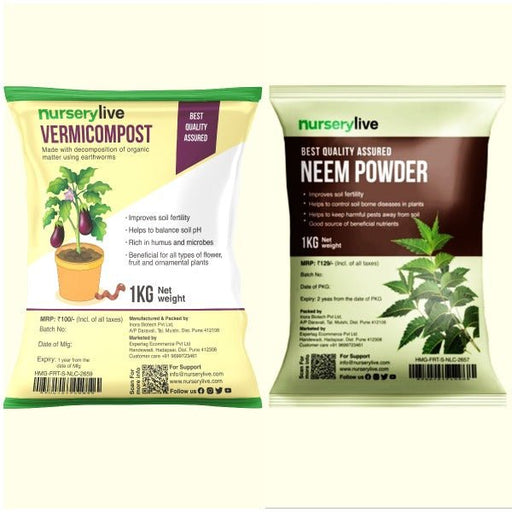
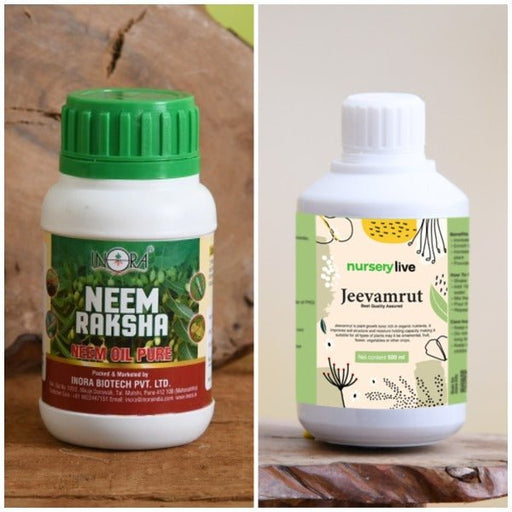
₹239 Garden Essential Plant Care Kit
₹599
Garden Essential Plant Care Kit
₹599