What is Drypetes sepiaria?
Drypetes sepiaria, also known as the “wild olive,” is a tropical tree that’s not just a pretty face. It boasts glossy leaves and small, fragrant flowers, making it a favorite among nature lovers. This tree is a true multitasker, providing shade, beauty, and even medicinal properties. Who knew a tree could be so talented?
Where can I find Drypetes sepiaria?
You can find Drypetes sepiaria in tropical regions, particularly in Africa and parts of Asia. It thrives in well-drained soils and loves a good sunbath. If you’re on a quest to spot this botanical gem, head to coastal areas or rainforests where it’s known to strut its stuff. Happy tree hunting!
How tall does Drypetes sepiaria grow?
Drypetes sepiaria can reach impressive heights of up to 20 meters. That’s right, it’s not just a shrub trying to be a tree! With its towering presence, it can provide ample shade for those seeking refuge from the sun. Just imagine lounging under its leafy canopy, sipping a drink, and enjoying nature’s air conditioning.
Is Drypetes sepiaria used in traditional medicine?
Absolutely! Drypetes sepiaria has been a go-to in traditional medicine for ages. Its leaves and bark are often brewed into teas or concoctions to treat various ailments. From digestive issues to skin irritations, this tree has a remedy for almost everything. Who knew nature had its own pharmacy?
What are the ecological benefits of Drypetes sepiaria?
Drypetes sepiaria is an ecological superstar! It provides habitat for various wildlife, including birds and insects. Its deep roots help prevent soil erosion, while its leaves contribute to the nutrient cycle. Plus, it’s a carbon sink, helping to combat climate change. Talk about being a tree with a mission!
Can Drypetes sepiaria be grown in gardens?
Yes, Drypetes sepiaria can be a stunning addition to gardens in tropical climates. With its attractive foliage and fragrant flowers, it’s sure to turn heads. Just ensure it has enough space to grow tall and proud. Remember, this tree doesn’t do cramped quarters; it’s a diva that needs room to shine!
What type of soil does Drypetes sepiaria prefer?
Drypetes sepiaria prefers well-drained, sandy to loamy soils. It’s not a fan of soggy feet, so make sure the soil drains well to keep this tree happy. A little organic matter never hurts, either! Think of it as giving your tree a spa day—everyone loves a little pampering!
How often should I water Drypetes sepiaria?
Watering Drypetes sepiaria depends on the climate, but generally, it enjoys a moderate amount. During dry spells, give it a good soak, but don’t drown it! A little love goes a long way. Just remember, this tree prefers to sip rather than gulp, so keep the watering can handy but not too heavy!
Is Drypetes sepiaria susceptible to pests?
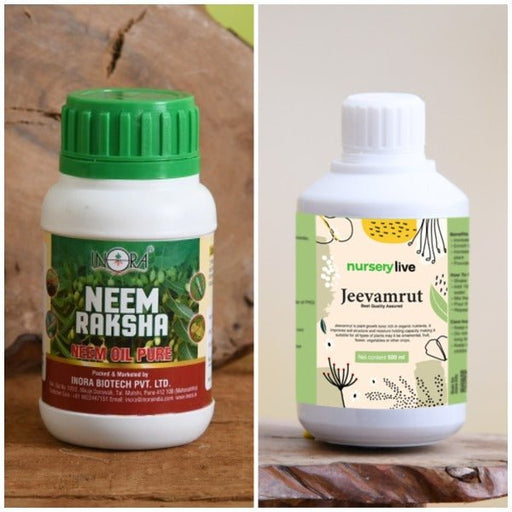
While Drypetes sepiaria is relatively resilient, it can attract a few pesky visitors like aphids or caterpillars. But fear not! A little neem oil or insecticidal soap can send them packing. Just keep an eye out, and your tree will continue to thrive, looking fabulous and pest-free!
What is the lifespan of Drypetes sepiaria?
Drypetes sepiaria can live for several decades, making it a long-term investment in your garden. With proper care, it can thrive for 50 years or more. That’s right, this tree is in it for the long haul! So, plant it, nurture it, and enjoy its company for years to come.
Are there any culinary uses for Drypetes sepiaria?
While Drypetes sepiaria isn’t a culinary superstar, its seeds can be used in traditional dishes in some cultures. However, they’re not exactly the main ingredient at dinner parties. Think of it as a quirky sidekick in the culinary world—interesting but not stealing the spotlight. Always check local practices before diving in!


 White Marble Pebbles (1 kg)
₹199
White Marble Pebbles (1 kg)
₹199 Plant O Boost — Growth Booster
₹239
Plant O Boost — Growth Booster
₹239 Garden Essential Plant Care Kit
₹599
Garden Essential Plant Care Kit
₹599