Croton scabiosus Care
If you think caring for a Croton scabiosus is as easy as pie, think again! This tropical beauty demands attention like a diva at a red carpet event. It thrives in bright, indirect sunlight and prefers a warm, humid environment. Water it when the top inch of soil feels dry, but don’t drown it—this isn’t a swimming competition! Fertilize during the growing season, and watch it strut its colorful foliage like it owns the place.
Croton scabiosus Growth Rate
Fasten your seatbelts, because the Croton scabiosus is not one to dawdle! This tree can grow up to 3 feet a year under ideal conditions. It’s like the overachiever of the plant world, always reaching for the sky. Just make sure it has enough space to spread its vibrant leaves and you’ll have a lush, leafy companion in no time.
Croton scabiosus Propagation
Want to multiply your Croton scabiosus collection? Propagation is the name of the game! You can take cuttings and root them in water or soil, but be patient—good things come to those who wait. It’s like waiting for a fine wine to age; you’ll be rewarded with new plants that are just as fabulous as the original.
Croton scabiosus Pests
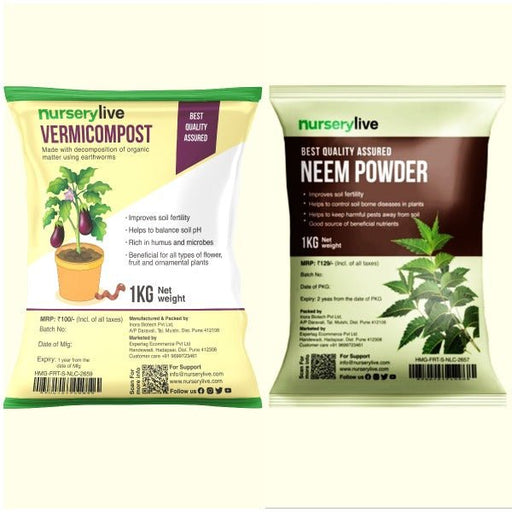
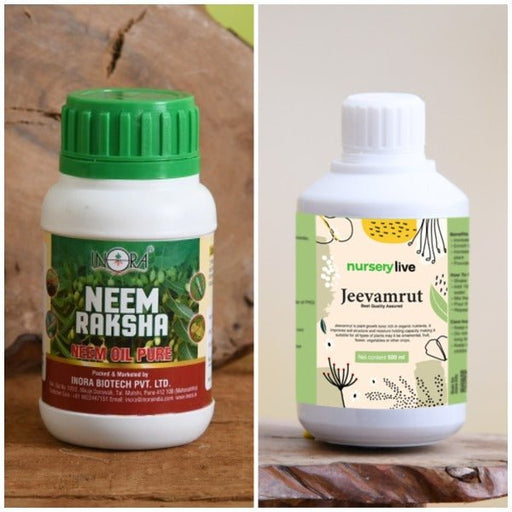
Beware, the Croton scabiosus can attract pests like a magnet! Aphids, spider mites, and mealybugs might try to crash the party. Keep an eye out and act fast with insecticidal soap or neem oil. Think of it as a bouncer for your plant—keeping the riffraff out so your Croton can shine in all its glory.
Croton scabiosus Soil Requirements
The right soil is crucial for your Croton scabiosus to thrive. It prefers well-draining, rich soil that’s as luxurious as a five-star hotel. A mix of potting soil, perlite, and peat moss will do the trick. This tree doesn’t want to sit in soggy conditions; it’s all about that drainage life!
Croton scabiosus Light Requirements
Light is the lifeblood of your Croton scabiosus. It craves bright, indirect sunlight like a sunbather on a tropical beach. Too little light, and it’ll sulk; too much direct sun, and it might get scorched. Finding that sweet spot is key to keeping your leafy friend happy and vibrant.
Croton scabiosus Toxicity
Heads up, plant lovers! The Croton scabiosus is toxic to pets and humans if ingested. It’s like that friend who’s fun at parties but can’t be trusted with your secrets. Keep it out of reach of curious paws and little hands to avoid any unfortunate mishaps. Better safe than sorry!
Croton scabiosus Varieties
Did you know there are several varieties of Croton scabiosus? Each one flaunts its unique colors and patterns, making them the fashionistas of the plant world. From vibrant yellows to deep reds, these trees are like a rainbow in your garden. Collect them all for a botanical runway show!
Croton scabiosus Indoor vs. Outdoor
The debate rages on: should you keep your Croton scabiosus indoors or outdoors? Indoors, it can be a stunning statement piece, while outdoors, it can become a showstopper in your garden. Just remember, it loves warmth and humidity, so choose its home wisely to keep it thriving.
Croton scabiosus Fertilization
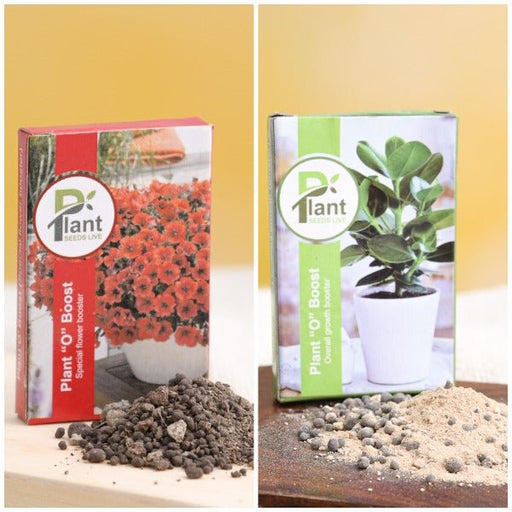
Fertilizing your Croton scabiosus is like giving it a gourmet meal. During the growing season, a balanced liquid fertilizer will keep it nourished and vibrant. Just don’t overdo it—too much fertilizer can lead to a plant that’s more “hangry” than happy.
Croton scabiosus Pruning
Pruning your Croton scabiosus is essential for maintaining its shape and health. Think of it as giving your tree a stylish haircut. Snip away any dead or leggy branches to encourage bushier growth. Your Croton will thank you by flaunting its lush foliage like a model on a catwalk!
Croton scabiosus Benefits
Beyond its stunning appearance, the Croton scabiosus offers numerous benefits. It purifies the air, adds humidity, and can even boost your mood with its vibrant colors. It’s like having a little piece of nature’s joy right in your home, making every day feel a bit more tropical!


 White Marble Pebbles (1 kg)
₹199
White Marble Pebbles (1 kg)
₹199 Plant O Boost — Growth Booster
₹239
Plant O Boost — Growth Booster
₹239 Garden Essential Plant Care Kit
₹599
Garden Essential Plant Care Kit
₹599