Croton persimilis Care
If you think caring for a Croton persimilis is like a walk in the park, think again! This tropical diva demands attention, sunlight, and just the right amount of humidity. Treat her right, and she’ll reward you with vibrant foliage that could make a rainbow jealous. Just remember, overwatering is a no-no; she prefers her roots to be a bit on the dry side. So, channel your inner plant whisperer and give her the pampering she deserves!
Croton persimilis Growth Rate
Fasten your seatbelts, because the Croton persimilis is not one to dawdle! This tree can grow up to 3 feet a year under ideal conditions. It’s like the Usain Bolt of the plant world, racing towards the sky with its colorful leaves waving in the wind. Just make sure you provide enough space for this speedy grower, or it might just start a leafy revolution in your garden!
Croton persimilis Propagation
Want to multiply your Croton persimilis collection? Propagation is the name of the game! You can take cuttings and watch them root like they’re auditioning for a botanical reality show. Just place them in water or soil, and with a little patience, you’ll have new plants ready to strut their stuff. It’s like cloning, but way more fun and less sci-fi!
Croton persimilis Pests
Beware, for the Croton persimilis is not just a pretty face; it has its share of enemies! Aphids, spider mites, and mealybugs are lurking, ready to crash the party. But fear not! A little neem oil or insecticidal soap can send these pests packing. Keep an eye out, and your tree will remain the belle of the botanical ball, free from unwanted guests.
Croton persimilis Light Requirements
If you want your Croton persimilis to thrive, think of it as a sunbather on a tropical beach. This tree craves bright, indirect light to show off its stunning colors. Too little light, and it might sulk like a teenager denied screen time. Too much direct sunlight, and it could get scorched. Find that sweet spot, and you’ll have a happy, vibrant tree that’s the envy of all your plant friends.
Croton persimilis Soil Type
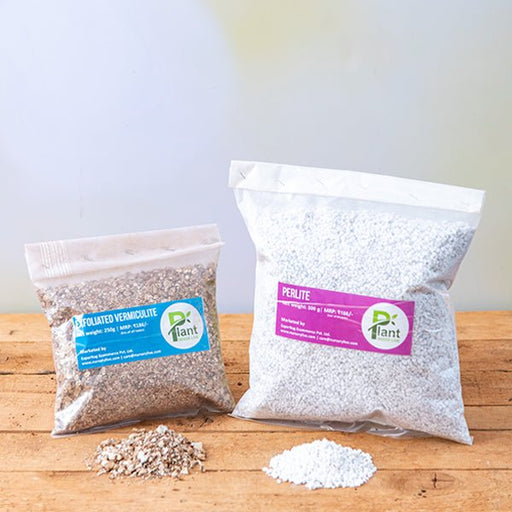
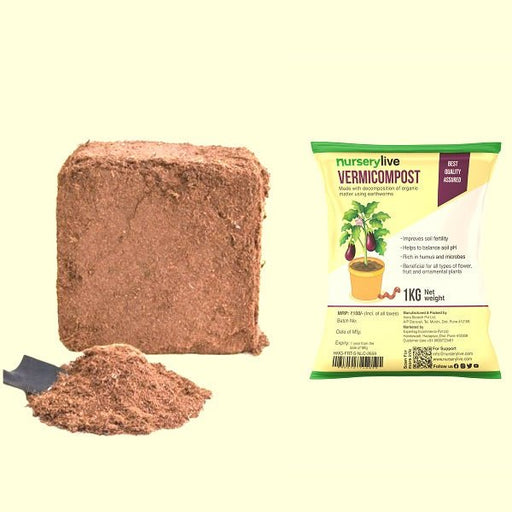
The Croton persimilis is a bit of a soil snob. It prefers well-draining, rich potting mix that allows its roots to breathe. Think of it as a luxury hotel for roots—no soggy basements allowed! A mix of peat, perlite, and compost will keep your tree happy and thriving. After all, a happy root system means a happy tree, and who doesn’t want that?
Croton persimilis Fertilization
If you want your Croton persimilis to strut its colorful stuff, regular fertilization is key! Think of it as feeding your tree its daily dose of vitamins. A balanced liquid fertilizer every month during the growing season will keep it vibrant and healthy. Just don’t overdo it; too much fertilizer can lead to a leafy disaster. Moderation is the secret ingredient to a flourishing Croton!
Croton persimilis Temperature
This tropical beauty is a bit of a temperature diva. It loves warm weather and thrives best in temperatures between 60°F and 85°F. Anything below 50°F, and it might just throw a tantrum. So, if you live in a cooler climate, consider bringing your Croton indoors during the chilly months. After all, nobody wants a frostbitten tree on their hands!
Croton persimilis Toxicity
Here’s a fun fact: the Croton persimilis is not just a pretty face; it’s also a bit toxic! While it won’t send you to the hospital, it can cause mild irritation if ingested. So, if you have pets or small children, keep this beauty out of reach. It’s like having a glamorous but slightly dangerous friend—best admired from a distance!
Croton persimilis Varieties
The Croton persimilis family is a colorful bunch! With various cultivars showcasing different leaf shapes and colors, you can create a botanical masterpiece in your home. From the classic variegated leaves to the more exotic patterns, there’s a Croton for every taste. Collect them all, and you’ll have a vibrant display that could rival any art gallery!
Croton persimilis Indoor vs. Outdoor
The debate rages on: should you keep your Croton persimilis indoors or outdoors? While it can thrive in both settings, it’s essential to consider its light and humidity needs. Indoors, it can be a stunning focal point, but outdoors, it can bask in the sun and grow to its full potential. Choose wisely, and you’ll have a happy tree that knows where it belongs!


 White Marble Pebbles (1 kg)
₹199
White Marble Pebbles (1 kg)
₹199 Plant O Boost — Growth Booster
₹239
Plant O Boost — Growth Booster
₹239 Garden Essential Plant Care Kit
₹599
Garden Essential Plant Care Kit
₹599