What is Chionanthus virginica?
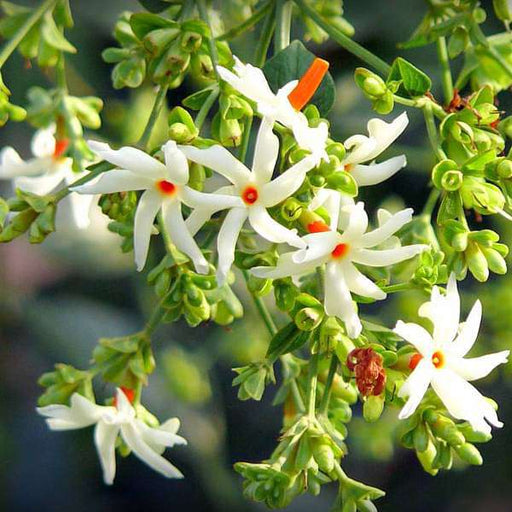
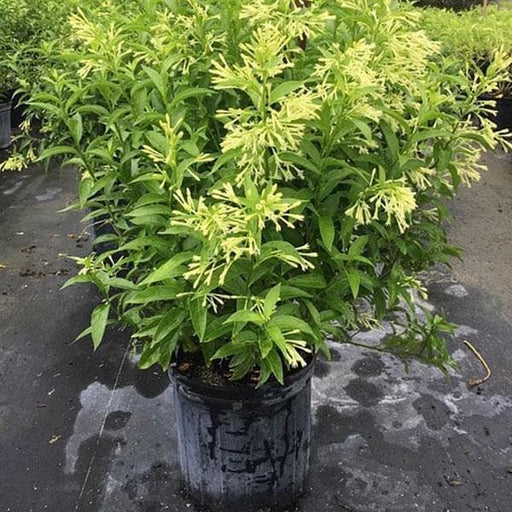
Chionanthus virginica, also known as the fringe tree, is a deciduous beauty native to the southeastern U.S. It flaunts stunning white, fringe-like flowers in spring, making it the diva of the garden. With its glossy leaves and attractive bark, it’s like the celebrity of the plant world—everyone wants a selfie with it!
How do I care for Chionanthus virginica?
Caring for Chionanthus virginica is a breeze! Plant it in well-drained soil and give it a sunny spot to shine. Water it regularly, especially during dry spells, and watch it thrive. Prune only to shape it up—this tree prefers to keep its natural, wild look. It’s the low-maintenance star of your garden!
When does Chionanthus virginica bloom?
Chionanthus virginica blooms in late spring, usually around May. Its fragrant, white flowers dangle like delicate fringe, creating a stunning display. It’s like nature’s way of throwing a party, and you’re invited! Just be ready to enjoy the show before the leaves take center stage for the summer.
What type of soil does Chionanthus virginica prefer?
Chionanthus virginica loves well-drained, loamy soil that’s rich in organic matter. Think of it as a plant with a taste for the finer things in life! It can tolerate clay and sandy soils, but it won’t be as happy. Give it a cozy home, and it’ll reward you with beauty and charm.
How tall does Chionanthus virginica grow?
Chionanthus virginica can reach heights of 12 to 30 feet, depending on its mood and environment. It’s like the plant version of a teenager—growing fast and full of potential! With a spread of 15 to 25 feet, it’s perfect for creating a lovely shade spot or a stunning focal point in your garden.
Is Chionanthus virginica deer-resistant?
Yes, Chionanthus virginica is generally deer-resistant! While these critters might nibble on other plants, they tend to leave this beauty alone. It’s like having a VIP section in your garden where the deer are not allowed. So, plant it with confidence and let it shine without the worry of unwanted munchers!
Can Chionanthus virginica be grown in pots?
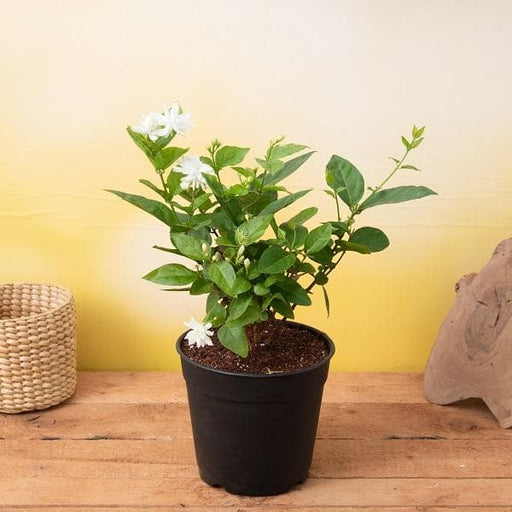
While Chionanthus virginica prefers to stretch its roots in the ground, it can be grown in pots if you’re feeling adventurous. Just ensure the pot is large enough to accommodate its growth and provide good drainage. It’s like giving your plant a penthouse suite—just remember to water it regularly!
What pests affect Chionanthus virginica?
Chionanthus virginica is relatively pest-resistant, but watch out for scale insects and aphids. They might try to crash the party, but a good spray of insecticidal soap can send them packing. Keep an eye on your plant, and it’ll remain the belle of the ball, free from unwanted guests!
How do I propagate Chionanthus virginica?
Propagating Chionanthus virginica can be done through seeds or softwood cuttings. If you’re feeling patient, collect seeds in the fall and stratify them for a few months. For cuttings, take a snip in late spring, and with a little TLC, you’ll have new plants ready to strut their stuff in no time!
Is Chionanthus virginica suitable for small gardens?
Absolutely! Chionanthus virginica is perfect for small gardens, thanks to its manageable size and lovely appearance. It adds vertical interest without overwhelming the space. Just give it room to breathe, and it’ll reward you with stunning blooms and a touch of elegance, making your garden the talk of the town!
What are the uses of Chionanthus virginica?
Chionanthus virginica is not just a pretty face; it’s also a versatile plant! Use it as a specimen tree, in borders, or as a natural privacy screen. Its flowers attract pollinators, making it a hit with bees and butterflies. Plus, it’s a great conversation starter—everyone loves a tree with personality!
Is Chionanthus virginica toxic to pets?
Good news for pet lovers! Chionanthus virginica is considered non-toxic to dogs and cats. So, let your furry friends frolic around this beauty without worry. It’s like having a plant that’s both stunning and pet-friendly—what more could you ask for in your garden?


 White Marble Pebbles (1 kg)
₹199
White Marble Pebbles (1 kg)
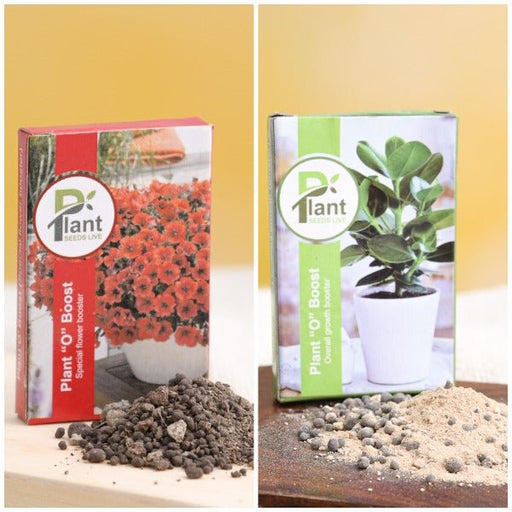
₹199 Plant O Boost — Growth Booster
₹239
Plant O Boost — Growth Booster
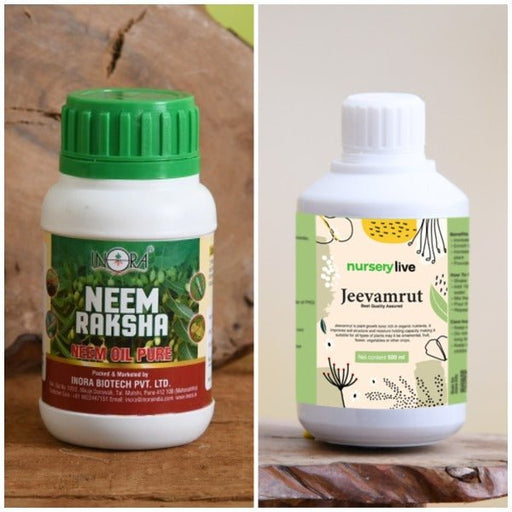
₹239 Garden Essential Plant Care Kit
₹599
Garden Essential Plant Care Kit
₹599