What is Chelone glabra?
Chelone glabra, also known as turtlehead, is a charming perennial plant that resembles a turtle's head—hence the name! This native North American beauty thrives in moist, shady spots and boasts lovely pink or white flowers. Perfect for adding a splash of whimsy to your garden, it’s like nature’s own little conversation starter!
How do I grow Chelone glabra?
Growing Chelone glabra is as easy as pie—if pie were a plant! Start with well-drained, moist soil in partial to full shade. Plant in spring or fall, and watch it flourish. Just remember, it loves its water, so don’t let it dry out. Your garden will thank you for this delightful addition!
What are the ideal growing conditions for Chelone glabra?
Chelone glabra thrives in moist, well-drained soil and prefers partial to full shade. Think of it as the introverted plant that shies away from the harsh sun. Keep the soil consistently damp, and it’ll reward you with stunning blooms. Just don’t forget to give it a little love and attention!
When does Chelone glabra bloom?
Get ready for a floral fiesta! Chelone glabra typically blooms from late summer to early fall, showcasing its delightful pink or white flowers. It’s like the grand finale of your garden party, bringing a burst of color when many other plants are winding down. Don’t miss the show!
Is Chelone glabra deer resistant?
Yes, indeed! Chelone glabra is like the bouncer of the garden, keeping deer at bay. Its slightly bitter taste makes it unappealing to these four-legged munchers. So, plant it with confidence, knowing that your turtlehead will stand strong against those pesky garden invaders. Cheers to a deer-free garden!
Can Chelone glabra be grown in containers?
Absolutely! Chelone glabra can be a container superstar, as long as you provide it with enough moisture. Choose a large pot with good drainage, fill it with rich soil, and keep it well-watered. Just think of it as a portable garden party—perfect for patios or balconies!
How tall does Chelone glabra grow?
Chelone glabra can reach heights of 2 to 3 feet, making it a lovely mid-sized addition to your garden. It’s like the friendly neighbor who’s tall enough to see over the fence but not so tall that they block your view. Perfect for adding layers to your garden design!
Is Chelone glabra invasive?
Fear not! Chelone glabra is not an invasive plant. It’s more of a well-mannered guest at the garden party, spreading gently without taking over. Just give it the right conditions, and it’ll happily coexist with your other plants, adding charm without the drama. A true garden diplomat!
How do I propagate Chelone glabra?
Propagating Chelone glabra is a piece of cake! You can do it through division in spring or fall. Simply dig up the plant, separate the roots, and replant them. It’s like giving your turtlehead a family reunion—more plants to enjoy and share with friends!
What pests or diseases affect Chelone glabra?
Chelone glabra is generally a tough cookie, but it can occasionally attract aphids or powdery mildew. Keep an eye out for these uninvited guests. A gentle spray of water or insecticidal soap can send them packing. With a little TLC, your turtlehead will stay healthy and happy!
Can Chelone glabra attract pollinators?
Absolutely! Chelone glabra is like a magnet for pollinators, especially bees and butterflies. Its lovely blooms are a sweet invitation for these winged friends to drop by for a snack. Plant it in your garden, and you’ll have a buzzing, fluttering party all season long!
Is Chelone glabra suitable for wetland gardens?
Yes, indeed! Chelone glabra is the perfect plant for wetland gardens, thriving in moist, boggy conditions. It’s like the life of the party in a waterlogged setting, bringing beauty and charm to those tricky spots. So, if you have a soggy area, let this turtlehead take the spotlight!


 White Marble Pebbles (1 kg)
₹199
White Marble Pebbles (1 kg)
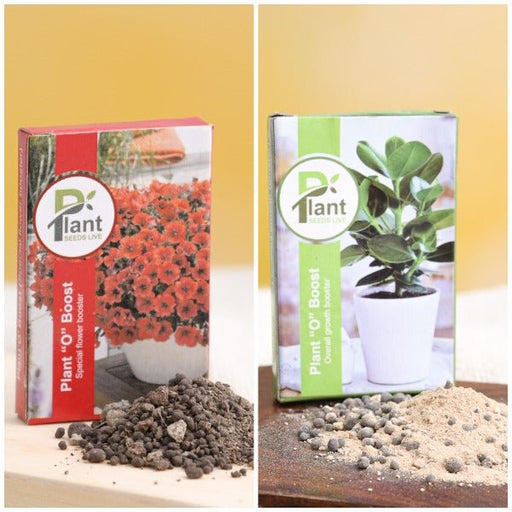
₹199 Plant O Boost — Growth Booster
₹239
Plant O Boost — Growth Booster
₹239 Garden Essential Plant Care Kit
₹599
Garden Essential Plant Care Kit
₹599