What is Chelidonium majus?
Chelidonium majus, also known as greater celandine, is a perennial herb that boasts bright yellow flowers and a penchant for shady spots. This plant is like the introverted artist of the botanical world—beautiful yet elusive, often found in neglected gardens or along roadsides, quietly working its magic.
What are the medicinal uses of Chelidonium majus?
This plant is a natural remedy powerhouse! Traditionally, Chelidonium majus has been used for liver ailments, gallbladder issues, and even skin conditions. Think of it as the herbal superhero, swooping in to save the day with its anti-inflammatory and analgesic properties, all while keeping things natural and green.
Is Chelidonium majus safe for everyone?
While Chelidonium majus has its fans, it’s not a one-size-fits-all solution. Pregnant or nursing women, as well as those with liver disease, should steer clear. Always consult a healthcare professional before diving into the herbal pool—better safe than sorry, right?
How do you use Chelidonium majus?
Using Chelidonium majus is like crafting a potion! You can brew it into a tea, create tinctures, or apply it topically. Just remember, moderation is key; too much of this herbal delight can lead to unwanted side effects. So, channel your inner alchemist wisely!
Where can I find Chelidonium majus?
Searching for Chelidonium majus? Look no further than your local wildflower patch or garden center! This plant thrives in shady, moist areas, often popping up in unexpected places. Just be sure to ask permission before foraging—plants have feelings too!
Can Chelidonium majus be grown at home?
Absolutely! Chelidonium majus is like that friend who thrives in low-maintenance environments. Plant it in a shady spot with well-drained soil, and watch it flourish. Just remember, it can be a bit of a spreader, so keep an eye on its wanderlust tendencies!
What are the side effects of Chelidonium majus?
While Chelidonium majus is a herbal darling, it can have a few party crashers. Side effects may include stomach upset, skin irritation, or even liver toxicity in high doses. Always start small and listen to your body—no one likes an uninvited guest!
Is Chelidonium majus effective for liver health?
Many herbal enthusiasts swear by Chelidonium majus for liver health, claiming it helps detoxify and support liver function. However, scientific evidence is still catching up. Think of it as a supportive sidekick rather than the main hero—always combine it with a balanced diet and lifestyle!
How does Chelidonium majus compare to other herbs?
Chelidonium majus stands out in the herbal crowd with its unique properties. While other herbs may focus on one area, this plant offers a buffet of benefits, from liver support to skin healing. It’s like the multi-talented friend who can sing, dance, and cook!
Can I use Chelidonium majus for skin conditions?
Yes, indeed! Chelidonium majus has been used topically for various skin conditions, including warts and eczema. Just remember to do a patch test first—nobody wants a surprise reaction. It’s like dating; you want to know if you’re compatible before diving in!
What is the best time to harvest Chelidonium majus?
The best time to harvest Chelidonium majus is during its flowering season, typically in late spring to early summer. This is when the plant is bursting with vitality and medicinal compounds. Just be sure to leave some behind for the bees—sharing is caring!
Is Chelidonium majus invasive?
Chelidonium majus can be a bit of a garden gatecrasher! While it’s not classified as highly invasive, it can spread quickly in the right conditions. If you’re not careful, it might just take over your garden party. Regular maintenance is key to keeping it in check!


 White Marble Pebbles (1 kg)
₹199
White Marble Pebbles (1 kg)
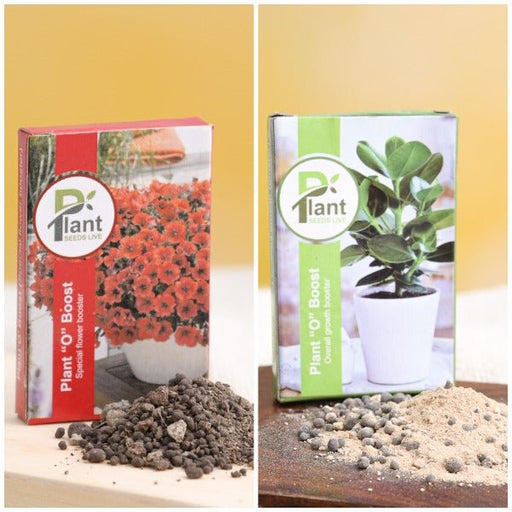
₹199 Plant O Boost — Growth Booster
₹239
Plant O Boost — Growth Booster
₹239 Garden Essential Plant Care Kit
₹599
Garden Essential Plant Care Kit
₹599