Encephalartos horridus Care
If you think caring for a plant is as easy as watering it and giving it a pep talk, think again! The Encephalartos horridus, with its spiky leaves and charmingly rugged demeanor, requires a bit more finesse. This cycad thrives in well-draining soil and loves a sunny spot, but don’t let it bake in the sun like a potato! Water it just enough to keep it happy, and remember, it’s not a fan of soggy feet. Treat it like royalty, and it might just reward you with its stunning foliage.
Encephalartos horridus Growth Rate
Patience is a virtue, especially when it comes to the growth rate of the Encephalartos horridus. This slowpoke of the plant world takes its sweet time to reach maturity, often taking several years to show off its full glory. But hey, good things come to those who wait! With the right care, you’ll eventually be the proud parent of a majestic cycad that will have your friends green with envy.
Encephalartos horridus Habitat
Picture this: a rugged landscape, sun-soaked and dry, where the Encephalartos horridus feels right at home. Native to South Africa, this plant thrives in rocky, well-drained soils, making it the ultimate survivor. It’s like the tough guy of the plant kingdom, perfectly adapted to withstand harsh conditions. So, if you’re looking to recreate its natural habitat, think arid and rocky, and your cycad will thank you for it!
Encephalartos horridus Propagation
Want to play plant matchmaker? Propagating the Encephalartos horridus can be a rewarding challenge. This cycad can be propagated through seeds or offsets, but don’t expect instant results. Patience is key, as seeds can take a while to germinate. Just remember, it’s not a race; it’s a journey! With a little love and care, you’ll soon have new little cycad companions to brighten your garden.
Encephalartos horridus Toxicity
Here’s a fun fact: the Encephalartos horridus is not just a pretty face; it’s also a bit of a diva! While it may look inviting, this plant is toxic if ingested. So, if you have pets or small children, it’s best to keep this spiky beauty out of reach. Think of it as the plant equivalent of a “Do Not Disturb” sign—beautiful but best admired from a distance!
Encephalartos horridus Sunlight Requirements
If you’re planning to pamper your Encephalartos horridus, sunlight is its best friend. This cycad loves basking in bright, indirect light, but too much direct sun can lead to crispy leaves. It’s like a sunbather who needs just the right amount of SPF! So, find that sweet spot where it can soak up the rays without turning into a plant pancake.
Encephalartos horridus Soil Type
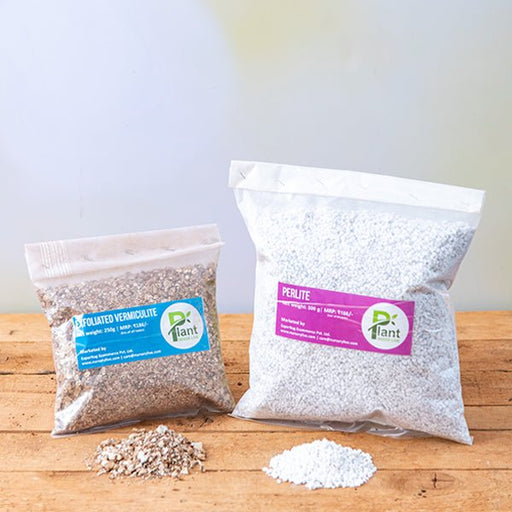
When it comes to soil, the Encephalartos horridus is a bit of a snob. It prefers well-draining, sandy soil that mimics its natural habitat. Think of it as a plant that enjoys a luxurious spa day—no soggy mess for this diva! A mix of sand, peat, and perlite will keep your cycad happy and thriving, ensuring it doesn’t drown in its own success.
Encephalartos horridus Pests
Like any good drama, the Encephalartos horridus has its share of pests trying to steal the spotlight. Mealybugs and scale insects can be a nuisance, but fear not! A little neem oil or insecticidal soap can send these unwanted guests packing. Keep an eye on your cycad, and it’ll remain the star of your garden, free from pesky intruders.
Encephalartos horridus Fertilization
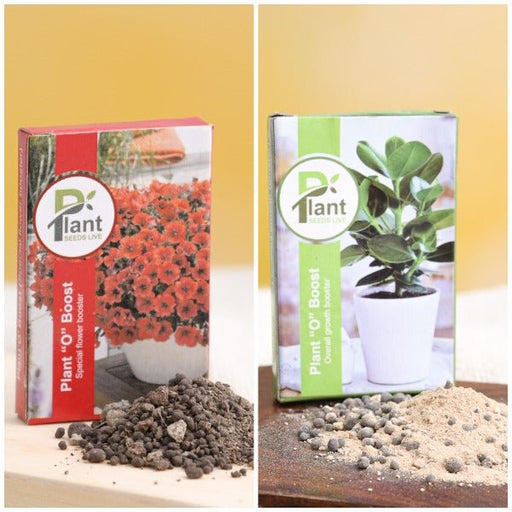
If you want your Encephalartos horridus to strut its stuff, a little fertilization goes a long way. During the growing season, a balanced fertilizer will help it flourish. Just remember, moderation is key—too much food can lead to a plant that’s all show and no substance. Think of it as a diet for your cycad; a little boost here and there will keep it looking fabulous!
Encephalartos horridus Landscape Use
Looking to add a touch of drama to your garden? The Encephalartos horridus is your go-to plant! With its striking appearance and architectural form, it makes a bold statement in any landscape. Whether used as a focal point or in a tropical-themed garden, this cycad will have your neighbors doing double-takes. Just be prepared for the compliments to roll in!
Encephalartos horridus Varieties
While the Encephalartos horridus is a showstopper on its own, did you know there are other varieties to explore? From different leaf shapes to varying sizes, each variety brings its own flair to the table. It’s like a family reunion where everyone has their unique quirks! So, if you’re feeling adventurous, consider adding a few different varieties to your collection for a truly diverse garden.


 White Marble Pebbles (1 kg)
₹199
White Marble Pebbles (1 kg)
₹199 Plant O Boost — Growth Booster
₹239
Plant O Boost — Growth Booster
₹239 Garden Essential Plant Care Kit
₹599
Garden Essential Plant Care Kit
₹599