Doryanthes excelsa Care
If you think caring for a Doryanthes excelsa is like babysitting a cactus, think again! This majestic plant, also known as the Gymea Lily, thrives on a little TLC. It loves well-drained soil and a sunny spot to stretch its leaves. Water it sparingly, as it prefers to be on the dry side—like that friend who always forgets to RSVP. With the right care, your Doryanthes will reward you with stunning flower spikes that could make even the most stoic gardener swoon.
Doryanthes excelsa Growth Rate
Patience is a virtue, especially when waiting for your Doryanthes excelsa to strut its stuff. This plant isn’t a speedster; it takes its sweet time to grow. Expect a slow but steady rise, like a tortoise in a race. In optimal conditions, it can reach impressive heights, but don’t expect it to be a skyscraper overnight. Just sit back, relax, and let nature do its thing—eventually, you’ll have a towering beauty that’ll make your neighbors green with envy.
Doryanthes excelsa Flowering Season
When it comes to flowering, the Doryanthes excelsa knows how to make an entrance! Typically, it bursts into bloom during the warmer months, showcasing its vibrant red or yellow flowers. Think of it as the diva of the plant world, demanding attention with its flamboyant display. These flowers are not just pretty faces; they attract pollinators like bees and birds, turning your garden into a buzzing hotspot. So, mark your calendar and prepare for a floral fiesta!
Doryanthes excelsa Soil Requirements
If you want your Doryanthes excelsa to thrive, you better roll out the red carpet for its soil! This plant prefers well-draining, sandy or loamy soil that doesn’t hold onto water like a clingy ex. Too much moisture can lead to root rot, and nobody wants that drama. Mix in some organic matter to give it a nutrient boost, and watch your plant flourish like it just won the gardening lottery!
Doryanthes excelsa Propagation
Ready to spread the love? Propagating Doryanthes excelsa is like sharing your favorite dessert—everyone wants a piece! The best method is through offsets or division. Just carefully separate the young plants from the parent and replant them in their own cozy spots. It’s a simple process that can lead to a mini forest of these stunning plants. Just remember, sharing is caring, but don’t go overboard; you don’t want to end up with a jungle in your backyard!
Doryanthes excelsa Pests
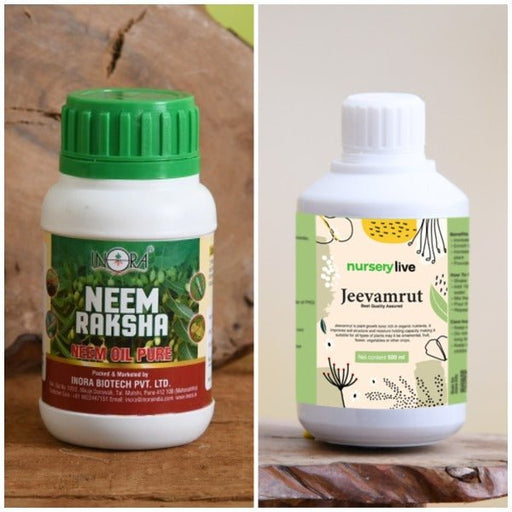
Every plant has its nemeses, and for Doryanthes excelsa, it’s the pesky pests! Aphids and mealybugs might try to crash the party, but don’t fret. A gentle spray of insecticidal soap or neem oil can send them packing. Keep an eye out for these uninvited guests, and your plant will remain the belle of the botanical ball. After all, who wants a garden that looks like a bug buffet?
Doryanthes excelsa Sunlight Needs
If your Doryanthes excelsa could talk, it would shout, “More sun, please!” This plant is a sun worshipper, thriving in full sunlight. It’s like that friend who insists on sitting in the front row at concerts—always craving the spotlight. While it can tolerate some shade, too much will leave it feeling lackluster. So, give it a sunny spot, and watch it flourish like it’s on a tropical vacation!
Doryanthes excelsa Hardiness Zone
If you’re wondering where your Doryanthes excelsa can live its best life, look no further than hardiness zones 10 to 11. This plant is not a fan of frost; it prefers to bask in warm temperatures like a beach bum. If you live in a cooler climate, consider bringing it indoors during winter. Just think of it as a seasonal roommate—one that brings a touch of the tropics to your home!
Doryanthes excelsa Landscape Use
Looking to add a touch of drama to your garden? Doryanthes excelsa is your go-to plant! With its towering stature and striking flowers, it’s perfect for creating focal points or adding height to your landscape. Imagine it standing proudly among lower plants, like a regal monarch surveying its kingdom. Whether in a tropical garden or a modern landscape, this plant will elevate your outdoor space to new heights.
Doryanthes excelsa Companion Plants
Pairing your Doryanthes excelsa with the right companions is like finding the perfect dance partner—chemistry is key! Consider planting it alongside other drought-tolerant species like succulents or ornamental grasses. They’ll complement each other beautifully, creating a harmonious garden vibe. Just avoid overly thirsty plants; you don’t want your Doryanthes feeling like it’s in a toxic relationship!
Doryanthes excelsa Uses
The Doryanthes excelsa isn’t just a pretty face; it has a variety of uses! Beyond its ornamental appeal, the leaves can be used for weaving, and the flowers are known to attract pollinators, making it a gardener’s best friend. Plus, it’s a low-maintenance plant that adds a touch of the exotic to any landscape. So, whether you’re looking to beautify your garden or create a wildlife haven, this plant has got you covered!


 White Marble Pebbles (1 kg)
₹199
White Marble Pebbles (1 kg)
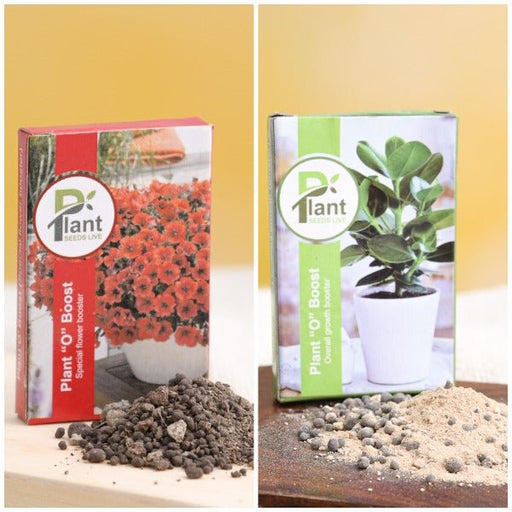
₹199 Plant O Boost — Growth Booster
₹239
Plant O Boost — Growth Booster
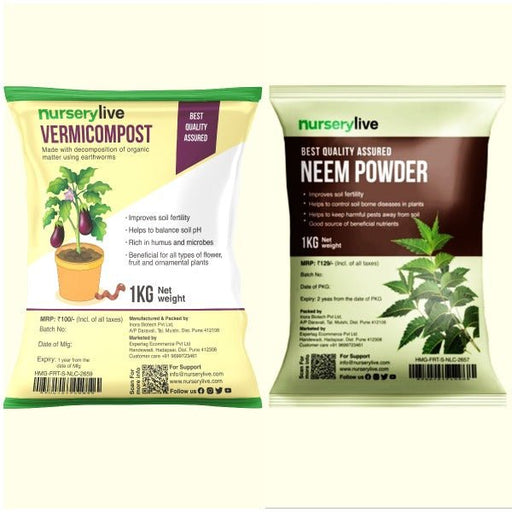
₹239 Garden Essential Plant Care Kit
₹599
Garden Essential Plant Care Kit
₹599