Dizygotheca kerchoveana Care
If you think caring for a plant is as easy as watering it and hoping for the best, think again! The Dizygotheca kerchoveana, also known as the false aralia, requires a bit more finesse. This tropical beauty thrives in bright, indirect light and loves humidity like a diva loves a spa day. Keep the soil moist but not soggy, and watch out for pesky pests that might want to crash the party. With a little TLC, your plant will reward you with stunning, feathery leaves that will make your friends green with envy.
Dizygotheca kerchoveana Propagation
Ready to expand your plant family? Propagating the Dizygotheca kerchoveana is like playing plant matchmaker. You can take stem cuttings and root them in water or soil, but remember, patience is key! It’s not a race; it’s a slow dance. Ensure the cuttings have a few leaves and keep them warm and humid. Before you know it, you’ll have a mini jungle of these gorgeous plants, and you can start your own plant club—just don’t forget to charge membership fees!
Dizygotheca kerchoveana Light Requirements
If you thought your ex was high maintenance, wait until you meet the light requirements of the Dizygotheca kerchoveana. This plant prefers bright, indirect light, which means it’s not a fan of harsh, direct sun. Think of it as a plant that enjoys a good sunbath but hates sunburn. Place it near a window with filtered light, and it will reward you with lush, vibrant foliage. Too little light, and it might sulk; too much, and it could throw a tantrum.
Dizygotheca kerchoveana Soil Type
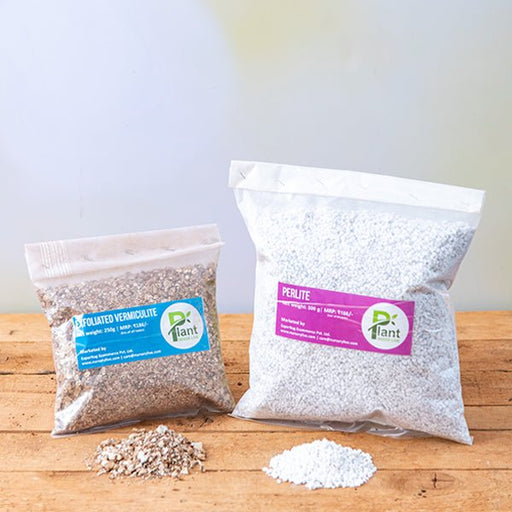
The Dizygotheca kerchoveana is a bit of a soil snob. It prefers a well-draining potting mix that’s rich in organic matter. Think of it as a plant that enjoys a luxurious spa treatment rather than a cheap motel. A mix of peat, perlite, and pine bark will do the trick. This combination allows for proper drainage while keeping the roots happy and hydrated. Remember, soggy roots are a big no-no; they’ll have your plant calling for a lifeguard!
Dizygotheca kerchoveana Watering
Watering the Dizygotheca kerchoveana is like finding the perfect balance in a relationship. Too much water, and you’ll drown it in sorrow; too little, and it’ll feel neglected. Aim to keep the soil consistently moist but not waterlogged. A good rule of thumb is to water when the top inch of soil feels dry. Your plant will thank you with vibrant leaves and a happy dance—well, if plants could dance, that is!
Dizygotheca kerchoveana Fertilizer
When it comes to feeding your Dizygotheca kerchoveana, think of it as a gourmet meal rather than fast food. Use a balanced liquid fertilizer every four to six weeks during the growing season. This plant loves a good nutrient boost, but don’t overdo it; too much fertilizer can lead to a case of the “burnt leaf blues.” A little goes a long way, and your plant will flourish like it just won the botanical lottery.
Dizygotheca kerchoveana Pests
Ah, pests—the uninvited guests at your plant party. The Dizygotheca kerchoveana can attract a few unwanted critters like spider mites and mealybugs. Keep an eye out for these little party crashers, and if they show up, don’t panic! A gentle wipe with a damp cloth or a spray of insecticidal soap will send them packing. Remember, a clean plant is a happy plant, and you’ll keep the drama to a minimum.
Dizygotheca kerchoveana Temperature
The Dizygotheca kerchoveana is a tropical plant that enjoys warm weather, much like a beach-loving sunbather. It thrives in temperatures between 65°F and 80°F, so keep it away from chilly drafts and sudden temperature drops. If your home feels like a winter wonderland, your plant will not be amused. Keep it cozy, and it will reward you with stunning foliage that makes you feel like you’re living in a rainforest.
Dizygotheca kerchoveana Toxicity
Good news for pet lovers! The Dizygotheca kerchoveana is considered non-toxic to cats and dogs. So, if your furry friend decides to take a nibble, you won’t have to worry about a botanical emergency. However, it’s always best to discourage any munching habits—after all, we don’t want them thinking your plant is a salad bar. Keep your plant high and mighty on a shelf, and let it be the star of the show!
Dizygotheca kerchoveana Indoor vs. Outdoor
The Dizygotheca kerchoveana can be a bit of a diva when it comes to its living arrangements. While it can thrive indoors, it also enjoys a good outdoor vacation during the warmer months. Just make sure to provide some shade if it’s outside; too much sun can lead to crispy leaves. Whether it’s inside or outside, this plant will always be the belle of the ball, bringing a touch of tropical elegance to any space.
Dizygotheca kerchoveana Common Issues
Every plant has its quirks, and the Dizygotheca kerchoveana is no exception. Common issues include yellowing leaves, which can signal overwatering or insufficient light. If you notice your plant looking a bit under the weather, don’t fret! A little adjustment in care can work wonders. Keep an eye on humidity levels and ensure it’s not sitting in soggy soil. With a bit of attention, your plant will bounce back and continue to impress!


 White Marble Pebbles (1 kg)
₹199
White Marble Pebbles (1 kg)
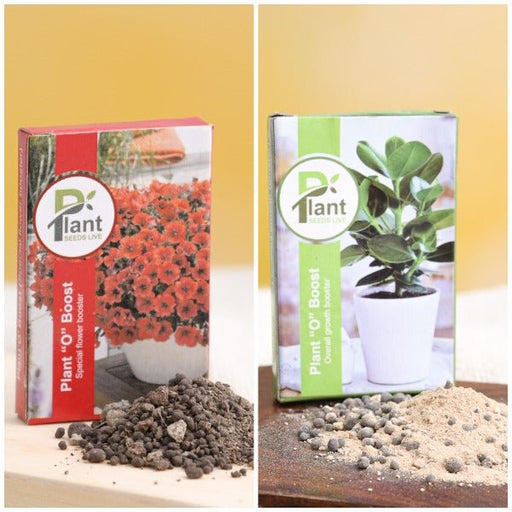
₹199 Plant O Boost — Growth Booster
₹239
Plant O Boost — Growth Booster
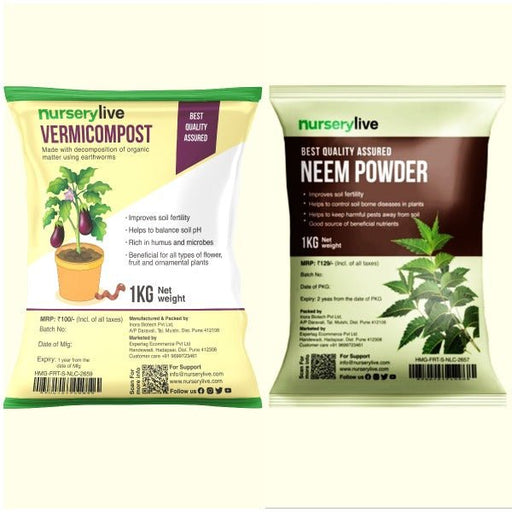
₹239 Garden Essential Plant Care Kit
₹599
Garden Essential Plant Care Kit
₹599