What is Dioon spinulosum?
Dioon spinulosum is a charming cycad native to Mexico, often called the "Zamia." With its spiky leaves and stout trunk, it’s like the punk rock star of the plant world, bringing a touch of the prehistoric to your garden. Just don’t expect it to play guitar!
How do I care for Dioon spinulosum?
Caring for Dioon spinulosum is like nurturing a diva. It loves bright, indirect light and well-draining soil. Water it when the top inch of soil is dry, but don’t drown it! Fertilize sparingly during the growing season, and it’ll reward you with its stunning foliage.
Is Dioon spinulosum indoor-friendly?
Absolutely! Dioon spinulosum can be a fabulous indoor companion, provided it gets enough light. Place it near a window where it can soak up some rays, but avoid direct sunlight that could scorch its leaves. Just remember, it’s not a fan of cramped spaces—give it room to breathe!
What is the growth rate of Dioon spinulosum?
Dioon spinulosum is not in a hurry; it’s more of a slow and steady type. Expect it to grow about 6 to 12 inches per year, depending on conditions. Patience is key, but with time, it’ll become a majestic centerpiece in your plant collection.
Can Dioon spinulosum survive outdoors?
Yes, Dioon spinulosum can thrive outdoors in USDA zones 9-11. It loves warm climates and can handle some drought, but don’t let it freeze! If you live in a cooler area, consider bringing it inside during winter. It’s like a plant that enjoys a vacation!
What pests affect Dioon spinulosum?
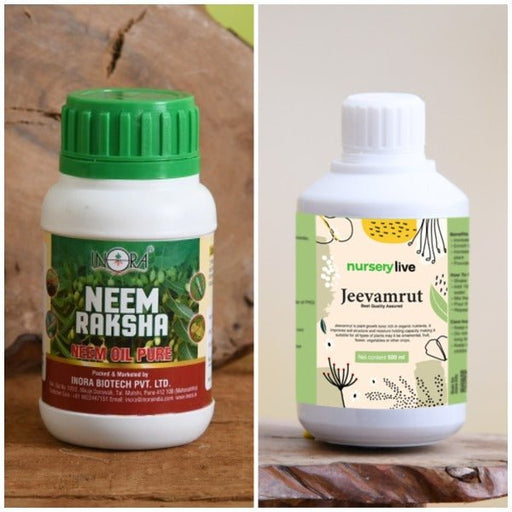
Dioon spinulosum is generally pest-resistant, but it can occasionally attract scale insects or mealybugs. If you spot these uninvited guests, a gentle wipe with soapy water or neem oil will send them packing. Think of it as a plant bouncer keeping the riffraff out!
How often should I fertilize Dioon spinulosum?
Fertilizing Dioon spinulosum is like giving it a treat—just don’t overdo it! Use a balanced, slow-release fertilizer during the growing season, about every 4-6 weeks. In winter, let it hibernate without extra nutrients. It’s a plant that appreciates a good diet but doesn’t want to be stuffed!
Is Dioon spinulosum toxic to pets?
Good news for pet lovers! Dioon spinulosum is considered non-toxic to cats and dogs. However, while it won’t harm your furry friends, it’s still best to discourage them from munching on it. After all, we wouldn’t want them to develop a taste for the exotic!
What soil is best for Dioon spinulosum?
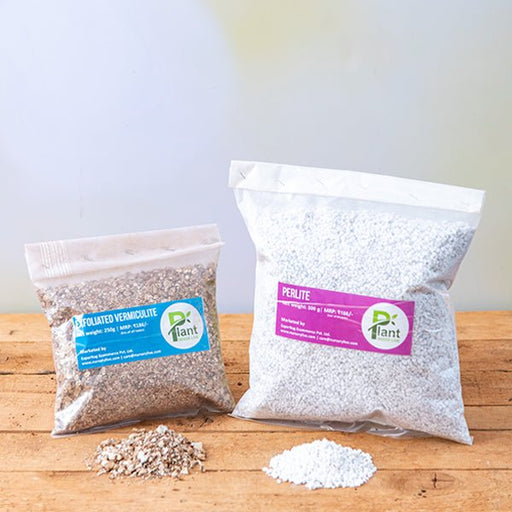
Dioon spinulosum thrives in well-draining soil that mimics its natural habitat. A mix of potting soil, sand, and perlite works wonders. Think of it as a luxurious spa treatment for your plant—good drainage keeps it happy and healthy, preventing root rot from crashing the party!
How big does Dioon spinulosum get?
Dioon spinulosum can grow up to 10 feet tall in the wild, but in cultivation, it usually stays a bit smaller. Its impressive crown of leaves can spread out to about 3 feet wide, making it a stunning focal point. Just remember, it’s not a shrub; it’s a statement!
Can I propagate Dioon spinulosum?
Propagating Dioon spinulosum is a bit tricky, as it primarily reproduces through seeds. If you’re feeling adventurous, collect seeds from mature cones and plant them in well-draining soil. Just be patient—germination can take a while. It’s like waiting for a fine wine to age!
What are the benefits of Dioon spinulosum?
Dioon spinulosum isn’t just a pretty face; it’s also a great air purifier! This cycad helps improve indoor air quality while adding a touch of prehistoric charm to your space. Plus, it’s low-maintenance, making it the perfect plant for those who want beauty without the fuss!


 White Marble Pebbles (1 kg)
₹199
White Marble Pebbles (1 kg)
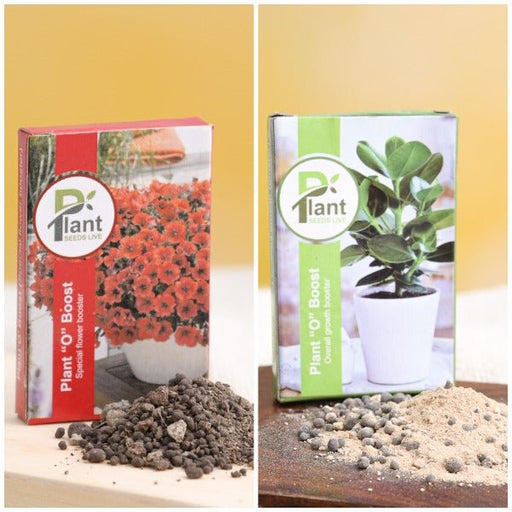
₹199 Plant O Boost — Growth Booster
₹239
Plant O Boost — Growth Booster
₹239 Garden Essential Plant Care Kit
₹599
Garden Essential Plant Care Kit
₹599