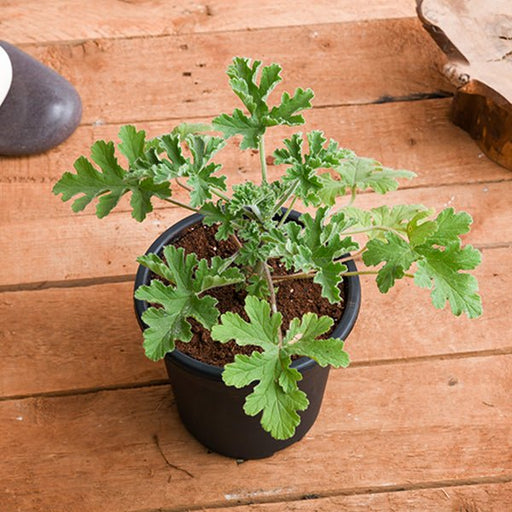
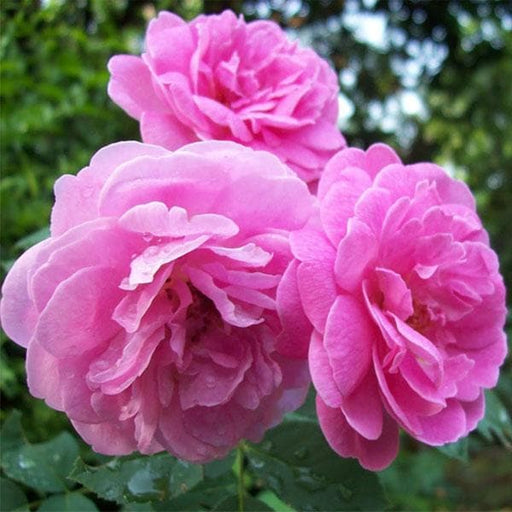
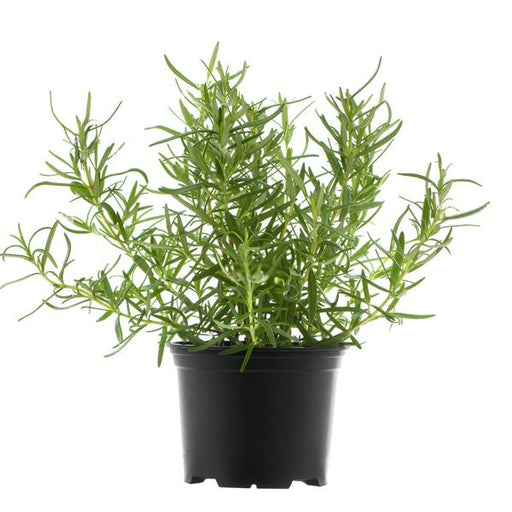
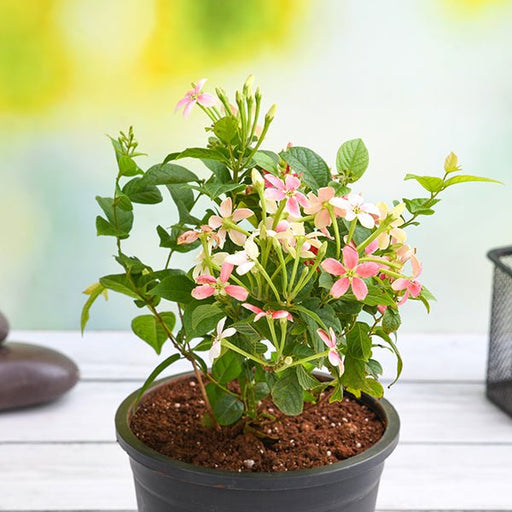
What is Dictyospermum album conjugatum?
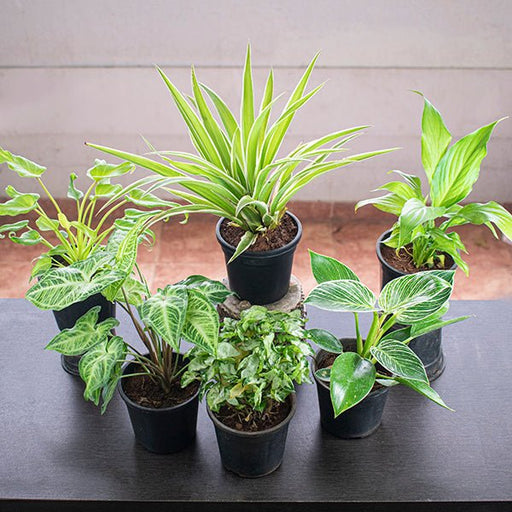
Dictyospermum album conjugatum is a tropical plant that’s as charming as it sounds! Known for its lush green foliage and unique growth patterns, it’s a favorite among plant enthusiasts. This beauty thrives in warm, humid environments, making it a perfect addition to your indoor jungle or garden oasis.
How do I care for Dictyospermum album conjugatum?
Caring for Dictyospermum album conjugatum is like nurturing a diva! It loves bright, indirect sunlight and a humid atmosphere. Water it regularly, but don’t drown it—think of it as a gentle shower, not a monsoon. Fertilize during the growing season, and watch it flourish like the star it is!
What are the ideal growing conditions for Dictyospermum album conjugatum?
Dictyospermum album conjugatum prefers a warm, humid environment—think tropical paradise! Aim for temperatures between 65°F to 85°F and humidity levels above 50%. It enjoys well-draining soil and bright, indirect light. If you can’t provide a rainforest, a humidifier will do wonders to keep this plant happy!
Can Dictyospermum album conjugatum be grown indoors?
Absolutely! Dictyospermum album conjugatum is an indoor superstar. It thrives in pots, adding a touch of tropical flair to your living space. Just ensure it gets enough light and humidity, and it’ll reward you with its stunning foliage. Your home will feel like a botanical garden in no time!
Is Dictyospermum album conjugatum pet-friendly?
While Dictyospermum album conjugatum is a delightful plant, it’s best to keep it away from curious pets. It’s not toxic, but let’s face it—cats and dogs have a knack for nibbling on things they shouldn’t. Better safe than sorry; let your plant enjoy its peace without furry interruptions!
How often should I water Dictyospermum album conjugatum?
Watering Dictyospermum album conjugatum is like a delicate dance. Keep the soil consistently moist but not soggy. Check the top inch of soil; if it’s dry, it’s time for a drink! In winter, reduce watering as it takes a little snooze. Remember, overwatering is the ultimate party pooper!
What pests should I watch out for with Dictyospermum album conjugatum?
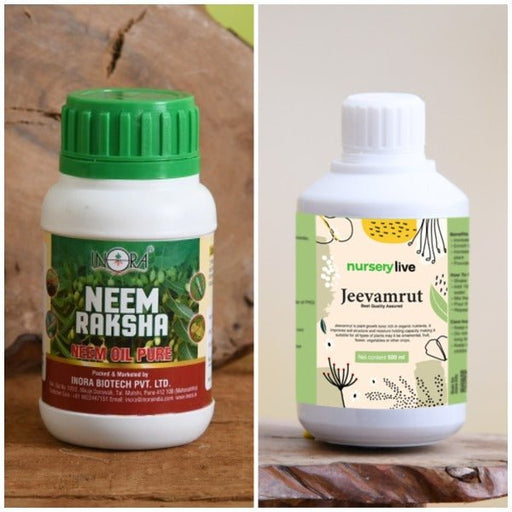
Dictyospermum album conjugatum can attract pests like spider mites and mealybugs—those uninvited guests! Keep an eye out for webbing or cottony spots. A gentle wipe with soapy water or neem oil can send them packing. Regularly inspecting your plant is like a security check for your leafy friend!
Can I propagate Dictyospermum album conjugatum?
Yes, you can propagate Dictyospermum album conjugatum! It’s like creating mini versions of your plant. Take stem cuttings and place them in water or soil, keeping them warm and humid. With a little patience, you’ll have new plants sprouting up, ready to take over your home like adorable green minions!
What is the growth rate of Dictyospermum album conjugatum?
Dictyospermum album conjugatum has a moderate growth rate, making it a patient companion. With the right care, it can grow several inches a year. It’s not a speedster, but it’s not a sloth either! Just give it the love it deserves, and it’ll reward you with lush, vibrant foliage.
Does Dictyospermum album conjugatum need fertilization?
Yes, Dictyospermum album conjugatum loves a good meal! Fertilize it during the growing season with a balanced liquid fertilizer every 4-6 weeks. Think of it as a gourmet feast for your plant. Just don’t overdo it—too much fertilizer can lead to a plant that’s more “overcooked” than “well-done.”
What are the common diseases affecting Dictyospermum album conjugatum?
Dictyospermum album conjugatum can face a few foes, like root rot and leaf spot. Overwatering is the main culprit for root rot, while leaf spot can be caused by fungal infections. Keep an eye on your plant’s health, and if you spot trouble, act fast! Prevention is the best medicine for your leafy friend.
Can Dictyospermum album conjugatum tolerate low light?
Dictyospermum album conjugatum prefers bright, indirect light, but it can tolerate low light—just not for long! Think of it as a plant that enjoys a sunny vacation but can survive a cloudy day. If you want it to thrive, give it the light it craves, and it’ll reward you with vibrant growth!


 White Marble Pebbles (1 kg)
₹199
White Marble Pebbles (1 kg)
₹199 Plant O Boost — Growth Booster
₹239
Plant O Boost — Growth Booster
₹239 Garden Essential Plant Care Kit
₹599
Garden Essential Plant Care Kit
₹599