What is Dictyosperma album variety rubrum?
Dictyosperma album variety rubrum, also known as the red palm, is a stunning tropical plant with striking red stems and lush green fronds. It’s like the diva of the plant world, demanding attention with its vibrant colors and graceful presence. Perfect for adding a splash of exotic flair to your indoor or outdoor space!
How do I care for Dictyosperma album variety rubrum?
Caring for this beauty is a breeze! It loves bright, indirect light and a warm, humid environment. Water it regularly, but don’t drown it—think of it as a thirsty diva, not a fish! Fertilize during the growing season, and watch it flourish like the star it is.
What are the ideal growing conditions for Dictyosperma album variety rubrum?
This tropical gem thrives in well-draining soil, bright indirect light, and humidity levels that would make a rainforest jealous. Keep it cozy at temperatures above 60°F, and it’ll reward you with its stunning foliage. Just remember, it’s not a fan of frost—so keep it warm and toasty!
Can Dictyosperma album variety rubrum be grown indoors?
Absolutely! This palm is a fantastic indoor companion, bringing a touch of the tropics to your living room. Just ensure it gets enough light and humidity, and it’ll strut its stuff like it’s on a catwalk. Perfect for those who want a slice of paradise without leaving home!
How often should I water Dictyosperma album variety rubrum?
Watering is an art, not a science! Aim for once a week, allowing the top inch of soil to dry out between drinks. If it starts drooping, it’s thirsty—give it a sip! But if it’s yellowing, you might be overdoing it. Balance is key, like a tightrope walker!
What pests should I watch out for with Dictyosperma album variety rubrum?
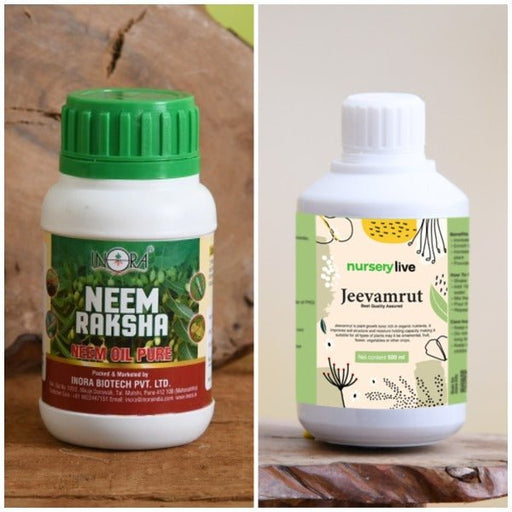
Keep an eye out for pesky pests like spider mites and mealybugs. They can be as annoying as a fly at a picnic! Regularly inspect your plant, and if you spot any uninvited guests, treat them with insecticidal soap or neem oil. Your palm deserves a pest-free life!
Is Dictyosperma album variety rubrum toxic to pets?
Good news for pet parents! Dictyosperma album variety rubrum is non-toxic to cats and dogs. So, let your furry friends frolic around this tropical beauty without worry. Just remind them not to use the leaves as chew toys—after all, it’s a plant, not a salad!
How fast does Dictyosperma album variety rubrum grow?
This palm is a slow but steady grower, adding about 6 to 12 inches a year. Patience is a virtue, my friend! With the right care, it’ll eventually reach heights of up to 10 feet, making it a showstopper in your garden or home. Good things come to those who wait!
Can I propagate Dictyosperma album variety rubrum?
Propagation is possible, but it’s not as easy as pie! You can try division during repotting, but make sure each section has roots and fronds. It’s like splitting a band—everyone needs to shine! Just be patient, and you might end up with more of these beauties to love.
What type of soil is best for Dictyosperma album variety rubrum?
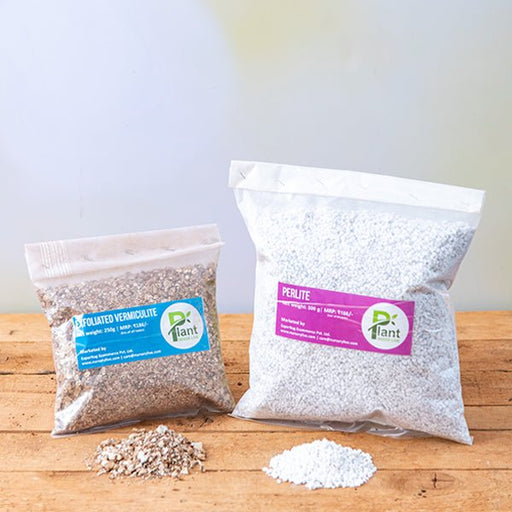
A well-draining potting mix is the way to go! Think of it as a luxurious spa for your palm—light, airy, and rich in organic matter. You can even mix in some perlite or sand for extra drainage. Your plant will thank you for the pampering!
How do I fertilize Dictyosperma album variety rubrum?
Feed your palm with a balanced liquid fertilizer every 4-6 weeks during the growing season. It’s like giving it a gourmet meal! Just dilute it to half strength to avoid overwhelming this tropical diva. In winter, let it rest—no need for fancy feasts when it’s hibernating!
What are the common diseases affecting Dictyosperma album variety rubrum?
Watch out for root rot and leaf spot diseases! Overwatering can lead to root rot, while poor air circulation might invite leaf spots. Keep your plant dry and well-ventilated, and it’ll stay healthy and happy. Remember, prevention is better than cure—like sunscreen for your palm!


 White Marble Pebbles (1 kg)
₹199
White Marble Pebbles (1 kg)
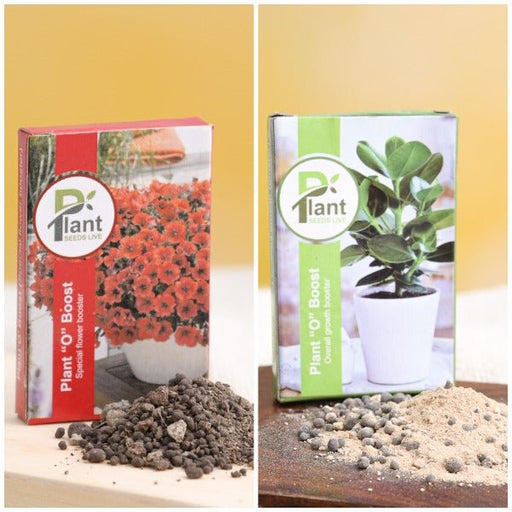
₹199 Plant O Boost — Growth Booster
₹239
Plant O Boost — Growth Booster
₹239 Garden Essential Plant Care Kit
₹599
Garden Essential Plant Care Kit
₹599