Clerodendrum thomsonae care
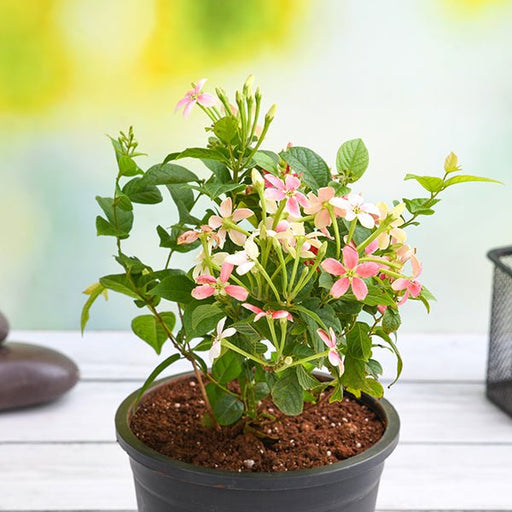
Caring for your Clerodendrum thomsonae variegata is like nurturing a diva; it demands attention but rewards you with stunning foliage and blooms. This plant thrives in bright, indirect sunlight and prefers well-draining soil. Water it regularly, but don’t drown it—think of it as a plant that enjoys a spa day, not a swim. Fertilize during the growing season to keep it looking fabulous, and don’t forget to prune it occasionally to maintain its shape. Remember, a happy plant is a blooming plant!
Clerodendrum thomsonae propagation
Propagating Clerodendrum thomsonae variegata is like playing plant matchmaker. You can take cuttings in spring or summer, dip them in rooting hormone, and plant them in moist soil. Keep them warm and humid, and soon you’ll have a mini-forest of these beauties. Just be patient; good things come to those who wait, and before you know it, you’ll have more plants to show off to your friends!
Clerodendrum thomsonae pests
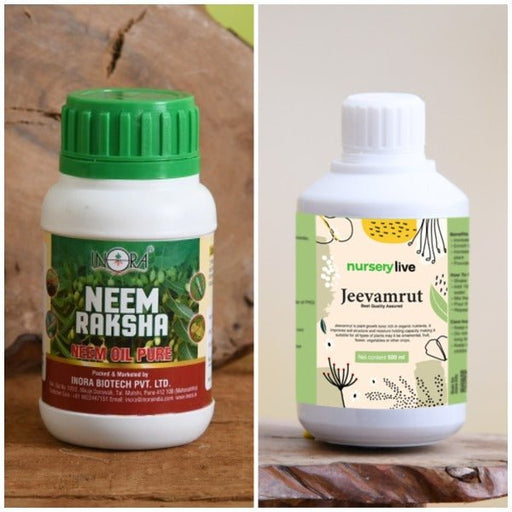
Ah, the dreaded pests! Clerodendrum thomsonae variegata can attract unwelcome guests like aphids and spider mites. But fear not! A little neem oil or insecticidal soap can send these critters packing. Regularly inspecting your plant is key; think of it as a security check for your leafy friend. If you spot any pests, act fast—after all, you wouldn’t let a party crasher ruin your soirée, would you?
Clerodendrum thomsonae benefits
This plant isn’t just a pretty face; it offers a plethora of benefits! Clerodendrum thomsonae variegata is known for its air-purifying qualities, making it a fantastic addition to your indoor jungle. It also attracts pollinators like butterflies, turning your garden into a buzzing paradise. Plus, its vibrant colors can brighten any space, making it a mood-lifter. Who knew a plant could be such a multitasker?
Clerodendrum thomsonae sunlight requirements
When it comes to sunlight, Clerodendrum thomsonae variegata is a bit of a diva. It loves bright, indirect light but can’t stand the harsh afternoon sun. Think of it as a sunbather who prefers a shady cabana. Too little light, and it might sulk; too much, and it could get scorched. Finding that perfect balance is key to keeping this beauty thriving and blooming.
Clerodendrum thomsonae soil type
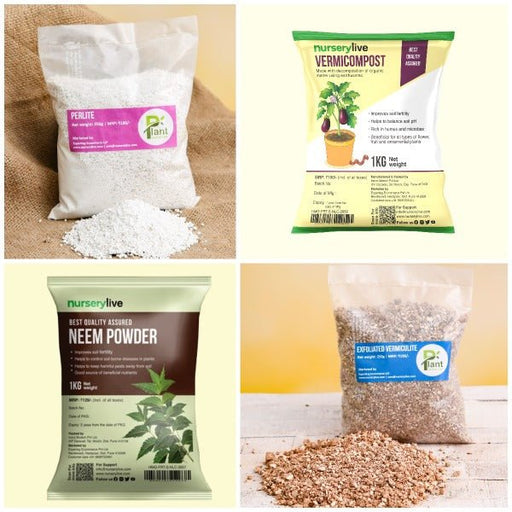
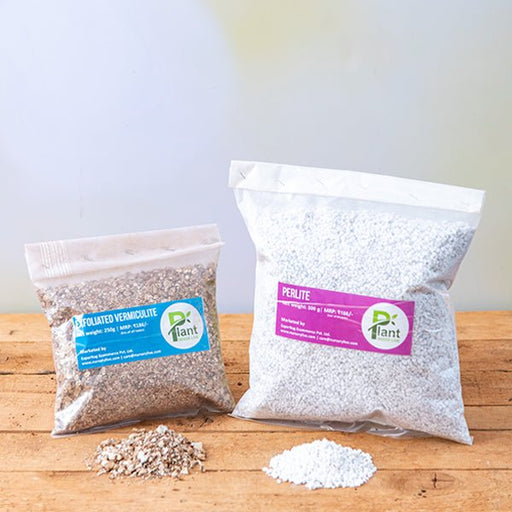
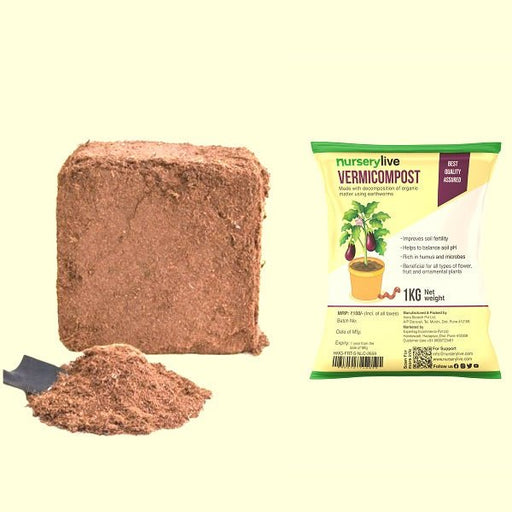
The right soil is crucial for your Clerodendrum thomsonae variegata to strut its stuff. It prefers a well-draining potting mix that retains some moisture but doesn’t turn into a swamp. A blend of peat, perlite, and compost is like a five-star buffet for your plant. It’s all about giving it the right environment to flourish, so don’t skimp on the soil quality!
Clerodendrum thomsonae pruning
Pruning your Clerodendrum thomsonae variegata is like giving it a stylish haircut. Regular trimming helps maintain its shape and encourages bushier growth. Snip away any dead or yellowing leaves, and don’t be afraid to cut back leggy stems. Just remember, a little goes a long way—over-pruning can leave your plant looking like it just survived a bad hair day.
Clerodendrum thomsonae toxicity
Good news for pet lovers! Clerodendrum thomsonae variegata is considered non-toxic to cats and dogs. So, you can have this beauty in your home without worrying about your furry friends nibbling on its leaves. However, it’s always wise to keep an eye on your pets, as they can be unpredictable. After all, who knows what mischief they might get into when you’re not looking?
Clerodendrum thomsonae flowering season
Get ready for a floral fiesta! Clerodendrum thomsonae variegata typically blooms in late summer to early fall, showcasing clusters of vibrant red and white flowers. These blooms are not just eye candy; they attract pollinators and add a splash of color to your garden. Just be sure to give your plant the right care leading up to this season, and it will reward you with a stunning display that’s sure to impress.
Clerodendrum thomsonae indoor vs outdoor
Deciding whether to keep your Clerodendrum thomsonae variegata indoors or outdoors is like choosing between a cozy night in or a wild night out. Indoors, it can thrive in bright, indirect light and purify your air, while outdoors, it can bask in the sun and attract butterflies. Whichever you choose, just make sure it’s in a spot where it can shine—this plant deserves the spotlight!
Clerodendrum thomsonae companion plants
Pairing your Clerodendrum thomsonae variegata with the right companion plants is like assembling the ultimate friend group. Consider mixing it with ferns or calatheas for a lush, tropical vibe. These plants not only complement its beauty but also share similar care requirements. Just remember, no drama in this plant party—choose companions that get along well and create a harmonious garden atmosphere!


 White Marble Pebbles (1 kg)
₹199
White Marble Pebbles (1 kg)
₹199 Plant O Boost — Growth Booster
₹239
Plant O Boost — Growth Booster
₹239 Garden Essential Plant Care Kit
₹599
Garden Essential Plant Care Kit
₹599