What is Chrysophyllum cainito?
Chrysophyllum cainito, also known as the star apple, is a tropical fruit tree that’s as sweet as its name suggests. With glossy leaves and a star-shaped fruit, it’s like nature’s own little treasure chest. Perfect for those who want to impress their friends with exotic fruits and a touch of botanical flair!
Where does Chrysophyllum cainito grow?
This tropical diva thrives in warm, humid climates, primarily found in regions like the Caribbean, Central America, and parts of Southeast Asia. If you’re dreaming of growing one, make sure your backyard feels like a tropical paradise—sunny, warm, and with a hint of adventure!
How do you care for Chrysophyllum cainito?
Caring for this beauty is a breeze! Provide well-draining soil, regular watering, and a sunny spot to bask in. Fertilize during the growing season, and watch out for pests—because even star apples need a bodyguard now and then. With a little love, you’ll have a fruit-bearing friend in no time!
What does Chrysophyllum cainito taste like?
Imagine biting into a creamy, sweet fruit that dances between a pear and a grape. That’s the star apple for you! Its unique flavor profile is a delightful surprise, making it a favorite for fruit salads, smoothies, or just a cheeky snack. Who knew tropical fruits could be so charming?
When does Chrysophyllum cainito bear fruit?
Patience is a virtue, especially with Chrysophyllum cainito! Typically, it takes about 3 to 5 years after planting to start producing fruit. But once it does, you’ll be rewarded with a bounty of star-shaped delights. So, grab a chair, sit back, and let the fruit party begin!
Can Chrysophyllum cainito be grown indoors?
While it prefers the great outdoors, you can attempt to grow Chrysophyllum cainito indoors if you have a sunny spot and a large enough pot. Just remember, it’s a tropical tree at heart, so it might throw a tantrum if it doesn’t get enough light. Indoor gardening just got a bit more exotic!
Is Chrysophyllum cainito easy to propagate?
Absolutely! Propagating this star apple can be done through seeds or grafting. Just remember, seeds may take a while to germinate, so patience is key. If you’re feeling adventurous, grafting can give you a head start on fruit production. It’s like giving your plant a VIP pass to the fruit club!
What are the health benefits of Chrysophyllum cainito?
Chrysophyllum cainito isn’t just a pretty face; it’s packed with vitamins A and C, fiber, and antioxidants. Eating this fruit can boost your immune system, improve digestion, and keep your skin glowing. Who knew indulging in a sweet treat could also be a health kick? Talk about a win-win!
How do you harvest Chrysophyllum cainito?
Harvesting is as easy as pie! Wait until the fruit turns a lovely purple or green, then gently twist it off the branch. Be careful not to bruise your precious cargo—after all, you want to enjoy that sweet, creamy goodness without any battle scars. Happy harvesting!
What pests affect Chrysophyllum cainito?
Like any diva, Chrysophyllum cainito can attract a few unwanted guests, such as aphids, scale, and mealybugs. Keep an eye out and treat them with insecticidal soap or neem oil. A little pest control goes a long way in keeping your star apple healthy and thriving!
Can you eat Chrysophyllum cainito skin?
The skin of Chrysophyllum cainito is edible but can be a bit tough and not as tasty as the creamy flesh inside. If you’re feeling adventurous, give it a try, but most people prefer to dig right into the sweet, luscious interior. After all, who wants to waste time on tough skin?
What is the ideal climate for Chrysophyllum cainito?
Chrysophyllum cainito loves a tropical climate with temperatures between 60°F and 100°F. It thrives in humidity and well-drained soil, so think of it as the ultimate sunbather. If you live in a cooler area, consider container gardening to bring a slice of the tropics to your backyard!


 White Marble Pebbles (1 kg)
₹199
White Marble Pebbles (1 kg)
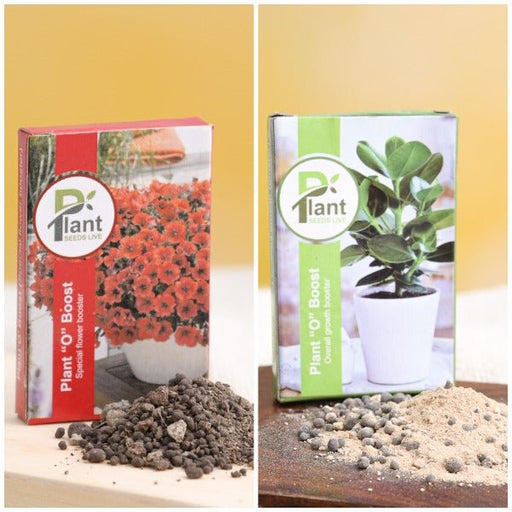
₹199 Plant O Boost — Growth Booster
₹239
Plant O Boost — Growth Booster
₹239 Garden Essential Plant Care Kit
₹599
Garden Essential Plant Care Kit
₹599