What is Chrysodalanus icaco?
Chrysodalanus icaco, also known as the cocoplum, is a tropical shrub that’s as charming as it sounds. With its glossy leaves and delightful fruits, it’s a favorite for hedges and landscapes. Think of it as the plant equivalent of a well-dressed party guest—always ready to impress!
Where does Chrysodalanus icaco grow?
This tropical beauty thrives in warm, coastal regions, particularly in the Caribbean and parts of Florida. It loves sandy soils and can handle salt spray like a pro. So, if you’re near the beach and looking for a plant that can party in the sun, this is your go-to!
How tall does Chrysodalanus icaco grow?
Chrysodalanus icaco can reach heights of 3 to 10 feet, depending on its mood and environment. It’s like that friend who can either be the life of the party or chill in the corner—just give it the right conditions, and it’ll strut its stuff!
Is Chrysodalanus icaco easy to care for?
Absolutely! This plant is the low-maintenance friend we all need. It’s drought-tolerant and can handle poor soil, making it perfect for those who want greenery without the fuss. Just give it some sunlight and occasional watering, and it’ll thrive like a champ!
What are the uses of Chrysodalanus icaco?
Chrysodalanus icaco is versatile! It’s often used for hedges, ground cover, and even as a decorative shrub. Plus, its fruits are edible—though they taste better when you’re not expecting a gourmet experience. Think of it as nature’s way of keeping things interesting!
Are the fruits of Chrysodalanus icaco edible?
Yes, the fruits are edible, but don’t expect a Michelin-star experience! They’re often described as sweet with a hint of tartness, perfect for adventurous eaters. Just remember, they’re more of a snack than a feast—great for a quick nibble while gardening!
How do you propagate Chrysodalanus icaco?
Propagation is a breeze! You can take cuttings or sow seeds, and this plant will happily oblige. Just ensure the cuttings are from healthy stems, and keep them moist. It’s like giving your plant a little nudge to grow up and be fabulous!
What pests affect Chrysodalanus icaco?
While Chrysodalanus icaco is pretty resilient, it can attract pests like aphids and scale. But fear not! A little soapy water or neem oil can send those uninvited guests packing. Think of it as a plant bouncer—keeping the party exclusive!
Can Chrysodalanus icaco tolerate salt?
Yes, indeed! This plant is a salt-tolerant superstar, making it perfect for coastal gardens. It can handle salty air and soil like a seasoned beachgoer. So, if you live near the ocean, consider this plant your new best friend!
What is the ideal soil for Chrysodalanus icaco?
Chrysodalanus icaco prefers well-draining sandy or loamy soil. It’s not picky, but it does enjoy a little drainage to keep its roots happy. Think of it as a plant that likes to keep its feet dry—no soggy socks allowed!
When does Chrysodalanus icaco bloom?
This plant typically blooms in late spring to summer, showcasing small, white flowers that are quite the sight. They’re like the cherry on top of this tropical treat! Just be patient, and soon enough, your garden will be buzzing with beauty.


 White Marble Pebbles (1 kg)
₹199
White Marble Pebbles (1 kg)
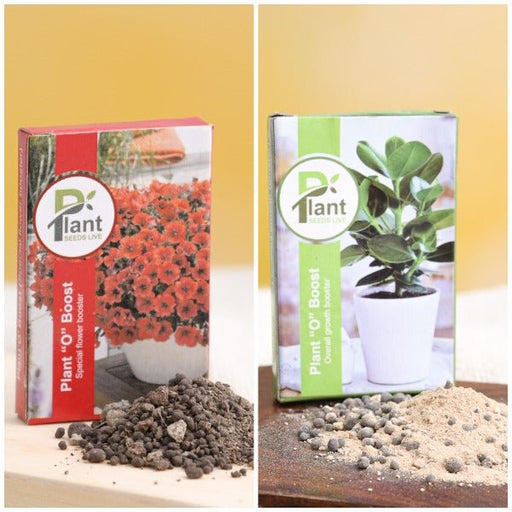
₹199 Plant O Boost — Growth Booster
₹239
Plant O Boost — Growth Booster
₹239 Garden Essential Plant Care Kit
₹599
Garden Essential Plant Care Kit
₹599