What is Casthamus tinctorius?
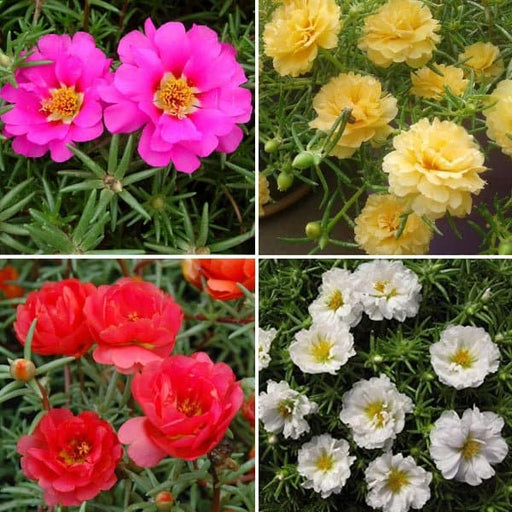
Casthamus tinctorius, also known as the dyer's mallow, is a vibrant plant celebrated for its colorful flowers and dye-producing capabilities. This botanical wonder is not just a pretty face; it’s a natural dye powerhouse, turning fabrics into a rainbow of hues. Who knew a plant could be both a fashionista and an artist?
Where does Casthamus tinctorius grow?
Casthamus tinctorius thrives in warm, sunny climates, often found in regions like India and Africa. It loves well-drained soil and a good dose of sunlight, making it the diva of the garden. If you’re looking to cultivate this beauty, ensure it has a sunny spot to strut its stuff!
How do you care for Casthamus tinctorius?
Caring for Casthamus tinctorius is like pampering a celebrity. It needs well-drained soil, regular watering, and plenty of sunshine. Prune it occasionally to keep it looking fabulous and free from pests. With a little TLC, this plant will reward you with stunning blooms and vibrant colors that steal the show!
What are the uses of Casthamus tinctorius?
Casthamus tinctorius is a multitasker! It’s primarily used for dyeing fabrics, producing shades of yellow and orange that are all the rage. Additionally, its seeds can be used for oil extraction, and the plant itself is often utilized in traditional medicine. Talk about a plant with a resume!
Is Casthamus tinctorius edible?
While Casthamus tinctorius is not typically consumed, its seeds can be pressed for oil, which is edible. However, the plant is more famous for its dyeing properties than its culinary delights. So, unless you’re planning a dye-themed dinner party, it’s best to admire this beauty from a distance!
How does Casthamus tinctorius reproduce?
Casthamus tinctorius reproduces through seeds, which are dispersed by wind or water. Once planted, these seeds germinate and grow into new plants, continuing the cycle of beauty and color. It’s like a botanical version of “The Circle of Life,” minus the singing lions!
What pests affect Casthamus tinctorius?
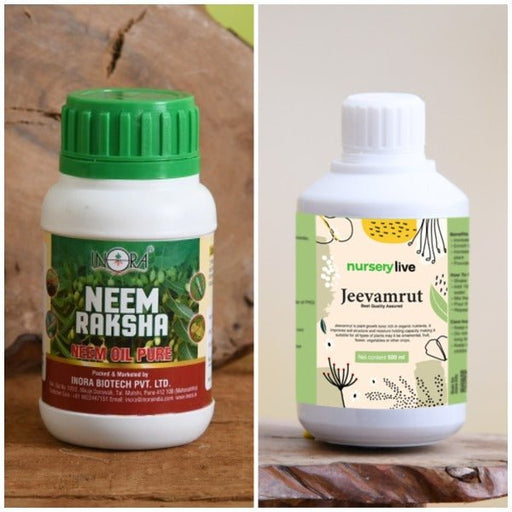
Casthamus tinctorius can attract pests like aphids and spider mites, which can be quite the party crashers. To keep your plant thriving, regularly check for these uninvited guests and treat them with insecticidal soap or neem oil. After all, no one likes a pest at their garden soirée!
Can Casthamus tinctorius be grown indoors?
Yes, Casthamus tinctorius can be grown indoors, provided it gets enough sunlight. A south-facing window is ideal for this sun-loving diva. Just ensure it has adequate drainage and a pot that allows for growth. With the right conditions, you can enjoy its vibrant blooms right in your living room!
What is the ideal soil for Casthamus tinctorius?
Casthamus tinctorius prefers well-drained, sandy loam soil that allows its roots to breathe. A pH level between 6.0 and 7.0 is ideal, ensuring it gets the nutrients it craves. Think of it as the perfect blend for a gourmet meal—just the right ingredients for a happy, healthy plant!
How long does it take for Casthamus tinctorius to bloom?
Patience is a virtue! Casthamus tinctorius typically takes about 60 to 90 days from seed germination to bloom. Once it starts flowering, you’ll be rewarded with a stunning display of colors that will make your garden the talk of the town. Good things come to those who wait!
Is Casthamus tinctorius drought-tolerant?
Casthamus tinctorius has some drought tolerance, but it prefers consistent moisture. While it can survive short dry spells, it thrives with regular watering. Think of it as a plant that enjoys a good drink but won’t throw a tantrum if it misses a sip now and then!
What are the medicinal properties of Casthamus tinctorius?
Casthamus tinctorius has been used in traditional medicine for its anti-inflammatory and antioxidant properties. It’s believed to help with various ailments, though scientific backing is still catching up. So, while it’s not a miracle cure, it certainly adds a splash of health to your herbal repertoire!


 White Marble Pebbles (1 kg)
₹199
White Marble Pebbles (1 kg)
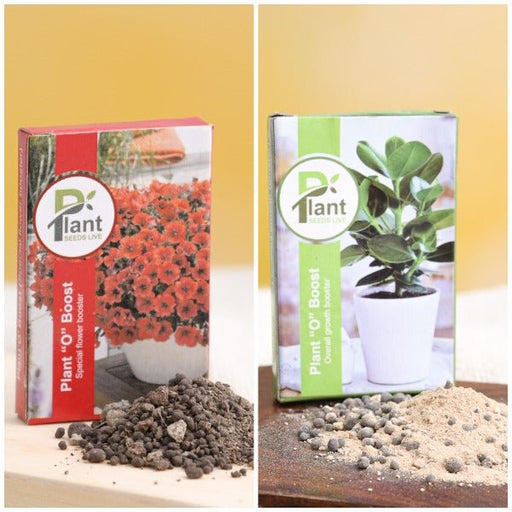
₹199 Plant O Boost — Growth Booster
₹239
Plant O Boost — Growth Booster
₹239 Garden Essential Plant Care Kit
₹599
Garden Essential Plant Care Kit
₹599