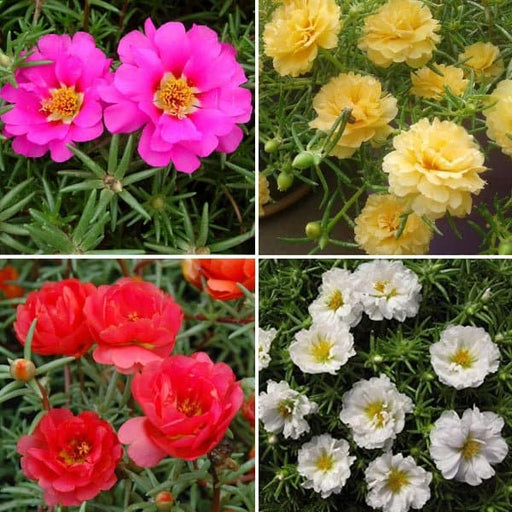
Asclepias physocarpa benefits
If you’re looking for a plant that’s not just a pretty face, Asclepias physocarpa, also known as the balloon plant, is your go-to green companion. This botanical wonder is a magnet for pollinators, making your garden the hottest spot in town for bees and butterflies. Plus, it’s a natural pest repellent, so you can say goodbye to those pesky critters. With its unique balloon-like seed pods, it’s like nature’s own party favor. Not only does it add a whimsical touch to your landscape, but it also contributes to biodiversity. Who knew that planting a tree could be a win-win for you and Mother Nature?
Asclepias physocarpa care
Caring for Asclepias physocarpa is like nurturing a diva—she demands attention but rewards you handsomely. This plant thrives in well-drained soil and loves a sunny spot, so make sure to give her the spotlight she craves. Watering? Keep it moderate; she doesn’t want to drown in compliments. Pruning is essential to keep her looking fabulous, so don’t be shy about snipping away those dead leaves. And remember, she’s a perennial star, returning year after year to grace your garden with her presence. Treat her right, and she’ll reward you with a stunning display of flowers and a plethora of pollinators.
Asclepias physocarpa propagation
Propagating Asclepias physocarpa is like playing matchmaker in the plant world. You can start from seeds or cuttings, but seeds are the way to go if you want to see the magic unfold. Just plant them in spring, give them some warmth, and watch as they sprout into life. If you’re feeling adventurous, try dividing established plants in the fall. It’s like giving your plant a sibling! Just remember, patience is key; good things come to those who wait. Soon enough, you’ll have a thriving colony of balloon plants, ready to take your garden to the next level.
Asclepias physocarpa habitat
Asclepias physocarpa is a true globetrotter, thriving in a variety of habitats. From wetlands to prairies, this plant is like the ultimate nature enthusiast, adapting to different environments with ease. It loves full sun and can tolerate a range of soil types, making it a versatile addition to your garden. Just think of it as the plant equivalent of a seasoned traveler, always ready to explore new territories. Whether you’re in a humid area or a drier climate, Asclepias physocarpa will find a way to flourish, bringing a touch of whimsy wherever it goes.
Asclepias physocarpa uses
The uses of Asclepias physocarpa are as diverse as its fan club. Not only does it serve as a stunning ornamental plant, but it also plays a crucial role in supporting local ecosystems. Its flowers are a feast for pollinators, while its leaves provide food for monarch caterpillars. Talk about a multitasker! Additionally, the unique seed pods can be used in crafts, adding a touch of nature to your DIY projects. So, whether you’re looking to beautify your garden or support wildlife, this plant has got you covered. It’s like the Swiss Army knife of the plant world!
Asclepias physocarpa toxicity
Fear not, plant lovers! Asclepias physocarpa is not on the naughty list when it comes to toxicity. In fact, it’s relatively safe for humans and pets, making it a great choice for family gardens. However, it’s worth noting that some animals might find its milky sap unpalatable, so it’s best to keep an eye on your curious critters. This plant is more of a gentle giant than a toxic troublemaker, allowing you to enjoy its beauty without the worry. So go ahead, plant away, and let this charming species grace your garden without the fear of a botanical drama.
Asclepias physocarpa growth rate
If you’re impatiently tapping your foot waiting for Asclepias physocarpa to grow, you’ll be pleased to know it’s a relatively fast grower. In optimal conditions, you can expect this beauty to reach its full height of about 3 to 4 feet in just a couple of seasons. It’s like watching a teenager sprout up overnight! With the right amount of sunlight and water, you’ll have a lush display of foliage and flowers in no time. So, grab your gardening gloves and get ready to witness the rapid transformation of your garden into a vibrant oasis.
Asclepias physocarpa pests
Asclepias physocarpa may attract a few pests, but don’t worry; it’s not a drama queen. Common visitors include aphids and spider mites, but they’re more like annoying party crashers than serious threats. A gentle spray of water or a natural insecticidal soap can send them packing without breaking a sweat. Plus, the presence of beneficial insects like ladybugs will help keep the pest population in check. So, while you might have to play bouncer occasionally, this plant is generally low-maintenance and resilient, making it a great addition to your garden.
Asclepias physocarpa flowers
The flowers of Asclepias physocarpa are like nature’s confetti, bursting with color and attracting all the right guests. These clusters of pink and white blooms are not just a feast for the eyes; they’re also a buffet for pollinators. Bees, butterflies, and hummingbirds can’t resist their sweet nectar, making your garden a buzzing hotspot. Plus, the unique shape of the flowers adds a whimsical touch, making them a favorite among garden enthusiasts. So, if you want to throw a floral fiesta in your backyard, Asclepias physocarpa is the life of the party!
Asclepias physocarpa maintenance
Maintaining Asclepias physocarpa is like keeping a pet rock—minimal effort for maximum reward. This plant is drought-tolerant once established, so you won’t need to babysit it with constant watering. Just give it a sunny spot and some occasional pruning to keep it looking sharp. Mulching can help retain moisture and suppress weeds, making your life even easier. And don’t forget to enjoy the show! With its stunning flowers and unique seed pods, Asclepias physocarpa is a low-maintenance superstar that will keep your garden looking fabulous with little fuss.


 White Marble Pebbles (1 kg)
₹199
White Marble Pebbles (1 kg)
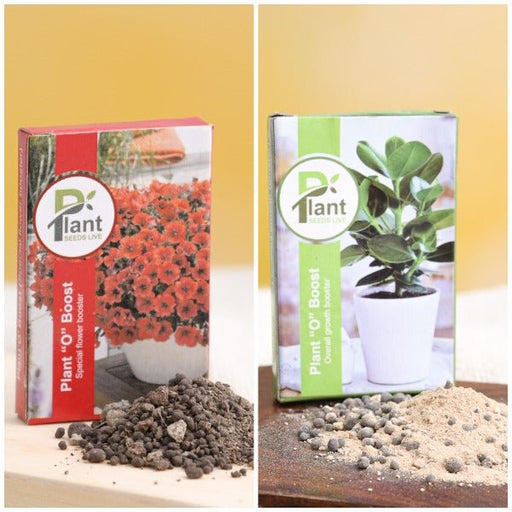
₹199 Plant O Boost — Growth Booster
₹239
Plant O Boost — Growth Booster
₹239 Garden Essential Plant Care Kit
₹599
Garden Essential Plant Care Kit
₹599