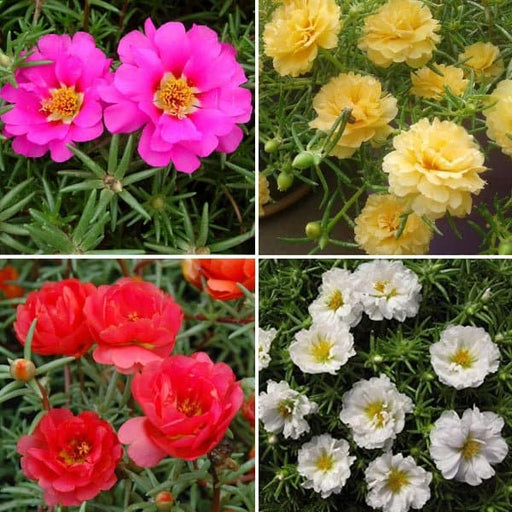
What is Asclepias curassavica aurea?
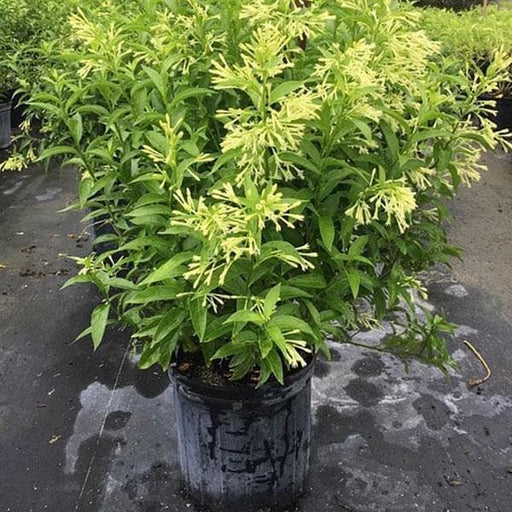
Asclepias curassavica aurea, also known as golden milkweed, is a vibrant perennial plant that dazzles with its bright yellow flowers. It’s not just a pretty face; it attracts butterflies and other pollinators, making your garden a buzzing hotspot. Plus, it’s a tough cookie, thriving in various conditions. Who knew beauty could be so resilient?
How do I care for Asclepias curassavica aurea?
Caring for Asclepias curassavica aurea is like giving your plant a spa day! It loves full sun and well-drained soil. Water it moderately, and watch it thrive. Prune it back in the fall to keep it looking sharp. With a little TLC, this golden beauty will reward you with a stunning display and happy pollinators.
Is Asclepias curassavica aurea invasive?
Ah, the age-old question of invasiveness! Asclepias curassavica aurea can spread, but it’s not the villain of the garden. It’s more of a charming guest that might overstay its welcome. In some regions, it can be aggressive, so keep an eye on it. A little pruning can keep this golden beauty in check!
Can I grow Asclepias curassavica aurea in pots?
Absolutely! Asclepias curassavica aurea loves a good pot party. Just ensure your container has drainage holes and is filled with well-draining soil. This way, your golden milkweed can strut its stuff on your patio or balcony, attracting butterflies while you sip your coffee. Who says you can’t have a garden in a pot?
What are the benefits of Asclepias curassavica aurea?
Asclepias curassavica aurea is like the Swiss Army knife of plants! It attracts butterflies, supports pollinators, and adds a splash of color to your garden. Plus, it’s drought-tolerant and low-maintenance. It’s a win-win for you and the environment. Who knew a plant could be so multi-talented?
When does Asclepias curassavica aurea bloom?
Get ready for a floral fiesta! Asclepias curassavica aurea typically blooms from late spring to early fall. With its bright yellow flowers, it’ll be the life of the garden party, attracting butterflies and bees. Just sit back, relax, and enjoy the show as nature’s pollinators flock to your golden beauty!
Is Asclepias curassavica aurea toxic to pets?
Worry not, pet parents! Asclepias curassavica aurea is mildly toxic to pets if ingested, but it’s not a death sentence. Keep an eye on your furry friends, and discourage them from munching on your golden milkweed. A little education goes a long way in keeping both your plants and pets safe and sound!
How do I propagate Asclepias curassavica aurea?
Propagation is a piece of cake with Asclepias curassavica aurea! You can do it via seeds or cuttings. For seeds, plant them in spring after the last frost. For cuttings, take a healthy stem, root it in water, and watch it grow. Soon, you’ll have a mini golden milkweed army ready to take over your garden!
What pests affect Asclepias curassavica aurea?
Asclepias curassavica aurea is like a superhero plant, but even heroes have their kryptonite! Watch out for aphids and spider mites. They might try to crash the party, but a good spray of water or insecticidal soap can send them packing. Keep your golden beauty safe, and it’ll keep your garden buzzing!
Can Asclepias curassavica aurea survive winter?
Asclepias curassavica aurea is a tough cookie! In warmer climates, it can survive winter like a champ. In colder regions, it may die back but will return in spring. Just mulch around the base to protect the roots. This golden beauty knows how to hibernate and come back stronger than ever!
Where can I buy Asclepias curassavica aurea?
Looking to add some golden flair to your garden? You can find Asclepias curassavica aurea at local nurseries, garden centers, or online plant retailers. Just make sure to check for healthy plants. Soon, you’ll be the proud parent of a golden milkweed, ready to attract all the butterflies in the neighborhood!


 White Marble Pebbles (1 kg)
₹199
White Marble Pebbles (1 kg)
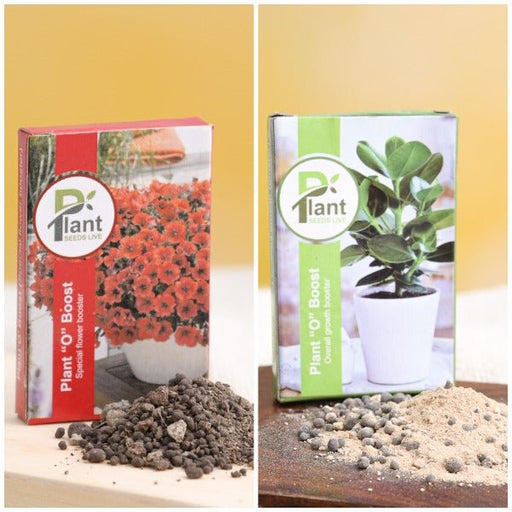
₹199 Plant O Boost — Growth Booster
₹239
Plant O Boost — Growth Booster
₹239 Garden Essential Plant Care Kit
₹599
Garden Essential Plant Care Kit
₹599