What is Adiantum trapeziforme satin dwarf?
Adiantum trapeziforme satin dwarf is a charming little fern that brings a touch of elegance to any space. With its delicate, satin-like leaves, it’s like the fashionista of the plant world, always ready to impress. Perfect for indoor gardens or shaded outdoor spots, this fern thrives on attention and a bit of humidity.
How do I care for Adiantum trapeziforme satin dwarf?
Caring for this diva of the plant kingdom is simple! Keep it in indirect light, water it when the top inch of soil feels dry, and maintain humidity. Think of it as a pampered pet; it loves a little misting and a cozy spot away from harsh sunlight. Treat it right, and it’ll flourish!
What are the ideal growing conditions for Adiantum trapeziforme satin dwarf?
This fern prefers a shady nook with indirect sunlight, like a cozy café corner. It thrives in well-draining soil and loves humidity, so consider it a fan of tropical vacations. Keep temperatures between 60-75°F, and it’ll reward you with lush, vibrant foliage that’s the envy of all your other plants.
Can Adiantum trapeziforme satin dwarf be grown indoors?
Absolutely! This fern is a superstar in indoor gardening. It loves the cozy confines of your home, especially in bathrooms or kitchens where humidity is higher. Just ensure it gets enough indirect light, and it’ll be the perfect green companion, adding a splash of nature to your indoor oasis.
How often should I water Adiantum trapeziforme satin dwarf?
Watering this fern is like giving it a refreshing drink after a long day. Aim for once a week, or whenever the top inch of soil feels dry. Just don’t drown it; it prefers a light sip over a full-on swim. Keep the soil moist but not soggy, and it’ll be happy as a clam!
Is Adiantum trapeziforme satin dwarf pet-friendly?
Yes, indeed! This fern is a safe bet for your furry friends. Unlike some plants that can cause a ruckus in the pet world, Adiantum trapeziforme satin dwarf is non-toxic. So, let your pets roam freely; this plant won’t turn into a villain in your home’s botanical drama.
What pests should I watch out for with Adiantum trapeziforme satin dwarf?
While this fern is generally low-maintenance, it can attract the occasional pest party. Watch for spider mites and aphids, who might think your plant is the hottest spot in town. A gentle wash with water or insecticidal soap will send them packing, ensuring your fern remains the belle of the botanical ball.
Can I propagate Adiantum trapeziforme satin dwarf?
Yes, you can! Propagation is like giving your fern a chance to make new friends. Simply take a healthy frond and place it in moist soil or water until roots develop. It’s a fun little project that can lead to a whole new generation of satin dwarfs, ready to charm everyone around.
What is the growth rate of Adiantum trapeziforme satin dwarf?
This fern isn’t in a hurry; it takes its time to grow. Expect a slow but steady pace, adding a few inches each year. It’s like the tortoise in the race of life—slow and steady wins the green thumb award. Patience is key, and soon you’ll have a lush, full fern to admire.
Can Adiantum trapeziforme satin dwarf tolerate low light?
Yes, it can! This fern is the ultimate low-light champion, thriving in shadier spots where other plants might throw in the towel. Just remember, while it can handle low light, it still appreciates a little indirect sunshine now and then. It’s all about balance in the plant world!
What are the common diseases affecting Adiantum trapeziforme satin dwarf?
This fern is generally healthy, but it can occasionally catch a cold—aka fungal infections. Keep an eye out for yellowing leaves or mold. If you spot any trouble, a good air circulation and proper watering can help. Think of it as giving your fern a spa day to recover and rejuvenate!
How long does Adiantum trapeziforme satin dwarf live?
With proper care, this fern can live for many years, becoming a cherished part of your plant family. Think of it as a long-term commitment; it’s not just a fling! With love, attention, and the right conditions, your satin dwarf can thrive for a decade or more, bringing joy to your home.


 White Marble Pebbles (1 kg)
₹199
White Marble Pebbles (1 kg)
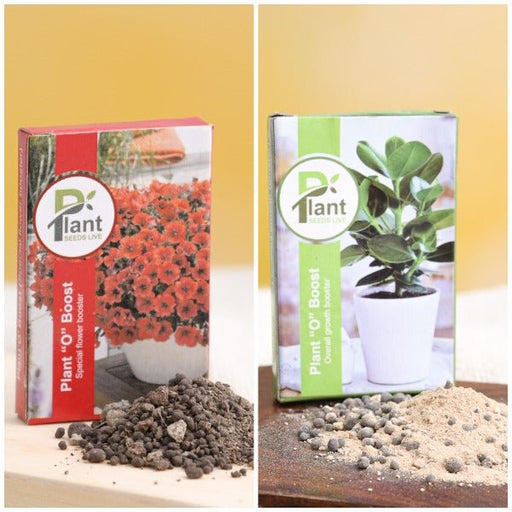
₹199 Plant O Boost — Growth Booster
₹239
Plant O Boost — Growth Booster
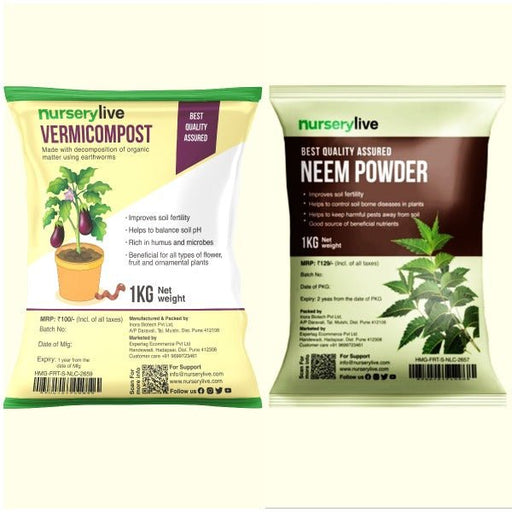
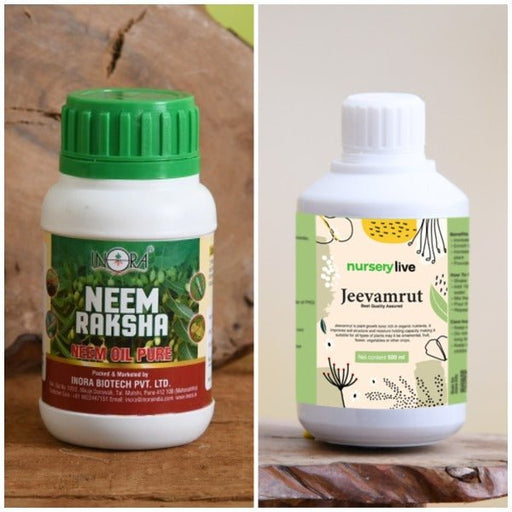
₹239 Garden Essential Plant Care Kit
₹599
Garden Essential Plant Care Kit
₹599