Skip to content

Acalypha wilkesiana rosea - Plant

Sold out
Original price ₹ 209 - Original price ₹ 209
Original price ₹ 209
₹ 209
₹ 209 - ₹ 209
Current price ₹ 209

(MRP Inclusive of all taxes)

Availability:
Out of stock

Why it’s special?

  • Pink rose foliage
  • Ornamental shrub form
  • Container growing suited
  • Warm weather plant

Complete your plant care

  • White Marble Pebbles (1 kg) ₹199
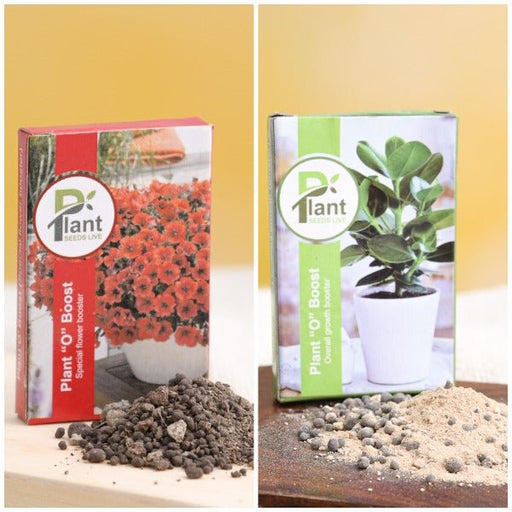
  • Plant O Boost — Growth Booster ₹239
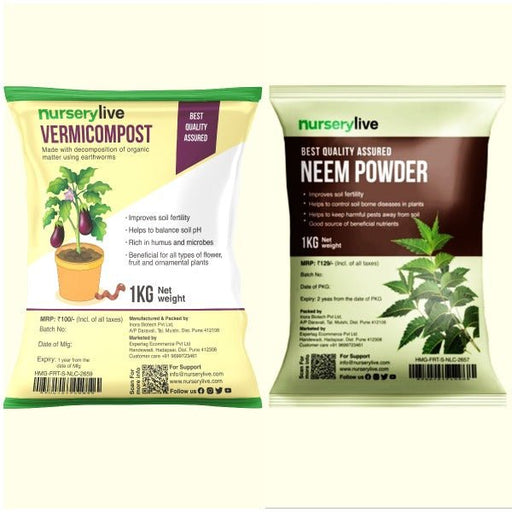
  • Garden Essential Plant Care Kit ₹599

Shipping : ₹79 for the entire order

Country of origin: India

Acalypha wilkesiana 'Rosea' - Plant

Acalypha wilkesiana 'Rosea', commonly known as the Copperleaf or Jacob's Coat, is a stunning tropical plant renowned for its vibrant foliage. This evergreen shrub showcases a kaleidoscope of colors, with leaves that transition from deep green to striking shades of pink, red, and cream. Native to the South Pacific islands, this plant thrives in warm climates and adds a tropical flair to gardens and indoor spaces alike.

What makes Acalypha wilkesiana 'Rosea' special is its unique ability to brighten up any environment with its colorful leaves. This plant not only serves as an eye-catching ornamental but also plays a role in improving air quality, making it a perfect addition to homes and offices. Its resilience and adaptability to various light conditions further enhance its appeal.

One of the standout features of Acalypha wilkesiana 'Rosea' is its striking variegated leaves, which can grow up to 6 inches long. The plant can reach heights of 3 to 6 feet, making it an excellent choice for hedges or as a focal point in garden beds. Additionally, it attracts butterflies and other pollinators, contributing positively to the local ecosystem.

Growing Instructions:

  • Plant in well-draining soil enriched with organic matter.
  • Choose a location with partial shade to full sun for optimal growth.
  • Water regularly, allowing the top inch of soil to dry out between waterings.
  • Fertilize every 4-6 weeks during the growing season with a balanced fertilizer.

Care Instructions:

  • Prune regularly to maintain shape and encourage bushier growth.
  • Monitor for pests such as aphids and spider mites; treat with insecticidal soap if necessary.
  • In colder climates, bring indoors or provide frost protection.
  • Keep humidity levels high, especially in dry environments.

Uses:

  • Ideal for tropical gardens, borders, and as a houseplant.
  • Can be used in landscaping for vibrant color contrast.
  • Great for attracting butterflies and other beneficial insects.

Fun Facts:

  • Acalypha wilkesiana is named after Charles Wilkes, an American naval officer who explored the South Pacific.
  • This plant is often used in traditional medicine in some cultures for its anti-inflammatory properties.
  • Its colorful foliage can change hues with the seasons, providing year-round interest.

Trending Collections

Acalypha wilkesiana care

If you think caring for Acalypha wilkesiana rosea is like raising a diva, you’re spot on! This plant demands attention with its vibrant foliage and colorful personality. It thrives in well-draining soil and loves a good drink, but don’t drown it—overwatering is a surefire way to send it into a sulk. Regular pruning keeps it looking fabulous, and a little fertilizer goes a long way in maintaining its lush appearance. Remember, this plant is all about the spotlight, so give it bright, indirect light to keep those leaves glowing!

Acalypha wilkesiana propagation

Propagating Acalypha wilkesiana rosea is like playing plant matchmaker. You can take cuttings and watch them fall in love with water or soil. Just snip a healthy stem, pop it in water, and wait for roots to form—it's like a romantic comedy, but with plants! Once rooted, transfer it to a pot, and voilà, you’ve got a new plant buddy. Just remember, patience is key; good things come to those who wait, especially when it comes to plant love!

Acalypha wilkesiana pests

Ah, the dreaded pests! Acalypha wilkesiana rosea is not just a pretty face; it can also be a battleground against aphids, spider mites, and mealybugs. These little intruders think they can crash the party, but with a little neem oil or insecticidal soap, you can send them packing. Regular inspections are essential—think of it as a plant security detail. Keep your Acalypha healthy, and it will reward you with vibrant leaves, free from unwanted guests!

Acalypha wilkesiana sunlight requirements

Acalypha wilkesiana rosea is a sun worshipper, but it prefers to bask in filtered light rather than direct rays. Too much sun can scorch those beautiful leaves, turning them into crispy critters. Aim for bright, indirect light, and your plant will thrive like a celebrity on a tropical vacation. If you notice the leaves losing their vibrancy, it might be time to adjust its sunbathing spot. Remember, moderation is key; even plants can get sunburned!

Acalypha wilkesiana soil type

When it comes to soil, Acalypha wilkesiana rosea is a bit of a snob. It prefers a well-draining mix that’s rich in organic matter—think of it as the gourmet meal of the plant world. A blend of potting soil, perlite, and compost will keep it happy and healthy. Avoid heavy, compacted soils that can lead to root rot; this plant has no time for soggy feet! Treat its roots right, and you’ll be rewarded with a stunning display of foliage.

Acalypha wilkesiana watering schedule

Watering Acalypha wilkesiana rosea is like finding the perfect rhythm in a dance. Too much water, and it’s a soggy mess; too little, and it’s a thirsty plant crying for help. Aim to keep the soil slightly moist but never waterlogged. A good rule of thumb is to check the top inch of soil—if it’s dry, it’s time for a drink. Adjust your watering schedule based on the season; this plant loves a little extra hydration during the growing months. Dance with your plant, and it will flourish!

Acalypha wilkesiana fertilizer

Fertilizing Acalypha wilkesiana rosea is like giving it a gourmet meal to keep it thriving. A balanced, water-soluble fertilizer every 4-6 weeks during the growing season will do wonders. Think of it as a spa day for your plant—boosting its health and vibrancy. Just be careful not to overdo it; too much fertilizer can lead to leaf burn, and nobody wants a crispy plant. Keep it nourished, and watch it strut its stuff with those stunning leaves!

Acalypha wilkesiana indoor care

Bringing Acalypha wilkesiana rosea indoors is like inviting a tropical vacation into your home. It loves bright, indirect light and a warm environment, so keep it away from chilly drafts. Regular dusting of its leaves will keep it looking sharp and ready for its close-up. Monitor humidity levels; this plant enjoys a bit of moisture in the air. With the right care, your indoor Acalypha will be the star of the show, adding a splash of color to your living space!

Acalypha wilkesiana outdoor planting

Planting Acalypha wilkesiana rosea outdoors is like throwing a garden party! Choose a spot with well-draining soil and plenty of bright, indirect sunlight. This plant loves to mingle with other tropical beauties, so consider pairing it with complementary foliage. Make sure to water it regularly, especially during dry spells, to keep the party going. With the right conditions, your outdoor Acalypha will flourish, turning your garden into a vibrant oasis that everyone will envy!

Acalypha wilkesiana leaf care

Leaf care for Acalypha wilkesiana rosea is like giving your plant a beauty treatment. Regularly wipe down the leaves to remove dust and keep them looking glossy. This not only enhances its appearance but also helps the plant breathe better. If you notice any yellowing leaves, it might be time to reassess your care routine. Remember, happy leaves equal a happy plant, so treat them well, and they’ll reward you with a stunning display of color!

Acalypha wilkesiana temperature preferences

Acalypha wilkesiana rosea is a tropical plant that thrives in warm temperatures, ideally between 60°F and 85°F. It’s not a fan of cold drafts or sudden temperature changes, so keep it cozy. If you live in a cooler climate, consider bringing it indoors during the chilly months. Think of it as a plant that enjoys a warm hug—keep it snug, and it will flourish. With the right temperature, your Acalypha will be the life of the party, showcasing its vibrant leaves!

Save 40% with Gardening Solutions

You may also need

View All

Plant care & growing guide

The Fire-Dragon Acalypha Rosea is a compact ornamental shrub with beautiful pink-rose foliage. Its manageable size and low maintenance make it perfect for containers and warm-climate gardens.

Light
Thrives in full sun to partial shade. Provide plenty of light for vibrant foliage coloration.
Water
Water with medium frequency, maintaining consistent moisture without saturation. Reduce watering in cooler periods.
Soil & Feeding
Use well-drained soil to prevent waterlogging issues. Apply organic fertilizer regularly during the growing season.
Temperature & Humidity
Prefers warm conditions above 16°C (61°F); described as a warm-weather plant. Ideally suited to India's tropical and subtropical climates.
Common Problems
Overwatering is the primary concern; ensure soil drains well to prevent root rot.
Pro Tips
This compact cultivar (2-4 feet) is excellent for containers and smaller garden spaces. Pink-rose foliage color is most intense with good sunlight exposure.

Frequently asked questions

What makes the foliage of Acalypha wilkesiana rosea special?
This variety is grown mainly for its striking pink and rose-toned leaves rather than flowers, giving year-round colour to a garden or balcony. The coppery-pink foliage stays vivid when the plant gets bright light and warm conditions. It works beautifully as an ornamental accent or informal hedge among greener plants.
How much light does Acalypha wilkesiana rosea need to keep its pink colour?
It needs plenty of bright light to hold its rich rose tones, ideally bright indirect light or gentle morning sun. In too much harsh Indian afternoon sun the leaves can scorch, while in deep shade the colour fades toward dull green. A spot with strong filtered light or morning sun and afternoon shade gives the best foliage.
How often should I water my Acalypha wilkesiana rosea?
Keep the soil consistently moist but never waterlogged, watering when the top inch feels dry. In hot weather a container plant may need water daily, dropping to every couple of days in cooler months. Avoid letting it sit in soggy soil, as overwatering causes root rot and leaf drop.
Can I grow Acalypha wilkesiana rosea in a container on my balcony?
Yes, this variety is well suited to container growing and does nicely in a pot on a bright balcony or terrace. Use a pot of at least 10-12 inches with drainage holes and a rich, free-draining mix. Container plants dry out faster, so check moisture regularly and feed during the growing season to keep the foliage vibrant.
What soil or potting mix is best for Acalypha wilkesiana rosea?
It prefers a well-draining, fertile mix rich in organic matter. A blend of garden soil, compost or vermicompost, and some perlite or coarse sand works well to prevent waterlogging. Heavy, compacted soil holds too much moisture and can rot the roots, so keep the mix loose and open.
Is Acalypha wilkesiana rosea safe around pets and children?
Acalypha species contain compounds that can cause stomach upset if eaten and the sap may irritate sensitive skin, so it is best treated as mildly toxic. Keep it out of reach of curious pets and small children who might chew the leaves. Washing your hands after pruning is a sensible precaution.
How do I propagate Acalypha wilkesiana rosea?
It propagates easily from stem cuttings taken from healthy, semi-hardwood growth. Snip a 4-6 inch cutting, remove the lower leaves, and root it in water or directly in a moist, well-draining mix. Warm, humid conditions speed rooting, and the warm Indian growing season is the ideal time to take cuttings.
How should I prune Acalypha wilkesiana rosea to keep it bushy?
Regular light pruning keeps this ornamental shrub compact and encourages dense, colourful new growth. Pinch the growing tips and trim leggy stems in the warm growing months. Removing older, faded leaves also improves its overall appearance and keeps the rose colouring looking fresh.
What temperature and season suit Acalypha wilkesiana rosea in India?
This is a warm-weather tropical plant that thrives in the heat and does most of its growing from spring through the monsoon. It dislikes cold and does not tolerate frost, so in North Indian winters protect it or bring potted plants to a sheltered spot. Warm, humid conditions bring out the best foliage colour.
How do I fertilise Acalypha wilkesiana rosea for the best foliage?
Feed it a balanced fertiliser every 4-6 weeks during the active growing season to support lush, colourful leaves. A liquid feed or well-rotted compost both work well. Avoid overfeeding, as excess fertiliser can burn the leaf edges, and ease off during the cooler dormant months.
Why are the leaves on my Acalypha wilkesiana rosea turning yellow?
Yellowing usually points to overwatering and poor drainage, but it can also come from a nutrient shortage or sudden cold. Check that the pot drains freely and let the top inch dry between waterings. If drainage is fine, a balanced feed during the growing season often restores healthy colour.
Which pests commonly attack Acalypha wilkesiana rosea and how do I deal with them?
Aphids, spider mites, and mealybugs are the usual culprits, especially in dry indoor air or crowded conditions. Inspect the leaves regularly, including the undersides, and treat outbreaks with neem oil or insecticidal soap. Good airflow and occasionally hosing down the foliage help keep infestations from taking hold.
Can I keep Acalypha wilkesiana rosea as an indoor plant?
You can, provided you give it a very bright spot near a window, since low light quickly dulls the rose colouring. It also enjoys some humidity, so occasional misting or grouping it with other plants helps indoors. Keep it away from cold drafts and air-conditioner blasts, which it dislikes.
How large does Acalypha wilkesiana rosea grow and when should I repot it?
As an ornamental shrub it can reach a few feet tall, though regular pruning keeps container plants more compact. Repot every year or two once roots fill the pot or growth slows, ideally at the start of the warm season. Move it up one pot size and refresh the mix to keep it vigorous.
What plants pair well with Acalypha wilkesiana rosea in the garden?
Its pink-rose foliage stands out beautifully against green-leaved tropicals with similar light and water needs. Ferns, caladiums, crotons, and other colourful foliage plants make good companions for a layered, vibrant look. Group plants with matching warmth and moisture preferences so the whole planting thrives together.
Fully-Grown Plants

Nursery-mature, not 4-inch saplings

Next-Day Delivery

At your door tomorrow — not a 4–7 day wait

Nursery-Fresh

Ready to flourish, no growing-in

Lowest Prices

Straight from local growers