Skip to content

Acalypha wilkesiana macrophylla rosea - Plant

Sold out
Original price ₹ 209 - Original price ₹ 209
Original price ₹ 209
₹ 209
₹ 209 - ₹ 209
Current price ₹ 209

(MRP Inclusive of all taxes)

Availability:
Out of stock

Why it’s special?

  • Rose-toned foliage
  • Large ornamental leaves
  • Easy to grow
  • Container friendly

Complete your plant care

  • White Marble Pebbles (1 kg) ₹199
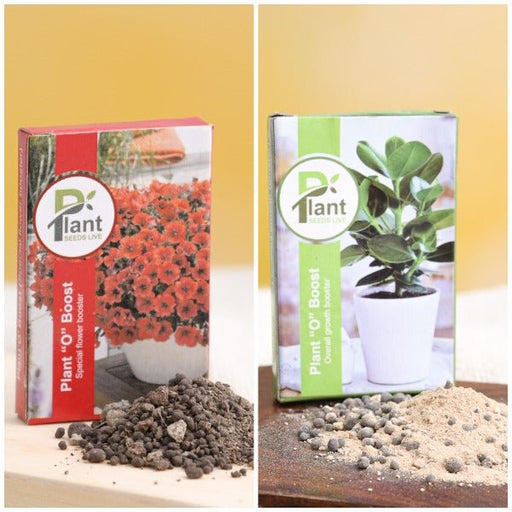
  • Plant O Boost — Growth Booster ₹239
  • Garden Essential Plant Care Kit ₹599

Shipping : ₹79 for the entire order

Country of origin: India

Acalypha wilkesiana macrophylla rosea - Plant

The Acalypha wilkesiana macrophylla rosea, commonly known as the Copperleaf plant, is a stunning tropical perennial renowned for its vibrant foliage. With large, heart-shaped leaves that showcase a mesmerizing blend of pink, green, and cream, this plant adds a splash of color to any garden or indoor space. Native to the South Pacific islands, it thrives in warm climates and is often used in landscaping for its ornamental appeal.

What makes the Acalypha wilkesiana macrophylla rosea truly special is its ability to adapt to various environments while maintaining its striking appearance. This plant not only enhances aesthetic value but also contributes to biodiversity, attracting pollinators like butterflies and bees. Its lush foliage can create a tropical ambiance, making it a favorite among gardeners and plant enthusiasts alike.

One of the standout features of this plant is its unique leaf coloration, which can vary based on light exposure and soil conditions. The Acalypha wilkesiana macrophylla rosea is also relatively low-maintenance, making it an excellent choice for both novice and experienced gardeners. Its resilience and beauty make it a perfect addition to any plant collection.

Growing Instructions

  • Plant in well-draining soil enriched with organic matter.
  • Provide partial to full sunlight; avoid direct harsh sunlight.
  • Maintain a temperature range of 60°F to 85°F (15°C to 29°C).
  • Water regularly, allowing the top inch of soil to dry out between waterings.

Care Instructions

  • Fertilize every 4-6 weeks during the growing season with a balanced fertilizer.
  • Prune regularly to maintain shape and encourage bushier growth.
  • Monitor for pests like aphids and spider mites; treat promptly if detected.
  • In colder climates, bring indoors or provide frost protection.

Uses

  • Ideal for tropical gardens, borders, and as a houseplant.
  • Can be used in container gardening for patios and balconies.
  • Effective in creating privacy screens or hedges.
  • Attracts beneficial insects, enhancing garden biodiversity.

Fun Facts

  • The Acalypha genus is often referred to as "flame leaf" due to its fiery colors.
  • This plant has historical significance in Polynesian culture, often used in traditional ceremonies.
  • It is known for its air-purifying qualities, making it a great indoor plant.
  • In some cultures, the leaves are used in herbal remedies for their medicinal properties.

Trending Collections

Acalypha wilkesiana care

If you think caring for Acalypha wilkesiana macrophylla rosea is like raising a diva, you’re spot on! This plant demands attention with its vibrant foliage and prefers a warm, humid environment. Keep it well-watered but not soggy, and it will reward you with a show of colors that could make a rainbow jealous. Just remember, too much direct sunlight can lead to a crispy disaster, so think of it as a plant that enjoys a good sunbath but not a sunburn!

Acalypha wilkesiana propagation

Propagating Acalypha wilkesiana macrophylla rosea is like playing plant matchmaker. You can take cuttings and watch them fall in love with water or soil. Just snip a healthy stem, give it a cozy home in a pot, and voilà! You’re on your way to creating a mini jungle. It’s a fun and rewarding process, and soon you’ll have more of these beauties to flaunt around your garden or share with friends—because who doesn’t love a plant that multiplies like rabbits?

Acalypha wilkesiana pests

Ah, the dreaded pests! Acalypha wilkesiana macrophylla rosea is not immune to the occasional uninvited guest. Aphids, spider mites, and mealybugs can crash the party, but fear not! A little neem oil or insecticidal soap can send them packing. Think of it as your plant’s bouncer, keeping the riffraff out. Regular inspections and a bit of TLC will keep your plant looking fabulous and pest-free, ensuring it remains the belle of the botanical ball.

Acalypha wilkesiana sunlight requirements

Acalypha wilkesiana macrophylla rosea is a sun-loving superstar, but it’s not a fan of harsh midday rays. Think of it as a plant that enjoys a gentle morning glow rather than a scorching afternoon blaze. Ideally, it thrives in bright, indirect light. Too much sun can lead to leaf burn, while too little can make it sulky and dull. So, find that sweet spot where it can bask without getting fried, and watch it flourish like the star it is!

Acalypha wilkesiana soil type

When it comes to soil, Acalypha wilkesiana macrophylla rosea is a bit of a snob. It prefers well-draining, rich soil that’s as luxurious as a five-star hotel. A mix of potting soil, peat, and perlite will do the trick, providing the perfect balance of moisture retention and drainage. Think of it as giving your plant a plush bed to rest on, ensuring it has all the nutrients it needs to grow into a stunning specimen.

Acalypha wilkesiana watering schedule

Watering Acalypha wilkesiana macrophylla rosea is like keeping a pet goldfish—too much or too little can lead to disaster! This plant likes its soil to be consistently moist but not soggy. A good rule of thumb is to check the top inch of soil; if it’s dry, it’s time for a drink. Just remember, overwatering can lead to root rot, which is the plant equivalent of a bad hangover. So, keep it hydrated but not drowning!

Acalypha wilkesiana temperature preferences

Acalypha wilkesiana macrophylla rosea is a tropical plant at heart, thriving in warm temperatures between 60°F and 85°F. It’s not a fan of the cold, so if you live in a chilly climate, consider it a houseplant or bring it indoors during winter. Think of it as a plant that dreams of sandy beaches and warm breezes, so keep it cozy and it will reward you with vibrant foliage that’s sure to brighten any space.

Acalypha wilkesiana fertilization

Fertilizing Acalypha wilkesiana macrophylla rosea is like giving it a gourmet meal. During the growing season, a balanced liquid fertilizer every 4-6 weeks will keep it happy and healthy. Just remember, too much fertilizer can lead to a plant that’s more “overcooked” than “well-done.” So, follow the instructions and treat your plant to a feast without overindulging. It’ll thank you with lush growth and vibrant colors that will make your garden the envy of the neighborhood.

Acalypha wilkesiana indoor care

Bringing Acalypha wilkesiana macrophylla rosea indoors is like inviting a tropical vacation into your living room. It thrives in bright, indirect light and loves humidity, so consider misting it or placing it near a humidifier. Keep an eye on the watering schedule, and don’t let it dry out completely. With the right care, this plant will transform your indoor space into a lush paradise, making you feel like you’re lounging in a botanical garden every day.

Acalypha wilkesiana outdoor planting

Planting Acalypha wilkesiana macrophylla rosea outdoors is like hosting a garden party—make sure it has the right conditions to shine! Choose a spot with partial shade and well-draining soil, and watch it thrive in the warm weather. This plant loves to show off its colorful leaves, so give it enough space to spread its wings. Just be mindful of colder temperatures, as it’s not a fan of frost. With the right setup, your garden will be the talk of the town!

Acalypha wilkesiana leaf care

Leaf care for Acalypha wilkesiana macrophylla rosea is like giving your plant a spa day. Regularly wipe the leaves with a damp cloth to remove dust and keep them looking fresh and vibrant. This not only enhances its beauty but also helps the plant breathe better. Think of it as a little TLC that goes a long way. A happy, well-cared-for plant will reward you with stunning foliage that’s sure to impress anyone who lays eyes on it!

Acalypha wilkesiana companion plants

Choosing companion plants for Acalypha wilkesiana macrophylla rosea is like picking the perfect friends for a night out. Look for plants that enjoy similar conditions—think tropical and vibrant! Pair it with ferns, caladiums, or even other colorful foliage plants to create a stunning display. Just ensure they all have similar light and water needs, and you’ll have a harmonious garden party that’s bursting with color and life, making your outdoor space the ultimate botanical bash!

Save 40% with Gardening Solutions

You may also need

View All

Plant care & growing guide

Giant Pink Leaf Acalypha is an easy-to-grow ornamental with captivating rose-toned foliage. Perfect for containers and tropical-style gardens.

Light
Place in full sun for the most vibrant rose-toned leaf color. Direct sunlight intensifies the beauty of its foliage.
Water
Water moderately to keep soil consistently moist. Reduce watering frequency during cooler seasons.
Soil & Feeding
Use well-drained soil to prevent waterlogging and root rot. Apply organic fertilizer regularly during the growing season.
Temperature & Humidity
Prefers warm conditions; maintain temperatures around 16°C or warmer. Benefits from moderate humidity as a tropical plant.
Common Problems
Overwatering in poorly drained soil leads to root rot. Reduced sunlight diminishes the intensity of leaf color.
Pro Tips
The rose-toned foliage is its greatest feature. Highly container-friendly, easy to grow, and perfect for brightening patios or indoor spaces.

Frequently asked questions

What sets Acalypha wilkesiana macrophylla rosea apart from other Acalypha varieties?
This variety is prized for its unusually large, rose-toned ornamental leaves, giving it a bold, dramatic presence compared to smaller-leaved types. The broad foliage carries pink and coppery hues that add year-round colour. Its combination of big leaves and easy-growing nature makes it a standout foliage shrub for Indian gardens and balconies.
How much light does Acalypha wilkesiana macrophylla rosea need for the best leaf colour?
It wants bright light, ideally gentle morning sun or bright indirect light, to keep its large leaves richly rose-toned. Harsh midday summer sun can scorch the foliage, while deep shade makes the colour fade and dull. A spot with strong filtered light gives you the vivid colour without leaf burn.
How often should I water Acalypha wilkesiana macrophylla rosea?
Keep the soil consistently moist but not soggy, watering when the top inch has dried out. During hot weather potted plants may need daily watering, easing to every 2-3 days when it is cooler. Overwatering leads to root rot, so always make sure excess water drains freely from the pot.
Is Acalypha wilkesiana macrophylla rosea easy to grow for beginners?
Yes, this is one of the more forgiving foliage shrubs and is a good choice for newer gardeners. Given warmth, bright light, and steady but not excessive watering, it grows readily and recovers well from pruning. Its main dislikes are cold and waterlogging, both easy to avoid with a sensible spot and free-draining soil.
Can I grow Acalypha wilkesiana macrophylla rosea in a pot on my balcony?
Absolutely, it is container-friendly and does well in a large pot on a bright balcony or terrace. Because of its big leaves and vigorous growth, use a pot of at least 12 inches with good drainage. Check watering more often in containers during summer and feed through the growing season to keep the foliage lush.
What soil mix suits Acalypha wilkesiana macrophylla rosea?
It prefers rich, well-draining soil with plenty of organic matter. A mix of garden soil, compost, and some perlite or coarse sand keeps it moist yet free-draining. Avoid heavy, compacted soil that holds water around the roots, as that is the fastest route to root rot.
Are the leaves of Acalypha wilkesiana macrophylla rosea toxic to pets or children?
Acalypha plants are considered mildly toxic if the leaves are eaten and the sap can irritate sensitive skin. It is safest to keep this plant away from pets and young children who might chew on the large, tempting leaves. Wash your hands after pruning or handling cuttings as a simple precaution.
How do I propagate Acalypha wilkesiana macrophylla rosea?
It roots easily from stem cuttings taken from healthy, semi-mature growth. Cut a 4-6 inch stem, strip the lower leaves, and root it in water or a moist, well-draining potting mix. Warm, humid conditions during the Indian growing season give the fastest and most reliable rooting.
How and when should I prune Acalypha wilkesiana macrophylla rosea?
Prune during the warm growing months to keep this shrub compact and to encourage dense, colourful new leaves. Pinch back the tips and trim any leggy or bare stems. Regular light pruning keeps the large-leaved form looking full rather than sparse and straggly.
What temperature range does Acalypha wilkesiana macrophylla rosea prefer?
Being tropical at heart, it thrives in warm conditions and grows most strongly through the warm and monsoon months. It dislikes cold and cannot handle frost, so in colder North Indian winters shelter it or move potted plants indoors. Consistent warmth brings out the richest leaf colour.
How do I fertilise Acalypha wilkesiana macrophylla rosea?
Apply a balanced liquid fertiliser roughly every 4-6 weeks during the active growing season to fuel its large, vibrant leaves. Well-rotted compost worked into the topsoil also helps. Do not overfeed, as too much fertiliser can scorch the leaf edges, and reduce feeding in the cooler dormant period.
Why are the large leaves on my Acalypha wilkesiana macrophylla rosea drooping or wilting?
Wilting is most often due to either underwatering or, conversely, waterlogged roots from overwatering. Check the soil: if the top inch is bone dry, water thoroughly; if it is soggy, let it dry out and improve drainage. Sudden cold or a draft can also cause temporary drooping in this warmth-loving plant.
Which pests should I watch for on Acalypha wilkesiana macrophylla rosea?
Aphids, spider mites, and mealybugs are the common pests, particularly in dry air or on stressed plants. Inspect the large leaves and their undersides regularly, and treat any infestation with neem oil or insecticidal soap. Good airflow and keeping the foliage clean help prevent them from settling in.
Can Acalypha wilkesiana macrophylla rosea be kept indoors?
It can be grown indoors if placed in a very bright spot near a window, since low light dulls its rose colouring. It also appreciates humidity, so mist it or group it with other plants in dry indoor air. Keep it clear of cold drafts and direct air-conditioner flow, which it does not tolerate well.
What plants make good companions for Acalypha wilkesiana macrophylla rosea?
Its large rose-toned leaves pair beautifully with other tropical foliage plants that share the same warmth and moisture needs. Ferns, caladiums, and crotons create a lush, colourful combination. Choose companions with similar bright-light and watering requirements so they all flourish together in the same bed or grouping.
Fully-Grown Plants

Nursery-mature, not 4-inch saplings

Next-Day Delivery

At your door tomorrow — not a 4–7 day wait

Nursery-Fresh

Ready to flourish, no growing-in

Lowest Prices

Straight from local growers