What is Casearia esculanta?
Casearia esculanta, also known as the wild guava, is a tropical tree native to South America. It’s not just a pretty face; this plant boasts edible fruits and medicinal properties. Think of it as nature’s multitasker, providing both delicious snacks and potential health benefits. Who knew a tree could be so talented?
Where can I find Casearia esculanta?
You can find Casearia esculanta thriving in tropical regions, particularly in Brazil and parts of the Amazon. It loves warm, humid climates, so if you’re planning a tropical getaway, keep your eyes peeled for this gem. Just don’t forget your sunscreen while you’re on the hunt for this fruity treasure!
How do you grow Casearia esculanta?
Growing Casearia esculanta is like hosting a tropical party in your garden. It prefers well-drained soil and plenty of sunlight. Plant the seeds in a warm spot, water them regularly, and watch them flourish. Just remember, patience is key; good things take time, especially when it comes to growing your own wild guava!
What are the benefits of Casearia esculanta?
Casearia esculanta isn’t just a pretty fruit; it’s packed with benefits! The fruit is rich in vitamins and antioxidants, making it a tasty addition to your diet. Plus, traditional medicine often uses its leaves for various ailments. So, indulge in this fruity delight and let it work its magic on your health!
Is Casearia esculanta edible?
Absolutely! Casearia esculanta produces small, edible fruits that are a delightful treat. They can be eaten fresh or used in jams and jellies. Just think of it as nature’s candy, waiting to be enjoyed. So, if you stumble upon this wild guava, don’t hesitate to take a bite; your taste buds will thank you!
What does Casearia esculanta taste like?
The taste of Casearia esculanta is a delightful surprise! Imagine a mix of guava and a hint of citrus, with a touch of sweetness. It’s like a tropical vacation for your taste buds. Whether you eat it fresh or whip it into a smoothie, this fruit is sure to brighten your day!
Can Casearia esculanta be used medicinally?
Yes, indeed! Casearia esculanta has a long history of medicinal use in traditional practices. Its leaves are often brewed into teas for their potential health benefits, including anti-inflammatory properties. So, if you’re feeling under the weather, consider brewing a cup of wild guava goodness. Just don’t forget to enjoy the taste while you’re at it!
How do you harvest Casearia esculanta?
Harvesting Casearia esculanta is like a treasure hunt! Wait until the fruits are ripe, usually when they turn a lovely yellow or orange. Gently twist or cut them from the tree, being careful not to damage the branches. Once you’ve gathered your bounty, it’s time to enjoy the fruits of your labor—literally!
Is Casearia esculanta drought-resistant?
Casearia esculanta has a bit of a tough side! While it prefers moist conditions, it can tolerate short periods of drought. However, don’t push your luck; consistent watering will keep it happy and thriving. Think of it as a diva that occasionally likes to test the waters but ultimately prefers a little pampering.
What pests affect Casearia esculanta?
Like any star, Casearia esculanta has its share of admirers—some of whom are pests! Common culprits include aphids and caterpillars. Keep an eye out for these uninvited guests, and consider natural pest control methods to keep your wild guava thriving. After all, every diva needs a good bodyguard!
Can Casearia esculanta grow in pots?
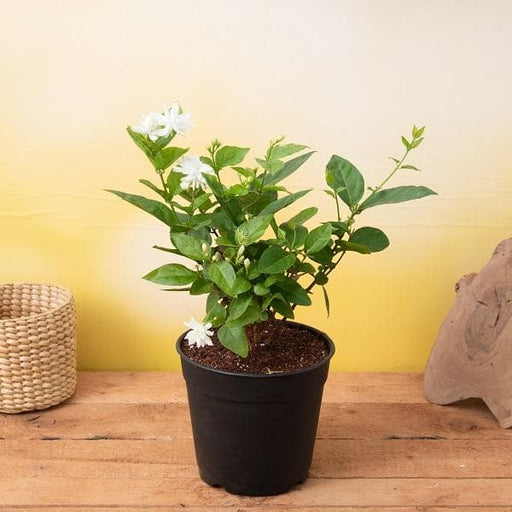
Yes, Casearia esculanta can be a pot star! If you’re short on garden space, growing it in a pot is a fantastic option. Just ensure the pot has good drainage and provide plenty of sunlight. With a little love and care, you can enjoy this tropical beauty right on your balcony!
What is the ideal climate for Casearia esculanta?
Casearia esculanta thrives in a warm, tropical climate. It loves temperatures between 20-30°C (68-86°F) and plenty of humidity. If you live in a cooler area, consider growing it indoors or in a greenhouse. Just remember, this plant is a sunbather at heart, so give it the warmth it craves!


 White Marble Pebbles (1 kg)
₹199
White Marble Pebbles (1 kg)
₹199 Plant O Boost — Growth Booster
₹239
Plant O Boost — Growth Booster
₹239 Garden Essential Plant Care Kit
₹599
Garden Essential Plant Care Kit
₹599