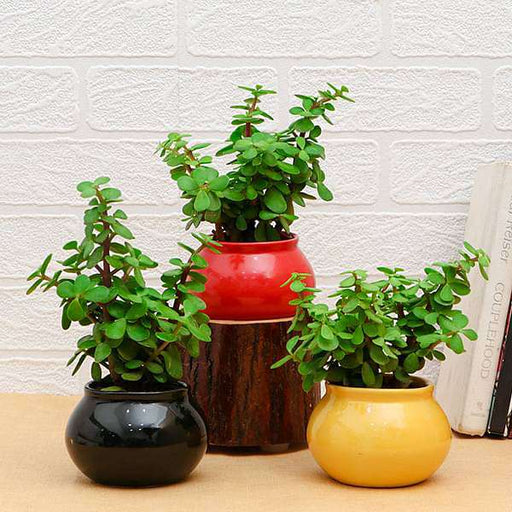
What is a caper plant?
The caper plant, or Capparis spinosa, is a delightful shrub that produces those tangy little buds we love to pickle. Native to the Mediterranean, it thrives in sunny, dry climates. Think of it as the culinary diva of the garden, demanding attention with its unique flavor and charming white flowers.
How do you grow capers?
Growing capers is like nurturing a rebellious teenager. They prefer well-drained soil and full sun, so plant them in a pot or a sandy patch. Water sparingly, as they despise soggy feet. With a little patience, you’ll be rewarded with those delightful buds that make your dishes sing.
What do capers taste like?
Capers have a unique flavor profile that’s a delightful mix of tangy, salty, and slightly bitter. Imagine a tiny burst of briny goodness that elevates your pasta, salads, and sauces. They’re like the zesty sidekick in your culinary adventures, adding a punch that keeps your taste buds on their toes.
Can you eat caper leaves?
Absolutely! Caper leaves are edible and can be used in salads or as a garnish. They have a milder flavor compared to the buds, offering a subtle herbal note. Think of them as the understated cousin of the caper family, adding a touch of elegance without stealing the show.
How do you harvest capers?
Harvesting capers is a bit like a treasure hunt. Wait until the buds are still tight and green, then pluck them before they bloom. Timing is key; too late, and you’ll miss the magic. Once harvested, you can pickle them or use them fresh, but be prepared for a flavor explosion!
Are capers good for you?
Yes, capers are not just a pretty face! They’re low in calories and packed with antioxidants, vitamins, and minerals. They can help with digestion and even have anti-inflammatory properties. So, while you’re indulging in that delicious pasta, you can feel a tad virtuous.
Where can I buy capers?
You can find capers in most grocery stores, usually lurking in the condiment aisle or near the pickles. If you’re feeling adventurous, check out specialty food shops or online retailers. Just remember, not all capers are created equal; go for the ones packed in brine for the best flavor!
How do you store capers?
To keep your capers fresh and zesty, store them in their brine in a sealed jar in the fridge. They’ll last for months, but good luck keeping them around that long! If you’ve got leftovers, just make sure they’re submerged in the brine to maintain their tangy charm.
Can you grow capers indoors?
Yes, you can grow capers indoors, but they’re a bit picky. They need plenty of sunlight, so a south-facing window is ideal. Use a well-draining potting mix and water sparingly. With the right conditions, you’ll have your own little caper factory right in your kitchen.
What dishes can I use capers in?
Capers are the culinary chameleons of the kitchen! Use them in pasta dishes, salads, sauces, or even on pizza. They add a delightful zing to fish and chicken, making them the perfect partner for Mediterranean cuisine. Get creative, and let those little buds shine in your culinary masterpieces!
Are capers the same as caperberries?
Not quite! Caperberries are the fruit of the caper plant, while capers are the immature flower buds. Caperberries are larger and have a milder flavor, often served pickled or in salads. Think of capers as the spicy little siblings and caperberries as the more mature, laid-back cousins.
What is the best way to use capers?
The best way to use capers is to embrace their boldness! Toss them into pasta dishes, sprinkle them on salads, or mix them into sauces for an instant flavor boost. They’re also fantastic in tapenade or as a garnish for fish. Just remember, a little goes a long way in the flavor department!


 White Marble Pebbles (1 kg)
₹199
White Marble Pebbles (1 kg)
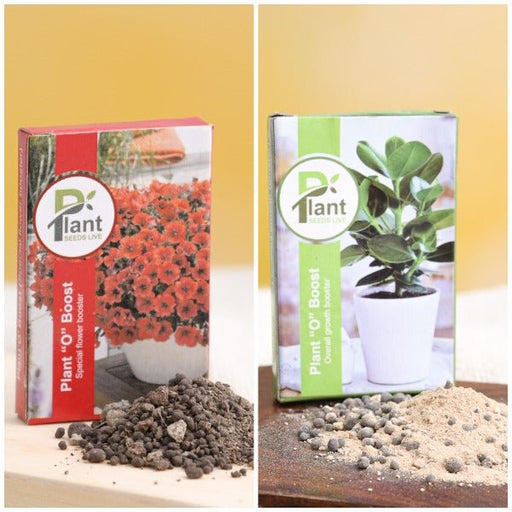
₹199 Plant O Boost — Growth Booster
₹239
Plant O Boost — Growth Booster
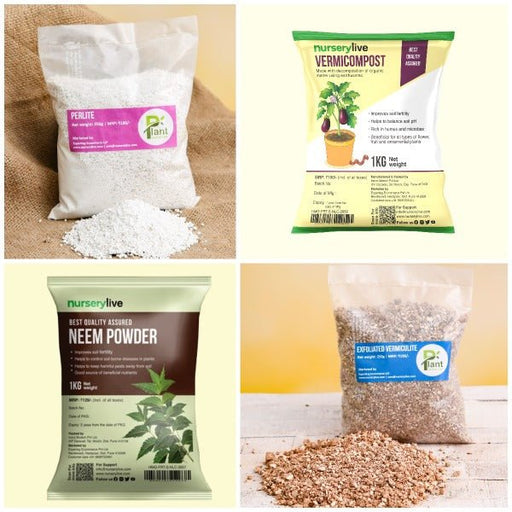
₹239 Garden Essential Plant Care Kit
₹599
Garden Essential Plant Care Kit
₹599