What is Artabotrys suaveolens?
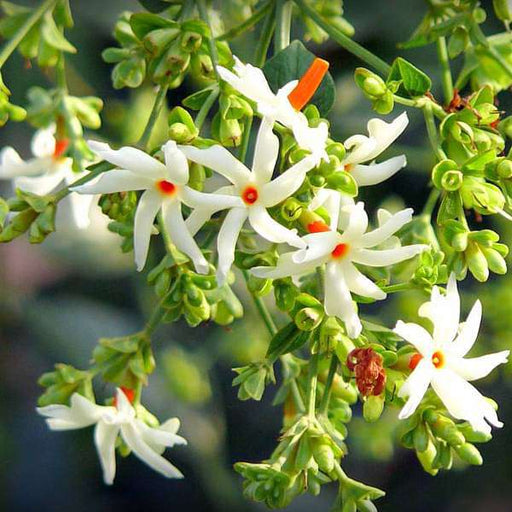
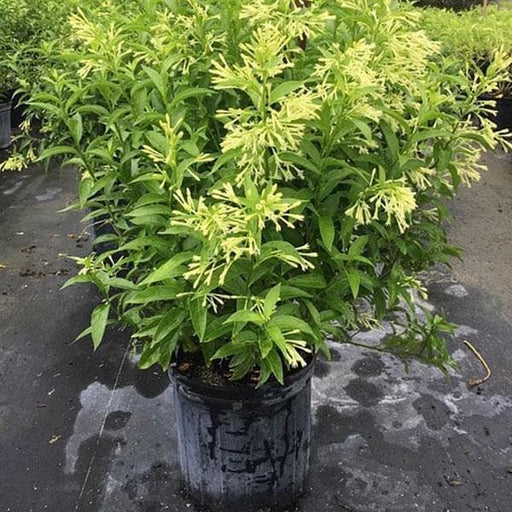
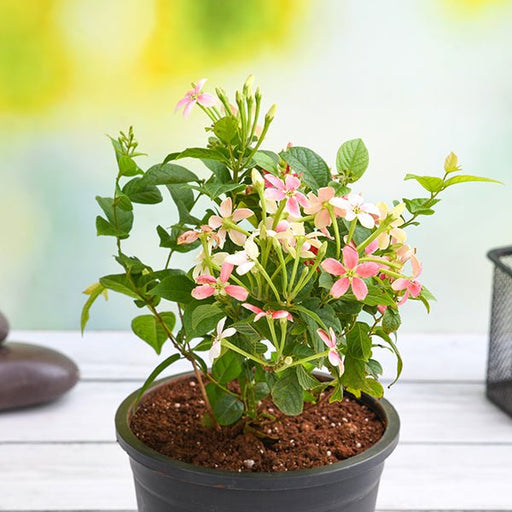
Artabotrys suaveolens, also known as the "wild custard apple," is a tropical vine that boasts fragrant, yellow-green flowers. It’s like nature’s perfume factory, attracting pollinators with its sweet scent. This plant is not just a pretty face; it’s also a culinary delight in some cultures, adding a unique twist to dishes.
Where can I find Artabotrys suaveolens?
You can find Artabotrys suaveolens in tropical and subtropical regions, particularly in Southeast Asia and parts of Africa. It loves warm, humid climates, so if you’re in a place that feels like a sauna, you’re in luck! Just look for its climbing vines and delightful flowers, and you’ll be in the right spot.
How do I care for Artabotrys suaveolens?
Caring for Artabotrys suaveolens is like nurturing a diva; it loves well-drained soil, bright light, and regular watering. Just don’t drown it! Prune it occasionally to keep it in shape, and watch out for pests—this plant doesn’t take kindly to uninvited guests. Treat it right, and it’ll reward you with fragrant blooms.
Is Artabotrys suaveolens edible?
Yes, Artabotrys suaveolens is edible! Its fruit is often described as a tropical treat, with a flavor reminiscent of custard and banana. However, be cautious; not all parts of the plant are safe to eat. Stick to the ripe fruit, and you’ll be in for a delicious surprise that’ll make your taste buds dance.
What are the medicinal uses of Artabotrys suaveolens?
Artabotrys suaveolens has been used in traditional medicine for various ailments, from digestive issues to skin problems. It’s like a natural pharmacy, offering remedies that have stood the test of time. However, always consult a healthcare professional before diving into herbal remedies; you wouldn’t want to turn a remedy into a riddle!
Can Artabotrys suaveolens grow indoors?
Absolutely! Artabotrys suaveolens can thrive indoors if given enough light and humidity. Just treat it like a houseguest who loves sunshine and a good drink. Place it near a bright window, keep the soil moist, and it’ll flourish, filling your home with its delightful fragrance and vibrant greenery.
How fast does Artabotrys suaveolens grow?
Artabotrys suaveolens is a speedy climber, often growing several feet in a single season. It’s like the overachiever of the plant world! With the right conditions—warmth, moisture, and support—it can quickly cover trellises or fences, making it a fantastic choice for those looking to add greenery in a hurry.
What pests affect Artabotrys suaveolens?
Artabotrys suaveolens can attract pests like aphids, mealybugs, and spider mites. Think of them as the uninvited party crashers at your plant’s soirée. Regularly inspect your plant and use insecticidal soap or neem oil to send these pests packing. Keep your plant healthy, and it’ll be the belle of the botanical ball!
Is Artabotrys suaveolens fragrant?
Yes, Artabotrys suaveolens is known for its intoxicating fragrance! Its flowers emit a sweet, fruity aroma that can fill your garden with delightful scents. It’s like having a natural air freshener that doesn’t require batteries. Just be prepared for compliments from neighbors who might wonder what’s making their noses so happy!
Can I propagate Artabotrys suaveolens?
Yes, you can propagate Artabotrys suaveolens through cuttings or seeds! It’s like sharing a piece of your plant’s charm with the world. For cuttings, ensure they’re healthy and rooted in moist soil. With a little patience and care, you’ll have new vines climbing and blooming in no time, spreading joy wherever they go.
What is the ideal climate for Artabotrys suaveolens?
Artabotrys suaveolens thrives in warm, humid climates, making it a tropical superstar. It loves temperatures between 20-30°C (68-86°F) and plenty of moisture. If you live in a cooler area, consider growing it in a greenhouse or as a houseplant. Just remember, it’s not a fan of frost—so keep it cozy!
Are there any cultural significances of Artabotrys suaveolens?
In some cultures, Artabotrys suaveolens is celebrated for its beauty and fragrance, often used in traditional ceremonies and rituals. It’s like the celebrity of the plant world, gracing events with its presence. Additionally, its fruit is enjoyed in various culinary dishes, making it a beloved ingredient in local cuisines.


 White Marble Pebbles (1 kg)
₹199
White Marble Pebbles (1 kg)
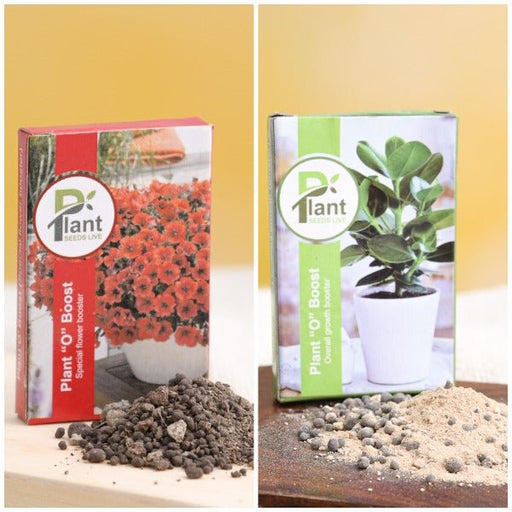
₹199 Plant O Boost — Growth Booster
₹239
Plant O Boost — Growth Booster
₹239 Garden Essential Plant Care Kit
₹599
Garden Essential Plant Care Kit
₹599