What is Aristolochia bracteolata?
Aristolochia bracteolata, also known as the birthwort, is a perennial plant with a flair for the dramatic. Sporting unique, tubular flowers, it’s a botanical showstopper. Found in tropical regions, it’s not just a pretty face; it has a rich history in traditional medicine. Just remember, beauty can be toxic—handle with care!
Where can I find Aristolochia bracteolata?
You can find Aristolochia bracteolata in the wild, primarily in tropical and subtropical regions. Think of it as the diva of the plant world, thriving in moist, shady areas. If you’re on a quest, check out forests and riverbanks. Just don’t forget your explorer hat and a good pair of boots!
Is Aristolochia bracteolata toxic?
Yes, Aristolochia bracteolata is toxic, so don’t let its charm fool you! It contains aristolochic acid, which can cause serious health issues. While it has been used in traditional medicine, modern science suggests avoiding it unless you’re a trained herbalist. Remember, not all that glitters is gold—some plants are best admired from a distance!
How do I care for Aristolochia bracteolata?
Caring for Aristolochia bracteolata is like hosting a high-maintenance guest. It loves well-drained soil, partial shade, and a good drink of water. Keep it warm and cozy, and it’ll reward you with its stunning flowers. Just don’t forget to keep an eye on its growth; it can be a bit of a climber!
Can Aristolochia bracteolata be grown indoors?
Yes, you can grow Aristolochia bracteolata indoors, but it’s not for the faint-hearted! It needs bright, indirect light and humidity to thrive. Make sure to provide a trellis for its climbing tendencies. Just be prepared for a bit of drama—this plant loves to steal the spotlight in any room!
What are the medicinal uses of Aristolochia bracteolata?
Historically, Aristolochia bracteolata has been used in traditional medicine for various ailments, from digestive issues to inflammation. However, due to its toxicity, modern medicine advises caution. Always consult a healthcare professional before considering any herbal remedies. Remember, just because it’s natural doesn’t mean it’s safe—better safe than sorry!
Is Aristolochia bracteolata endangered?
While Aristolochia bracteolata isn’t officially listed as endangered, habitat loss and overharvesting can threaten its populations. It’s like the celebrity of the plant world—everyone wants a piece! Conservation efforts are essential to ensure this unique species continues to thrive in its natural habitat. Let’s keep the drama on stage, not in the wild!
How does Aristolochia bracteolata reproduce?
Aristolochia bracteolata reproduces through seeds and vegetative propagation. Its flowers are quite the seducers, attracting pollinators with their unique shapes and scents. Once pollinated, the plant produces seed pods that burst open, spreading seeds like confetti. It’s a botanical party, and everyone’s invited—just don’t forget to RSVP!
Can I use Aristolochia bracteolata in my garden?
You can use Aristolochia bracteolata in your garden, but be cautious! Its climbing nature can take over, so provide a sturdy support system. It’s a stunning addition, but remember its toxic properties. If you have pets or small children, it might be best to admire it from afar. A little planning goes a long way!
What pests affect Aristolochia bracteolata?
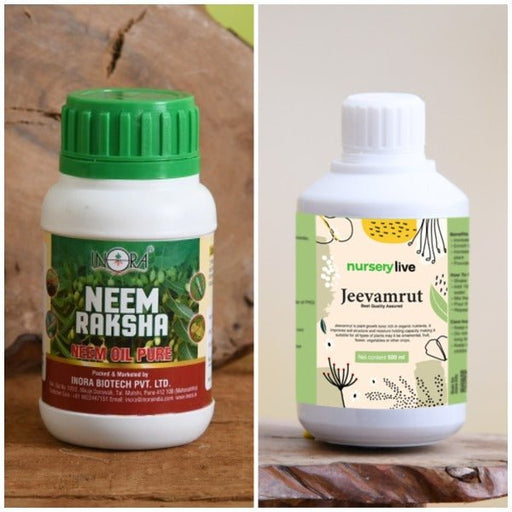
Aristolochia bracteolata can attract pests like aphids and spider mites, which can be quite the nuisance. Keep an eye out for these uninvited guests, and consider using insecticidal soap or neem oil to evict them. A little pest control can keep your plant thriving and drama-free—after all, it’s the star of the show!
How long does Aristolochia bracteolata live?
Aristolochia bracteolata can live for several years, making it a long-term investment in your garden. With the right care, it can thrive and produce flowers season after season. Just like a fine wine, it gets better with age—provided you don’t let it get too wild! Keep it pruned and happy for a lasting relationship.


 White Marble Pebbles (1 kg)
₹199
White Marble Pebbles (1 kg)
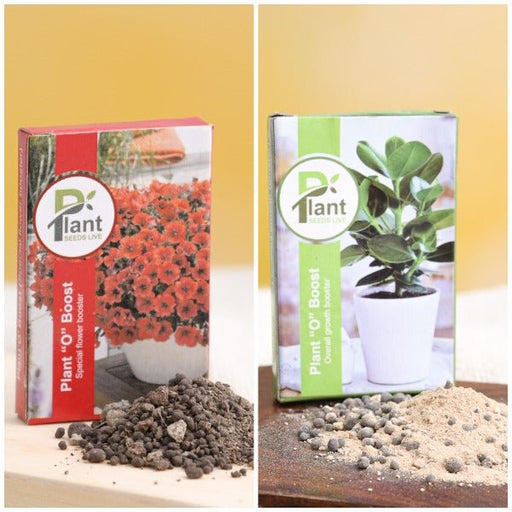
₹199 Plant O Boost — Growth Booster
₹239
Plant O Boost — Growth Booster
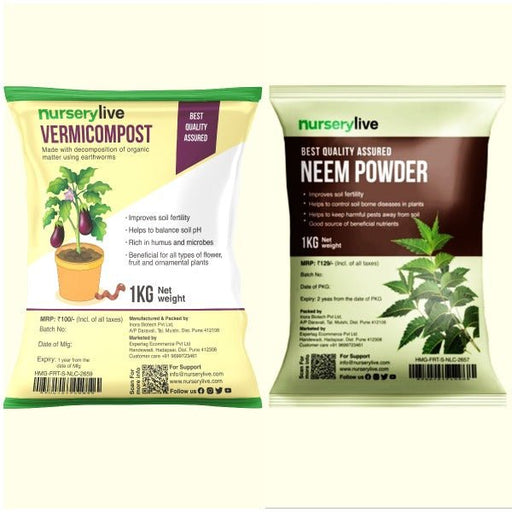
₹239 Garden Essential Plant Care Kit
₹599
Garden Essential Plant Care Kit
₹599