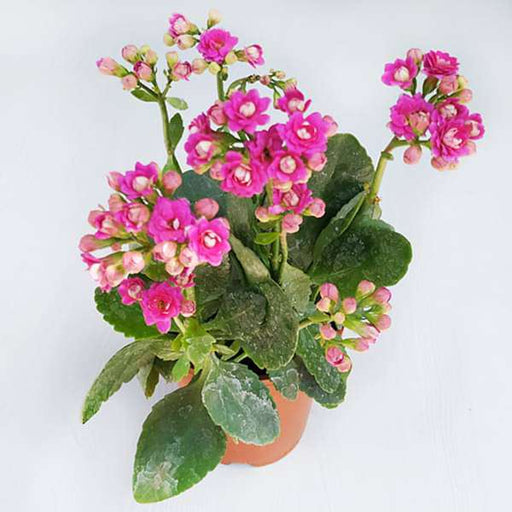
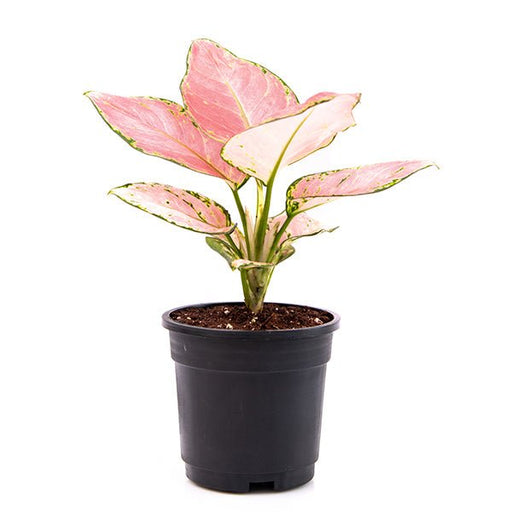
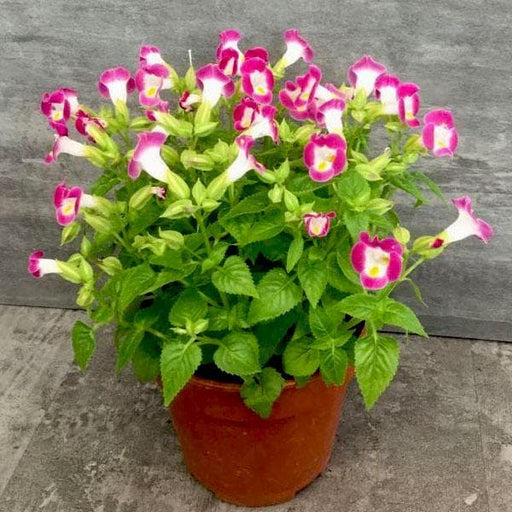
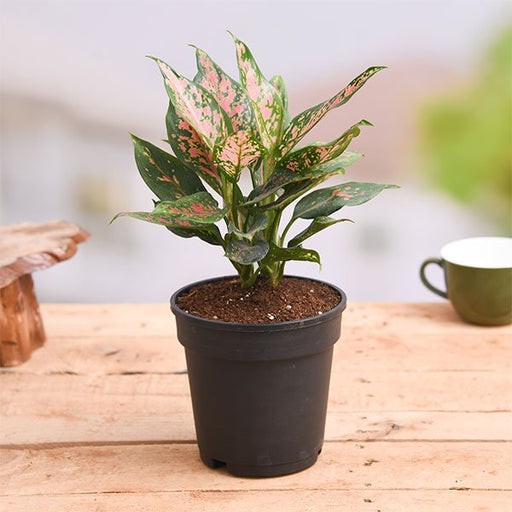
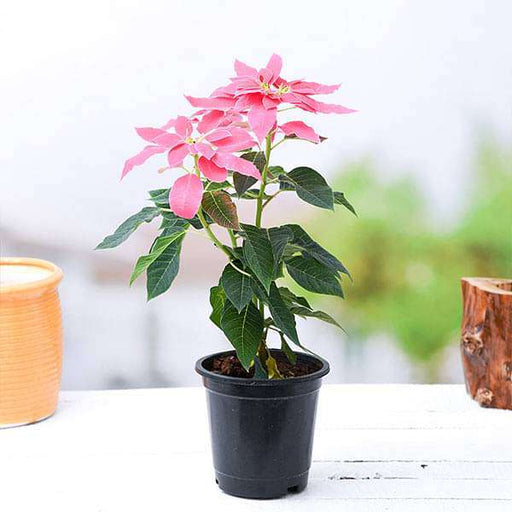
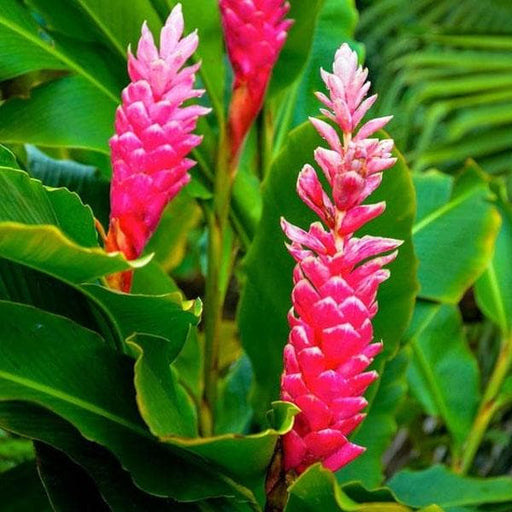
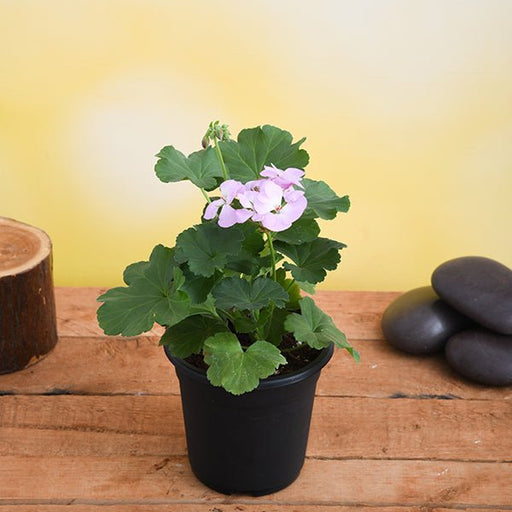
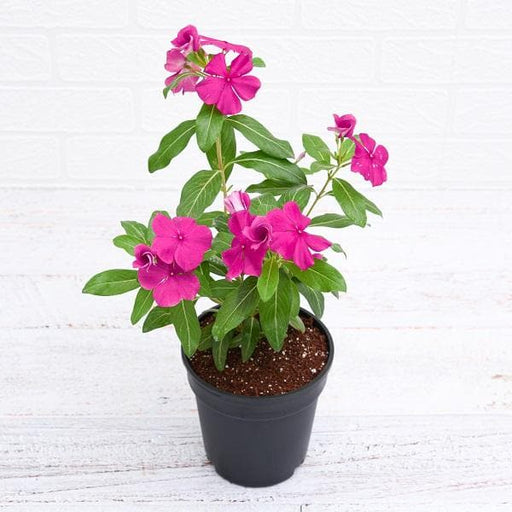
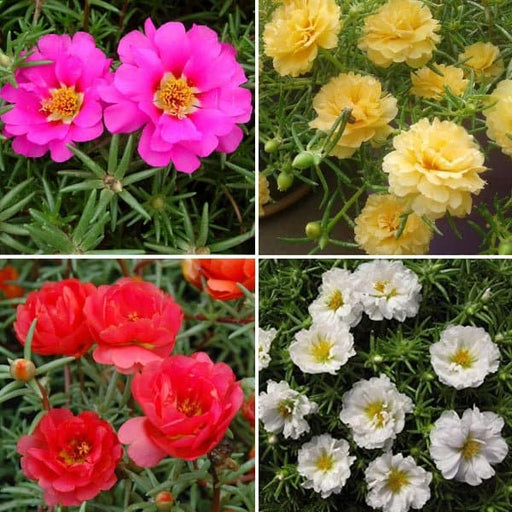
What are pink flower plants?
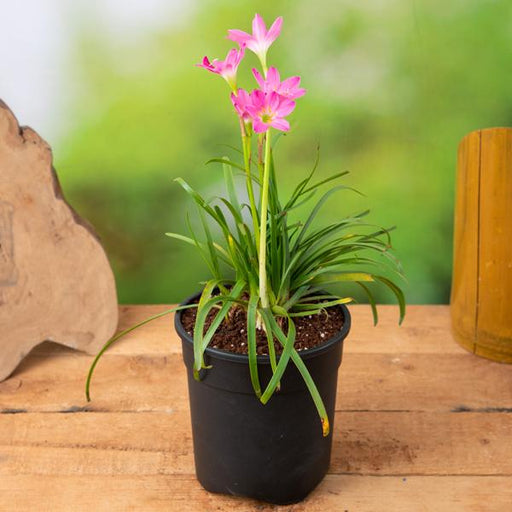
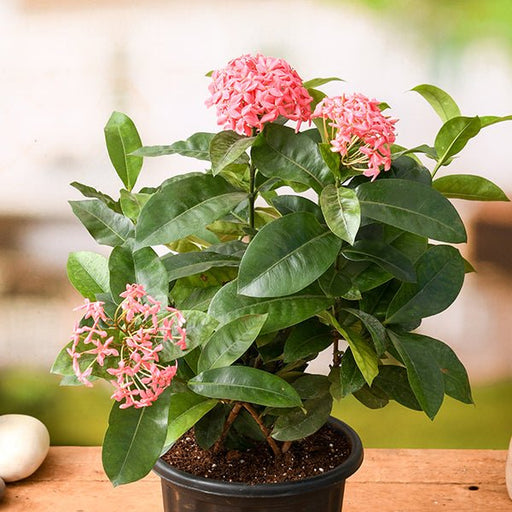
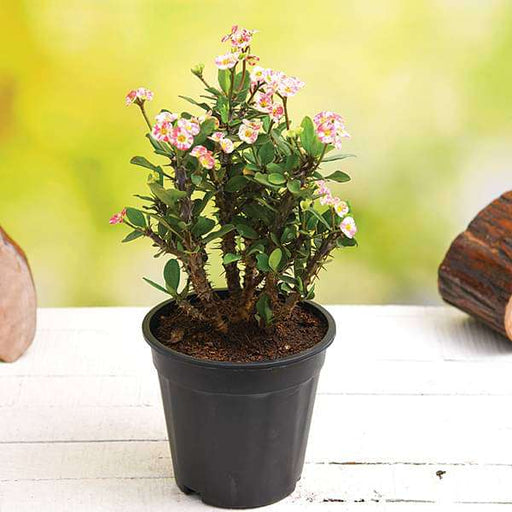
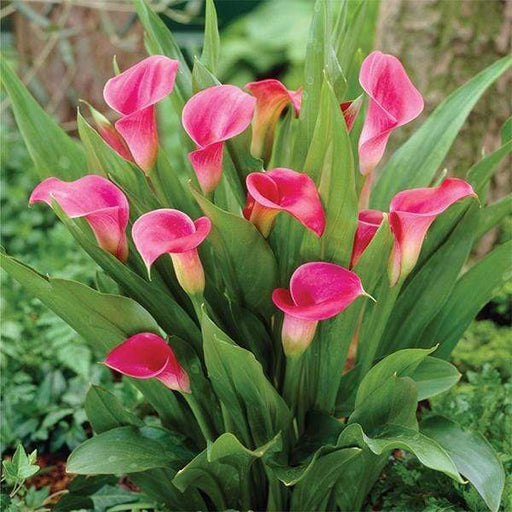
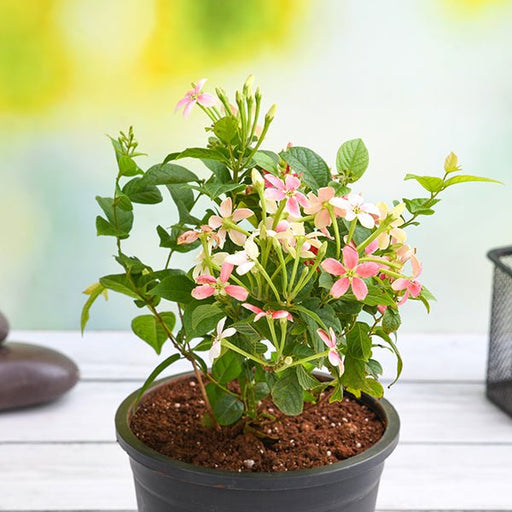
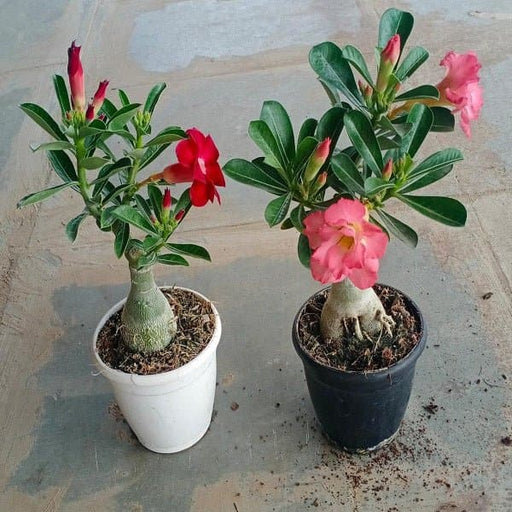
Pink flower plants are plants that produce flowers with shades of pink, ranging from light pink to dark pink. These plants come in a wide variety of shapes and sizes, making them suitable for a range of garden styles.
What are some common types of pink flower plants?
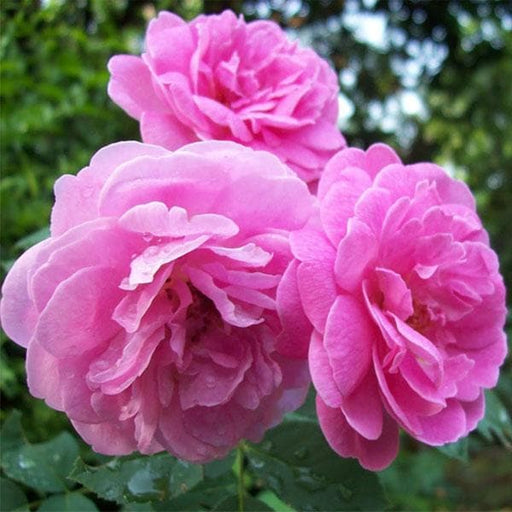
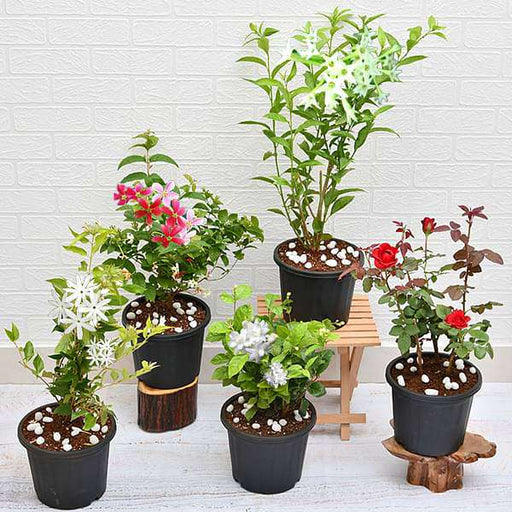
There are many types of pink flower plants, including roses, peonies, azaleas, petunias, and carnations.
Where can I plant pink flower plants?
Pink flower plants can be planted in a variety of locations, including garden beds, borders, containers, and hanging baskets.
What is the best time to plant pink flower plants?
The best time to plant pink flower plants is in the spring, after the last frost has passed.
How often should I water my pink flower plants?
Pink flower plants should be watered regularly, but not excessively. The soil should be kept moist but not waterlogged.
How do I fertilize my pink flower plants?
Pink flower plants should be fertilized with a balanced fertilizer every two to three weeks during the growing season.
What kind of soil do pink flower plants need?
Pink flower plants prefer well-draining soil that is rich in organic matter.
How much sun do pink flower plants need?
Most pink flower plants prefer full sun, although some varieties can tolerate partial shade.
How often should I deadhead my pink flower plants?
Pink flower plants should be deadheaded regularly to encourage the production of new blooms.
How do I prune my pink flower plants?
Pink flower plants should be pruned regularly to maintain their shape and promote healthy growth.
How do I prevent diseases and pests in my pink flower plants?
To prevent diseases and pests, pink flower plants should be kept clean and well-maintained, and any diseased or infested plants should be removed immediately.
How do I propagate my pink flower plants?
Pink flower plants can be propagated through cuttings, division, or seed.
How do I protect my pink flower plants from extreme weather conditions?
Pink flower plants should be protected from extreme weather conditions, such as frost or heat, by covering them with appropriate materials or moving them to a more sheltered location.
Can pink flower plants be grown indoors?
Some pink flower plants can be grown indoors, but they require plenty of sunlight and good air circulation.
How long do pink flower plants live?
The lifespan of pink flower plants varies depending on the species, but most can live for several years with proper care.
How do I select the right pink flower plants for my garden?
When selecting pink flower plants, consider the size of your garden, the amount of sun and shade it receives, and your personal preferences for color and fragrance.
What is the difference between annual and perennial pink flower plants?
Annual pink flower plants only live for one growing season, while perennial pink flower plants can live for multiple years.
What are some benefits of planting pink flower plants in my garden?
Pink flower plants can add color and interest to your garden, attract beneficial insects and pollinators, and improve air quality.
Can I grow pink flower plants in containers?
Yes, pink flower plants can be grown in containers, as long as the containers are large enough to accommodate their roots and provide adequate drainage.
How do I transplant my pink flower plants?
Pink flower plants should be transplanted carefully, taking care not to damage their roots. Make sure to plant them at the same depth they were previously growing and water them thoroughly after transplanting.
How do I choose the right pot size for my pink flower plants?
When choosing a pot size for your pink flower plants, make sure it is large enough to accommodate their roots and allow for proper drainage. A good rule of thumb is to choose a pot that is at least twice the size of the plant's root ball.
How do I care for my pink flower plants during the winter months?
Pink flower plants that are not winter hardy should be brought indoors or covered with a frost cloth to protect them from cold temperatures.
Can pink flower plants be used as ground cover?
Yes, pink flower plants can be used as ground cover, providing a colorful and low-maintenance alternative to traditional grass.
How do I prevent my pink flower plants from becoming invasive?
To prevent pink flower plants from becoming invasive, make sure to choose non-invasive species and keep them contained to their designated growing areas.
Can pink flower plants be grown from seed?
Yes, many pink flower plants can be grown from seed, although some species may require special care and conditions to germinate.
How do I attract pollinators to my pink flower plants?
To attract pollinators to your pink flower plants, choose varieties that are known to attract bees, butterflies, and hummingbirds, and plant them in areas with plenty of sunlight and shelter from wind.
Can pink flower plants be used in floral arrangements?
Yes, many pink flower plants make excellent additions to floral arrangements, adding color, texture, and fragrance.
How do I know if my pink flower plants need more or less water?
To determine if your pink flower plants need more or less water, check the moisture level of the soil at the plant's root level. If the soil feels dry, it needs more water, but if it feels wet, it needs less.
How do I know if my pink flower plants are getting enough sunlight?
To determine if your pink flower plants are getting enough sunlight, check the recommended sun exposure for the species and monitor the plant's growth and bloom production.
What are some common problems that can affect pink flower plants?
Common problems that can affect pink flower plants include pests, diseases, nutrient deficiencies, and environmental stressors. Regular maintenance and proper care can help prevent and mitigate these issues.