Skip to content

Medicinal Forestry Seeds

Result: 49 products. Medicinal Forestry Seeds Collection Discover the power of nature with our Medicinal Forestry Seeds collection, featuring a diverse range of seeds known for their therap . . read more ›
Original price ₹ 9,545
Original price ₹ 9,545 - Original price ₹ 9,545
Original price ₹ 9,545
Current price ₹ 8,113
₹ 8,113 - ₹ 8,113
Current price ₹ 8,113

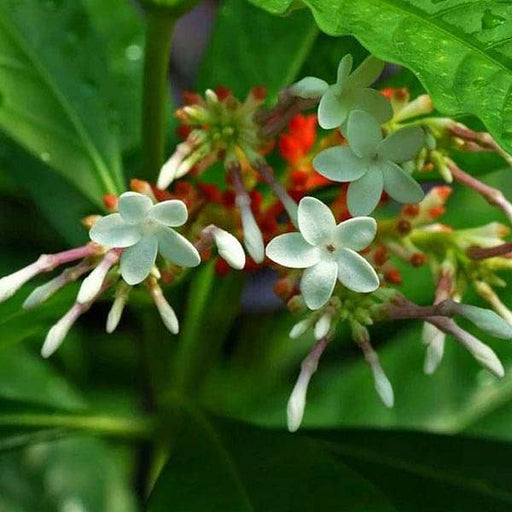
Rauvolfia Serpentina, Sarpgandha - 0.5 kg Seeds

Rauvolfia Serpentina, Sarpgandha - 0.5 kg Seeds Discover the remarkable Rauvolfia Serpentina, commonly known as Sarpgandha, a powerful med...

View full details
Original price ₹ 9,545
Original price ₹ 9,545 - Original price ₹ 9,545
Original price ₹ 9,545
Current price ₹ 8,113
₹ 8,113 - ₹ 8,113
Current price ₹ 8,113
Save 15% Save %

Medicinal Forestry Seeds Collection

Discover the power of nature with our Medicinal Forestry Seeds collection, featuring a diverse range of seeds known for their therapeutic properties. Each seed in this collection is carefully selected for its unique benefits, allowing you to cultivate your own medicinal garden. From ancient remedies to modern applications, these seeds offer a sustainable way to harness the healing potential of plants.

What makes our Medicinal Forestry Seeds special is their rich history and cultural significance. Many of these seeds have been used for centuries in traditional medicine, providing natural solutions for various ailments. By growing these plants, you not only contribute to your health but also preserve the wisdom of herbal medicine for future generations.

Growing your own medicinal plants is an empowering experience. With the right care and attention, you can create a thriving garden that supports your well-being. Our collection includes seeds for plants that are not only beneficial for health but also enhance biodiversity, making them a valuable addition to any ecosystem.

Growing Instructions

  • Choose a well-drained soil mix enriched with organic matter.
  • Plant seeds at the recommended depth, usually 1-2 times their diameter.
  • Water gently to keep the soil moist but not soggy.
  • Provide adequate sunlight, typically 6-8 hours a day.

Care Instructions

  • Fertilize with a balanced organic fertilizer every 4-6 weeks.
  • Monitor for pests and diseases; use organic treatments when necessary.
  • Prune regularly to encourage healthy growth and flowering.
  • Harvest leaves and flowers at their peak for maximum potency.

Uses

  • Utilize leaves and flowers for herbal teas and tinctures.
  • Incorporate into natural remedies for common ailments.
  • Use as ingredients in homemade skincare products.
  • Enhance culinary dishes with medicinal herbs.

Fun Facts

  • Many medicinal plants have been used in traditional medicine for over 5,000 years.
  • Some plants can improve soil health and attract beneficial insects.
  • Growing medicinal plants can reduce your carbon footprint by minimizing reliance on commercial products.

Medicinal plants have played a crucial role in human history, with many cultures relying on them for healing and wellness. For instance, the use of willow bark as a pain reliever dates back to ancient civilizations, leading to the development of modern aspirin. By cultivating these plants, you not only connect with this rich heritage but also contribute to the preservation of biodiversity.

From an environmental perspective, growing medicinal plants can have a positive impact on local ecosystems. These plants often attract pollinators and beneficial insects, promoting a healthy garden environment. Additionally, many medicinal plants are drought-resistant, making them suitable for sustainable gardening practices in changing climates.

Trending Collections

Ashwagandha Seeds

Ashwagandha, also known as Indian ginseng, is a popular herb in Ayurvedic medicine. In this article, we will explore the benefits of growing Ashwagandha from medicinal forestry seeds and how to care for them.

Turmeric Seeds

Turmeric is a spice that has been used in traditional medicine for centuries. In this article, we will explore the benefits of growing turmeric from medicinal forestry seeds and how to care for them.

Neem Seeds

Neem is a tree that is known for its medicinal properties. In this article, we will explore the benefits of growing neem from medicinal forestry seeds and how to care for them.

Ginkgo Seeds

Ginkgo is a tree that is known for its cognitive benefits. In this article, we will explore the benefits of growing ginkgo from medicinal forestry seeds and how to care for them.

Peppermint Seeds

Peppermint is a popular herb that is often used for its medicinal properties. In this article, we will explore the benefits of growing peppermint from medicinal forestry seeds and how to care for them.

Echinacea Seeds

Echinacea is a popular herb that is often used to boost the immune system. In this article, we will explore the benefits of growing echinacea from medicinal forestry seeds and how to care for them.

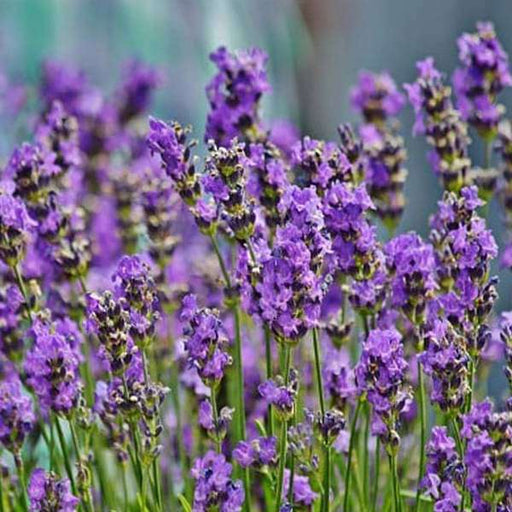
Lavender Seeds

Lavender is a popular herb that is often used for its calming properties. In this article, we will explore the benefits of growing lavender from medicinal forestry seeds and how to care for them.

St John's Wort Seeds

St John's Wort is a popular herb that is often used to treat depression. In this article, we will explore the benefits of growing St John's Wort from medicinal forestry seeds and how to care for them.

Lemon Balm Seeds

Lemon balm is a popular herb that is often used to reduce stress and anxiety. In this article, we will explore the benefits of growing lemon balm from medicinal forestry seeds and how to care for them.

Sage Seeds

Sage is a popular herb that is often used for its anti-inflammatory properties. In this article, we will explore the benefits of growing sage from medicinal forestry seeds and how to care for them.

Chamomile Seeds

Chamomile is a popular herb that is often used for its calming properties. In this article, we will explore the benefits of growing chamomile from medicinal forestry seeds and how to care for them.

Ginseng Seeds

Ginseng is a popular herb that is often used for its energy-boosting properties. In this article, we will explore the benefits of growing ginseng from medicinal forestry seeds and how to care for them.

Black Cohosh Seeds

Black cohosh is a popular herb that is often used to relieve menopause symptoms. In this article, we will explore the benefits of growing black cohosh from medicinal forestry seeds and how to care for them.

Milk Thistle Seeds

Milk thistle is a popular herb that is often used to support liver health. In this article, we will explore the benefits of growing milk thistle from medicinal forestry seeds and how to care for them.

Dandelion Seeds

Dandelion is a popular herb that is often used to support digestion and liver health. In this article, we will explore the benefits of growing dandelion from medicinal forestry seeds and how to care for them.

Marshmallow Seeds

Marshmallow is a popular herb that is often used to soothe sore throats and coughs. In this article, we will explore the benefits of growing marshmallow from medicinal forestry seeds and how to care for them.

Astragalus Seeds

Astragalus is a popular herb that is often used to boost the immune system. In this article, we will explore the benefits of growing astragalus from medicinal forestry seeds and how to care for them.

Valerian Seeds

Valerian is a popular herb that is often used to promote relaxation and sleep. In this article, we will explore the benefits of growing valerian from medicinal forestry seeds and how to care for them.

Feverfew Seeds

Feverfew is a popular herb that is often used to treat migraines. In this article, we will explore the benefits of growing feverfew from medicinal forestry seeds and how to care for them.

Saw Palmetto Seeds

Saw palmetto is a popular herb that is often used to support prostate health. In this article, we will explore the benefits of growing saw palmetto from medicinal forestry seeds and how to care for them.

Save 40% with Gardening Solutions

Growing & care guide

Medicinal forestry seeds include trees and shrubs valued for traditional medicine and agroforestry, with varied germination needs depending on species and seed coat hardness.

Sowing
Scarify hard-coated seeds with sandpaper or soak in warm water for 12-24 hours before sowing. Sow in seed trays with well-draining potting mix or cocopeat at appropriate depth.
Germination
Germination time varies by species (typically 1-4 weeks). Keep soil moist and warm (25-30°C); provide bright indirect light after emergence.
Care
Thin seedlings once true leaves appear to prevent crowding. Maintain consistent moisture and bright indirect light; avoid waterlogging which causes damping-off.
Harvest
Harvesting timeline depends on species, ranging from 1-3 years for trees. Monitor for seed maturity and collect when pods brown; dry thoroughly before storage in cool conditions.

Frequently asked questions

What are Medicinal Forestry Seeds?
Medicinal Forestry Seeds are seeds that are planted to grow trees that have medicinal properties.
What are the benefits of growing Medicinal Forestry Seeds?
Growing Medicinal Forestry Seeds can provide a sustainable source of medicinal plants and contribute to biodiversity conservation.
What are the different types of Medicinal Forestry Seeds available?
There are various types of Medicinal Forestry Seeds available, such as Neem Seeds, Ashwagandha Seeds, and more.
How do I choose the right Medicinal Forestry Seeds for my needs?
Consider the medicinal properties of the tree, the climate of your region, and the purpose of your plantation when choosing Medicinal Forestry Seeds.
When is the best time to plant Medicinal Forestry Seeds?
The best time to plant Medicinal Forestry Seeds depends on the type of seed and the climate of your region. Generally, seeds are planted in the rainy season.
How do I prepare the soil for planting Medicinal Forestry Seeds?
Ensure that the soil is well-draining and free from weeds and debris, and use appropriate fertilizers and soil amendments.
How do I sow Medicinal Forestry Seeds?
Sow Medicinal Forestry Seeds according to the instructions on the seed packet, and ensure that they are planted at the appropriate depth.
How do I water Medicinal Forestry Seeds?
Water the Medicinal Forestry Seeds regularly, preferably in the morning or evening, and ensure that the soil is moist but not waterlogged.
How do I protect Medicinal Forestry Seeds from pests and diseases?
Use organic pest control methods and maintain good sanitation practices in your plantation to prevent pest and disease infestations.
How do I fertilize Medicinal Forestry Seeds?
Use appropriate fertilizers and soil amendments to provide the necessary nutrients for Medicinal Forestry Seeds.
How do I transplant Medicinal Forestry Seeds into larger containers?
Carefully remove the seedlings from their current container and replant them into their new container, ensuring that the soil and moisture levels are appropriate.
How do I create a sustainable Medicinal Forestry Seed plantation?
Choose indigenous tree species, use sustainable planting techniques, and maintain good forest management practices.
How do I prevent Medicinal Forestry Seeds from getting too wet?
Ensure that the soil has good drainage and avoid overwatering the Medicinal Forestry Seeds.
How do I prevent Medicinal Forestry Seeds from getting too dry?
Provide appropriate water and shade to prevent the Medicinal Forestry Seeds from getting dry.
How do I know if Medicinal Forestry Seeds are viable?
Perform a germination test by planting a small number of seeds and observing their growth.
How do I know if Medicinal Forestry Seeds are suitable for my region?
Check the seed packet or consult with a gardening expert to ensure that the Medicinal Forestry Seeds are suitable for your region.
How do I create a sustainable forest garden using Medicinal Forestry Seeds?
Choose complementary tree species, use sustainable planting techniques, and maintain good forest management practices.
How do I harvest Medicinal Forestry Seeds?
Harvest the seeds when they are fully mature and dry, and store them in a cool, dry place.
How do I propagate Medicinal Forestry Seeds?
Some Medicinal Forestry Seeds can be propagated through methods such as grafting, cuttings, or layering.
How do I prevent erosion in a Medicinal Forestry Seed plantation?
Use erosion control methods such as mulching, planting cover crops, and installing retaining walls or terraces.
How do I ensure that my Medicinal Forestry Seed plantation is sustainable?
Use sustainable planting techniques, such as intercropping and companion planting, and maintain good forest management practices.
How do I prevent Medicinal Forestry Seeds from becoming invasive?
Choose indigenous tree species and avoid planting invasive species that can outcompete native plants.
How do I ensure that my Medicinal Forestry Seed plantation is productive?
Provide appropriate care, such as regular watering and fertilization, and monitor for pests and diseases.
How do I use Medicinal Forestry Seeds for medicinal purposes?
Consult with a qualified medical professional or herbalist for guidance on using Medicinal Forestry Seeds for medicinal purposes.
How do I incorporate Medicinal Forestry Seeds into my garden design?
Consider the size and growth habits of the tree, as well as its aesthetic appeal, when incorporating Medicinal Forestry Seeds into garden design.
How do I prevent Medicinal Forestry Seeds from being damaged by animals?
Use appropriate fencing or other animal control methods to prevent damage to Medicinal Forestry Seeds by animals.
How do I create a Medicinal Forestry Seed plantation that benefits wildlife?
Choose tree species that provide habitat and food for local wildlife, and avoid planting invasive species that can harm wildlife.
How do I create a Medicinal Forestry Seed plantation that benefits the local community?
Consider the medicinal properties of the tree, as well as the cultural and economic significance of the tree, when creating a Medicinal Forestry Seed plantation that benefits the local community.
How do I ensure that my Medicinal Forestry Seed plantation is environmentally friendly?
Use sustainable planting techniques and avoid the use of harmful pesticides or other chemicals in your Medicinal Forestry Seed plantation.
Fully-Grown Plants

Nursery-mature, not 4-inch saplings

Next-Day Delivery

At your door tomorrow — not a 4–7 day wait

Nursery-Fresh

Ready to flourish, no growing-in

Lowest Prices

Straight from local growers