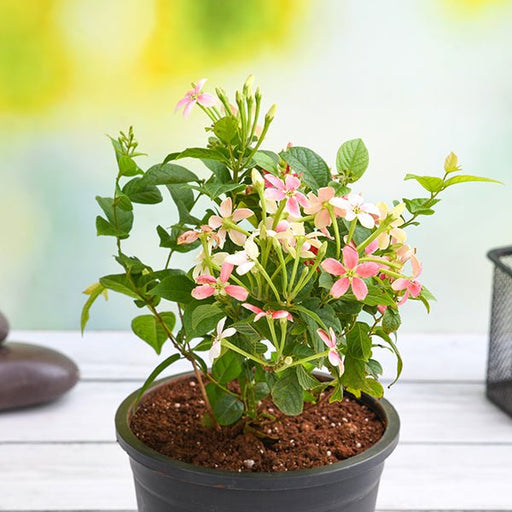
What is Ixora Long, Singapuri Ixora (Pink)?
Ixora Long, also known as Singapuri Ixora (Pink), is a vibrant flowering plant that brings a splash of color to your garden. With its lush green foliage and stunning pink blooms, it’s like the party guest that never leaves—always brightening up the scene and attracting butterflies like they’re on a VIP list!
How do I care for Ixora Long, Singapuri Ixora (Pink)?
Caring for this beauty is a breeze! Just give it well-drained soil, plenty of sunlight, and a sprinkle of water when it’s thirsty. Think of it as your plant’s spa day—keep it happy, and it’ll reward you with a floral fiesta that’ll make your neighbors green with envy!
Is Ixora Long, Singapuri Ixora (Pink) suitable for indoor planting?
While it prefers the great outdoors, Ixora Long can be a diva indoors too! Just ensure it gets enough sunlight and space to stretch its roots. If you can provide a sunny window, it’ll thrive like a star on the red carpet, bringing a touch of tropical flair to your living room!
What is the ideal climate for Ixora Long, Singapuri Ixora (Pink)?
This plant loves warm, tropical climates—think of it as a sunbather on a beach vacation! It thrives in temperatures between 60°F to 90°F. If you live in a cooler area, consider giving it a cozy indoor spot during winter, so it doesn’t get too chilly and start dreaming of tropical getaways!
How often should I water Ixora Long, Singapuri Ixora (Pink)?
Watering is like a dance—find the right rhythm! Water when the top inch of soil feels dry, usually once a week. In hotter months, it might want a little more. Just don’t drown it; Ixora Long prefers a light sprinkle over a torrential downpour. Keep it hydrated, and it’ll bloom like there’s no tomorrow!
Does Ixora Long, Singapuri Ixora (Pink) attract pests?
Ah, the age-old question of plant popularity! Ixora Long can attract pests like aphids and spider mites, but don’t fret! Regular checks and a gentle spray of insecticidal soap can keep those uninvited guests at bay. Think of it as a bouncer for your plant party—keeping the riffraff out while the blooms shine!
Can I propagate Ixora Long, Singapuri Ixora (Pink)?
Absolutely! Propagation is like giving your plant a family reunion. You can take cuttings from healthy stems and place them in water or soil. With a little patience and love, they’ll root and grow into new plants, ready to spread the joy of pink blooms all around your garden!
What are the benefits of growing Ixora Long, Singapuri Ixora (Pink)?
Besides being a showstopper in your garden, Ixora Long attracts pollinators like bees and butterflies, making it a hero for the ecosystem! It also provides a natural privacy screen and can be used in hedges. Plus, who wouldn’t want a plant that’s basically a floral cheerleader for your outdoor space?
How long does it take for Ixora Long, Singapuri Ixora (Pink) to bloom?
Patience is a virtue, my friend! Typically, Ixora Long will start blooming within a year of planting. With the right care, you’ll be rewarded with a dazzling display of pink flowers that’ll have you feeling like a proud plant parent. Just remember, good things come to those who wait!
Is Ixora Long, Singapuri Ixora (Pink) deer-resistant?
While no plant is completely deer-proof, Ixora Long is often left alone by these four-legged munchers. They tend to prefer tastier options, so consider this plant a less appealing buffet choice. With its vibrant blooms, it’s more of a “look but don’t eat” kind of plant—perfect for gardens in deer-prone areas!
What soil type is best for Ixora Long, Singapuri Ixora (Pink)?
Ixora Long loves well-draining soil that’s rich in organic matter. Think of it as a gourmet meal for your plant—loamy or sandy soil with a touch of compost will do the trick! Avoid heavy clay, as it’s like serving your plant a soggy sandwich. Keep it light and fluffy for happy roots!
Can Ixora Long, Singapuri Ixora (Pink) survive winter?
Ixora Long isn’t a fan of the cold; it prefers to stay warm and cozy. If you live in a cooler climate, consider bringing it indoors during winter. It’s like giving your plant a winter vacation—just make sure it gets enough light, and it’ll be ready to bloom again when spring rolls around!


 White Marble Pebbles (1 kg)
₹199
White Marble Pebbles (1 kg)
₹199 Plant O Boost — Growth Booster
₹239
Plant O Boost — Growth Booster
₹239 Garden Essential Plant Care Kit
₹599
Garden Essential Plant Care Kit
₹599