What is a Croton Plant, Codiaeum variegatum (Zanzibar)?
Ah, the Croton Plant, also known as Codiaeum variegatum (Zanzibar), is a tropical beauty flaunting vibrant leaves in a kaleidoscope of colors. Think of it as nature's confetti! This plant thrives in bright light and adds a splash of pizzazz to any indoor or outdoor space.
How do I care for my Croton Plant?
Caring for your Croton Plant is like nurturing a diva! It loves bright, indirect sunlight and a warm environment. Water it when the top inch of soil is dry, but don’t drown it—no one likes soggy feet! Regular misting keeps its leaves happy and glossy.
What are the ideal light conditions for Croton Plants?
Croton Plants are sun worshippers! They thrive in bright, indirect sunlight. Too little light, and they might sulk, losing their vibrant colors. Too much direct sun, and they could get scorched. Aim for a sunny spot where they can strut their colorful stuff without getting burned!
How often should I water my Croton Plant?
Water your Croton Plant when the top inch of soil feels dry—think of it as a thirsty friend! Typically, this means every 1-2 weeks, but it depends on your home’s humidity. Just remember, it prefers a drink over a swim, so avoid soggy soil!
What temperature is best for Croton Plants?
Croton Plants are tropical party animals, loving temperatures between 60°F and 85°F. They’re not fans of chilly drafts or sudden temperature swings. Keep them cozy, and they’ll reward you with their stunning foliage. Just don’t forget to invite them inside when winter knocks!
Can I propagate my Croton Plant?
Absolutely! Propagating your Croton Plant is like creating mini versions of your leafy friend. Take a cutting with a few leaves, dip it in rooting hormone, and plant it in moist soil. Keep it warm and humid, and soon you’ll have a whole new plant to show off!
Are Croton Plants toxic to pets?
Yes, Croton Plants are on the naughty list for pets! They contain compounds that can cause mild to moderate toxicity if ingested. So, if your furry friend has a penchant for munching on houseplants, it’s best to keep this colorful diva out of their reach.
What pests should I watch for on my Croton Plant?
Keep an eye out for pesky pests like spider mites and mealybugs—they love to crash the Croton party! Regularly inspect your plant and wipe its leaves to keep them at bay. If they show up uninvited, a gentle insecticidal soap can send them packing!
How do I fertilize my Croton Plant?
Feed your Croton Plant with a balanced liquid fertilizer every 4-6 weeks during the growing season. Think of it as a gourmet meal for your leafy friend! Just dilute it to half strength to avoid overwhelming its delicate palate. Your plant will thank you with vibrant growth!
Why are the leaves of my Croton Plant dropping?
Leaf drop can be a cry for help! Your Croton might be stressed from sudden temperature changes, overwatering, or low light. Check its environment and adjust accordingly. With a little TLC, your plant will perk up and flaunt its fabulous foliage once again!
How do I enhance the colors of my Croton Plant?
To amp up the colors of your Croton Plant, give it plenty of bright, indirect sunlight. The more light it gets, the more vibrant its leaves will be! Also, avoid over-fertilizing, as too much can dull its colors. A happy plant is a colorful plant!
Can Croton Plants be grown outdoors?
Yes, Croton Plants can be outdoor stars in warm climates! They love bright sunlight and can add a tropical flair to your garden. Just make sure to bring them inside if temperatures dip below 60°F. They’re not fans of the cold, after all!


 White Marble Pebbles (1 kg)
₹199
White Marble Pebbles (1 kg)
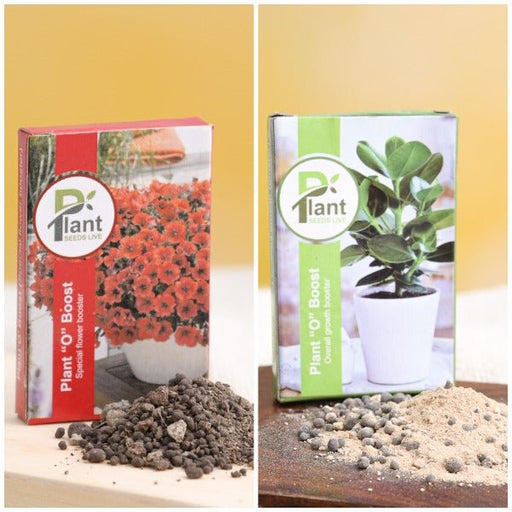
₹199 Plant O Boost — Growth Booster
₹239
Plant O Boost — Growth Booster
₹239 Garden Essential Plant Care Kit
₹599
Garden Essential Plant Care Kit
₹599