Skip to content

Lily Plant

Result: 28 products. Lily Plant Collection Discover the enchanting beauty of our Lily Plant Collection, featuring a diverse array of stunning lily varieties. Known for their vibrant colors . . read more ›
Original price ₹ 279 - Original price ₹ 279
Original price ₹ 279
₹ 279
₹ 279 - ₹ 279
Current price ₹ 279

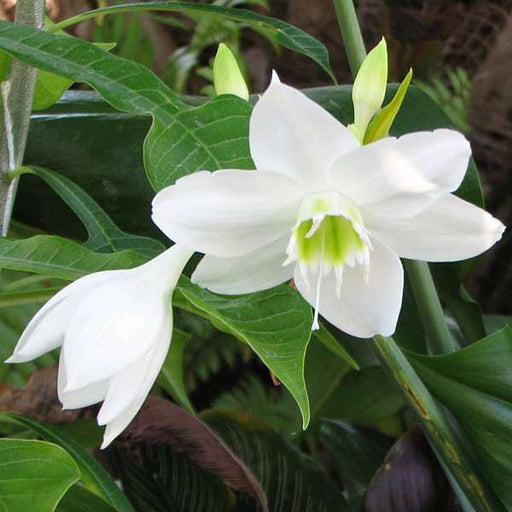
Eucharis, Amazon Lily - Plant

Eucharis, Amazon Lily - Plant The Eucharis, commonly known as the Amazon Lily, is a stunning perennial plant native to the tropical rainfo...

View full details
Original price ₹ 279 - Original price ₹ 279
Original price ₹ 279
₹ 279
₹ 279 - ₹ 279
Current price ₹ 279
Sold out
Original price ₹ 314 - Original price ₹ 314
Original price ₹ 314
₹ 314
₹ 314 - ₹ 314
Current price ₹ 314

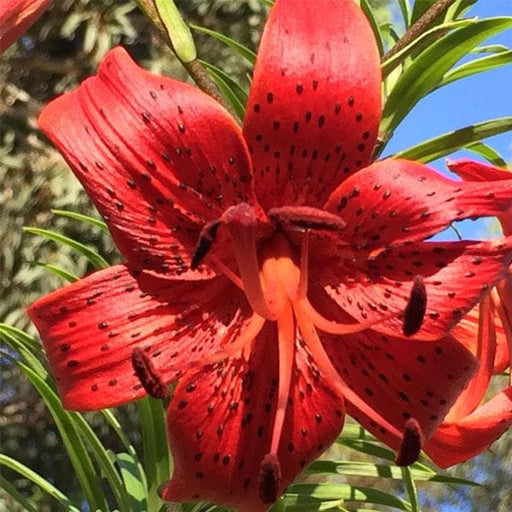
Lilium Lancifolium, Tiger lily ( Red ) - Plant

Lilium Lancifolium, Tiger Lily (Red) - Plant The Lilium Lancifolium, commonly known as the Tiger Lily, is a stunning perennial plant that ...

View full details
Original price ₹ 314 - Original price ₹ 314
Original price ₹ 314
₹ 314
₹ 314 - ₹ 314
Current price ₹ 314
Sold out
Original price ₹ 629 - Original price ₹ 629
Original price ₹ 629
₹ 629
₹ 629 - ₹ 629
Current price ₹ 629

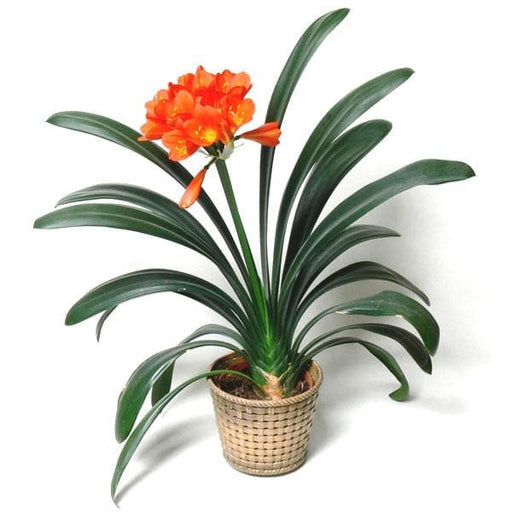
Clivia Miniata, Kaffir lily - Plant

Clivia Miniata - Kaffir Lily Plant The Clivia Miniata, commonly known as the Kaffir Lily, is a stunning perennial plant native to South Af...

View full details
Original price ₹ 629 - Original price ₹ 629
Original price ₹ 629
₹ 629
₹ 629 - ₹ 629
Current price ₹ 629
Sold out
Original price ₹ 279 - Original price ₹ 279
Original price ₹ 279
₹ 279
₹ 279 - ₹ 279
Current price ₹ 279

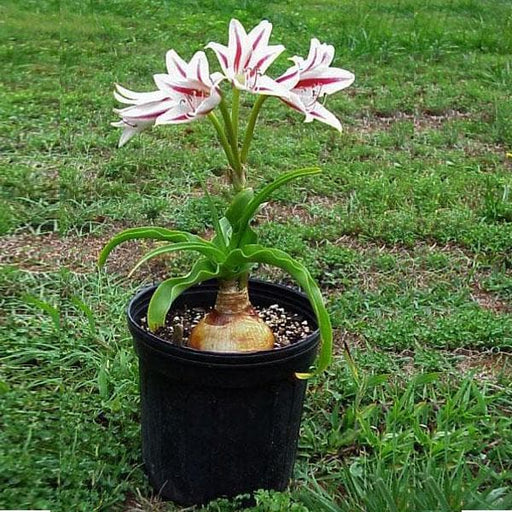
Crinum, Milk and Wine Lily - Plant

Crinum, Milk and Wine Lily - Plant The Crinum, commonly known as the Milk and Wine Lily, is a stunning perennial plant that boasts large, ...

View full details
Original price ₹ 279 - Original price ₹ 279
Original price ₹ 279
₹ 279
₹ 279 - ₹ 279
Current price ₹ 279
Sold out

Lily Plant Collection

Discover the enchanting beauty of our Lily Plant Collection, featuring a diverse array of stunning lily varieties. Known for their vibrant colors and captivating fragrances, lilies are a favorite among gardeners and floral enthusiasts alike. From the elegant Asiatic lilies to the fragrant Oriental varieties, each plant in this collection brings a touch of elegance and charm to any garden or indoor space.

What makes lilies truly special is their versatility. They thrive in various environments, making them suitable for both garden beds and container planting. With their striking blooms and lush foliage, lilies not only enhance the aesthetic appeal of your landscape but also attract pollinators like bees and butterflies, contributing to a healthier ecosystem.

Growing lilies is a rewarding experience, as they are relatively low-maintenance and can bloom year after year. Whether you are a seasoned gardener or a beginner, our Lily Plant Collection offers the perfect selection to elevate your gardening journey. Explore the beauty and benefits of these remarkable plants today!

Growing Instructions

  • Plant bulbs in well-drained soil, 6-8 inches deep.
  • Choose a location with full sun to partial shade.
  • Water regularly, especially during dry spells, but avoid waterlogging.

Care Instructions

  • Fertilize with a balanced fertilizer in early spring.
  • Remove spent blooms to encourage new growth.
  • Cut back foliage after it has yellowed in the fall.

Uses

  • Perfect for garden borders, beds, and containers.
  • Ideal for cut flower arrangements and bouquets.
  • Great for attracting pollinators to your garden.

Fun Facts

  • There are over 100 species of lilies worldwide.
  • Lilies have been cultivated for over 3,000 years.
  • In some cultures, lilies symbolize purity and refined beauty.

Scientific Data

Lilies belong to the genus Lilium, which is part of the Liliaceae family. They are perennial plants that can grow from 1 to 6 feet tall, depending on the species. The flowers typically have six petal-like tepals and come in a variety of colors, including white, yellow, pink, and orange. Lilies are known for their unique reproductive structures, which include both male and female parts, allowing them to self-pollinate or cross-pollinate with other lilies.

Historical Facts and Environmental Impact

Historically, lilies have held significant cultural importance across various civilizations. In ancient Egypt, they were associated with purity and rebirth, often depicted in art and used in religious ceremonies. Today, lilies play a vital role in promoting biodiversity, as they provide essential nectar and pollen for pollinators. By planting lilies, you contribute to a sustainable environment, supporting local wildlife and enhancing the beauty of your surroundings.

Trending Collections

Lily Care

Lily care is essential for keeping your plants healthy and beautiful. Proper care includes providing the right amount of water, sunlight, and nutrients, as well as monitoring for pests and diseases. With the right care, lily plants can thrive and produce stunning displays of vibrant and colorful blooms.

Lily Varieties

There are many varieties of lily plants, each with its own unique colors and shapes. Some popular varieties include the Asiatic lily, the Oriental lily, and the Easter lily. With so many options to choose from, there is a lily variety to suit any taste and style.

Lily Bulbs

Lily bulbs are a popular way to grow lily plants, as they are easy to plant and can produce stunning displays of colorful blooms. They should be planted in a well-draining soil and kept moist until they start to sprout. With the right care, lily bulbs can produce beautiful and healthy lily plants.

Lily Bouquets

Lily flowers are a popular choice for bouquets, as they are striking and vibrant blooms that add color and texture to any floral arrangement. They can be mixed with other flowers or used on their own for a stunning and elegant display.

Lily Garden

Lily plants can be used to create a natural and organic garden display. They can be planted in borders, garden beds, or even used as a ground cover. With their vibrant and lush blooms, lily gardens are a charming and whimsical addition to any outdoor space.

Lily Symbolism

Lily plants have a variety of meanings and symbolism, depending on the culture and context. In general, they are a symbol of purity, innocence, and renewal. With their symbolic properties, lily plants are a perfect choice for gifts and special occasions.

Lily Sunlight

Lily plants require full to partial sunlight for optimal growth and health. Too much shade can cause the plant to become leggy and weak, while too much sun can cause the leaves to burn. With the right amount of sunlight, lily plants can thrive and produce stunning displays of colorful blooms.

Lily Watering

Lily plants require frequent watering to keep the soil moist, but not waterlogged. Water should be allowed to fully drain from the soil before watering again. With the right watering schedule, lily plants can produce stunning displays of colorful blooms.

Lily Soil

Lily plants require well-draining soil that is rich in nutrients. A mix of potting soil and sand is a popular choice for lily plants, as it provides the right balance of moisture retention and drainage. With the right soil, lily plants can grow strong and healthy.

Lily Fertilizer

Lily plants require regular fertilizer to grow strong and healthy. A balanced fertilizer that is high in phosphorus is a popular choice for lily plants, as it promotes healthy bloom production. With the right fertilizer, lily plants can produce stunning displays of colorful blooms.

Lily Pests and Diseases

Lily plants are susceptible to a variety of pests and diseases, including aphids, spider mites, and fungal infections. Proper care and monitoring can prevent these issues from becoming a problem. With the right pest and disease control measures, lily plants can thrive and produce stunning displays of colorful blooms.

Lily Edible

Some varieties of lily plants are edible and can be used in cooking and baking. The bulbs of the lily plant are particularly popular, and can be used in a variety of dishes. With their unique and interesting properties, edible lily plants are a fun and tasty addition to any culinary adventure.

Lily Perfume

Lily flowers have a unique and pleasant fragrance that is often used in perfumes and other fragrances. The scent of the lily flower is fresh and floral, with notes of sweetness and spice. With their natural and organic fragrance, lily perfumes are a charming and whimsical choice for any perfume lover.

Lily Arrangements

Lily flowers are a popular choice for floral arrangements, thanks to their vibrant and unique colors and shapes. They can be mixed with other flowers or used on their own for a stunning and elegant display. With their natural and organic beauty, lily arrangements are a perfect choice for any special occasion.

Lily Meaning

Lily plants have a rich and interesting history, and have been associated with a variety of meanings and symbolism over the years. In general, they are a symbol of purity, innocence, and renewal, and have been used in religious ceremonies and rituals for centuries. With their long and fascinating history, lily plants are a charming and inspiring choice for any gardener or flower lover.

Lily Bulbs for Sale

Lily bulbs are a popular choice for growing lily plants, and can be purchased from a variety of sources. They should be planted in a well-draining soil and kept moist until they start to sprout. With the right care, lily bulbs can produce beautiful and healthy lily plants.

Lily Flowers for Weddings

Lily flowers are a popular choice for wedding flowers, thanks to their unique and vibrant colors and shapes. They can be used in bouquets, centerpieces, or even as decor along the aisle. With their natural and organic beauty, lily flowers are a stunning and memorable choice for any wedding.

Lily Photography

Lily flowers are a popular subject for photography, thanks to their vibrant colors and unique shapes. They can be captured in a variety of settings and lighting conditions, creating stunning and beautiful images. With their natural and organic beauty, lily flowers are a charming and inspiring subject for any photographer.

Lily Seeds

Lily seeds are a popular way to grow lily plants, as they can be easily collected from the plant after the blooms have faded. They should be planted in a well-draining soil and kept moist until they start to sprout. With the right care, lily seeds can produce beautiful and healthy lily plants.

Lily Bulbs in Winter

Lily bulbs require special care during the winter months, as they can be damaged by cold and frost. They should be protected from freezing temperatures and watered sparingly to prevent overwatering. With the right winter care, lily bulbs can survive the cold and produce beautiful and healthy lily plants come spring.

Save 40% with Gardening Solutions

Growing & care guide

Lilies are prized for large, fragrant flowers and elegant form, thriving in Indian gardens when given sharp drainage and cool-season care. Most are seasonal bloomers suited to winter-spring flowering.

Light
Lilies need 6+ hours of direct sunlight daily for strong blooming and compact growth. In very hot regions (above 35°C), afternoon shade (2-3 hours) protects petals from sun scald while maintaining adequate light.
Water
Water deeply but infrequently, keeping soil consistently moist during growing and flowering phases. After blooming ends, reduce watering sharply; bulbs require a dry rest period to set next season's flower buds.
Soil & Feeding
Plant in well-draining soil amended with sand or perlite to prevent bulb rot—essential in Indian monsoons and areas with hard water. Feed with balanced fertilizer monthly during growth; switch to low-nitrogen feed after flowering to avoid soft, disease-prone growth.
Temperature & Humidity
Lilies prefer cool nights (12-18°C) and warm days (20-25°C), making them ideal for Indian winters. Excessive humidity combined with poor air circulation invites fungal leaf spots and stem rot.
Common Problems
Bulb rot from waterlogging is the most common issue; leaf spot diseases thrive in humid, crowded conditions. Aphids and spider mites colonize flower buds and foliage, especially under heat stress.
Pro Tips
Deadhead spent flowers but leave stems intact until foliage naturally yellows—this allows the bulb to recharge. Cut flowering stems 1/3 of the way down when yellowed to preserve bulb energy for next season.

Frequently asked questions

What are Lily plants?
Lily plants are flowering plants that are known for their large, showy flowers in a variety of colors, including white, pink, yellow, and red.
What kind of soil is suitable for Lily plants?
Lily plants prefer well-draining soil that is rich in organic matter. A soil pH between 6.0 to 7.0 is ideal.
How much sunlight do Lily plants need?
Lily plants require full sunlight for at least six hours a day to thrive.
How often should I water Lily plants?
Water Lily plants deeply once a week, or more often if the soil is dry.
How tall do Lily plants grow?
Lily plants can grow up to 2-6 feet tall, depending on the variety.
How do I propagate Lily plants?
Lily plants can be propagated by division of bulbs or by planting seeds.
Are Lily plants suitable for indoor gardening?
Yes, some varieties of Lily plants are suitable for indoor gardening, but they require full sunlight and well-draining soil.
How do I fertilize Lily plants?
Fertilize Lily plants with a balanced fertilizer once a month during the growing season.
How do I control pests and diseases on Lily plants?
To control pests and diseases on Lily plants, use an organic insecticide or fungicide.
Can Lily plants be grown in containers?
Yes, Lily plants can be grown in containers as long as they have enough space to grow and well-draining soil.
What kind of pots are suitable for Lily plants?
Deep pots with drainage holes are suitable for Lily plants.
How do I transplant Lily plants?
Transplant Lily plants after they have finished flowering or after the foliage has died back.
How often do Lily plants bloom?
Lily plants bloom once a year, usually in late spring or early summer.
How do I deadhead Lily plants?
To deadhead Lily plants, simply remove the spent blooms using your fingers or garden scissors.
Can Lily plants be grown outdoors in India?
Yes, Lily plants can be grown outdoors in India as long as they receive adequate sunlight and well-draining soil.
How do I overwinter Lily plants?
Lily plants are hardy perennials and do not require any special care during the winter months.
How do I prevent Lily plants from becoming too tall?
To prevent Lily plants from becoming too tall, plant them in a location with partial shade.
How do I care for Lily plants during the summer months?
During the summer months, water Lily plants deeply once a week and provide them with adequate sunlight.
How do I care for Lily plants during the winter months?
During the winter months, reduce watering and protect Lily plants from freezing temperatures.
How do I prevent Lily plants from self-seeding?
To prevent Lily plants from self-seeding, deadhead regularly and remove any seedlings that may appear.
Can Lily plants be used in landscaping?
Yes, Lily plants can be used in landscaping to create beautiful and colorful gardens.
How do I prevent Lily plants from getting too dry?
To prevent Lily plants from getting too dry, water deeply and regularly and provide them with adequate sunlight.
How do I prevent Lily plants from becoming too leggy?
To prevent Lily plants from becoming too leggy, provide them with adequate sunlight and avoid overwatering.
What are some common varieties of Lily plants?
Some common varieties of Lily plants include Asiatic Lilies, Oriental Lilies, Trumpet Lilies, and Easter Lilies.
How do I care for Lily plants with yellow leaves?
Yellow leaves on Lily plants can be caused by overwatering or underwatering. Adjust watering accordingly and ensure that the plant is not in direct sunlight.
How do I care for Lily plants with brown leaves?
Brown leaves on Lily plants can be caused by a variety of factors, including overwatering, underwatering, or exposure to direct sunlight. Adjust care accordingly to prevent further damage.
How do I care for Lily plants with wilted leaves?
Wilted leaves on Lily plants can be caused by underwatering. Ensure that the plant is getting adequate water and humidity.
Can Lily plants be used as cut flowers?
Yes, Lily plants are popular cut flowers due to their large, showy blooms and pleasant fragrance.
How do I prevent Lily plants from becoming too crowded?
To prevent Lily plants from becoming too crowded, divide the bulbs every three to four years.
How do I care for Lily plants with no flowers?
Lily plants may not produce flowers if they are not receiving enough sunlight or if they are not getting enough nutrients. Ensure that the plant is getting adequate care and adjust accordingly.
Fully-Grown Plants

Nursery-mature, not 4-inch saplings

Next-Day Delivery

At your door tomorrow — not a 4–7 day wait

Nursery-Fresh

Ready to flourish, no growing-in

Lowest Prices

Straight from local growers