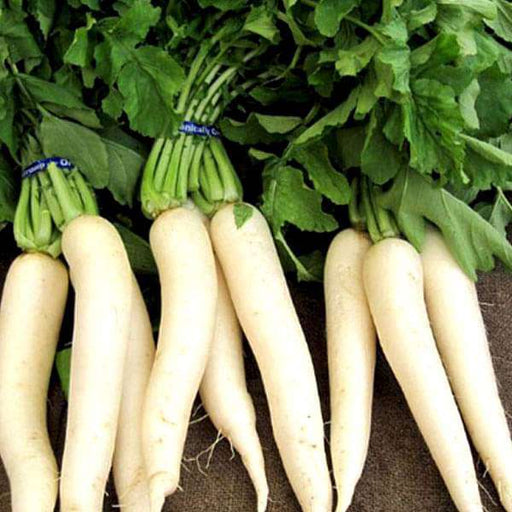
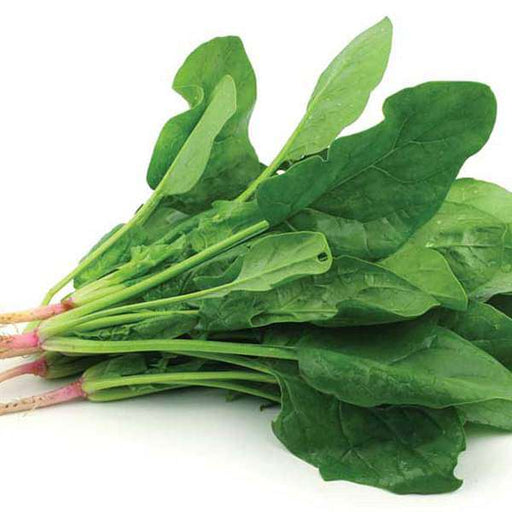
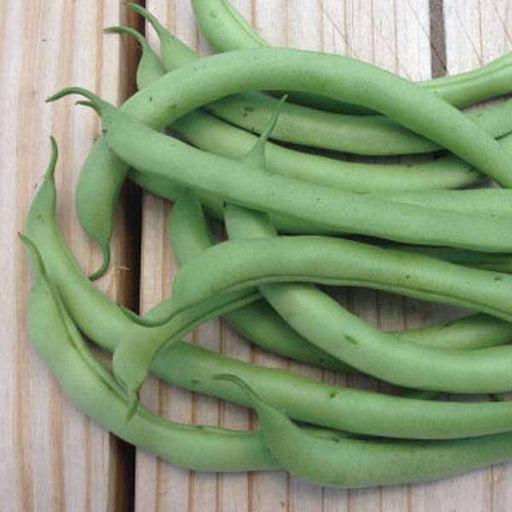
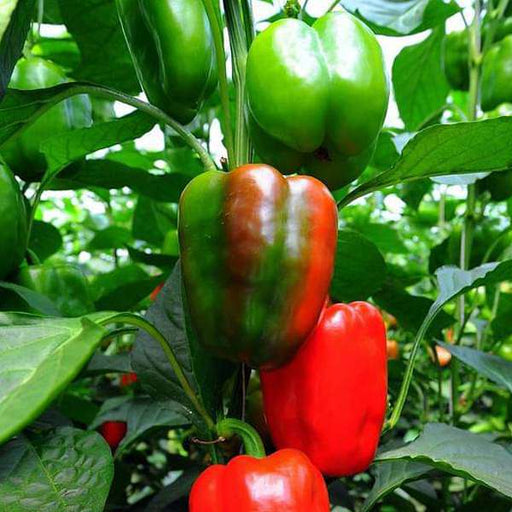
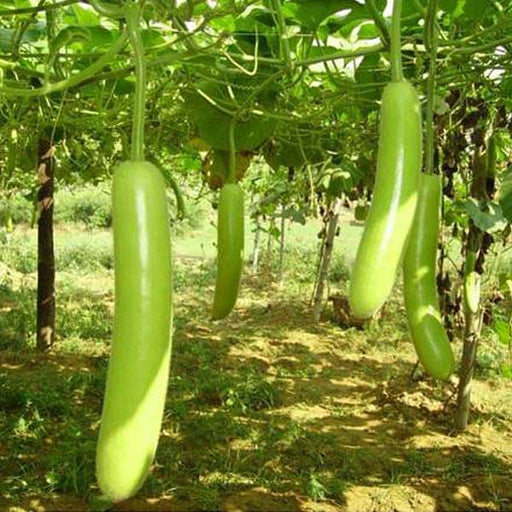
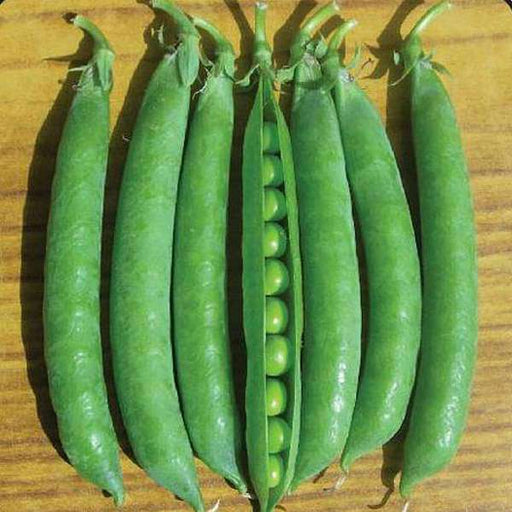
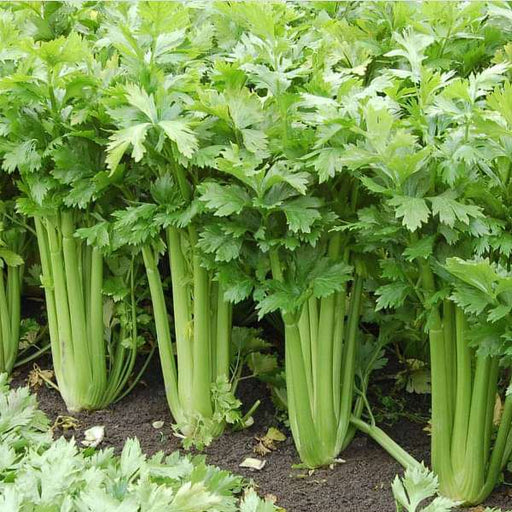
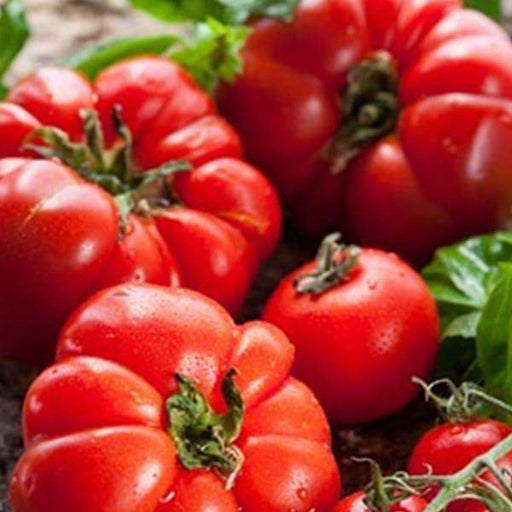
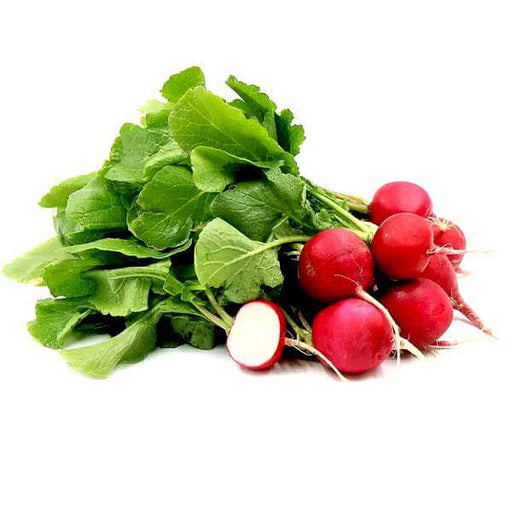
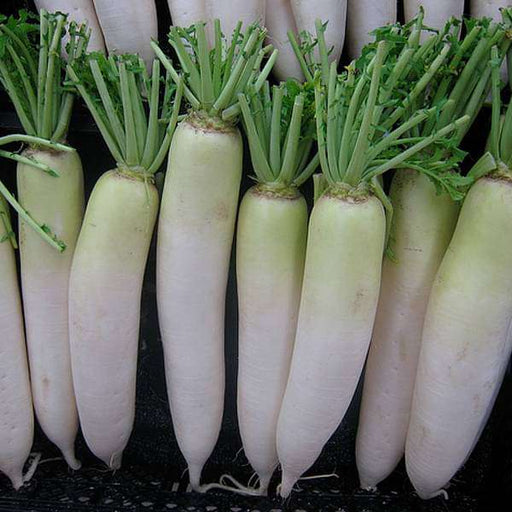
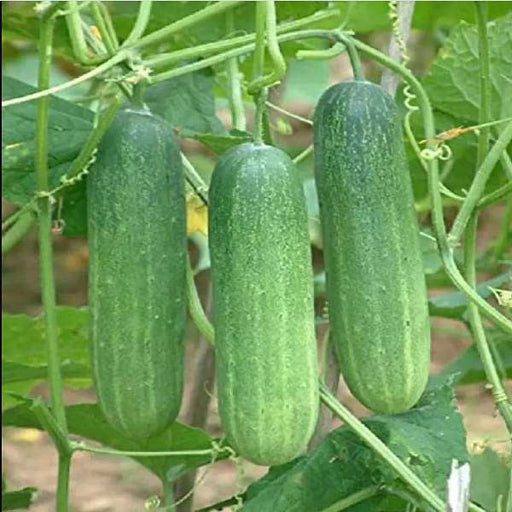
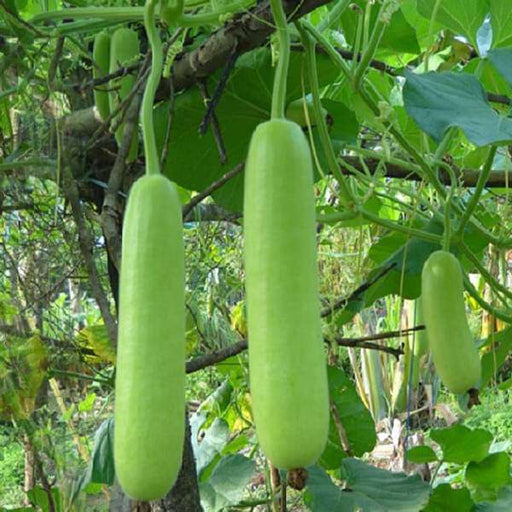
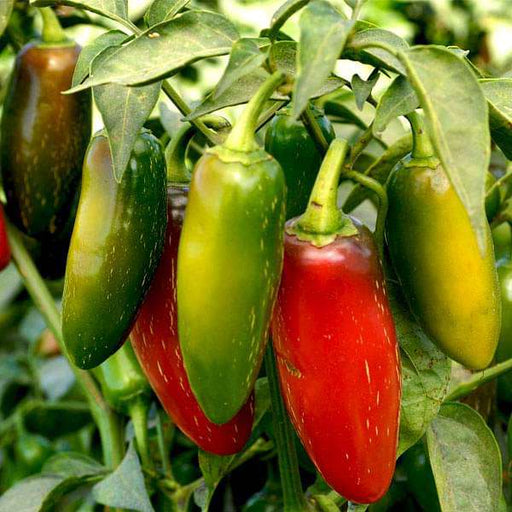
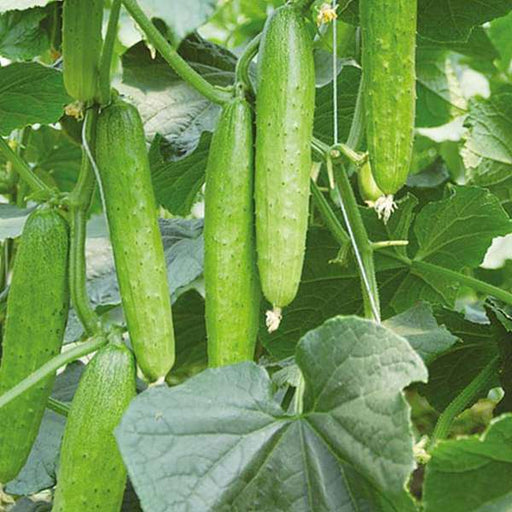
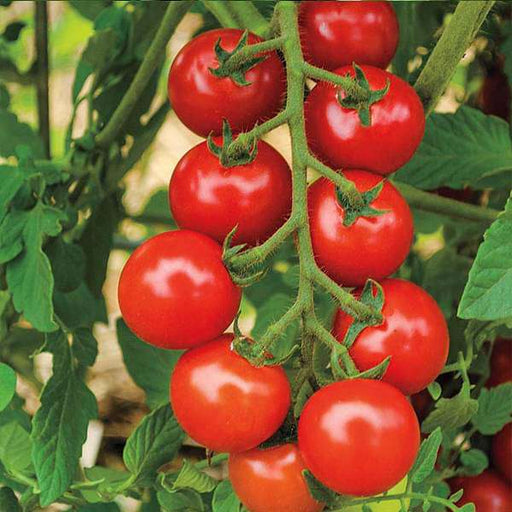
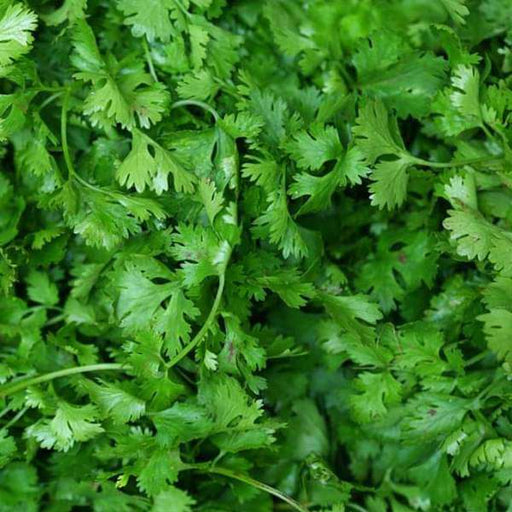
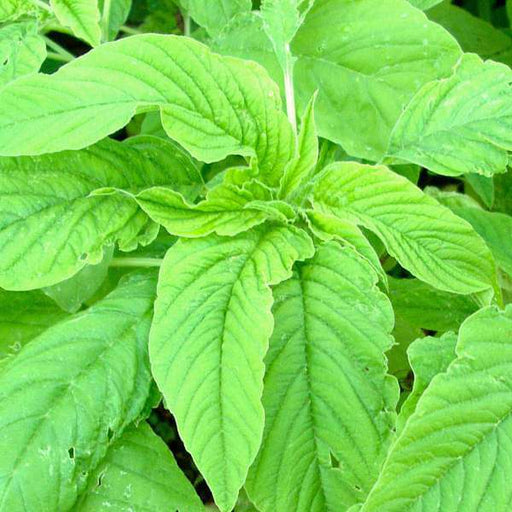
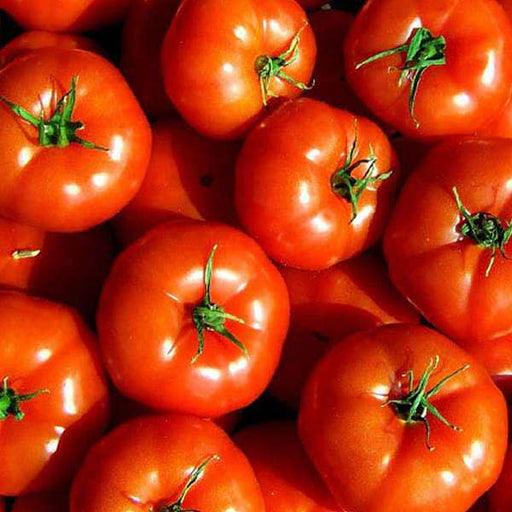
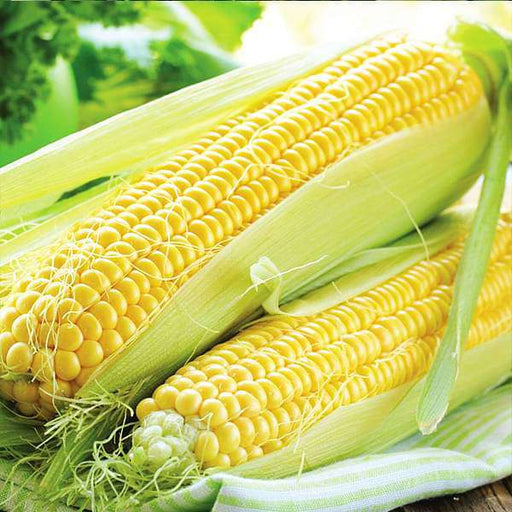
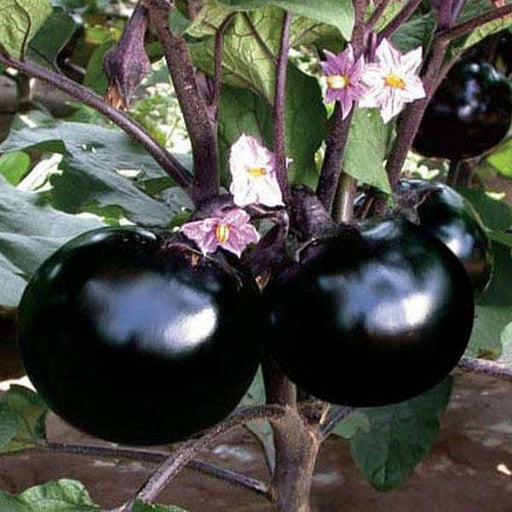
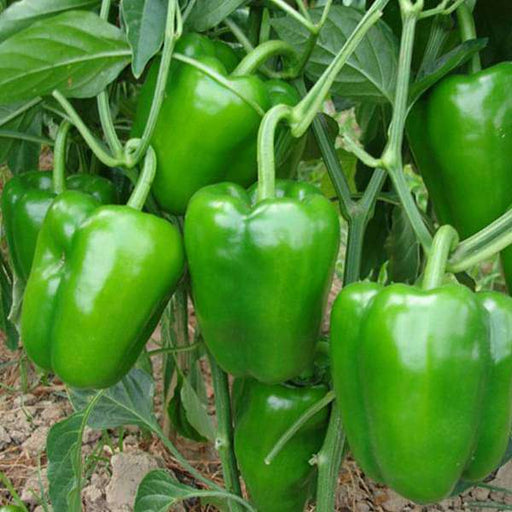
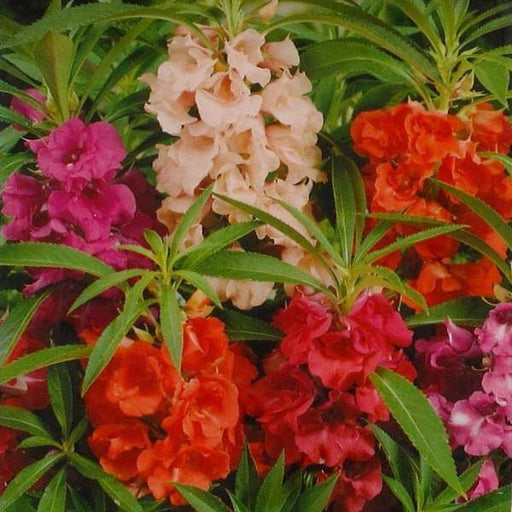
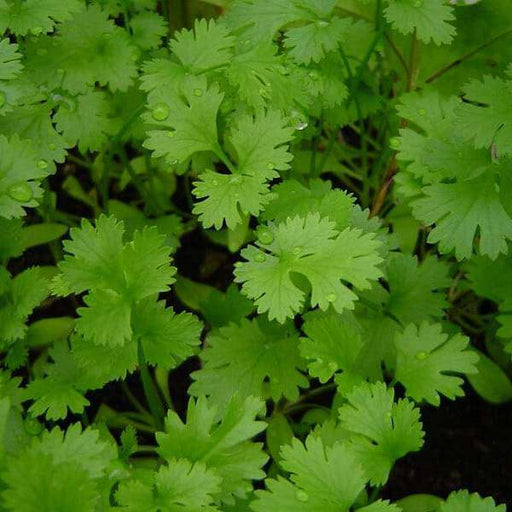
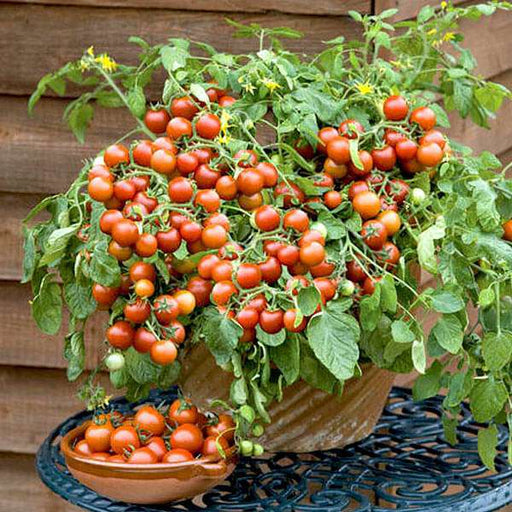
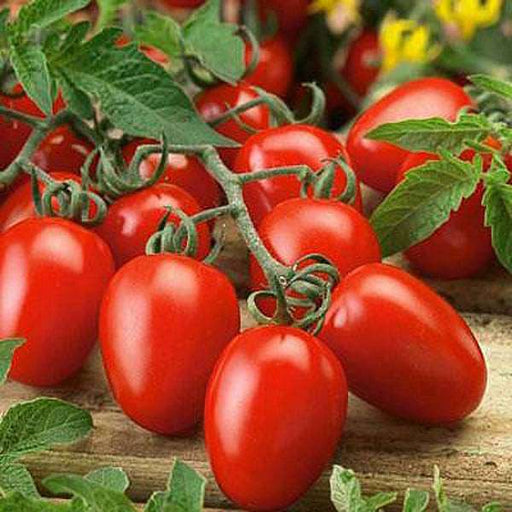
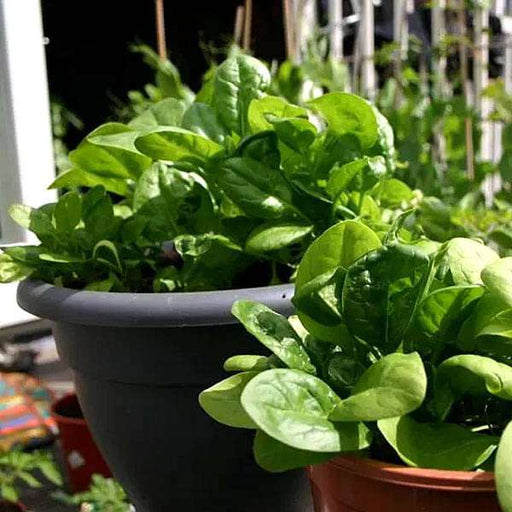
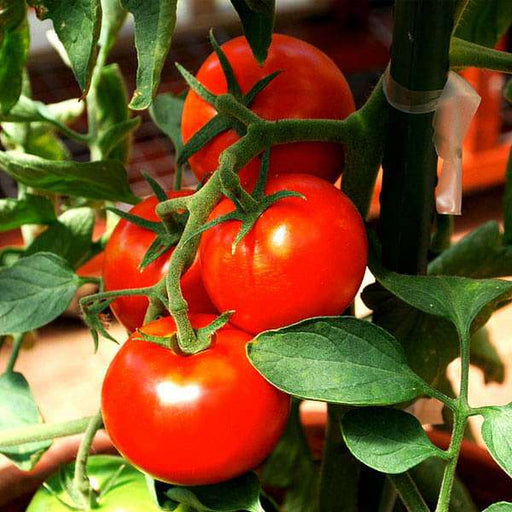
What are Indian Cuisine Vegetable Herb Seeds?
Indian Cuisine Vegetable Herb Seeds are seeds of plants that are used in Indian cuisine for their unique flavors and health benefits. These seeds are typically used to grow herbs and vegetables that are used in traditional Indian dishes.
What are some popular Indian Cuisine Vegetable Herb Seeds?
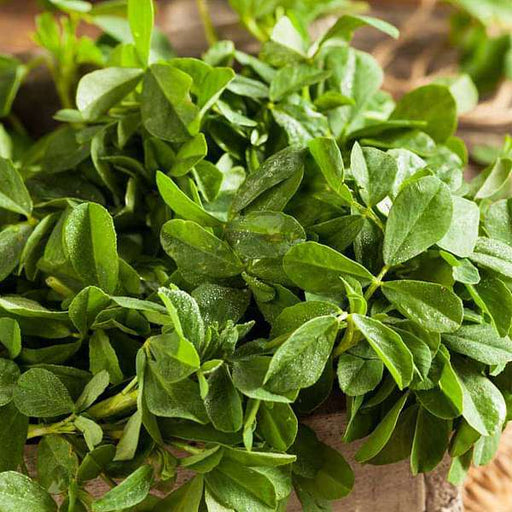
Some popular Indian Cuisine Vegetable Herb Seeds include coriander, fenugreek, cumin, mustard, fennel, and curry leaves. These herbs and vegetables are used in a variety of Indian dishes and are known for their strong flavors and medicinal properties.
How do I grow Indian Cuisine Vegetable Herb Seeds?
Indian Cuisine Vegetable Herb Seeds can be grown in a variety of ways, including in containers, raised beds, or directly in the ground. They require well-draining soil, plenty of sunlight, and regular watering.
What are the health benefits of Indian Cuisine Vegetable Herb Seeds?
Indian Cuisine Vegetable Herb Seeds are known for their health benefits, which include improving digestion, reducing inflammation, and boosting the immune system. They are also rich in vitamins and minerals, making them a great addition to any healthy diet.
Can I grow Indian Cuisine Vegetable Herb Seeds indoors?
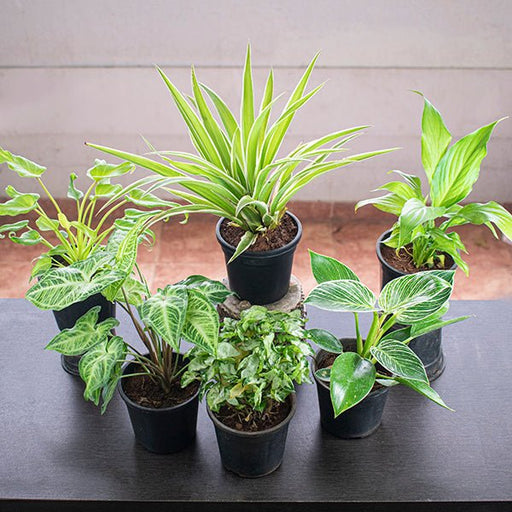
Yes, Indian Cuisine Vegetable Herb Seeds can be grown indoors as long as they receive adequate light and moisture. You can use a grow light or place them near a sunny window to ensure they receive enough light.
How long does it take for Indian Cuisine Vegetable Herb Seeds to germinate?
The germination time for Indian Cuisine Vegetable Herb Seeds varies depending on the plant. Some seeds may germinate in as little as a week, while others may take up to three weeks.
What are some common pests that affect Indian Cuisine Vegetable Herb plants?
Some common pests that can affect Indian Cuisine Vegetable Herb plants include aphids, spider mites, and whiteflies. These pests can be controlled using organic pest control methods or insecticidal soap.
How do I harvest Indian Cuisine Vegetable Herb plants?
To harvest Indian Cuisine Vegetable Herb plants, you should wait until the plant has reached maturity and then cut off the leaves or stems using clean, sharp scissors. It's best to harvest in the morning when the plants are at their freshest.
Can I grow Indian Cuisine Vegetable Herb plants in a hydroponic system?
Yes, you can grow Indian Cuisine Vegetable Herb plants in a hydroponic system as long as the system provides them with adequate nutrients, light, and water.
How do I store Indian Cuisine Vegetable Herb Seeds?
Indian Cuisine Vegetable Herb Seeds should be stored in a cool, dry place to maintain their freshness and viability. You can store them in an airtight container in the refrigerator or freezer for longer-term storage.
How do I use Indian Cuisine Vegetable Herb Seeds in cooking?
Indian Cuisine Vegetable Herb Seeds can be used in a variety of ways in cooking, including as seasoning, marinades, or garnishes. Some popular Indian dishes that feature these herbs and vegetables include curries, chutneys, and dal.
What are some tips for growing healthy Indian Cuisine Vegetable Herb plants?
To grow healthy Indian Cuisine Vegetable Herb plants, you should ensure that they receive adequate sunlight, water, and nutrients. You should also monitor for pests and diseases and address any issues promptly.
What is the ideal soil pH for Indian Cuisine Vegetable Herb plants?
The ideal soil pH for Indian Cuisine Vegetable Herb plants is between 6.0 and 7.0. You can adjust the pH of your soil using amendments such as lime or sulfur.
How often should I fertilize Indian Cuisine Vegetable Herb plants?
Indian Cuisine Vegetable Herb plants should be fertilized every 4-6 weeks using a balanced fertilizer. You can also use organic fertilizers such as compost or worm castings.
Can I grow Indian Cuisine Vegetable Herb plants in a greenhouse?
Yes, Indian Cuisine Vegetable Herb plants can be grown in a greenhouse as long as the greenhouse provides them with adequate light, temperature, and humidity. A greenhouse can also protect the plants from pests and harsh weather conditions.
Are Indian Cuisine Vegetable Herb plants easy to grow?
Most Indian Cuisine Vegetable Herb plants are easy to grow and require minimal maintenance. However, some plants may require specific growing conditions or extra care to thrive.
What are some common diseases that affect Indian Cuisine Vegetable Herb plants?
Some common diseases that can affect Indian Cuisine Vegetable Herb plants include powdery mildew, root rot, and bacterial blight. These diseases can be prevented or treated using organic methods such as crop rotation, proper watering, and pruning.
Can I save seeds from Indian Cuisine Vegetable Herb plants?
Yes, you can save seeds from Indian Cuisine Vegetable Herb plants by allowing the plants to flower and produce seed pods. Once the seed pods have matured, you can harvest the seeds and store them for future use.
What are some companion plants for Indian Cuisine Vegetable Herb plants?
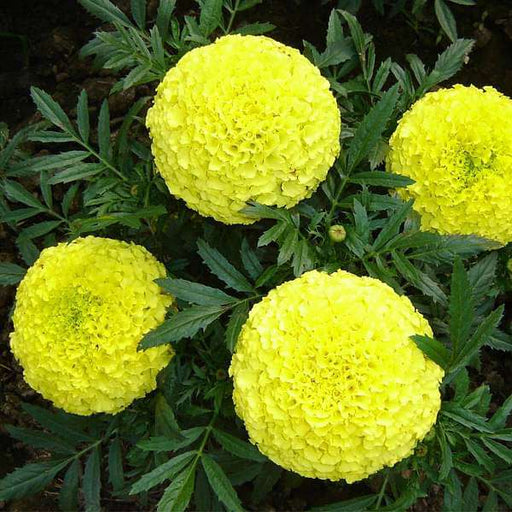
Some companion plants for Indian Cuisine Vegetable Herb plants include marigolds, nasturtiums, and basil. These plants can help repel pests, improve soil quality, and enhance the flavor of the herbs and vegetables.
Can I use Indian Cuisine Vegetable Herb Seeds for medicinal purposes?
Yes, Indian Cuisine Vegetable Herb Seeds have been used for medicinal purposes for centuries in traditional Ayurvedic medicine. These herbs and vegetables are known for their anti-inflammatory, anti-bacterial, and antioxidant properties, making them a natural remedy for a variety of ailments. However, it's important to consult a healthcare professional before using them for medicinal purposes.