
















Skip to content

Flowering Creepers

Result: 52 products. Flowering Creepers Collection Discover the enchanting world of Flowering Creepers, a stunning collection of climbing plants that bring vibrant colors and lush greenery . . read more ›
Original price ₹ 314 - Original price ₹ 314
Original price ₹ 314
₹ 314
₹ 314 - ₹ 314
Current price ₹ 314

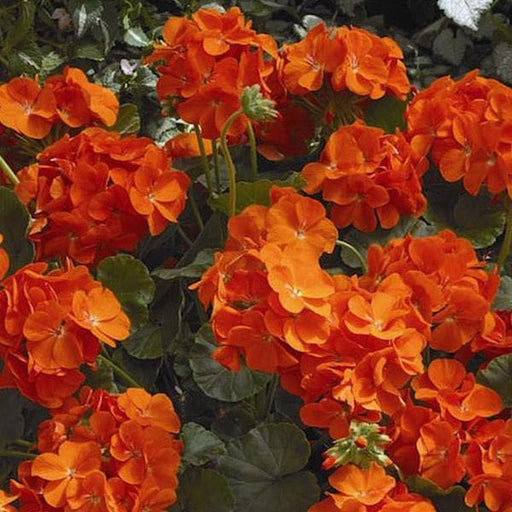
Geranium Ivy, Geranium Creeper (Orange) - Plant

Geranium Ivy, Geranium Creeper (Orange) - Plant The Geranium Ivy, also known as Geranium Creeper, is a stunning ornamental plant that feat...

View full details
Original price ₹ 314 - Original price ₹ 314
Original price ₹ 314
₹ 314
₹ 314 - ₹ 314
Current price ₹ 314
Sold out
Original price ₹ 314 - Original price ₹ 314
Original price ₹ 314
₹ 314
₹ 314 - ₹ 314
Current price ₹ 314

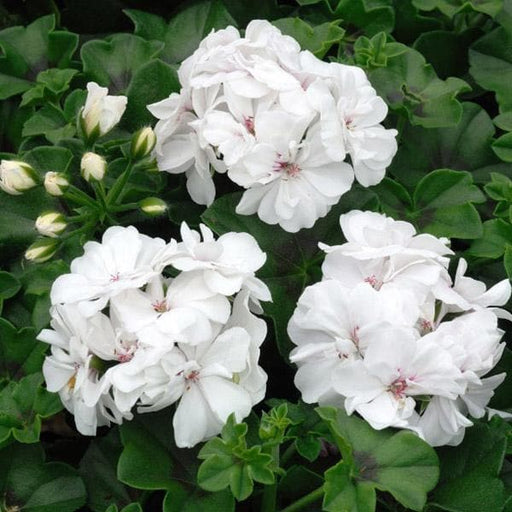
Geranium Ivy, Geranium Creeper (White) - Plant

Geranium Ivy, Geranium Creeper (White) - Plant The Geranium Ivy, also known as Geranium Creeper, is a stunning perennial plant that featur...

View full details
Original price ₹ 314 - Original price ₹ 314
Original price ₹ 314
₹ 314
₹ 314 - ₹ 314
Current price ₹ 314
Sold out
Original price ₹ 314 - Original price ₹ 314
Original price ₹ 314
₹ 314
₹ 314 - ₹ 314
Current price ₹ 314

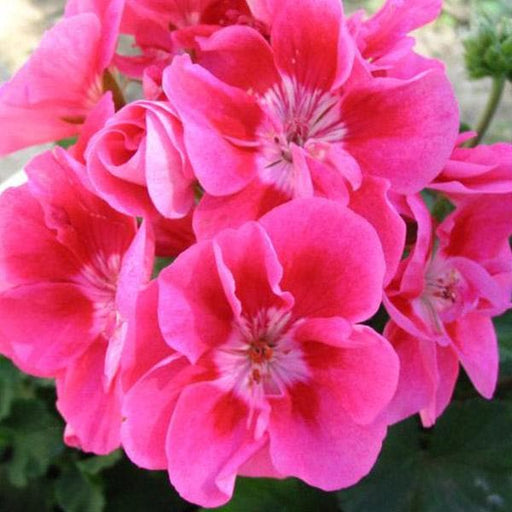
Geranium Ivy, Geranium Creeper (Pink) - Plant

Geranium Ivy, Geranium Creeper (Pink) - Plant The Geranium Ivy, also known as Geranium Creeper, is a stunning perennial plant that showcas...

View full details
Original price ₹ 314 - Original price ₹ 314
Original price ₹ 314
₹ 314
₹ 314 - ₹ 314
Current price ₹ 314
Sold out
Original price ₹ 209 - Original price ₹ 209
Original price ₹ 209
₹ 209
₹ 209 - ₹ 209
Current price ₹ 209

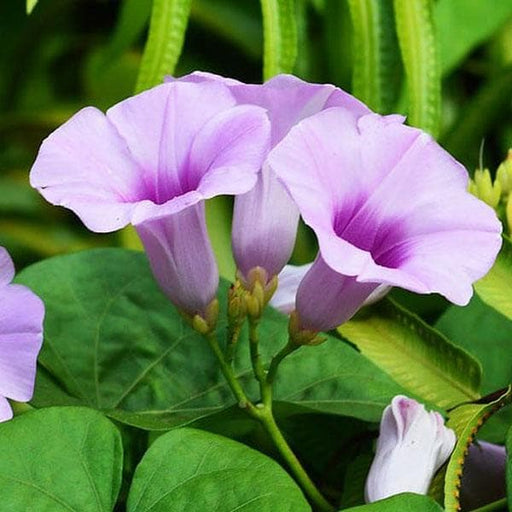
Elephant Creeper, Vidhara, Samudrasokha - Plant

Elephant Creeper (Vidhara, Samudrasokha) - Plant The Elephant Creeper, scientifically known as Argyreia nervosa, is a stunning perennial v...

View full details
Original price ₹ 209 - Original price ₹ 209
Original price ₹ 209
₹ 209
₹ 209 - ₹ 209
Current price ₹ 209
Sold out

Flowering Creepers Collection

Discover the enchanting world of Flowering Creepers, a stunning collection of climbing plants that bring vibrant colors and lush greenery to any space. These versatile plants are perfect for adorning trellises, fences, and walls, creating a breathtaking vertical garden. With their unique blooms and foliage, Flowering Creepers not only enhance your landscape but also attract pollinators, making them a vital addition to any garden.

What makes Flowering Creepers special is their ability to thrive in various environments, from sunny patios to shaded corners. Each plant in this collection boasts its own unique characteristics, ensuring that you can find the perfect match for your gardening style. Whether you prefer the delicate petals of the Bougainvillea or the fragrant blooms of the Jasmine, these creepers will transform your outdoor space into a floral paradise.

Growing Flowering Creepers is a rewarding experience that requires minimal effort. With proper care, these plants can flourish for years, providing beauty and charm to your garden. Explore our collection today and let your creativity blossom as you design your own vertical oasis!

Growing Instructions

  • Choose a sunny location with well-draining soil.
  • Plant in spring or early summer for optimal growth.
  • Provide support structures like trellises or fences for climbing.

Care Instructions

  • Water regularly, allowing the soil to dry between waterings.
  • Fertilize every 4-6 weeks during the growing season.
  • Prune to encourage bushier growth and remove dead or damaged stems.

Uses

  • Perfect for vertical gardens and enhancing outdoor aesthetics.
  • Great for attracting pollinators like bees and butterflies.
  • Can be used in containers for patios and balconies.

Fun Facts

  • Some creepers can grow up to 30 feet in a single season!
  • Many flowering creepers are drought-tolerant once established.
  • They have been used in traditional medicine for centuries.

Scientific Data

Flowering Creepers belong to various plant families, with many species exhibiting unique adaptations for climbing. For instance, the Clitoria ternatea, commonly known as Butterfly Pea, is known for its striking blue flowers and is a member of the Fabaceae family. These plants play a crucial role in their ecosystems, providing food and habitat for numerous species.

Historical Facts

Historically, flowering creepers have been cultivated for their beauty and utility. The ancient Greeks and Romans used climbing plants to adorn their homes and public spaces, symbolizing prosperity and growth. Today, these plants continue to be celebrated for their aesthetic appeal and ecological benefits, making them a staple in gardens worldwide.

Environmental Impact

Flowering Creepers contribute significantly to biodiversity by providing habitats for various insects and birds. They also help in soil stabilization and erosion control, making them an eco-friendly choice for gardeners. By incorporating these plants into your landscape, you not only enhance its beauty but also support local ecosystems and promote environmental health.

Trending Collections

Bougainvillea

Bougainvillea is a popular flowering creeper known for its vibrant and colorful blooms. It is a versatile plant that can be grown in a variety of climates and soil types, making it a popular choice for gardeners around the world.

Morning Glory

Morning Glory is a fast-growing flowering creeper that produces beautiful, trumpet-shaped flowers in a range of colors. It is a popular choice for gardeners who want to add a splash of color and interest to their gardens.

Clematis

Clematis is a flowering creeper known for its delicate and intricate blooms. It is a popular choice for trellises, fences, and walls, and can be grown in a variety of soil types and climates.

Jasmine

Jasmine is a fragrant flowering creeper that produces beautiful, white or yellow blooms. It is a popular choice for gardeners who want to add a sweet and exotic scent to their gardens.

Honeysuckle

Honeysuckle is a flowering creeper known for its sweet fragrance and delicate blooms. It is a popular choice for trellises, fences, and walls, and can be grown in a variety of soil types and climates.

Wisteria

Wisteria is a beautiful and dramatic flowering creeper that produces cascading blooms in shades of purple, pink, and white. It is a popular choice for trellises, pergolas, and walls, and can add a touch of elegance and drama to any garden.

Passion Flower

Passion Flower is a unique and exotic flowering creeper that produces intricate and striking blooms. It is a popular choice for gardeners who want to add a touch of the exotic to their gardens.

Trumpet Vine

Trumpet Vine is a fast-growing and hardy flowering creeper that produces large, trumpet-shaped blooms in shades of orange and red. It is a popular choice for gardeners who want to add a splash of color and interest to their gardens.

Climbing Roses

Climbing Roses are a beautiful and classic flowering creeper that produce delicate and fragrant blooms in a range of colors. They are a popular choice for trellises, fences, and walls, and can add a touch of romance and elegance to any garden.

Mandevilla

Mandevilla is a beautiful and tropical flowering creeper that produces large, trumpet-shaped blooms in shades of pink and red. It is a popular choice for gardeners who want to add a touch of the exotic to their gardens.

Ivy

Ivy is a classic and hardy flowering creeper that produces delicate and intricate foliage. It is a popular choice for trellises, walls, and fences, and can add a touch of elegance and sophistication to any garden.

Moonflower

Moonflower is a unique and exotic flowering creeper that produces large, white or pink blooms that open at night. It is a popular choice for gardeners who want to add a touch of magic and mystery to their gardens.

Climbing Hydrangea

Climbing Hydrangea is a beautiful and hardy flowering creeper that produces delicate and intricate blooms in shades of white and pink. It is a popular choice for trellises, fences, and walls, and can add a touch of elegance and romance to any garden.

Virginia Creeper

Virginia Creeper is a fast-growing and hardy flowering creeper that produces delicate and intricate foliage. It is a popular choice for trellises, walls, and fences, and can add a touch of rustic charm to any garden.

Climbing Snapdragon

Climbing Snapdragon is a unique and striking flowering creeper that produces bright and colorful blooms in a range of shades. It is a popular choice for gardeners who want to add a touch of the unexpected to their gardens.

Black-eyed Susan Vine

Black-eyed Susan Vine is a delicate and charming flowering creeper that produces small, yellow or white blooms with a dark center. It is a popular choice for trellises, walls, and fences, and can add a touch of whimsy and charm to any garden.

Cup-and-Saucer Vine

Cup-and-Saucer Vine is a beautiful and unique flowering creeper that produces intricate and delicate blooms in shades of purple, blue, and pink. It is a popular choice for gardeners who want to add a touch of elegance and sophistication to their gardens.

Climbing Petunia

Climbing Petunia is a hardy and fast-growing flowering creeper that produces delicate and colorful blooms in a range of shades. It is a popular choice for trellises, fences, and walls, and can add a touch of color and interest to any garden.

Climbing Nasturtium

Climbing Nasturtium is a beautiful and hardy flowering creeper that produces delicate and colorful blooms in shades of orange, red, and yellow. It is a popular choice for trellises, fences, and walls, and can add a touch of vibrancy and energy to any garden.

Thunbergia

Thunbergia is a unique and exotic flowering creeper that produces intricate and striking blooms in shades of yellow, orange, and white. It is a popular choice for gardeners who want to add a touch of the exotic to their gardens.

Save 40% with Gardening Solutions

Growing & care guide

Flowering creepers add vertical color and charm to gardens, trellises, and walls with minimal ground space. They thrive in India's warm climate and can produce blooms year-round depending on variety.

Light
Most flowering creepers need 4-6 hours of direct morning to mid-morning sunlight for good flowering. Some varieties (Bougainvillea, Mansoa alliaceae) tolerate partial shade but bloom more prolifically in full sun. Avoid intense afternoon heat in very hot regions.
Water
Water regularly during growing season (March-June, Sept-Nov) to keep soil consistently moist but not waterlogged. Reduce watering in winter (Dec-Feb). During monsoon, ensure drainage to prevent root rot. Drip irrigation works well for established creepers.
Soil & Feeding
Use well-draining potting mix (coir:compost:sand 2:2:1) with added aged manure or compost. Feed monthly during growing season with balanced fertilizer (NPK 10:10:10) or flower-booster (10:52:10) to encourage blooms. Reduce feeding in winter.
Temperature & Humidity
Flowering creepers prefer warm daytime temperatures (25-35°C). Most are frost-sensitive except hardy types like Clematis. Humidity levels of 40-60% are ideal; Indian monsoons usually provide sufficient humidity naturally.
Common Problems
Pests include spider mites and mealybugs; spray with neem oil every 10-14 days. Yellowing leaves indicate iron deficiency (chlorosis)—apply chelated iron or acidify soil. Poor flowering suggests low sunlight or excess nitrogen; adjust as needed.
Pro Tips
Prune creepers after main flowering to encourage bushier growth and more flowers next season. Provide sturdy support structures; guide vines onto trellises or walls when young. Mulch soil surface to retain moisture and moderate temperature during hot months.

Frequently asked questions

What are flowering creepers?
Flowering creepers are plants that climb or creep along the ground and produce beautiful and vibrant blooms. They are a popular choice for gardeners who want to add a vertical element to their gardens.
What are some popular varieties of flowering creepers?
Some popular varieties of flowering creepers include bougainvillea, morning glory, clematis, jasmine, honeysuckle, wisteria, passion flower, trumpet vine, climbing roses, mandevilla, ivy, moonflower, climbing hydrangea, Virginia creeper, climbing snapdragon, black-eyed Susan vine, cup-and-saucer vine, climbing petunia, climbing nasturtium, and thunbergia.
How do I care for my flowering creeper?
To care for your flowering creeper, make sure it is planted in well-draining soil, and water it regularly. Fertilize the plant every two to three weeks during the growing season with a balanced fertilizer, and prune the plant as needed to control its growth and shape.
How do I prune my flowering creeper?
To prune your flowering creeper, remove any dead or diseased foliage and cut back any leggy or overcrowded stems. This will encourage the plant to produce new growth and blooms.
How do I train my flowering creeper to climb a trellis or wall?
To train your flowering creeper to climb a trellis or wall, gently tie the stems to the structure using twine or other soft material. As the plant grows, continue to tie the stems to the structure to encourage upward growth.
Can flowering creepers be grown in containers?
Yes, many flowering creepers can be grown in containers as long as the container is large enough to accommodate the plant and has good drainage.
What kind of soil do flowering creepers prefer?
Flowering creepers prefer well-draining soil that is rich in organic matter. A soil pH of 6.0 to 6.5 is ideal for growing most flowering creepers.
How often should I water my flowering creeper?
Flowering creepers should be watered regularly, especially during the hot summer months. It is important to keep the soil moist but not waterlogged, as this can lead to root rot.
What kind of sunlight do flowering creepers need?
Most flowering creepers prefer full sun but can also tolerate partial shade. However, they may not produce as many blooms in partial shade.
How do I propagate my flowering creeper?
Most flowering creepers can be propagated through cuttings, division, or seeds. Consult with a local horticulturist or plant nursery for specific propagation techniques for your chosen plant.
Can I overwinter my flowering creeper in India?
In India, many flowering creepers can be overwintered by protecting them from frost and cold temperatures. Consult with a local horticulturist or plant nursery for specific overwintering techniques for your chosen plant.
How do I prevent my flowering creeper from becoming too invasive?
To prevent your flowering creeper from becoming too invasive, prune it regularly and remove any unwanted growth. You can also choose a non-invasive variety of the plant or grow it in a container to control its growth.
How do I choose the right flowering creeper for my garden?
When choosing a flowering creeper for your garden, consider the size, color, and growing requirements of the plant. You can also consult with a local horticulturist or plant nursery for recommendations based on your specific garden conditions.
Can flowering creepers attract pollinators to my garden?
Yes, many flowering creepers are attractive to bees, butterflies, and other pollinators, making them a great addition to any garden.
How do I plant my flowering creeper?
To plant your flowering creeper, dig a hole that is twice as wide and deep as the plant's root ball. Add compost or other organic matter to the soil, and water the plant well after planting.
How do I fertilize my flowering creeper?
To fertilize your flowering creeper, use a balanced fertilizer every two to three weeks during the growing season. Follow the manufacturer's instructions for application rates and methods.
Can flowering creepers be grown indoors?
Yes, some flowering creepers can be grown indoors as long as they receive adequate sunlight and are planted in a large enough container with good drainage.
How do I control pests and diseases on my flowering creeper?
To control pests and diseases on your flowering creeper, use a pesticide or fungicide as needed. Consult with a local horticulturist or plant nursery for specific recommendations for your chosen plant.
How do I deadhead my flowering creeper?
To deadhead your flowering creeper, remove any spent blooms by cutting them off at the base of the stem. This will encourage the plant to produce new growth and blooms.
How do I prepare my soil for planting my flowering creeper?
To prepare your soil for planting your flowering creeper, add compost or other organic matter to improve drainage and fertility. It is also important to test the pH of the soil and adjust it if necessary.
Can I grow multiple varieties of flowering creepers together?
Yes, multiple varieties of flowering creepers can be grown together as long as they have similar growing requirements and are properly spaced.
How do I make my flowering creeper bloom more?
To make your flowering creeper bloom more, make sure it is getting enough sunlight and water, and fertilize it regularly with a balanced fertilizer. Prune the plant as needed to control its growth and shape.
How do I train my flowering creeper to grow in a specific direction?
To train your flowering creeper to grow in a specific direction, gently tie the stems to a support structure using twine or other soft material. As the plant grows, continue to tie the stems to the structure to encourage growth in the desired direction.
Can I grow flowering creepers in a shady area?
Some flowering creepers can tolerate partial shade, but most prefer full sun. Consult with a local horticulturist or plant nursery for recommendations based on your specific growing conditions.
How do I protect my flowering creeper from pests?
To protect your flowering creeper from pests, use a pesticide as needed and remove any diseased foliage or stems. You can also choose pest-resistant varieties of the plant.
How do I prevent my flowering creeper from becoming too woody?
To prevent your flowering creeper from becoming too woody, prune it regularly and remove any unwanted growth. You can also choose a variety of the plant that is naturally more bushy or compact.
Can I grow flowering creepers in a hanging basket?
Yes, some flowering creepers can be grown in a hanging basket as long as the basket is large enough to accommodate the plant and has good drainage.
How do I protect my flowering creeper from frost and cold temperatures?
To protect your flowering creeper from frost and cold temperatures, cover it with a blanket or tarp, or bring it indoors if possible. Consult with a local horticulturist or plant nursery for specific techniques based on your chosen plant.
How do I choose the right support structure for my flowering creeper?
When choosing a support structure for your flowering creeper, consider the size and weight of the plant, as well as the desired shape and growth pattern. Options include trellises, fences, walls, pergolas, and arches.
Can I grow flowering creepers in a small garden or balcony?
Yes, many flowering creepers can be grown in a small garden or balcony as long as they are planted in a large enough container and receive adequate sunlight and water. Consult with a local horticulturist or plant nursery for specific recommendations based on your growing conditions.
Fully-Grown Plants

Nursery-mature, not 4-inch saplings

Next-Day Delivery

At your door tomorrow — not a 4–7 day wait

Nursery-Fresh

Ready to flourish, no growing-in

Lowest Prices

Straight from local growers