What are microgreens?
Microgreens are young, tender plants grown from the seeds of various vegetables, herbs, and flowers, harvested just after the cotyledon leaves have developed. They are packed with nutrients and flavors, making them a popular choice for healthy eating and garnishing dishes.
Why grow microgreens at home?
Growing microgreens at home is an easy, cost-effective way to ensure a constant supply of fresh, nutritious greens. They require minimal space, grow quickly, and can be grown year-round, making them an ideal choice for urban dwellers.
What are the easiest microgreens to grow?
Some easy-to-grow microgreens include radish, sunflower, mustard, pea, arugula, and broccoli. These varieties germinate quickly and are generally resistant to pests and diseases, making them suitable for beginners.
What equipment do I need to start growing microgreens?
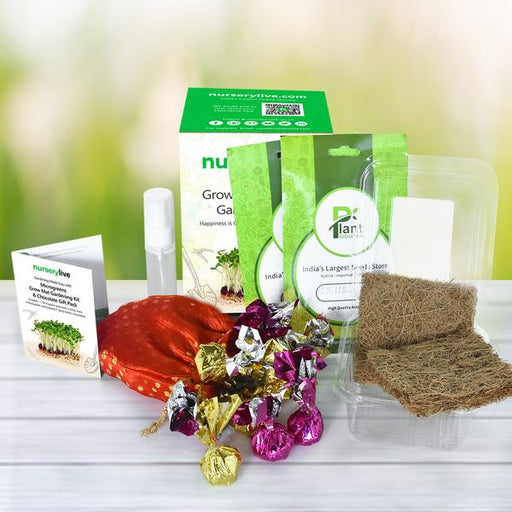
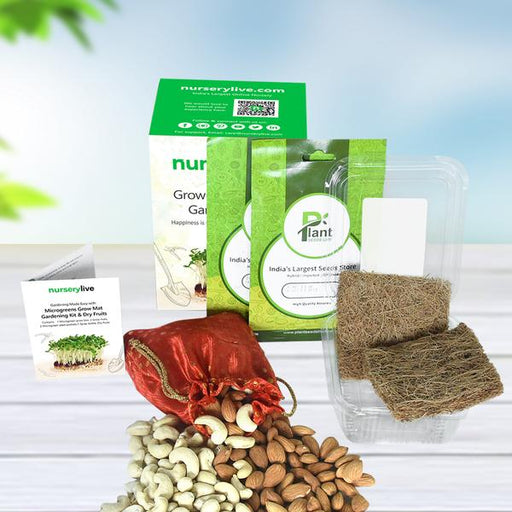
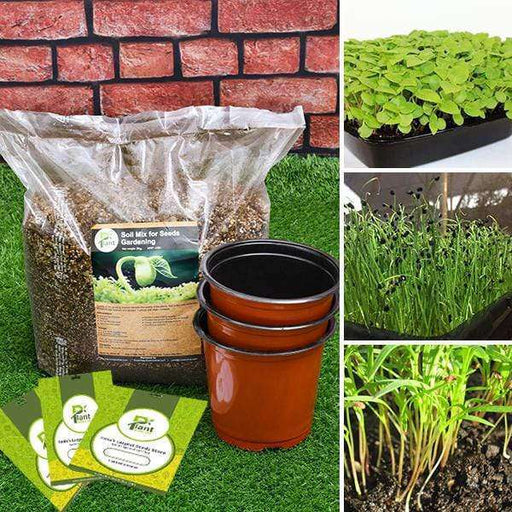
To grow microgreens, you'll need a shallow tray, a growing medium (such as soil or coconut coir), seeds, a spray bottle, and a source of light (either natural sunlight or artificial grow lights).
Can I grow microgreens without soil?
Yes, microgreens can be grown using hydroponics or other soilless mediums like coconut coir, peat moss, or even paper towels. These methods are clean and can help reduce the risk of soil-borne diseases.
How do I sow microgreen seeds?
Sow seeds densely and evenly across the surface of the growing medium, and then cover them lightly with a thin layer of soil or growing medium. Mist the seeds with water and keep the medium consistently moist until germination.
How much light do microgreens need?
Microgreens require at least 4-6 hours of direct sunlight or 12-14 hours of artificial light. Ensure your microgreens receive enough light to prevent them from becoming leggy and weak.
How do I water my microgreens?
Water microgreens gently using a spray bottle to maintain consistent moisture without displacing seeds or damaging delicate roots. Avoid overwatering, as this can lead to mold and other issues.
When should I harvest my microgreens?
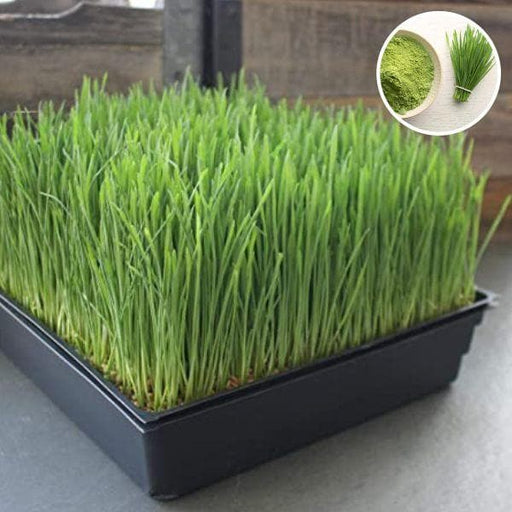
Microgreens are typically harvested when they reach 2-4 inches in height and have their first set of true leaves. This usually occurs within 7-21 days after sowing, depending on the variety.
How do I harvest microgreens?
Using a sharp pair of scissors, cut the microgreens just above the soil line. Rinse them gently in cool water and use them immediately or store them in a sealed container in the refrigerator for up to a week.
Can I reuse my growing medium?
It's not recommended to reuse the growing medium, as it can harbor diseases and pests. Dispose of the used medium and sanitize the trays before starting a new batch of microgreens.
Are there any pest control measures for microgreens?
Prevent pests by maintaining cleanliness, proper air circulation, and avoiding overwatering. If pests become a problem, use organic pest control methods like neem oil or insecticidal soap.
Can I grow microgreens outdoors?
Yes, microgreens can be grown outdoors, provided they receive adequate sunlight and are protected from harsh weather conditions, pests, and diseases.
What are the nutritional benefits of microgreens?
Microgreens are rich in vitamins, minerals, and antioxidants, which can help boost the immune system, improve digestion, and reduce the risk of chronic diseases.
Can I grow microgreens from any seeds?
While most vegetable, herb, and flower seeds can be used to grow microgreens, ensure they are labeled for consumption and are not treated with chemicals.
Can I regrow microgreens after harvesting?
Most microgreens are not suitable for regrowing after the first harvest, as their nutrient reserves get depleted. It's best to start a new batch with fresh seeds for the best results.
What is the difference between microgreens and sprouts?
Sprouts are germinated seeds with roots and a small shoot, typically consumed within 2-5 days after germination. Microgreens are slightly more mature, harvested after the first true leaves have developed, and are grown in soil or another growing medium.
How can I incorporate microgreens into my diet?
Microgreens can be added to salads, sandwiches, wraps, smoothies, or as a garnish for soups, omelets, and other dishes. They add a burst of flavor, color, and nutrients to your meals.
Where can I buy microgreen seeds and supplies?
At NurseryLive, we offer a wide range of microgreen seeds, growing kits, and supplies to help you get started with your microgreens journey. Visit our website to explore our products and get started on your healthy, green adventure!