





Skip to content

Desert Plants Names And Pictures

Result: 31 products. Explore Our Collection of Desert Plants: Names and Pictures Welcome to our curated collection of desert plants, where you can discover a variety of unique species that . . read more ›
Original price ₹ 449
Original price ₹ 449 - Original price ₹ 449
Original price ₹ 449
Current price ₹ 299
₹ 299 - ₹ 299
Current price ₹ 299

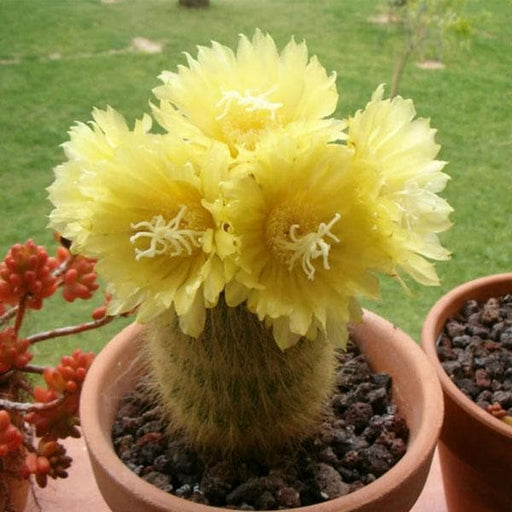
Golden Pipe Cactus, Notocactus leninghausii - Plant

Golden Pipe Cactus, Notocactus leninghausii - Plant The Golden Pipe Cactus, scientifically known as Notocactus leninghausii, is a stunning...

View full details
Original price ₹ 449
Original price ₹ 449 - Original price ₹ 449
Original price ₹ 449
Current price ₹ 299
₹ 299 - ₹ 299
Current price ₹ 299
Sold out
Original price ₹ 804 - Original price ₹ 804
Original price ₹ 804
₹ 804
₹ 804 - ₹ 804
Current price ₹ 804

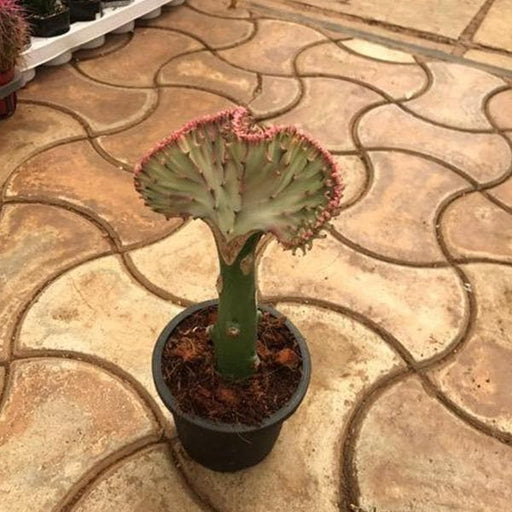
Euphorbia Crested - Plant

Euphorbia Crested - Plant The Euphorbia Crested, also known as the Crested Spurge, is a unique succulent that captivates plant enthusiasts...

View full details
Original price ₹ 804 - Original price ₹ 804
Original price ₹ 804
₹ 804
₹ 804 - ₹ 804
Current price ₹ 804
Sold out
Original price ₹ 349
Original price ₹ 349 - Original price ₹ 349
Original price ₹ 349
Current price ₹ 229
₹ 229 - ₹ 229
Current price ₹ 229

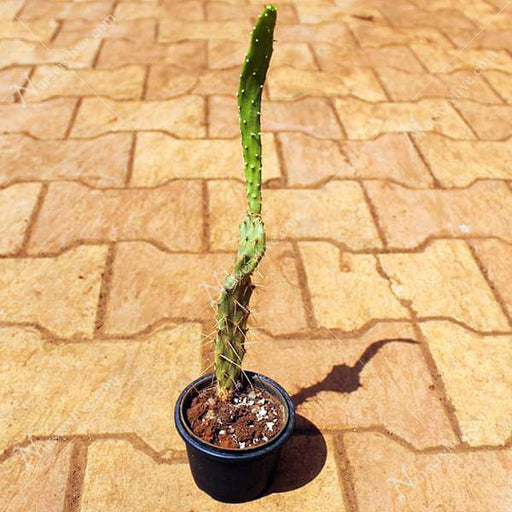
Elongated Opuntia - Cactus Plant

Elongated Opuntia - Cactus Plant The Elongated Opuntia, also known as the "Paddle Cactus," is a striking succulent native to the arid regi...

View full details
Original price ₹ 349
Original price ₹ 349 - Original price ₹ 349
Original price ₹ 349
Current price ₹ 229
₹ 229 - ₹ 229
Current price ₹ 229
Sold out
Original price ₹ 399
Original price ₹ 399 - Original price ₹ 399
Original price ₹ 399
Current price ₹ 249
₹ 249 - ₹ 249
Current price ₹ 249

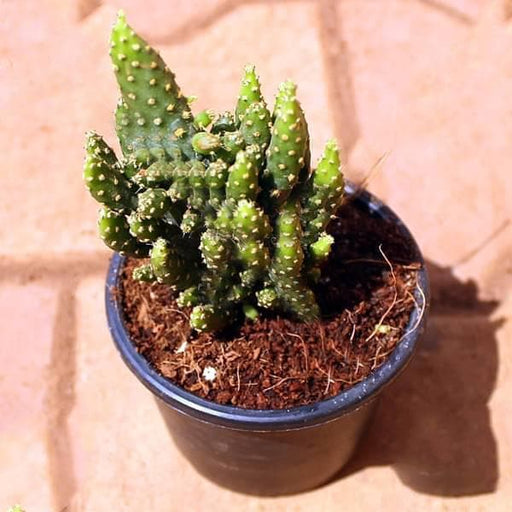
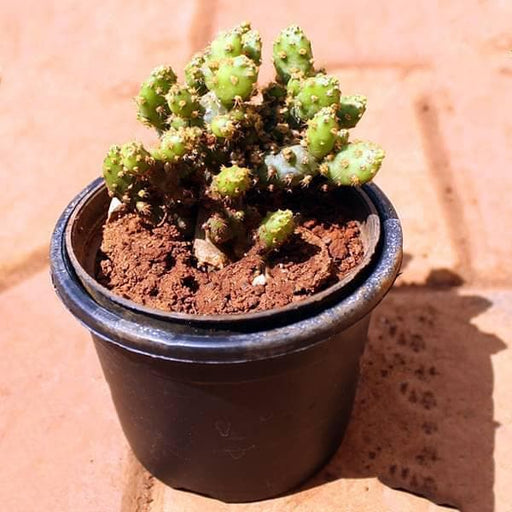
Opuntia tuna monstrosa - Cactus Plant

Opuntia Tuna Monstrosa - Cactus Plant The Opuntia Tuna Monstrosa, commonly known as the Monstrose Prickly Pear, is a unique and striking c...

View full details
Original price ₹ 399
Original price ₹ 399 - Original price ₹ 399
Original price ₹ 399
Current price ₹ 249
₹ 249 - ₹ 249
Current price ₹ 249
Sold out
Original price ₹ 399
Original price ₹ 399 - Original price ₹ 399
Original price ₹ 399
Current price ₹ 249
₹ 249 - ₹ 249
Current price ₹ 249

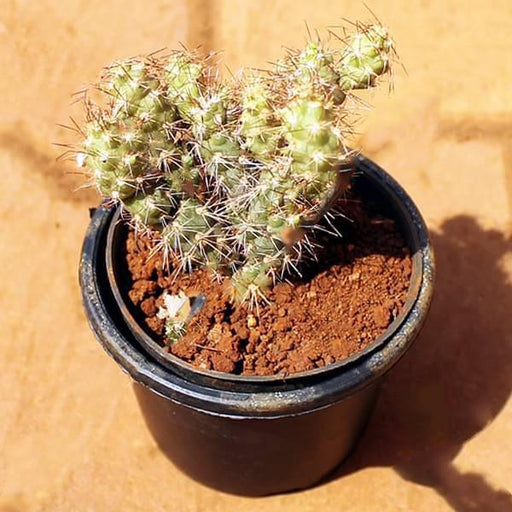
Opuntia species - Cactus Plant

Opuntia Species - Cactus Plant The Opuntia species, commonly known as prickly pear cactus, is a remarkable member of the Cactaceae family,...

View full details
Original price ₹ 399
Original price ₹ 399 - Original price ₹ 399
Original price ₹ 399
Current price ₹ 249
₹ 249 - ₹ 249
Current price ₹ 249
Sold out
Original price ₹ 399
Original price ₹ 399 - Original price ₹ 399
Original price ₹ 399
Current price ₹ 249
₹ 249 - ₹ 249
Current price ₹ 249

Maihueniopsis - Cactus Plant

Maihueniopsis - Cactus Plant The Maihueniopsis is a unique genus of cacti native to the arid regions of South America, particularly Argent...

View full details
Original price ₹ 399
Original price ₹ 399 - Original price ₹ 399
Original price ₹ 399
Current price ₹ 249
₹ 249 - ₹ 249
Current price ₹ 249
Sold out
Original price ₹ 499
Original price ₹ 499 - Original price ₹ 499
Original price ₹ 499
Current price ₹ 329
₹ 329 - ₹ 329
Current price ₹ 329

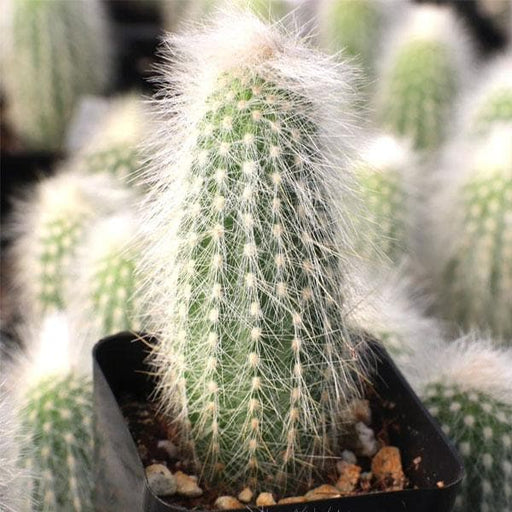
Silver torch - Cactus Plant

Silver Torch - Cactus Plant The Silver Torch Cactus, scientifically known as Trichocereus terscheckii, is a stunning addition to any indoo...

View full details
Original price ₹ 499
Original price ₹ 499 - Original price ₹ 499
Original price ₹ 499
Current price ₹ 329
₹ 329 - ₹ 329
Current price ₹ 329
Sold out

Explore Our Collection of Desert Plants: Names and Pictures

Welcome to our curated collection of desert plants, where you can discover a variety of unique species that thrive in arid environments. Each plant is accompanied by stunning pictures and detailed descriptions, making it easy for you to identify and appreciate these resilient wonders of nature. From the iconic saguaro cactus to the vibrant desert marigold, our collection showcases the beauty and diversity of desert flora.

What makes desert plants special is their remarkable adaptations to survive in harsh conditions. These plants have evolved to conserve water, withstand extreme temperatures, and thrive in nutrient-poor soils. By exploring our collection, you’ll gain insights into the fascinating world of xerophytes and learn how these plants contribute to their ecosystems.

Whether you're a gardening enthusiast or simply curious about desert life, our collection offers valuable information on growing and caring for these plants. With the right knowledge, you can bring a piece of the desert into your home or garden, creating a stunning landscape that requires minimal maintenance.

Growing Instructions

  • Choose well-draining soil to prevent root rot.
  • Plant in a location with full sun exposure for optimal growth.
  • Water sparingly; allow the soil to dry out between waterings.

Care Instructions

  • Fertilize with a low-nitrogen fertilizer during the growing season.
  • Prune dead or damaged leaves to promote healthy growth.
  • Protect from frost by bringing potted plants indoors during cold months.

Uses and Fun Facts

  • Many desert plants are used in traditional medicine for their healing properties.
  • Some species, like the prickly pear, produce edible fruits that are rich in nutrients.
  • Desert plants play a crucial role in preventing soil erosion and maintaining ecosystem balance.

Scientific and Historical Insights

Desert plants, scientifically known as xerophytes, have adapted to survive in some of the most extreme environments on Earth. They possess unique features such as thick, waxy skins and specialized root systems that allow them to store water efficiently. Historically, many indigenous cultures have relied on these plants for food, shelter, and medicinal purposes, showcasing their importance in human survival and cultural heritage.

From an environmental perspective, desert plants are vital for maintaining biodiversity and supporting wildlife. They provide habitat and food for various species, including pollinators like bees and butterflies. Additionally, their ability to sequester carbon and stabilize soil makes them essential in combating climate change and promoting ecological health in arid regions.

Trending Collections

Succulent Plants Names And Pictures

Succulent plants are known for their ability to store water in their leaves, stems, and roots, making them a great addition to any desert landscape. From the popular Aloe Vera to the unique String of Pearls, there are a variety of succulent plants that can thrive in arid climates.

Cactus Plants Names And Pictures

Cactus plants are perhaps the most iconic desert plant, with their unique and often whimsical shapes and sizes. With over 2,000 species of cactus, there is no shortage of options when it comes to adding these spiky plants to your desert garden.

Agave Plants Names And Pictures

Agave plants are known for their impressive size and sharp leaves. These plants are often used for their architectural and sculptural qualities, adding texture and interest to a desert landscape.

Yucca Plants Names And Pictures

Yucca plants are another popular choice for desert gardens, with their distinctive sword-like leaves and tall flower spikes. These hardy plants are often used as a focal point in desert landscapes.

Desert Rose Plants Names And Pictures

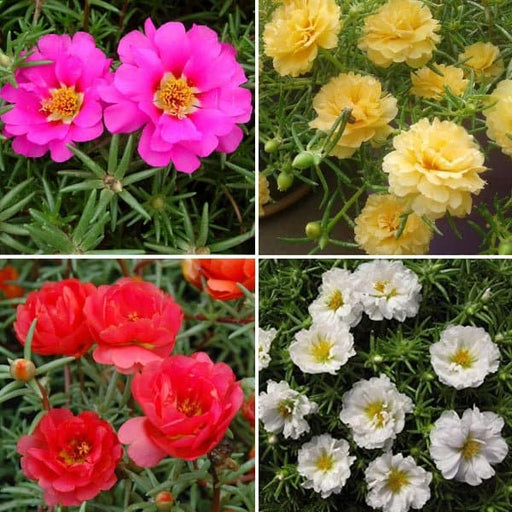
Despite their name, desert rose plants are not actually related to roses. These plants are known for their beautiful flowers that bloom in a variety of colors, including pink, white, and yellow.

Joshua Tree Plants Names And Pictures

The Joshua tree is a unique and iconic desert plant, native to the southwestern United States. These trees can grow up to 40 feet tall and have spiky green leaves and white flowers.

Mesquite Plants Names And Pictures

Mesquite plants are known for their hardiness and ability to survive in harsh desert conditions. These plants are often used as a source of shade and food for desert wildlife.

Barrel Cactus Plants Names And Pictures

Barrel cactus plants are named for their barrel-like shape and are known for their ability to store water in their thick, fleshy stems. These plants are often used in desert landscapes for their interesting shapes and low maintenance requirements.

Palo Verde Plants Names And Pictures

Palo Verde trees are native to the southwestern United States and are known for their green bark and yellow flowers. These trees are often used as a source of shade in desert gardens.

Desert Marigold Plants Names And Pictures

Desert marigold plants are a beautiful addition to any desert garden, with their bright yellow flowers and silvery leaves. These plants are often used as a ground cover in desert landscapes.

Save 40% with Gardening Solutions

Growing & care guide

Drought-tolerant succulents and desert flora adapted to extreme heat and minimal water, perfect for India's hot, dry climates and water-scarce regions. These low-maintenance plants are ideal for xeriscaping and require minimal care once established.

Light
Almost all desert plants require full sun (8+ hours daily) to thrive and maintain compact, vibrant growth. In very hot regions (>45°C), afternoon shade may prevent scorching of tender species, but most benefit from unfiltered sunlight.
Water
Water sparingly, only when soil is completely dry (check 2 inches deep). In monsoon, water minimally or not at all as rainfall provides moisture; ensure perfect drainage to prevent root rot. Mature desert plants in the ground may need no supplemental watering.
Soil & Feeding
Use gritty, well-draining soil mix (sand, perlite, coarse compost 1:1:1) to replicate desert conditions and prevent water retention. Feed minimally—once at the start of growing season with slow-release cactus/succulent fertilizer; over-feeding causes soft growth prone to rot.
Temperature & Humidity
Desert plants tolerate extreme heat (40-50°C) and thrive in low humidity (30-40%). High humidity in monsoon is their biggest risk; ensure exceptional drainage and air circulation. Many benefit from cooler winters (10-20°C) which trigger dormancy.
Common Problems
Root rot from overwatering is fatal and irreversible; always err on the side of dryness. Mealybugs and scale insects thrive in dust; spray with neem oil or insecticidal soap if detected.
Pro Tips
Group desert plants together to create a unified micro-climate and reduce individual watering needs. Repot only every 2-3 years, after the growing season. Propagate many species from offsets or leaf cuttings laid on dry soil.

Frequently asked questions

What are desert plants?
Desert plants are plants that have adapted to survive in arid regions with little rainfall and extreme temperatures. They have unique features like the ability to store water in their stems or leaves, deep root systems, and small or no leaves to reduce water loss.
What are some common desert plants found in India?
India is home to many species of desert plants. Some common ones include the Desert Rose, Cactus, Yucca, Agave, Aloe Vera, and Barrel Cactus.
How do desert plants survive in harsh conditions?
Desert plants have various adaptations that help them survive in harsh conditions. These include water storage in stems or leaves, deep root systems, small or no leaves to reduce water loss, and mechanisms to prevent water loss such as wax coating.
Can desert plants be grown indoors?
Yes, some desert plants can be grown indoors with proper care. Some popular indoor desert plants include Snake Plant, Cactus, and Aloe Vera.
What are the benefits of having desert plants in your garden?
Desert plants are low-maintenance and water-wise, making them a great addition to any garden. They also provide unique and interesting shapes, textures, and colors that can add visual interest to your outdoor space.
How often should I water my desert plants?
Desert plants are adapted to survive in arid regions, so they don't need as much water as other plants. However, the frequency of watering depends on the species of plant and the conditions in which they are growing. It's best to research the specific needs of each plant before watering.
Can desert plants survive in humid environments?
Desert plants are adapted to survive in arid conditions and may struggle in humid environments. However, some species may be able to tolerate higher levels of humidity.
How do I care for my desert plants during the winter?
Desert plants are often able to withstand cooler temperatures, but it's important to protect them from frost and extreme cold. Providing shelter or moving them indoors during the winter months can help ensure their survival.
Can desert plants be propagated from cuttings?
Yes, many desert plants can be propagated from cuttings. It's important to research the specific propagation methods for each plant.
Are desert plants safe for pets?
Some desert plants, like the Aloe Vera, are safe for pets. However, many species of desert plants can be toxic to pets if ingested. It's important to research the toxicity of each plant before bringing it into a household with pets.
Fully-Grown Plants

Nursery-mature, not 4-inch saplings

Next-Day Delivery

At your door tomorrow — not a 4–7 day wait

Nursery-Fresh

Ready to flourish, no growing-in

Lowest Prices

Straight from local growers