What are basic bonsai techniques?
Basic bonsai techniques involve pruning, wiring, and repotting to shape and maintain miniature trees. Think of it as giving your tree a stylish haircut while ensuring it doesn’t get too big for its pot. It’s all about balance, patience, and a sprinkle of creativity—like crafting a tiny forest in your living room!
Do I need special tools for bonsai?
While you can use regular gardening tools, investing in bonsai-specific tools is like upgrading from a flip phone to a smartphone. Bonsai scissors, wire cutters, and tweezers make the job easier and more precise. Plus, they’ll make you look like a pro, impressing your friends while you snip away at your leafy masterpiece!
How often should I water my bonsai?
Watering frequency depends on the tree species, pot size, and climate. It’s like dating—too much attention can drown it, while too little can leave it thirsty. A good rule of thumb? Stick your finger in the soil; if it’s dry an inch down, it’s time for a drink. Cheers to happy roots!
What is bonsai wiring?
Bonsai wiring is the art of shaping branches using wire, like giving your tree a fashionable makeover. It’s a delicate dance—too tight, and you’ll leave marks; too loose, and your tree will rebel. The goal is to guide growth while keeping it stylish. Just remember, no one likes a tree that looks like it’s been through a wrestling match!
How do I prune my bonsai?
Pruning is like giving your bonsai a spa day—removing dead leaves and shaping it for a fresh look. Use sharp scissors and snip away with purpose, focusing on maintaining balance and proportion. Just don’t go overboard; we want a chic tree, not a bald one! Remember, less is often more in the bonsai world.
What type of soil is best for bonsai?
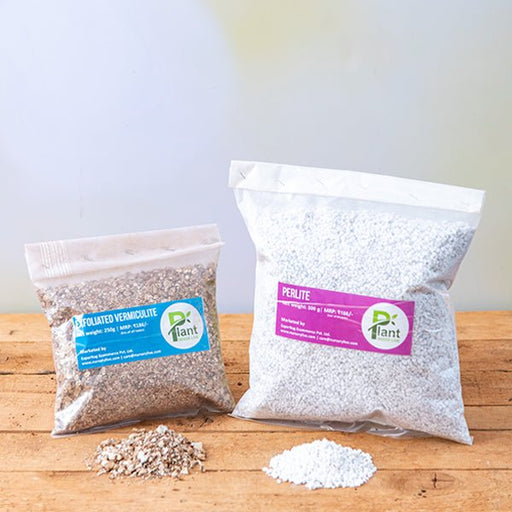
Bonsai trees thrive in well-draining soil that retains moisture without turning into a swamp. Think of it as the perfect blend of a cozy bed and a trampoline—supportive yet breathable. A mix of akadama, pumice, and lava rock is a popular choice. Your tree will thank you for the luxurious living conditions!
Can I grow bonsai indoors?
Absolutely! Indoor bonsai can thrive, but they need plenty of light and humidity. It’s like keeping a pet goldfish—just because it’s indoors doesn’t mean it can survive on its own. Place it near a sunny window and mist it occasionally. Your little green friend will flourish, and you’ll have a living piece of art!
How long does it take to grow a bonsai?
Growing a bonsai is a marathon, not a sprint. Depending on the species and techniques used, it can take several years to achieve that perfect look. Think of it as nurturing a fine wine—patience is key! With love and care, your bonsai will transform from a sprout to a stunning centerpiece in no time.
What are the common bonsai mistakes?
Common bonsai blunders include overwatering, neglecting light, and improper pruning. It’s like trying to bake a cake without following the recipe—chaos ensues! Avoid these pitfalls by researching your tree’s needs and keeping a watchful eye. Remember, bonsai is an art, and every artist has a few “oops” moments along the way!
Is bonsai suitable for beginners?
Absolutely! Bonsai is like a welcoming club for plant enthusiasts. Beginners can start with easier species like Ficus or Juniper, which are forgiving and resilient. With a little guidance and practice, you’ll be shaping your tiny tree in no time. Just remember, every master was once a beginner—so embrace the journey!
What should I expect from a bonsai workshop?
A bonsai workshop is a delightful mix of learning, laughter, and leaf-snipping! Expect hands-on guidance from experts, tips on techniques, and the chance to create your own masterpiece. You’ll leave with newfound skills, a tiny tree, and perhaps a few new friends who share your passion for all things bonsai. It’s a green-thumbed good time!