Croton Plant Care
If you think keeping a Croton alive is as easy as watering a cactus, think again! These vibrant beauties demand attention like a diva at a red carpet event. They thrive in bright, indirect sunlight and prefer their soil to be moist but not soggy—because nobody likes wet feet! Regular pruning will keep them looking fabulous, and don’t forget to wipe those leaves to keep them shiny.
Gold Dust Croton
The Gold Dust Croton is like the glitterati of the plant world, flaunting its golden speckles on lush green leaves. This showstopper doesn’t just sit pretty; it’s a conversation starter! With its striking appearance, it’s perfect for adding a pop of color to any room. Just remember, it’s not just a pretty face; it needs the right care to keep shining bright.
Thin Leaf Croton
The Thin Leaf Croton is the minimalist of the Croton family, boasting slender leaves that whisper elegance. It’s like the chic cousin who shows up to family gatherings looking effortlessly stylish. This plant prefers a bit of humidity, so don’t be shy about misting it. It’s a low-maintenance beauty that still demands a bit of love and attention.
Indoor Croton Plant
Bringing an Indoor Croton Plant into your home is like inviting a burst of sunshine indoors. These plants are not just decorative; they purify the air while looking fabulous. Place them near a window, and watch them soak up the light like a sunbather on a tropical beach. Just be cautious of drafts; they’re not fans of chilly breezes!
Croton Pot Size
Choosing the right Croton pot size is crucial; it’s like picking the perfect outfit for a first date. Too small, and your plant will feel cramped; too big, and it might just get lost in there. A 5-inch pot is ideal for young Crotons, giving them room to grow while still being manageable.
Croton Soil Requirements
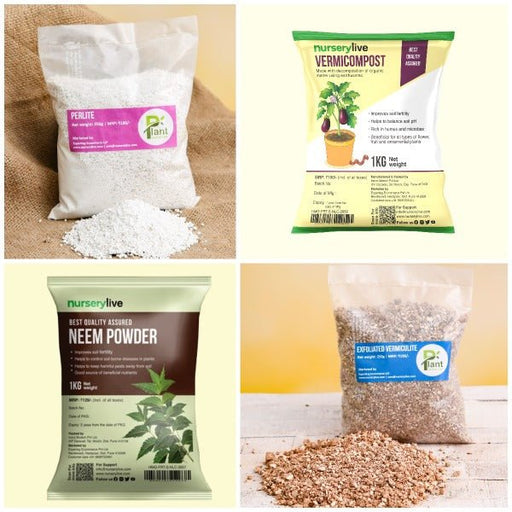
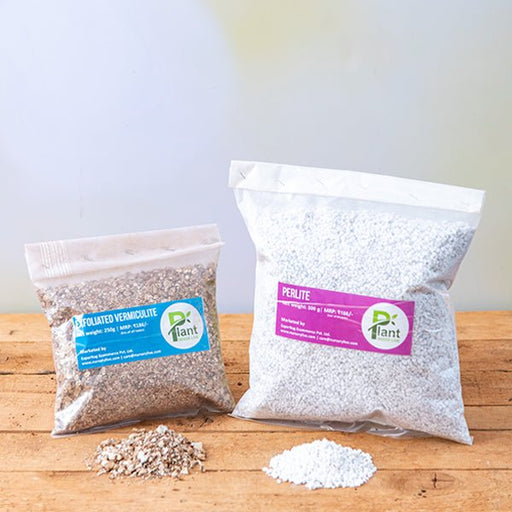
Crotons are picky about their soil, much like a foodie at a fancy restaurant. They prefer well-draining potting mix that retains some moisture but doesn’t drown their roots. A blend of peat, perlite, and a touch of compost will keep them happy and thriving.
Croton Fertilization
Fertilizing your Croton is like giving it a gourmet meal; it needs the right nutrients to flourish. A balanced liquid fertilizer during the growing season will keep those colors vibrant and the leaves lush. Just don’t overdo it; too much food can lead to a plant with a tummy ache!
Croton Light Needs
Crotons are sun worshippers, craving bright, indirect light to showcase their stunning colors. Think of them as the plant version of a beach lover who can’t get enough of the sun. Too little light, and they’ll sulk; too much direct sunlight, and they might get scorched.
Croton Propagation
Propagating Crotons is like playing plant matchmaker. You can take cuttings and root them in water or soil, but be patient; good things take time! With a little TLC, you’ll have new plants to share or keep for yourself.
Croton Pests
Crotons can attract pests like aphids and spider mites, making them the drama queens of the plant world. Regularly inspecting your plant and using insecticidal soap can keep these unwanted guests at bay. Remember, a healthy plant is a happy plant!
Croton Varieties
The world of Croton varieties is as diverse as a box of chocolates. From the flamboyant ‘Petra’ to the subtle ‘Mammy,’ there’s a Croton for every personality. Each variety brings its own flair, making it easy to find one that matches your style.
Croton Toxicity
While Crotons are stunning, they come with a warning label. They are toxic to pets and humans if ingested, so keep them out of reach of curious paws and little hands. It’s a beauty that demands respect, so admire from a safe distance!


 White Marble Pebbles (1 kg)
₹199
White Marble Pebbles (1 kg)
₹199 Plant O Boost — Growth Booster
₹239
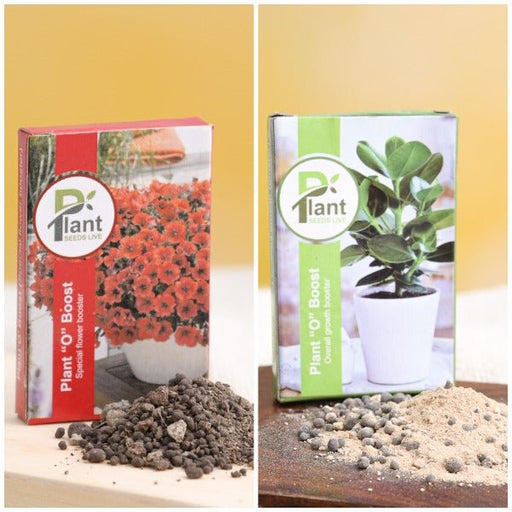
Plant O Boost — Growth Booster
₹239 Garden Essential Plant Care Kit
₹599
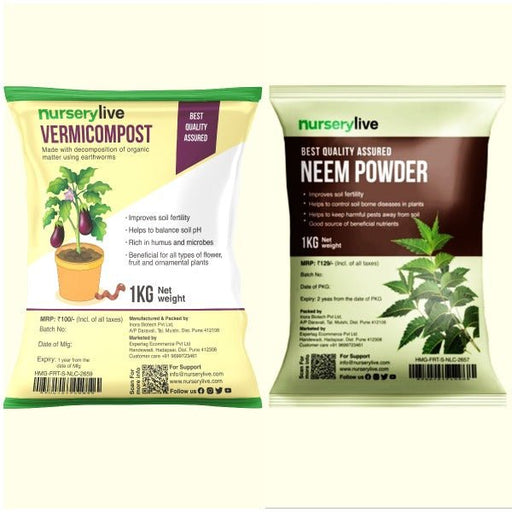
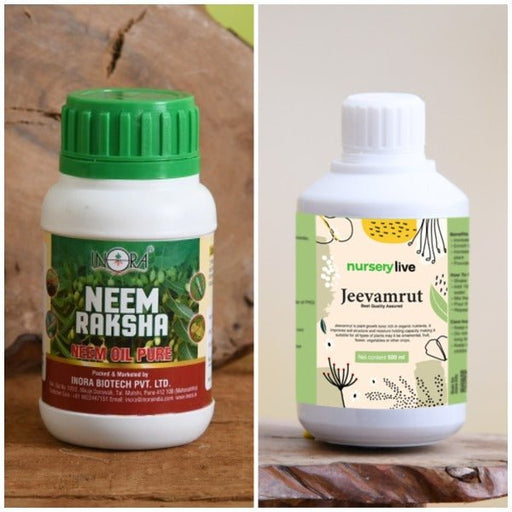
Garden Essential Plant Care Kit
₹599